


Balos Lagoon, Crete: Complete Visitor Guide
Balos Lagoon is one of the most photographed landmarks in Crete, known for its shallow turquoise waters and dramatic landscape. This guide covers everything you need to know for a successful visit.
Understanding Balos Lagoon
Located on the Gramvousa Peninsula in the northwestern corner of Crete, Balos Lagoon is a shallow, turquoise expanse of water protected by a long, narrow spit of sand. The visual appeal of the area comes from the contrast between the vibrant, shallow waters and the rugged, arid limestone cliffs that surround the bay. It is a protected area, part of the Natura 2000 network, which helps maintain the natural beauty of the landscape and the surrounding marine environment.
How to Reach Balos
There are two primary ways to reach Balos, each offering a different experience. The choice depends on your preference for adventure versus convenience.
- By Boat: Most visitors choose to arrive by boat from the port of Kissamos. These ferries typically make a stop at the island of Gramvousa, where you can hike up to the ruins of a Venetian fortress to enjoy panoramic views of the lagoon before continuing to Balos. This is generally the most comfortable option, as it avoids the rugged terrain of the peninsula.
- By Car and Foot: Driving to Balos involves navigating a long, unpaved gravel road that winds along the edge of the Gramvousa Peninsula. After parking at the trailhead, you must complete a hike of approximately twenty to thirty minutes down a rocky path to reach the shoreline. While the descent is straightforward, the return journey is an uphill climb that can be demanding in the midday sun.
What to Expect on Arrival
Upon reaching the lagoon, you will find a landscape defined by white and pinkish sand and remarkably shallow water. Because the lagoon is very shallow, the water warms up quickly, making it suitable for families with children. However, as it is an open bay, the conditions can change depending on the wind, and it is common to experience strong gusts that can make the sand blow across the beach.

Facilities at Balos are intentionally limited to preserve the natural environment. You will find a small kiosk offering basic refreshments and a limited number of sunbeds and umbrellas available for rent. Given the high volume of visitors during the peak summer months, these amenities often fill up early in the day. It is highly recommended to bring your own supplies, including plenty of water, high-factor sunscreen, and snacks.
Timing Your Visit
Balos is a popular destination, and the shore can become quite crowded during the middle of the day when ferries arrive. To experience the lagoon at its most peaceful, it is advisable to arrive early in the morning or late in the afternoon. During the shoulder seasons—specifically late spring and early autumn—the crowds are significantly thinner, and the temperatures are more manageable for the hike down the cliffside.
Safety and Practical Considerations
The terrain at Balos is rugged. If you choose to hike, wear sturdy footwear rather than flip-flops, as the path is uneven and rocky. Safety protocols regarding rockfall near the cliffs should be observed; stay on marked paths and avoid lingering directly beneath steep, unstable rock faces. If you are visiting by boat, pay close attention to the captain's instructions regarding departure times, as missing the return ferry will leave you stranded on the peninsula with limited options for transport.
Nearby Alternatives
If you find Balos too crowded or if the wind makes the lagoon uncomfortable, the region of Chania offers several excellent alternatives. Falasarna, located further south along the west coast, features expansive sandy beaches and is easier to access by car. Elafonissi, while also popular, provides a different experience with its famous pink sand and extensive dunes. For those staying in Chania town, the Akrotiri peninsula also offers several smaller, more sheltered beaches that are perfect for a quick swim.
Practical Tips for Visitors
- Check local weather reports before setting out, as strong winds can make the ferry crossing unpleasant and the beach sand-blasting.
- Always carry sufficient water, as there is very little shade available once you reach the beach.
- Wear a hat and protective clothing, as the sun reflects intensely off the white sand and shallow water.
- If driving, check your rental agreement regarding unpaved roads, as some companies restrict driving on gravel tracks.
- Respect the protected status of the area by taking all your trash with you when you leave.
Plan your trip to Chania
Compare prices with KAYAKYou'll be taken to KAYAK to compare prices. We may earn a commission at no extra cost to you.
Plan your trip to Chania
🏨Find hotels on Booking.comBooking.comAffiliate links — we may earn a small commission.
Deals from our travel partners
 Aris Thessaloniki vs Rostock Tickets - Nick Galis Hall, 2026-12-22Sports Events 365 · from 102 EUR
PAOK Thessaloniki vs Balkan Botevgrad Tickets - PAOK Arena, 2027-01-13Sports Events 365 · from 102 EUR
Aris Thessaloniki vs San Pablo Burgos Tickets - Nick Galis Hall, 2026-12-09Sports Events 365 · from 102 EUR
Olympiacos F.C. vs Sparta Prague Tickets - Karaiskaki Stadium, 2026-10-22Sports Events 365 · from 176 EUR
Aris Thessaloniki vs Rostock Tickets - Nick Galis Hall, 2026-12-22Sports Events 365 · from 102 EUR
PAOK Thessaloniki vs Balkan Botevgrad Tickets - PAOK Arena, 2027-01-13Sports Events 365 · from 102 EUR
Aris Thessaloniki vs San Pablo Burgos Tickets - Nick Galis Hall, 2026-12-09Sports Events 365 · from 102 EUR
Olympiacos F.C. vs Sparta Prague Tickets - Karaiskaki Stadium, 2026-10-22Sports Events 365 · from 176 EUR
Affiliate links — we may earn a commission at no extra cost to you.
Related guides
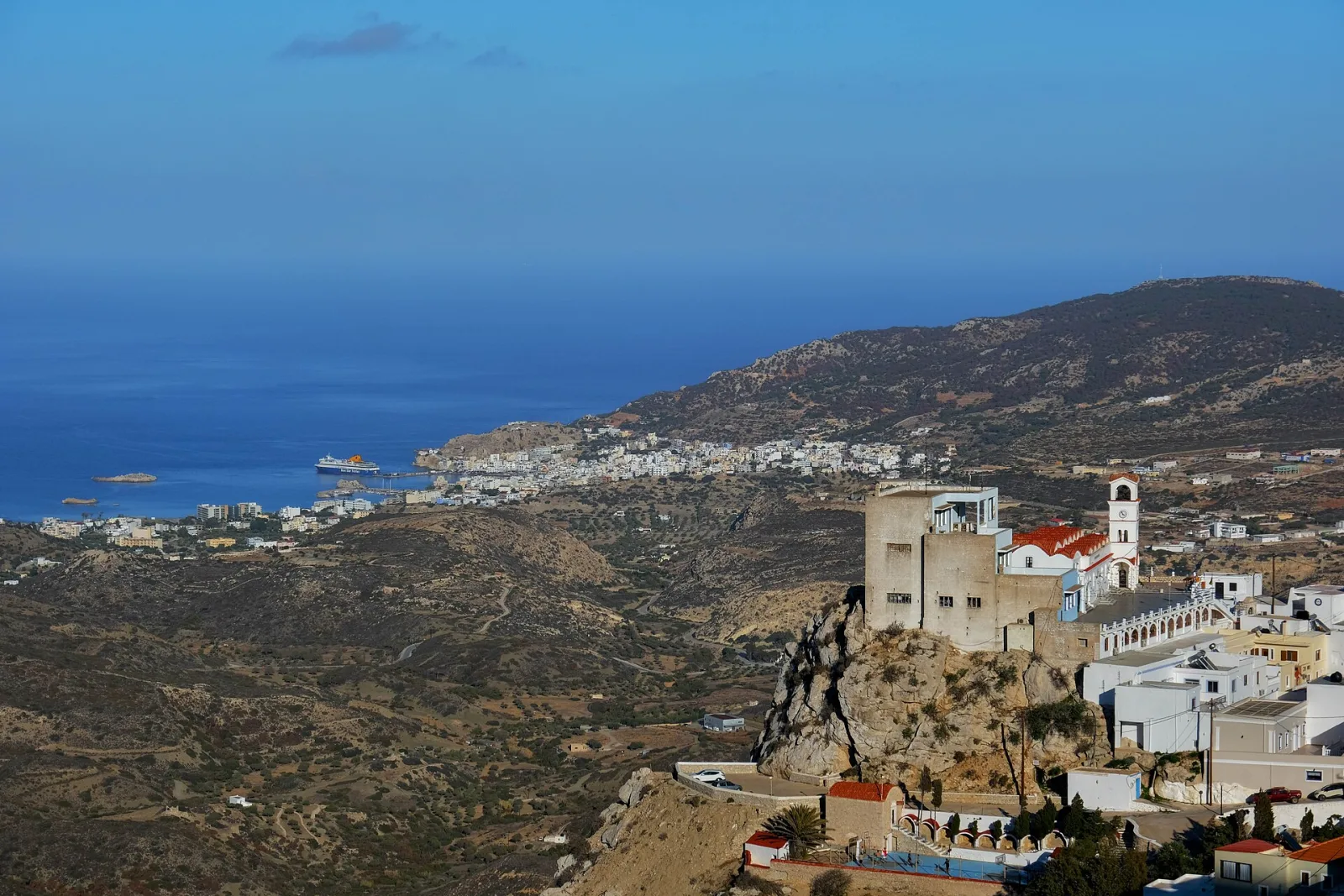
Top Things to Do in Karpathos
Rugged, unhurried and full of character, Karpathos rewards travellers who venture beyond the port. Here are the experiences worth planning your days around.
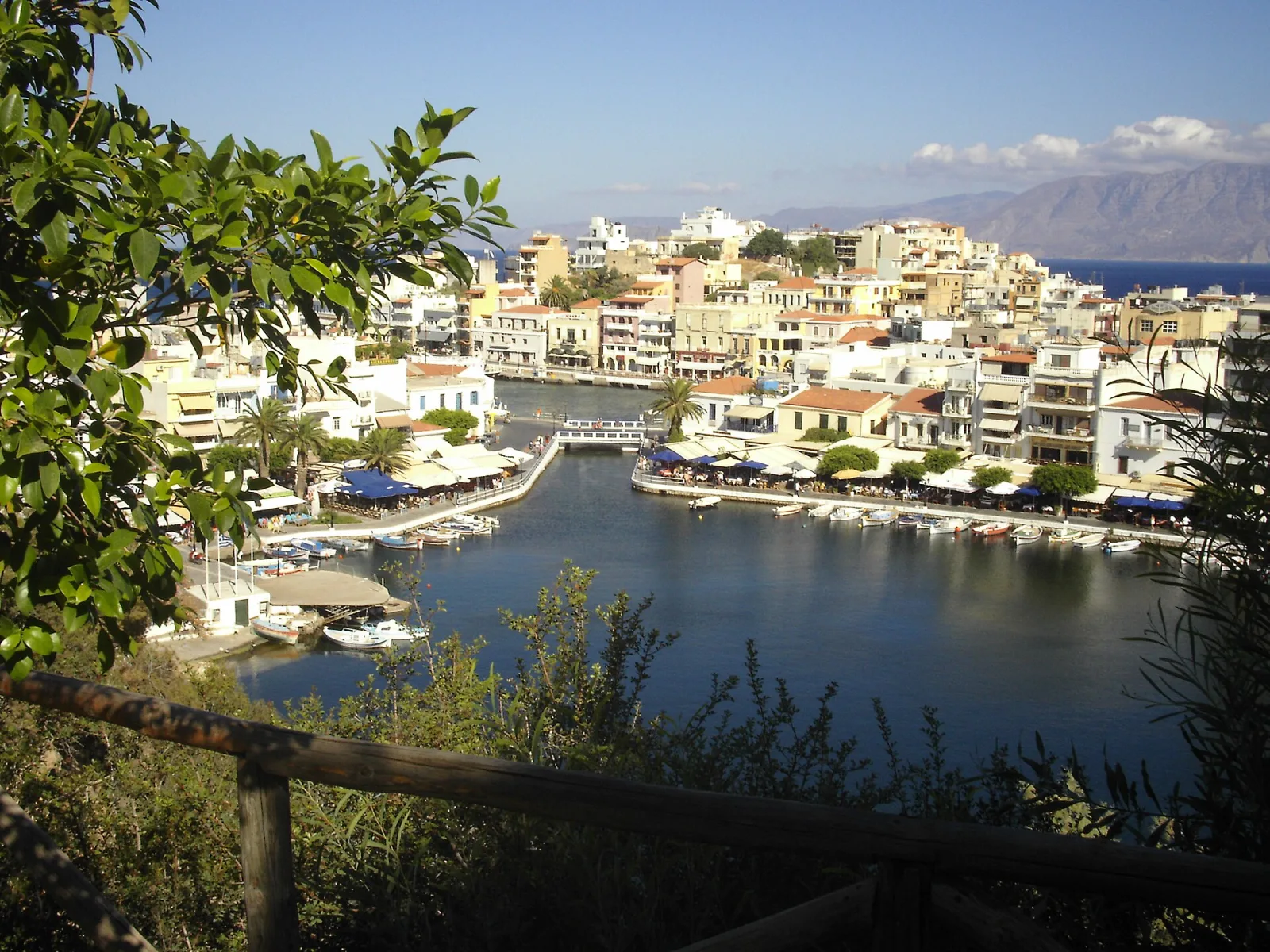
Top Things to Do in Agios Nikolaos
Agios Nikolaos is one of Crete's most appealing seaside towns, built around a small lake and within easy reach of Spinalonga, Elounda and the mountains.
Top Things to Do in Chania
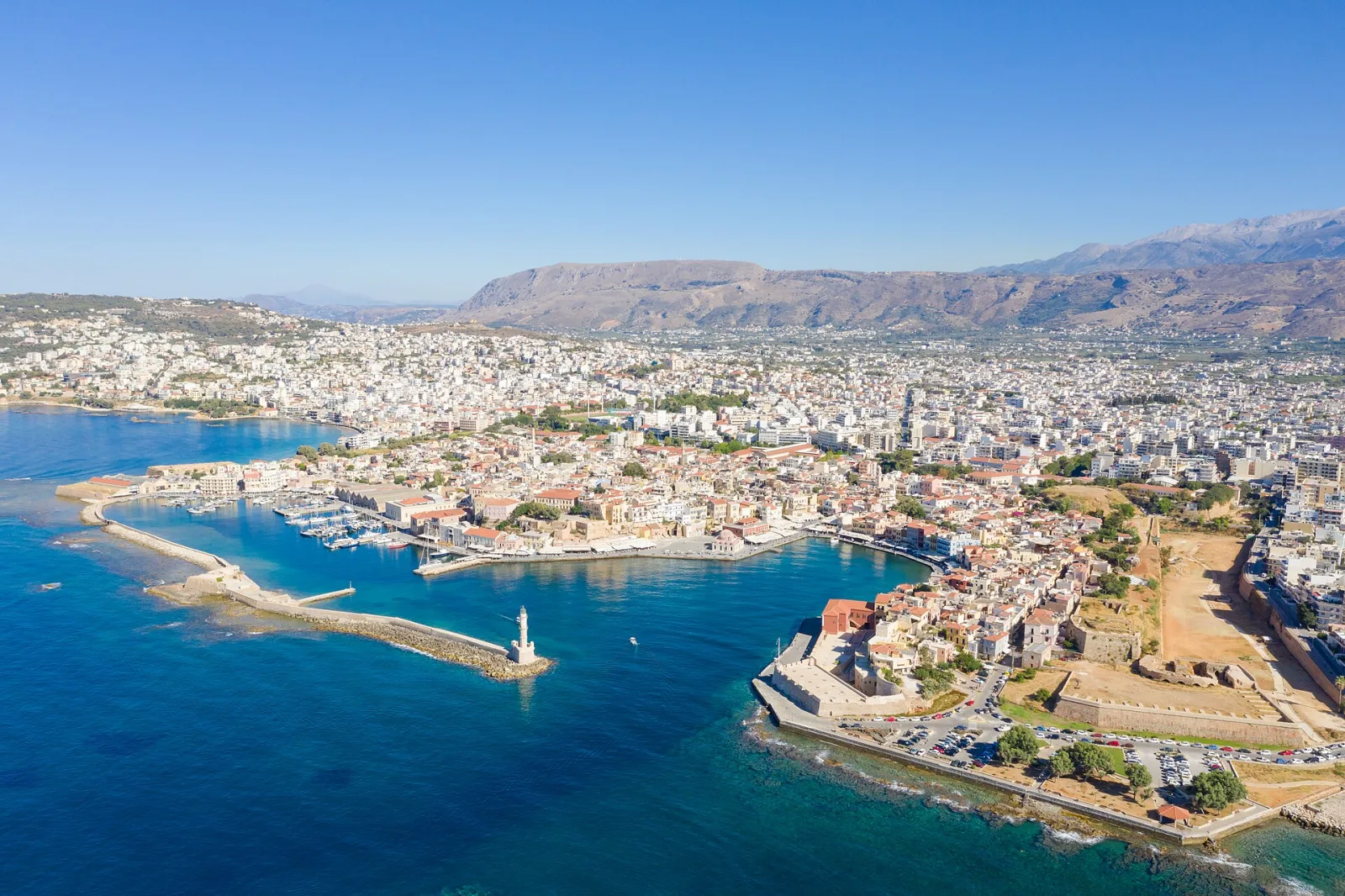
Chania is Crete's most atmospheric town, with a Venetian harbour, a lighthouse and a maze of old lanes. Here is how to make the most of it, from the town itself to the island's famous beaches.
