


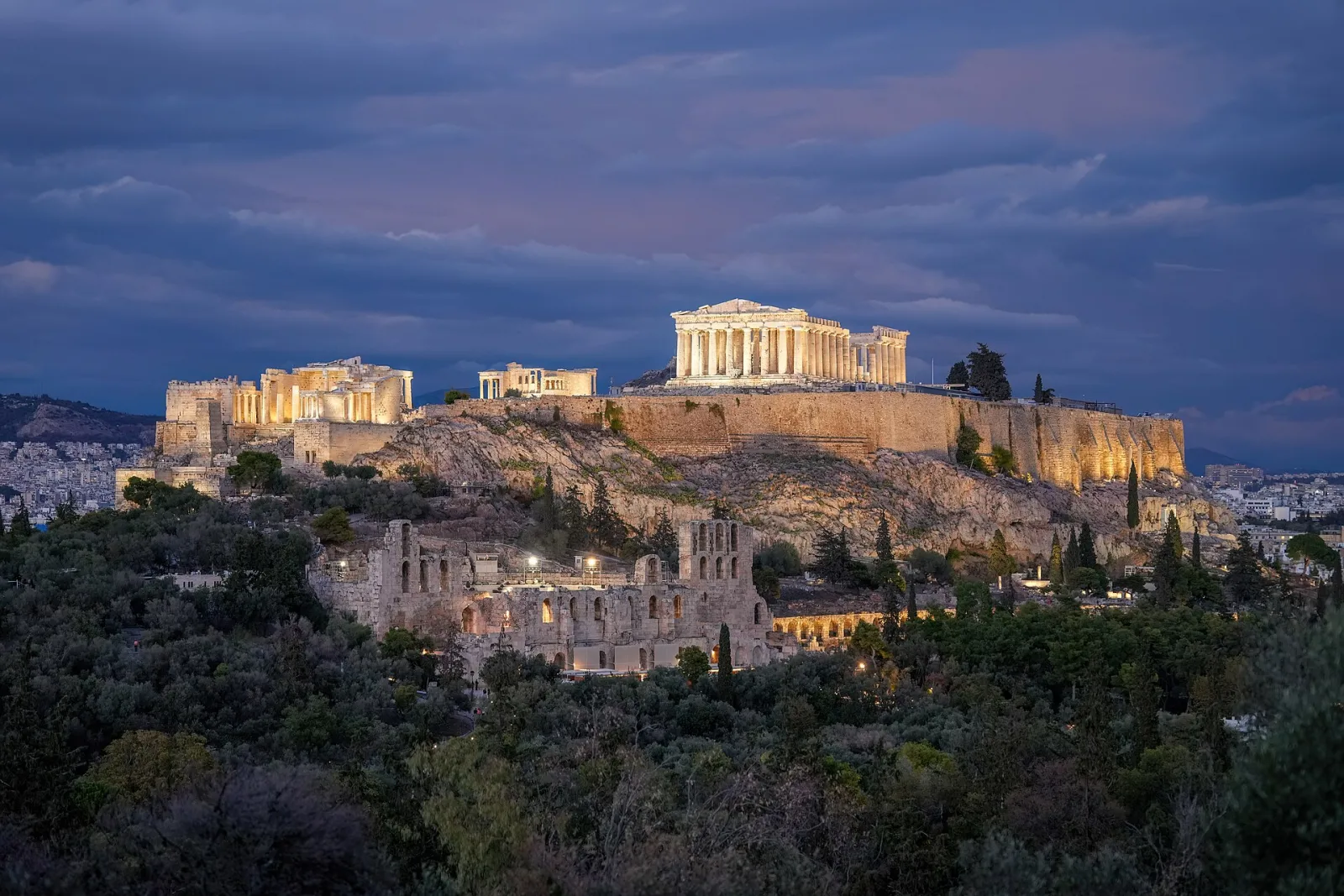
Greece's capital packs 2,500 years of history into walkable neighbourhoods. Climb to the Acropolis at opening time, lose an afternoon in Plaka and Monastiraki, then watch the sun drop behind the Parthenon from a rooftop terrace.
Highlights
- The Acropolis and Parthenon — go at opening time to beat heat and crowds
- Acropolis Museum, with its glass floors over an excavated ancient neighbourhood
- Plaka and the tiny island-style lanes of Anafiotika
- Ancient Agora and the remarkably intact Temple of Hephaestus
- National Archaeological Museum
- Sunset from Lycabettus Hill or a Monastiraki rooftop
- Day trip to the Temple of Poseidon at Cape Sounion
Most visitors give Athens a day on their way to the islands; give it three and the city rewards you. The historic centre is compact: the Acropolis, the Ancient Agora, Roman Agora and Plaka are all linked by the pedestrianised Dionysiou Areopagitou and Apostolou Pavlou walkways, so you can see the big sights on foot.
Where to start
Book a timed ticket for the Acropolis and arrive right at opening. Afterwards, head down to the Acropolis Museum, where the top-floor gallery lines up with the Parthenon itself. The combined ticket for the archaeological sites is good value if you plan to see the Agora, Kerameikos and Hadrian's Library too.

Neighbourhoods
Plaka is the postcard old town; Monastiraki has the flea market and souvlaki joints; Psyrri and Koukaki are where Athenians actually eat and drink. For something different, take the tram down to the Athens Riviera — Glyfada, Vouliagmeni and its natural spring-fed lake are less than an hour from Syntagma.
Eat like a local
Skip the touts in central Plaka and look for small tavernas and mezedopoleia in Koukaki, Pangrati and Exarchia. Try koulouri (sesame bread rings) from street vendors in the morning and finish the night with loukoumades.
☀️ Best time to visit
April–June and September–October are ideal: warm, bright and comfortable for sightseeing. July and August regularly pass 35°C, so plan the Acropolis for early morning. Winter is mild, quiet and good value for museums.
🧭 Getting there & around
Athens International Airport (ATH) is linked to the centre by metro line 3, the suburban railway and express buses (X95 to Syntagma). Ferries to the Cyclades, Crete and the Saronic islands leave from Piraeus (metro line 1 or 3), with some routes from Rafina and Lavrio. In the city, the metro is the fastest way around; most central sights are walkable.
Plan your trip to Athens
Compare prices with KAYAKYou'll be taken to KAYAK to compare prices. We may earn a commission at no extra cost to you.
Plan your trip to Athens
🏨Find hotels on Booking.comBooking.comAffiliate links — we may earn a small commission.
Deals from our travel partners
 Panathinaikos Athens vs Armani Olimpia Milano Tickets - Olympic Stadium Athens Telekom Ce…Sports Events 365 · from 271 EUR
Panathinaikos Athens vs Kirolbet Baskonia Vitoria Tickets - Olympic Stadium Athens Teleko…Sports Events 365 · from 271 EUR
Panathinaikos Athens vs FC Barcelona Lassa Tickets - Olympic Stadium Athens Telekom Cente…Sports Events 365 · from 326 EUR
Virtus Bologna vs Panathinaikos Athens Tickets - PalaDozza, 2026-11-17Sports Events 365 · from 133 EUR
Panathinaikos Athens vs Armani Olimpia Milano Tickets - Olympic Stadium Athens Telekom Ce…Sports Events 365 · from 271 EUR
Panathinaikos Athens vs Kirolbet Baskonia Vitoria Tickets - Olympic Stadium Athens Teleko…Sports Events 365 · from 271 EUR
Panathinaikos Athens vs FC Barcelona Lassa Tickets - Olympic Stadium Athens Telekom Cente…Sports Events 365 · from 326 EUR
Virtus Bologna vs Panathinaikos Athens Tickets - PalaDozza, 2026-11-17Sports Events 365 · from 133 EUR
Affiliate links — we may earn a commission at no extra cost to you.
Athens guides & articles
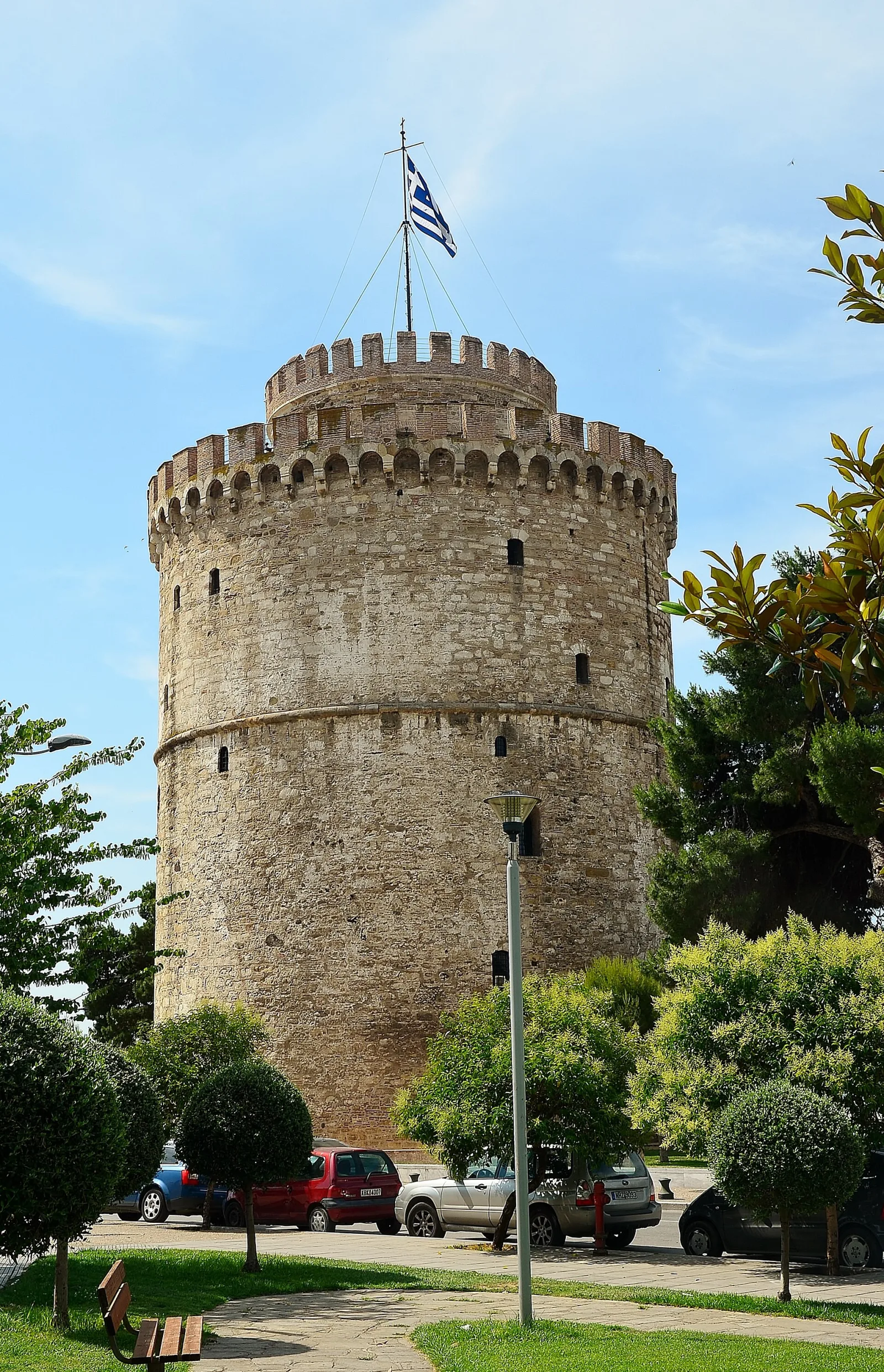
Thessaloniki in 3 Days: The Perfect Itinerary
Thessaloniki rewards slow exploring. This three-day plan covers Roman and Byzantine monuments, the waterfront, old-town lanes and the city's famously good food.
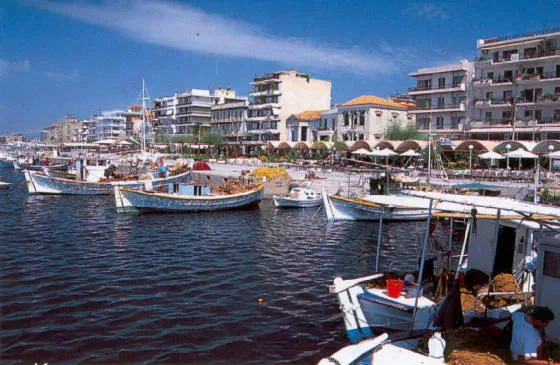
Top Things to Do in Kalamata
Kalamata is a relaxed seaside city famous for its olives, with a charming old town, a hilltop castle and a long sandy beach. It also makes an ideal base for exploring Messinia and the Mani.
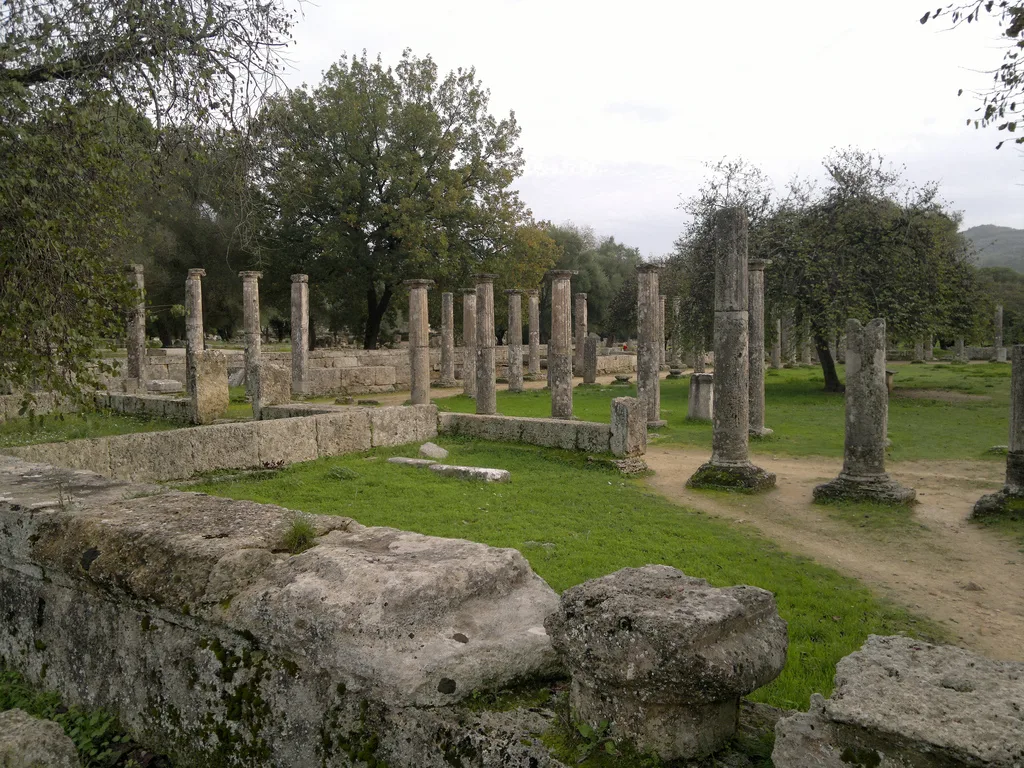
Top Things to Do in Olympia
Olympia is far more than a quick stop on a Peloponnese itinerary. Explore the sanctuary of Zeus, the ancient stadium, world-class museums and the local wine country.
Greek Coffee Houses (Kafeneia) and Their Traditions
Greece's kafeneia are far more than places to grab a coffee. Here is how these traditional gathering spots work, what to order and how to fit in.
KTEL Buses in Greece: How Long-Distance Buses Work
KTEL is the network of regional bus companies that connects Greece's towns, villages and ports. Here is how it works, and how to make the most of it.
Greek Independence Day on 25 March
Greek Independence Day on 25 March is a significant national holiday marked by vibrant parades, religious observances, and traditional culinary customs across the country.
Clean Monday in Greece
Clean Monday marks the beginning of Great Lent in Greece, celebrated with outdoor festivities, kite flying, and a traditional meat-free feast.
Domestic Flights in Greece: When to Fly Instead of Sail
Deciding between flying and sailing in Greece depends on your itinerary and travel pace. Discover the best strategies for efficient island hopping.
Learning Greek Dance: Sirtaki and Beyond
Greek dance is the heartbeat of local culture, offering a unique way to connect with the spirit of the islands and the mainland. Learn the basics of joining the circle and understanding the rhythms that define Greek celebrations.
Greece for Solo Travellers
Travelling through Greece alone offers the perfect balance of independence and warm hospitality. This guide helps you navigate the islands and mainland with ease.
Piraeus Port Guide for Ferry Travellers
Navigating Piraeus, the primary gateway to the Greek islands, requires a bit of preparation. This guide helps you transition from Athens to your ferry with confidence and ease.
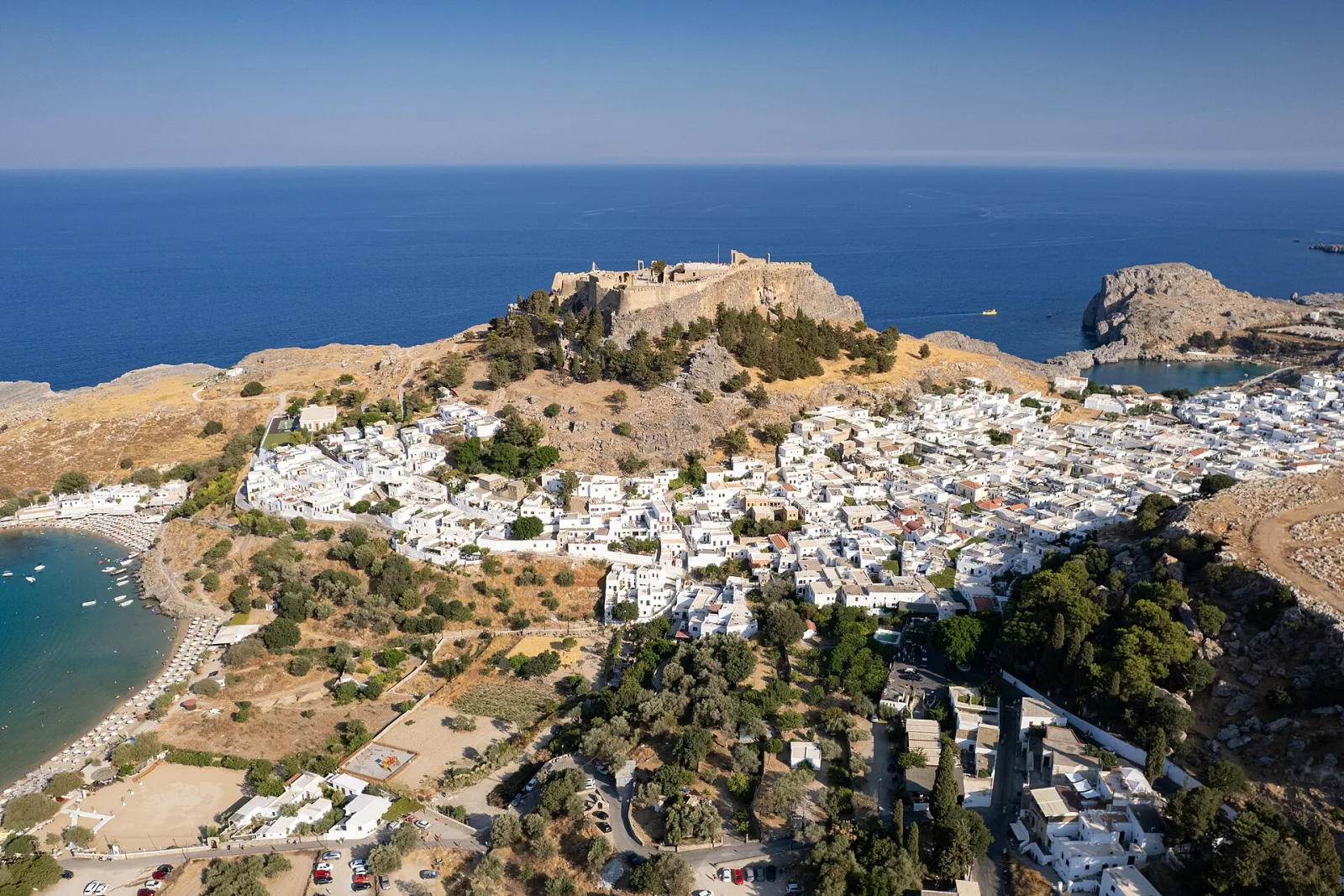
Top Things to Do in Rhodes
Rhodes is a captivating blend of medieval history and sun-drenched coastal beauty. This guide explores the must-see sights and experiences across this diverse Dodecanese destination.
