


Corfu Food: Pastitsada, Sofrito and Bourdeto
Corfu’s culinary identity is a distinct reflection of its Venetian history, blending Mediterranean ingredients with spices brought by trade routes. Discover the island's most iconic dishes.
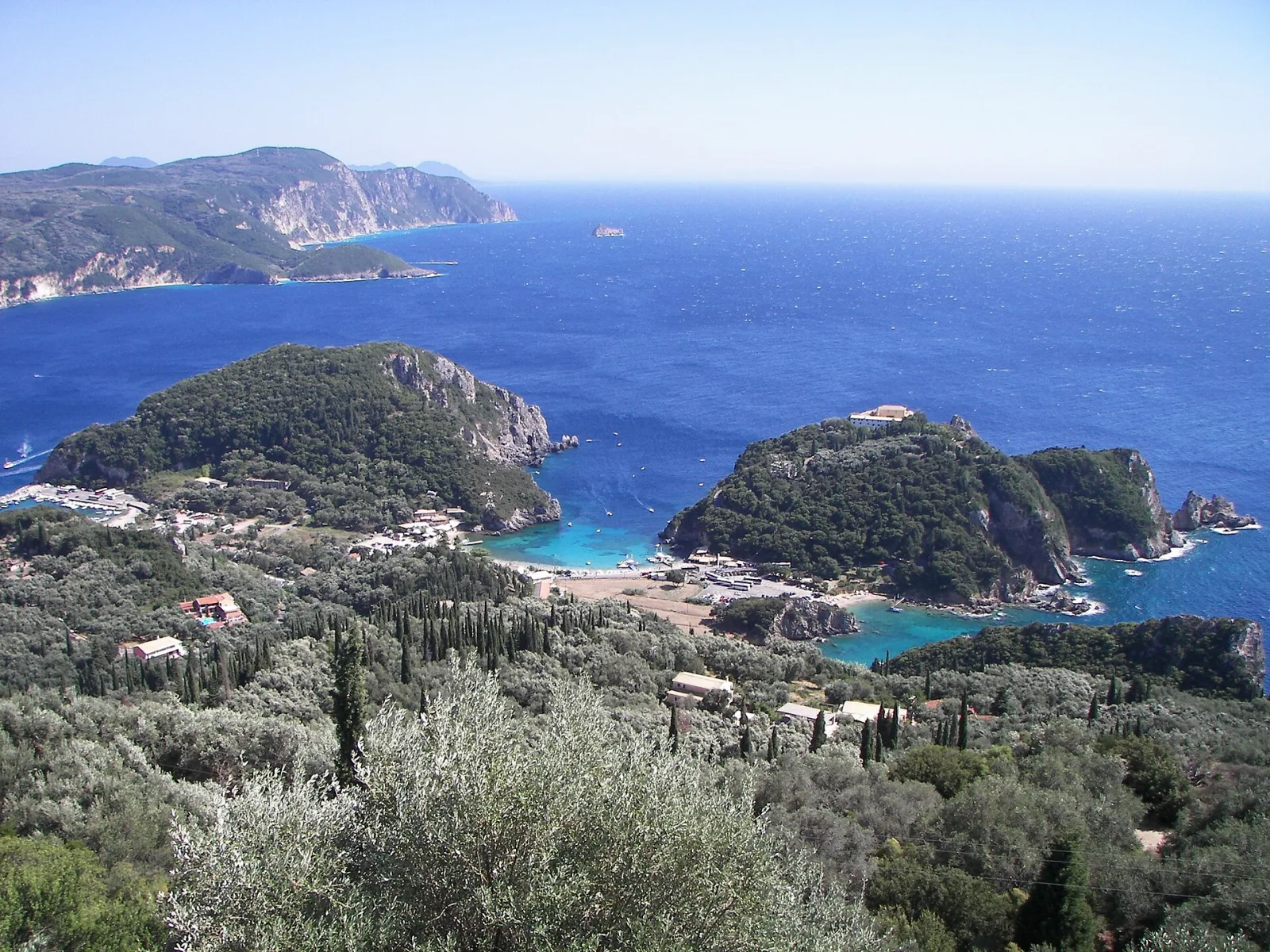
The Venetian Influence on Corfiot Cuisine
Corfu stands apart from the rest of Greece in its culinary traditions. While the typical Greek diet relies heavily on grilled meats and olive oil, the kitchen of Corfu is deeply influenced by four centuries of Venetian rule. This historical connection introduced ingredients like pasta, polenta, and a sophisticated use of spices—specifically cinnamon, cloves, and allspice—that are rarely found in the traditional cooking of the mainland or the Aegean islands. The result is a 'pastitsada' or 'sofrito' that feels more like a bridge between Italy and the Levant than a standard Greek stew.
The Holy Trinity of Corfu: Pastitsada, Sofrito, and Bourdeto
These three dishes define the island's dining culture. They are prepared with patience and are staples at family gatherings and traditional tavernas.
- Pastitsada: This is arguably the island's most famous dish. It consists of rooster or beef slow-cooked in a rich, red tomato sauce heavily spiced with cinnamon, cloves, nutmeg, and allspice. It is traditionally served over thick, hollow pasta tubes. The secret lies in the long simmering process, which allows the meat to become tender while the sauce thickens into a fragrant, aromatic glaze.
- Sofrito: A testament to the Venetian influence, this dish features thin slices of veal lightly floured and fried, then simmered in a sauce made of garlic, parsley, white wine, and vinegar. The result is a sharp, savory, and tender dish that lacks the tomato base common in other Greek stews. It is usually served with rice or fried potatoes to soak up the flavorful sauce.
- Bourdeto: If you prefer heat, this is the dish for you. Bourdeto is a classic fish stew, typically prepared with scorpion fish or other firm white fish. The base is a spicy red sauce made with sautéed onions, tomato paste, and a generous amount of hot red pepper flakes. It is a simple, rustic dish that relies on the freshness of the catch and the intensity of the spice.
Kumquat: The Island’s Signature Flavor
Beyond the savory dishes, Corfu is famous for the kumquat, a small, bitter citrus fruit brought to the island in the 19th century. Because the fruit is too sour to eat raw in large quantities, it is processed into a vibrant, bright orange liqueur. You will find it served as a digestif at the end of a meal, often chilled. It also appears in marmalades, spoon sweets, and even as a flavoring for cakes and ice cream.

Dining Culture and Where to Eat
Eating in Corfu follows the relaxed Mediterranean rhythm. Lunch is typically a late-afternoon affair, while dinner rarely starts before the sun sets. Look for traditional tavernas in the inland villages or the quiet corners of the Old Town. Avoid places with aggressive touts and instead look for establishments where the menu is short, handwritten, or displayed on a chalkboard. The best meals are often found in family-run tavernas where the 'magirefta' (cooked-in-the-pot) dishes are prepared fresh every morning. In the Old Town, the arcaded streets near the Liston are perfect for a coffee or a glass of local wine, but for a truly authentic meal, venture into the narrow 'kantounia' (alleyways) where the locals sit on small wooden chairs.
Useful Vocabulary
- Stifado: A slow-cooked stew, often with small pearl onions.
- Taverna: A traditional restaurant serving home-style food.
- Spoon sweet (Glyko tou koutaliou): A fruit preserve served in a small spoon with a glass of water.
- Krasí: Wine. Ask for the house wine, which is often sourced from local vineyards.
Practical Tips
- Check Locally: Always ask your hosts for their recommendations. They will know which tavernas are currently serving the best seasonal produce or the freshest catch of the day.
- Transportation: While the green KTEL buses connect major towns, renting a small car or scooter is the most efficient way to reach the traditional tavernas tucked away in the hills of the north or the south.
- Reservations: During the peak summer months, popular tavernas in the Old Town or popular seaside villages can fill up quickly. It is wise to check locally about whether a reservation is needed for dinner.
- Water: While tap water is generally safe, most locals and visitors prefer bottled water for drinking.
- Tipping: Tipping is appreciated in Greece. While not mandatory, leaving a small amount if you are pleased with the service is standard practice.
Plan your trip to Corfu
Compare prices with KAYAKYou'll be taken to KAYAK to compare prices. We may earn a commission at no extra cost to you.
Plan your trip to Corfu
🏨Find hotels on Booking.comBooking.comAffiliate links — we may earn a small commission.
Deals from our travel partners
 PAOK Thessaloniki vs BC Lietkabelis Tickets - PAOK Arena, 2026-12-19Sports Events 365 · from 102 EUR
PAOK Thessaloniki vs Balkan Botevgrad Tickets - PAOK Arena, 2027-01-13Sports Events 365 · from 102 EUR
Olympiacos Pireus vs Bayern Munich Tickets - Peace & Friendship Stadium, 2027-02-05Sports Events 365 · from 120 EUR
PAOK Thessaloniki vs Ratiopharm Ulm Tickets - PAOK Arena, 2026-10-21Sports Events 365 · from 102 EUR
PAOK Thessaloniki vs BC Lietkabelis Tickets - PAOK Arena, 2026-12-19Sports Events 365 · from 102 EUR
PAOK Thessaloniki vs Balkan Botevgrad Tickets - PAOK Arena, 2027-01-13Sports Events 365 · from 102 EUR
Olympiacos Pireus vs Bayern Munich Tickets - Peace & Friendship Stadium, 2027-02-05Sports Events 365 · from 120 EUR
PAOK Thessaloniki vs Ratiopharm Ulm Tickets - PAOK Arena, 2026-10-21Sports Events 365 · from 102 EUR
Affiliate links — we may earn a commission at no extra cost to you.
Related guides

Greece on a Honeymoon: Romantic Destinations
Greece offers an unparalleled backdrop for a romantic getaway, blending ancient history with breathtaking coastal scenery. From serene island sunsets to mountain escapes, here is how to plan your dream honeymoon.
Top Things to Do in Corfu
Corfu offers a unique blend of Venetian architecture, lush landscapes, and crystal-clear Ionian waters. Explore this comprehensive guide to the island's top sights and experiences.
What to Eat in Ithaca: A Local Food Guide
Ithaca offers a culinary landscape defined by the Ionian Sea and its rugged, mountainous terrain. Discover the local specialties that make every meal a tribute to the island's heritage.
