


Cretan Raki (Tsikoudia): Tradition, Distilling Season and Etiquette
Cretan raki, or tsikoudia, is more than just a local spirit; it is the lifeblood of Cretan hospitality. Learn the rituals and traditions behind this iconic drink.
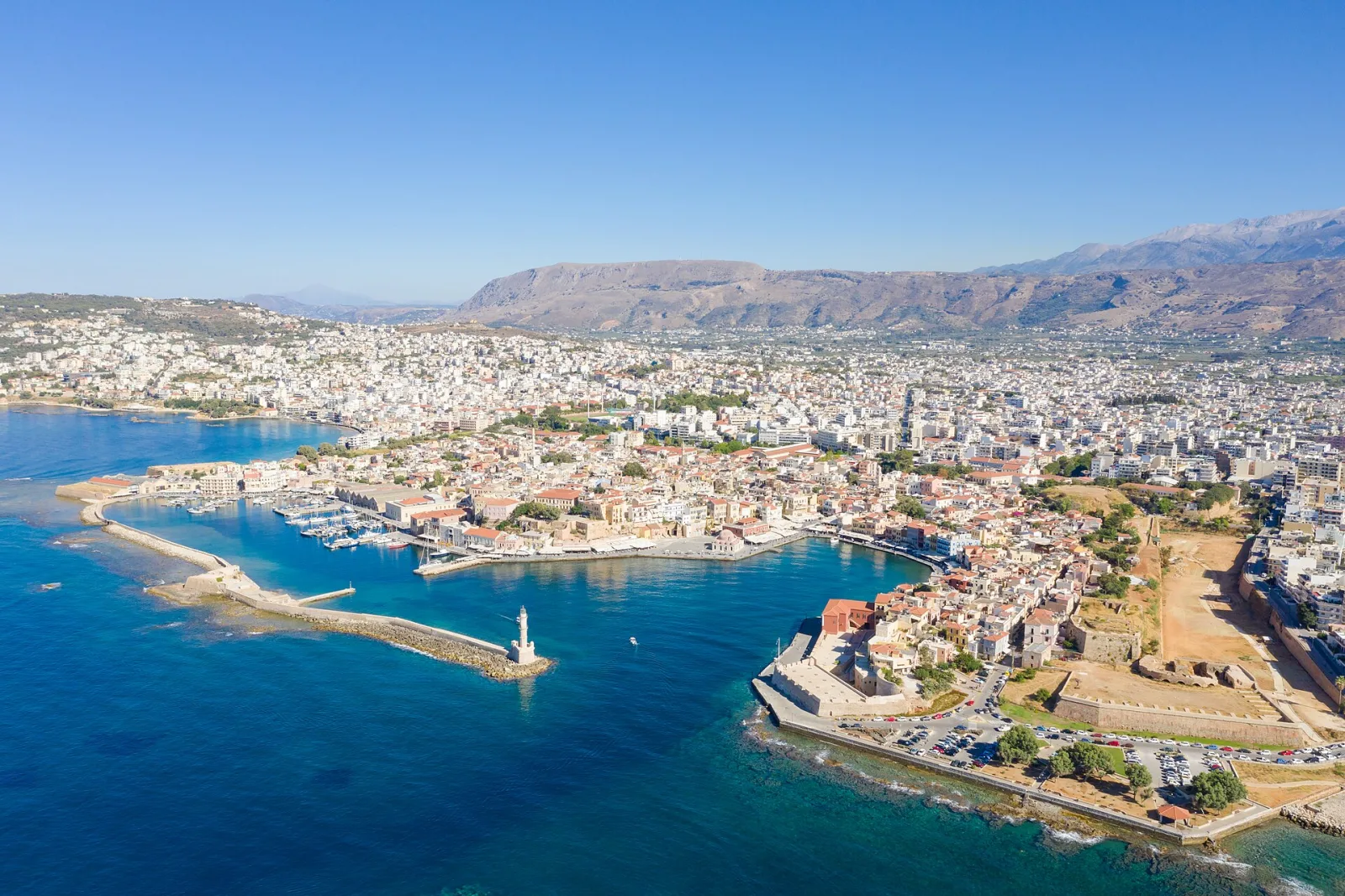
The Essence of Cretan Hospitality
In Crete, the offering of a glass of raki—also known locally as tsikoudia—is the universal sign of welcome. It is a potent, clear grape-based brandy that serves as the island’s unofficial cultural ambassador. Unlike the anise-flavored ouzo found elsewhere in Greece, authentic Cretan raki is pure, distilled from the fermented skins, seeds, and stems of grapes left over after the winemaking process. This residue, known as pomace or staphylia, is the soul of the drink, resulting in a clean, sharp spirit that reflects the rugged character of the Cretan landscape.
The Distilling Season: The Rakokazana
The arrival of autumn signals the start of the rakokazana, the seasonal distillation process that turns the countryside into a hub of social activity. Once the grape harvest is complete and the wine is pressed, the remaining pomace is collected and placed into large copper stills. These stills are fired up in community-run facilities, often accompanied by music, dancing, and elaborate feasts. The rakokazana is a vital social ritual; it is a time for neighbors to gather, share food, and celebrate the season’s bounty. The process is strictly regulated, and producers must hold specific permits to operate these stills during the designated autumn window. The first run of the season, often called protoraki, is considered especially precious and is typically shared among family and friends.
How to Drink Raki Like a Local
Raki is rarely consumed in isolation. In the Cretan tradition, drinking is inextricably linked to eating. It is almost always served alongside small plates of mezedes—olives, rusks, local cheeses like graviera or mizithra, nuts, or fresh fruit. The spirit acts as a digestive aid and is commonly enjoyed after a heavy meal, though it is just as likely to appear at the start of a gathering as a gesture of hospitality.

When drinking raki, it is customary to sip it slowly. While it is a strong spirit, it is meant to be savored rather than downed in one go. If you are invited to a table, expect the bottle to be placed in the center; the host or the person closest to the bottle will ensure glasses remain filled. It is considered polite to acknowledge the gesture with a nod or a simple phrase.
Understanding the Etiquette
- Always pair your glass with food. Drinking raki on an empty stomach is discouraged and considered poor form.
- The term 'tsikoudia' is preferred in many parts of Crete, especially in the western regions like Chania and Rethymno, while 'raki' is widely understood and used across the island.
- If you are offered a glass by a shopkeeper or a host, it is polite to accept, even if you only take a small sip. Refusing a gesture of hospitality can be seen as rejecting the connection being offered.
- When clinking glasses, look the other person in the eye. It is a sign of sincerity and respect.
Where to Find Authentic Raki
You will find raki in almost every traditional taverna and kafenio (coffee house) across Crete. Look for establishments that emphasize local ingredients and traditional cooking. In the mountain villages, the product is often homemade and highly prized for its purity. While many tourist-oriented shops sell bottled versions, the most authentic experience is found in the small, family-run tavernas where the owner may even offer a glass from their own family’s production. If you are visiting during the autumn months, you may even smell the distinct, pungent aroma of the distillation process as you drive through the rural interior of the island.
Practical Tips for Travelers
- Check locally regarding the current season if you are hoping to witness a distillation, as the timing can vary slightly based on the harvest.
- When ordering, simply ask for a 'raki' or 'tsikoudia'. It is usually served in a small carafe or a chilled glass.
- If you are driving, remember that the spirit is potent; always exercise caution and moderation.
- Common Greek phrases to use include 'Stin igia mas!' (To our health!), which is the standard toast when clinking glasses.
- If you are purchasing a bottle to take home, look for labels that indicate it was produced by a local Cretan distillery.
Plan your trip to Chania
Compare prices with KAYAKYou'll be taken to KAYAK to compare prices. We may earn a commission at no extra cost to you.
Plan your trip to Chania
🏨Find hotels on Booking.comBooking.comAffiliate links — we may earn a small commission.
Deals from our travel partners
 PAOK Thessaloniki vs Balkan Botevgrad Tickets - PAOK Arena, 2027-01-13Sports Events 365 · from 102 EUR
Olympiacos Pireus vs Paris Basketball Tickets - Peace & Friendship Stadium, 2027-01-15Sports Events 365 · from 130 EUR
PAOK Thessaloniki vs BC Lietkabelis Tickets - PAOK Arena, 2026-12-19Sports Events 365 · from 102 EUR
Olympiacos Pireus vs Real Madrid Tickets - Ano Liosia Olympic Hall, 2026-11-20Sports Events 365 · from 162 EUR
PAOK Thessaloniki vs Balkan Botevgrad Tickets - PAOK Arena, 2027-01-13Sports Events 365 · from 102 EUR
Olympiacos Pireus vs Paris Basketball Tickets - Peace & Friendship Stadium, 2027-01-15Sports Events 365 · from 130 EUR
PAOK Thessaloniki vs BC Lietkabelis Tickets - PAOK Arena, 2026-12-19Sports Events 365 · from 102 EUR
Olympiacos Pireus vs Real Madrid Tickets - Ano Liosia Olympic Hall, 2026-11-20Sports Events 365 · from 162 EUR
Affiliate links — we may earn a commission at no extra cost to you.
Related guides
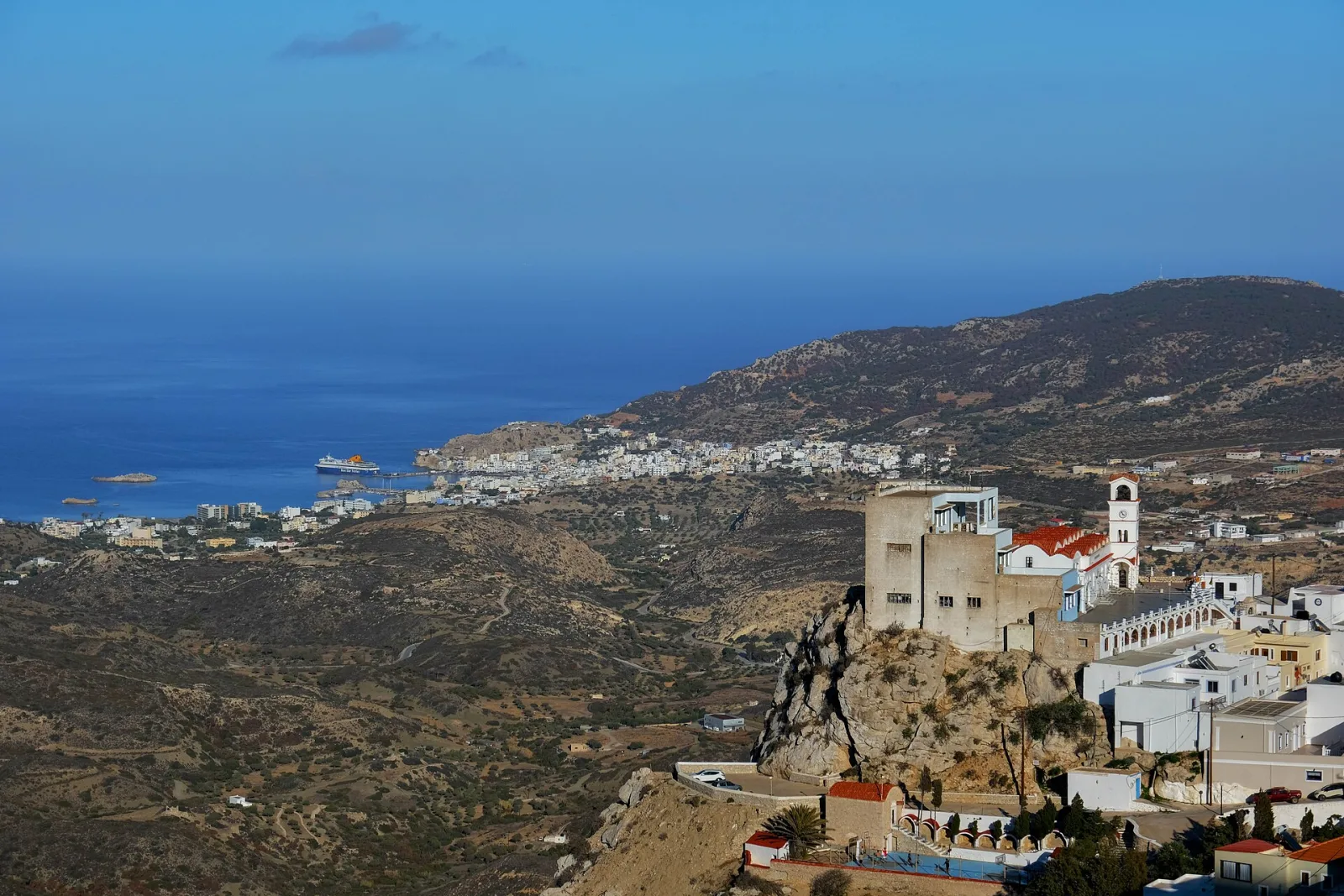
Top Things to Do in Karpathos
Rugged, unhurried and full of character, Karpathos rewards travellers who venture beyond the port. Here are the experiences worth planning your days around.
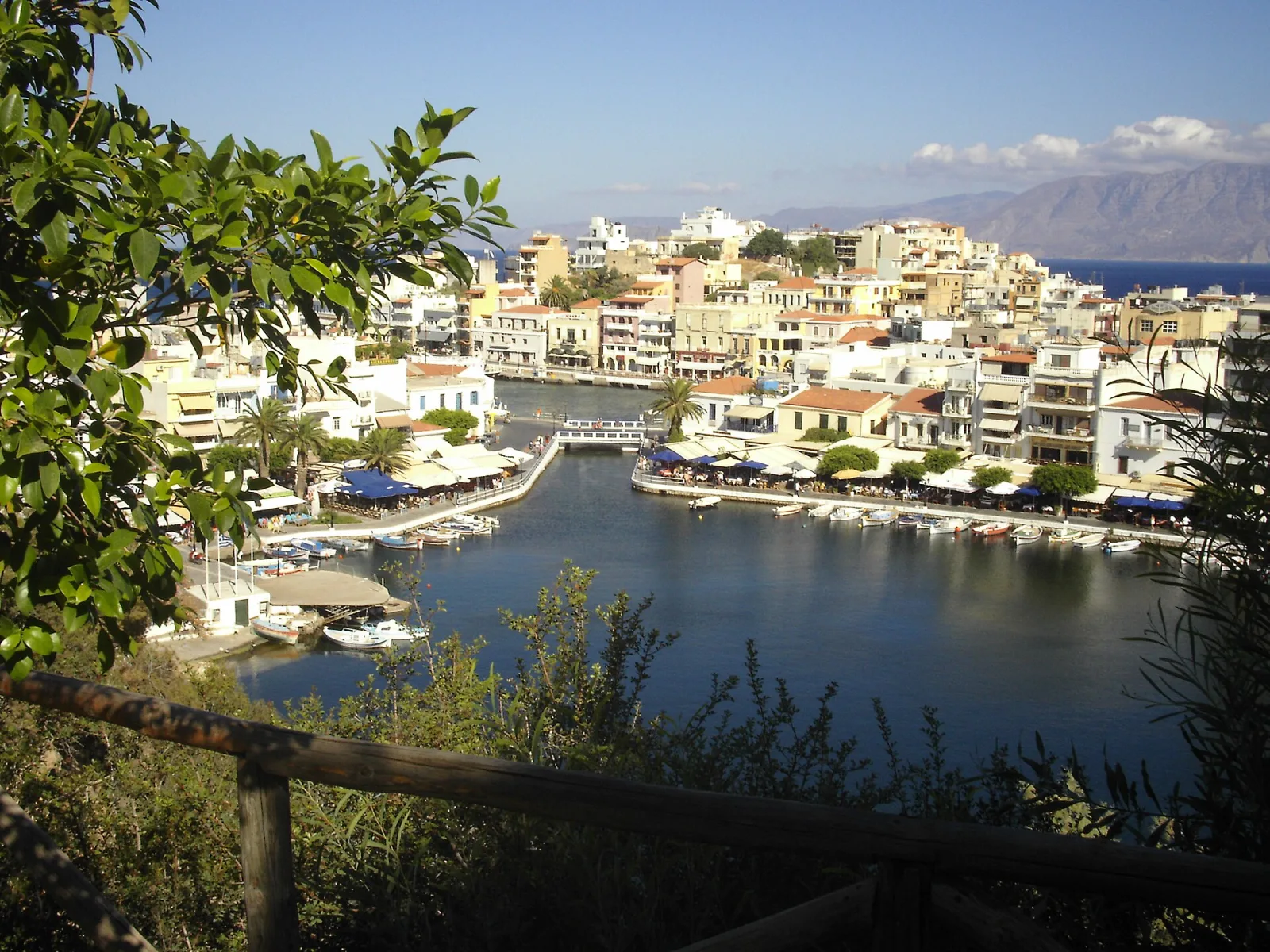
Top Things to Do in Agios Nikolaos
Agios Nikolaos is one of Crete's most appealing seaside towns, built around a small lake and within easy reach of Spinalonga, Elounda and the mountains.
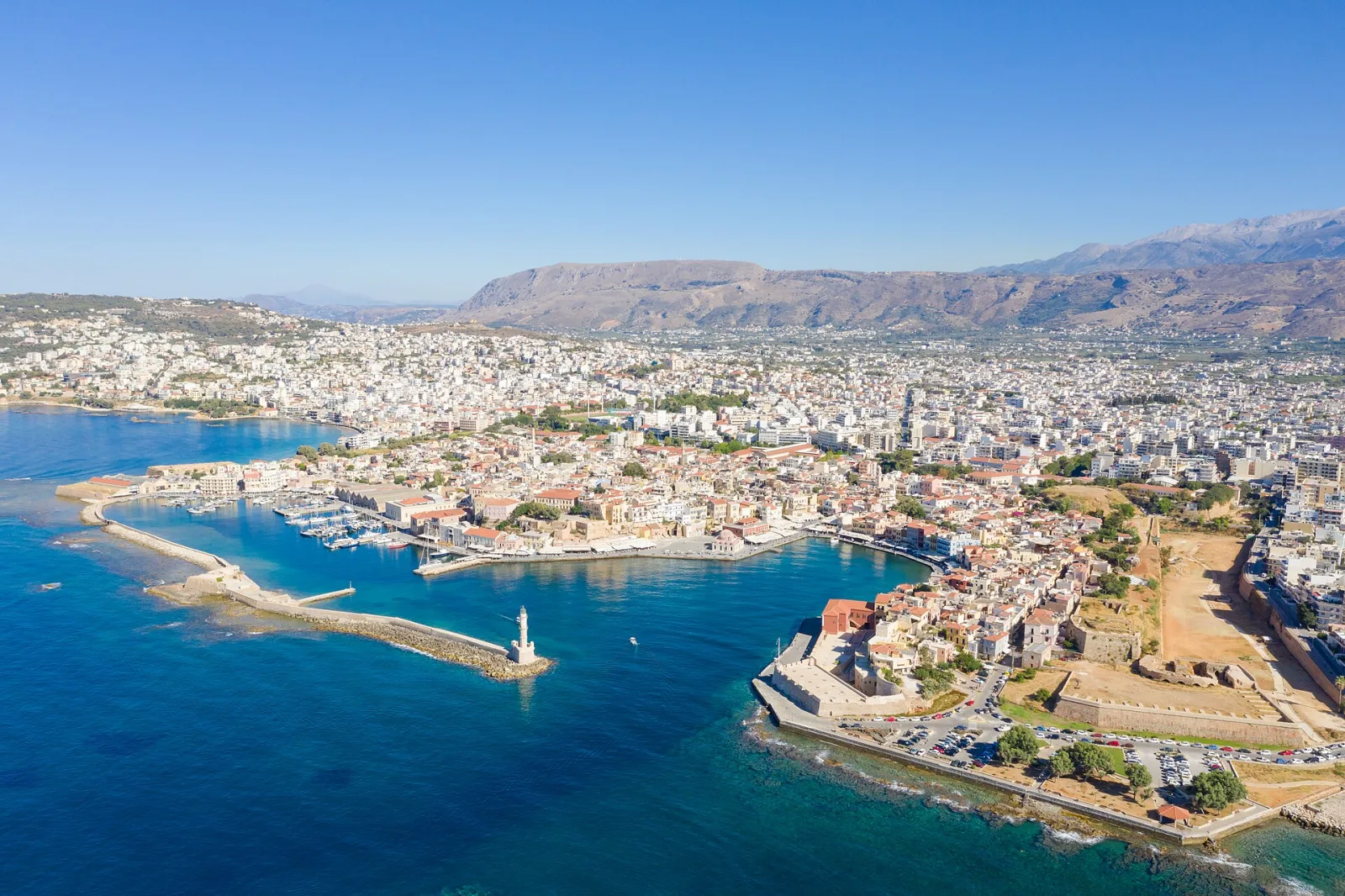
Top Things to Do in Chania
Chania is Crete's most atmospheric town, with a Venetian harbour, a lighthouse and a maze of old lanes. Here is how to make the most of it, from the town itself to the island's famous beaches.
