


Eating on Mykonos: Kopanisti, Louza and Island Tavernas
Beyond the glamour of the beach clubs, Mykonos offers a distinct culinary tradition rooted in the rugged Cycladic landscape. Discover the unique flavors of kopanisti and louza in local tavernas.

The Culinary Soul of Mykonos
While Mykonos is globally recognized for its vibrant nightlife and cosmopolitan energy, the island maintains a deep-rooted culinary heritage. Away from the high-energy beach bars, the traditional food of Mykonos reflects the harsh, wind-swept environment of the Cyclades. Local ingredients are shaped by the sea and the dry climate, resulting in intense, preserved flavors that have sustained the island population for generations.
The Icons: Kopanisti and Louza
Two products define the Mykonian palate: kopanisti and louza. Understanding these is essential for any visitor looking to move beyond standard tourist fare.
- Kopanisti: This is a spicy, fermented cheese made from cow, goat, or sheep milk. It is aged until it develops a creamy yet sharp, peppery texture. It is often served as a meze alongside ouzo or tsipouro. Because of its intense flavor, it is usually spread thinly on toasted bread or a local barley rusk, sometimes topped with slices of fresh tomato or cucumber to balance the heat.
- Louza: This is the island’s signature cured meat. Made from pork loin, the meat is seasoned with a specific blend of spices, including savory, pepper, and cloves, then marinated in red wine. After being stuffed into a natural casing, it is hung to dry in the cool, salty island air. It is typically sliced paper-thin, revealing a deep red color, and served as part of an appetizer platter.
Traditional Taverna Dining
To experience the best of Mykonian food, look for family-run tavernas located in the quieter corners of Chora or in the inland village of Ano Mera. These establishments often source their produce from local farmers and maintain recipes passed down through families. When ordering, look for dishes that utilize seasonal vegetables, such as courgette fritters (kolokithokeftedes) or salads featuring the local, sun-dried tomatoes.

Dining here is a social affair. Locals typically eat late, especially during the summer months when the heat of the day has subsided. Starting a meal with a selection of mezedes—small plates designed for sharing—is the standard approach. This allows you to sample the kopanisti, some local olives, and perhaps a plate of wild greens (horta) dressed simply with lemon and olive oil.
The Influence of the Sea
Given its geography, fresh fish and seafood are staples, though they are often prepared simply. Grilled octopus, salted sardines, and small fried fish are common sights on menus. In traditional tavernas, the focus is on the quality of the catch rather than heavy sauces. If you are visiting the northern coast, where the winds are stronger, you will find tavernas that specialize in rustic, hearty dishes that pair perfectly with a glass of crisp, dry white wine from the Cycladic region.
Useful Vocabulary for the Table
- Mezedes: Small plates or appetizers meant for sharing.
- Ouzo: The classic anise-flavored spirit, traditionally diluted with water and served with ice.
- Krasí: Wine. Ask for the house wine (hima) to try local varieties.
- Psomí: Bread, which is almost always served at the start of a meal.
- Ntakos: A traditional rusk-based salad, often topped with kopanisti or mizithra cheese and tomatoes.
- Efcharistó: Thank you, a simple word that is always appreciated by hosts.
Practical Tips for Foodies
- Look for the inland: Head to the village of Ano Mera to find more traditional, family-oriented tavernas that offer a quieter atmosphere compared to the coastal hubs.
- Ask for the daily special: Many tavernas have a chalkboard or a verbal list of dishes based on what was available at the market that morning. These are almost always the freshest options.
- Respect the pace: Service in traditional Greek tavernas is intended to be unhurried. Do not be surprised if you are not rushed to pay the bill; simply signal the waiter when you are ready.
- Check local sourcing: If you are interested in local products like louza, ask your host if they source it from local producers. Many tavernas take pride in the specific origin of their cured meats and cheeses.
- Hydration: While local wine is excellent, always keep bottled water on the table, especially during the peak of the summer heat.
- Reservations: During the height of the summer season, it is wise to check locally about reservation requirements for popular tavernas, especially those with sunset views or specific regional reputations.
Plan your trip to Mykonos
Compare prices with KAYAKYou'll be taken to KAYAK to compare prices. We may earn a commission at no extra cost to you.
Plan your trip to Mykonos
🏨Find hotels on Booking.comBooking.comAffiliate links — we may earn a small commission.
Deals from our travel partners
 PAOK Thessaloniki vs Balkan Botevgrad Tickets - PAOK Arena, 2027-01-13Sports Events 365 · from 102 EUR
Aris Thessaloniki vs Rostock Tickets - Nick Galis Hall, 2026-12-22Sports Events 365 · from 102 EUR
PAOK Thessaloniki vs BC Lietkabelis Tickets - PAOK Arena, 2026-12-19Sports Events 365 · from 102 EUR
PAOK Thessaloniki vs Ratiopharm Ulm Tickets - PAOK Arena, 2026-10-21Sports Events 365 · from 102 EUR
PAOK Thessaloniki vs Balkan Botevgrad Tickets - PAOK Arena, 2027-01-13Sports Events 365 · from 102 EUR
Aris Thessaloniki vs Rostock Tickets - Nick Galis Hall, 2026-12-22Sports Events 365 · from 102 EUR
PAOK Thessaloniki vs BC Lietkabelis Tickets - PAOK Arena, 2026-12-19Sports Events 365 · from 102 EUR
PAOK Thessaloniki vs Ratiopharm Ulm Tickets - PAOK Arena, 2026-10-21Sports Events 365 · from 102 EUR
Affiliate links — we may earn a commission at no extra cost to you.
Related guides
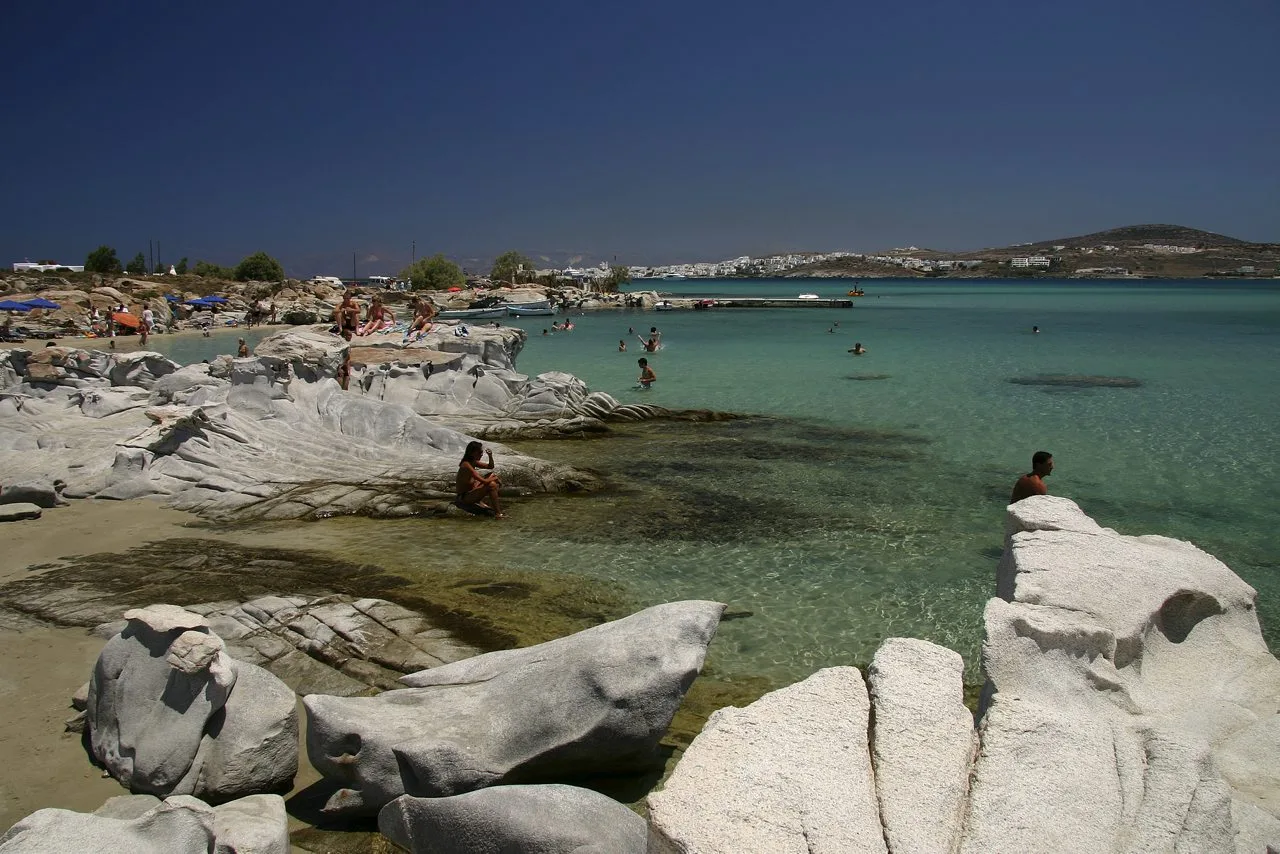
Top Things to Do in Paros
From whitewashed harbours and Venetian forts to sculpted rock beaches and mountain villages, Paros rewards travellers who look beyond the postcard. Here are the experiences worth planning around.

Is Greece Expensive? A Realistic Look at Costs
Navigating the costs of a Greek holiday requires balancing popular hotspots with mainland alternatives. This guide breaks down how to manage your budget effectively.
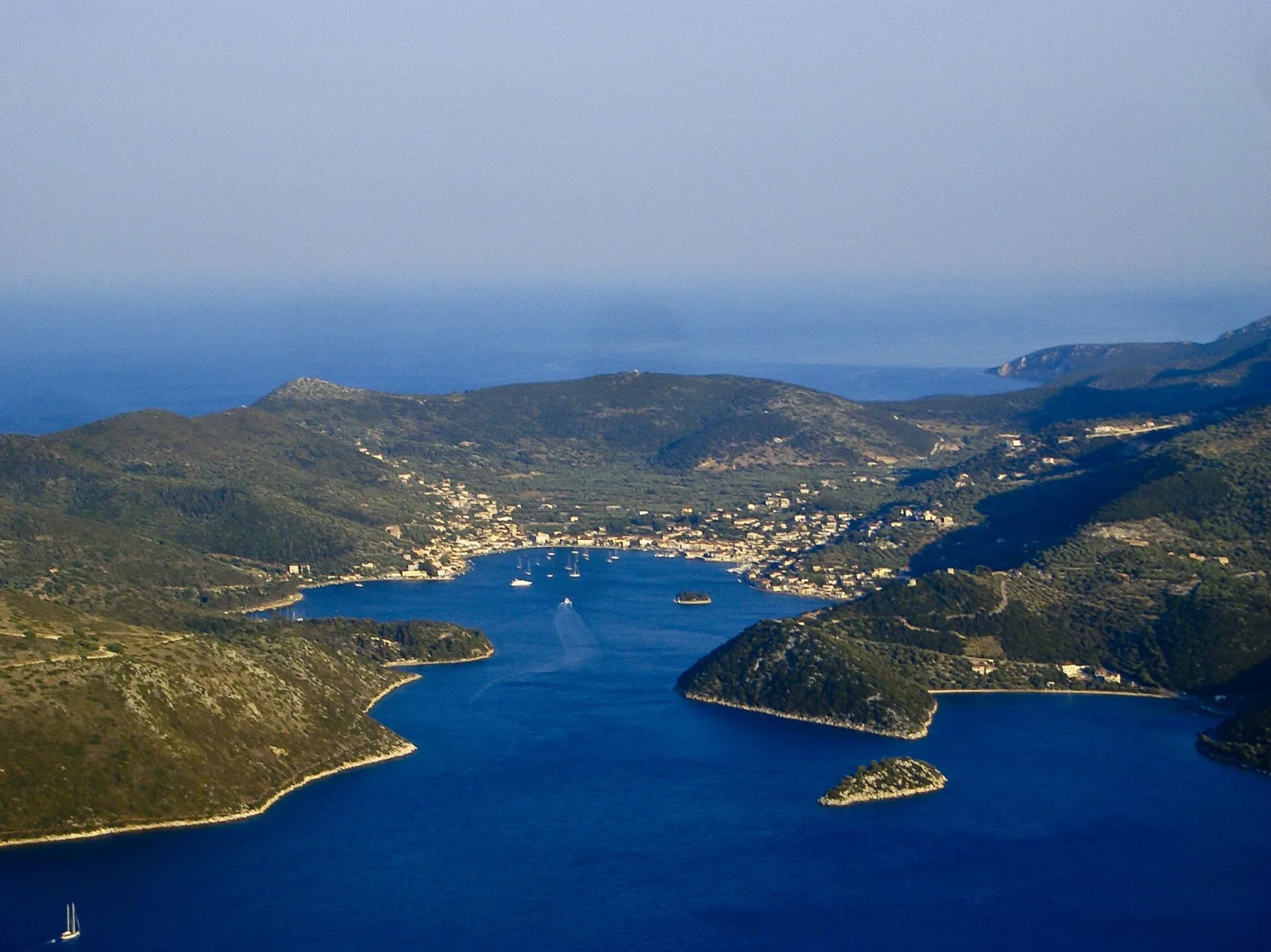
What to Eat in Ithaca: A Local Food Guide
Ithaca offers a culinary landscape defined by the Ionian Sea and its rugged, mountainous terrain. Discover the local specialties that make every meal a tribute to the island's heritage.
