


Frappé, Freddo Espresso and Freddo Cappuccino: Ordering Coffee in Greece
Coffee culture is the heartbeat of Greek social life. Learn the differences between the Frappé, Freddo Espresso, and Freddo Cappuccino to order like a local.
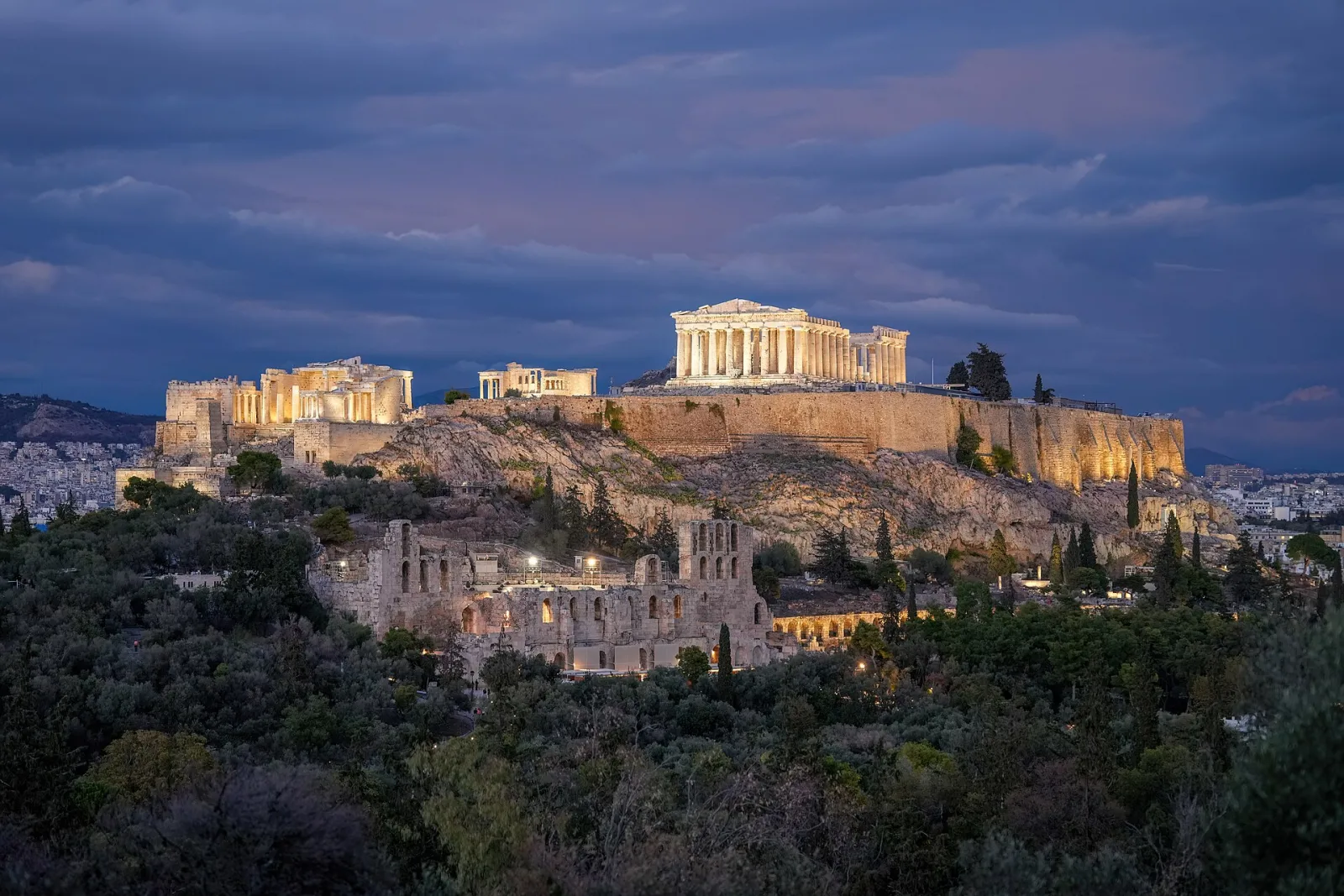
The Greek Coffee Ritual
Coffee in Greece is far more than a caffeine fix; it is a social ritual that defines the rhythm of the day. Whether you are sitting in a bustling city square or a quiet village kafeneio, the coffee culture here is inclusive, relaxed, and deeply ingrained in daily life. Understanding the menu is essential for any traveller wanting to blend in and enjoy the local experience.
The Frappé: An Iconic Classic
The Frappé is arguably the most famous Greek coffee invention. Created by accident in the mid-20th century, it has become a symbol of Greek summer leisure. It is made from instant coffee, water, sugar, and optional evaporated milk, all shaken vigorously until a thick, frothy foam forms. Served in a tall glass with ice and a straw, it is designed to be sipped slowly over the course of an hour or more.
- Sketos: No sugar.
- Metrios: Medium sugar.
- Glykos: Very sweet.
When ordering, you must specify the sweetness level, as it is difficult to adjust once the drink is prepared. If you want milk, simply ask for it with milk.

The Rise of the Freddo
In recent years, the Freddo has overtaken the Frappé in popularity, particularly among younger generations and urban dwellers. These drinks are made using high-quality espresso machines, resulting in a smoother, more refined flavour profile.
Freddo Espresso
This is a double shot of espresso blended with ice in a mixer, then poured over fresh ice cubes. It is clean, intense, and refreshing. It is often served with a touch of sugar blended in, though you can request it without.
Freddo Cappuccino
Essentially a Freddo Espresso topped with a thick layer of cold, aerated milk foam. The contrast between the bitter, chilled coffee and the creamy, slightly sweet milk foam is what makes this drink a favourite. It is rarely stirred; instead, you drink through the foam to reach the coffee below.
Traditional Greek Coffee
For those interested in history, the traditional Greek coffee (ellinikos kafes) is a must-try. It is brewed in a small, long-handled pot called a briki and served in a small cup. The coffee is ground to a fine powder and boiled with water and sugar. It is served with the grounds still inside, which settle at the bottom of the cup. It is customary to wait a few moments for the grounds to settle before drinking, and you should stop once you reach the sludge at the bottom.
How to Order Like a Local
When you approach a cafe, the staff will usually ask how you would like your coffee. Be prepared to state the type of coffee followed by the sweetness. For example, a common order would be 'Freddo Espresso, metrios' (Freddo Espresso, medium sweet). If you are ordering a traditional Greek coffee, you can also specify how you like it brewed, though 'metrios' is the standard starting point.
Practical Tips for Coffee Lovers
- Where to drink: You will find coffee shops everywhere, from modern urban cafes to traditional village squares. In larger cities, cafes often transform into bars as the sun sets.
- Takeaway culture: Greece has a thriving takeaway coffee culture. Most cafes offer a quick service window or counter for those on the move.
- Water: It is standard practice in Greece to serve a glass of cold water alongside any coffee order. Always accept it, as it is a welcome refreshment in the Mediterranean heat.
- Check locally: While the core menu remains the same across the country, some regions may have specific variations or local bean roasts. Always feel free to ask your server for a recommendation based on what is popular that day.
- Vocabulary: Keep 'parakalo' (please) and 'efcharisto' (thank you) handy. Knowing the basic sweetness levels (sketos, metrios, glykos) will make your ordering process seamless.
Plan your trip to Athens
Compare prices with KAYAKYou'll be taken to KAYAK to compare prices. We may earn a commission at no extra cost to you.
Plan your trip to Athens
🏨Find hotels on Booking.comBooking.comAffiliate links — we may earn a small commission.
Deals from our travel partners
 Panathinaikos Athens vs Armani Olimpia Milano Tickets - Olympic Stadium Athens Telekom Ce…Sports Events 365 · from 271 EUR
Panathinaikos Athens vs Kirolbet Baskonia Vitoria Tickets - Olympic Stadium Athens Teleko…Sports Events 365 · from 271 EUR
Panathinaikos Athens vs FC Barcelona Lassa Tickets - Olympic Stadium Athens Telekom Cente…Sports Events 365 · from 326 EUR
Virtus Bologna vs Panathinaikos Athens Tickets - PalaDozza, 2026-11-17Sports Events 365 · from 133 EUR
Panathinaikos Athens vs Armani Olimpia Milano Tickets - Olympic Stadium Athens Telekom Ce…Sports Events 365 · from 271 EUR
Panathinaikos Athens vs Kirolbet Baskonia Vitoria Tickets - Olympic Stadium Athens Teleko…Sports Events 365 · from 271 EUR
Panathinaikos Athens vs FC Barcelona Lassa Tickets - Olympic Stadium Athens Telekom Cente…Sports Events 365 · from 326 EUR
Virtus Bologna vs Panathinaikos Athens Tickets - PalaDozza, 2026-11-17Sports Events 365 · from 133 EUR
Affiliate links — we may earn a commission at no extra cost to you.
Related guides
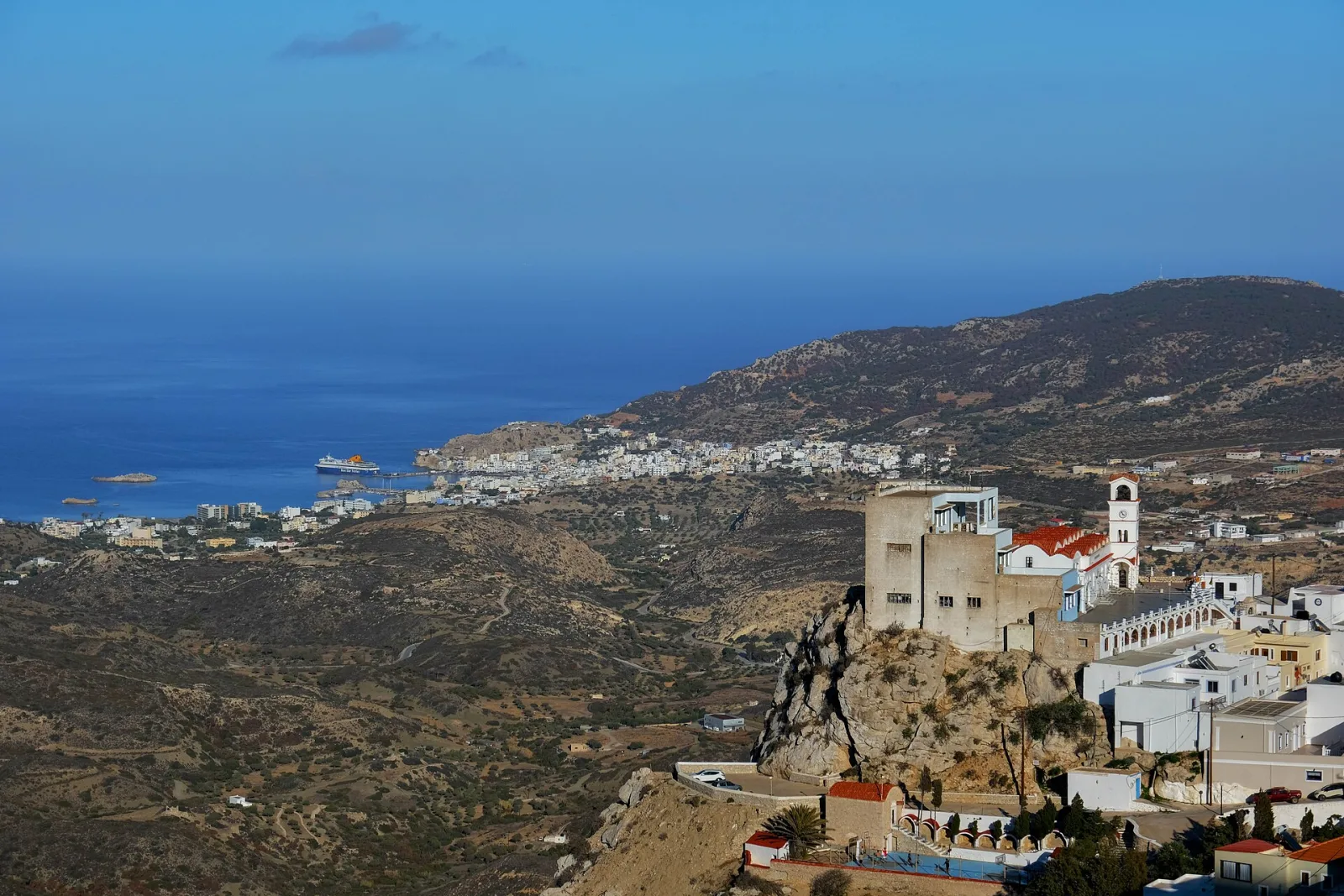
Top Things to Do in Karpathos
Rugged, unhurried and full of character, Karpathos rewards travellers who venture beyond the port. Here are the experiences worth planning your days around.
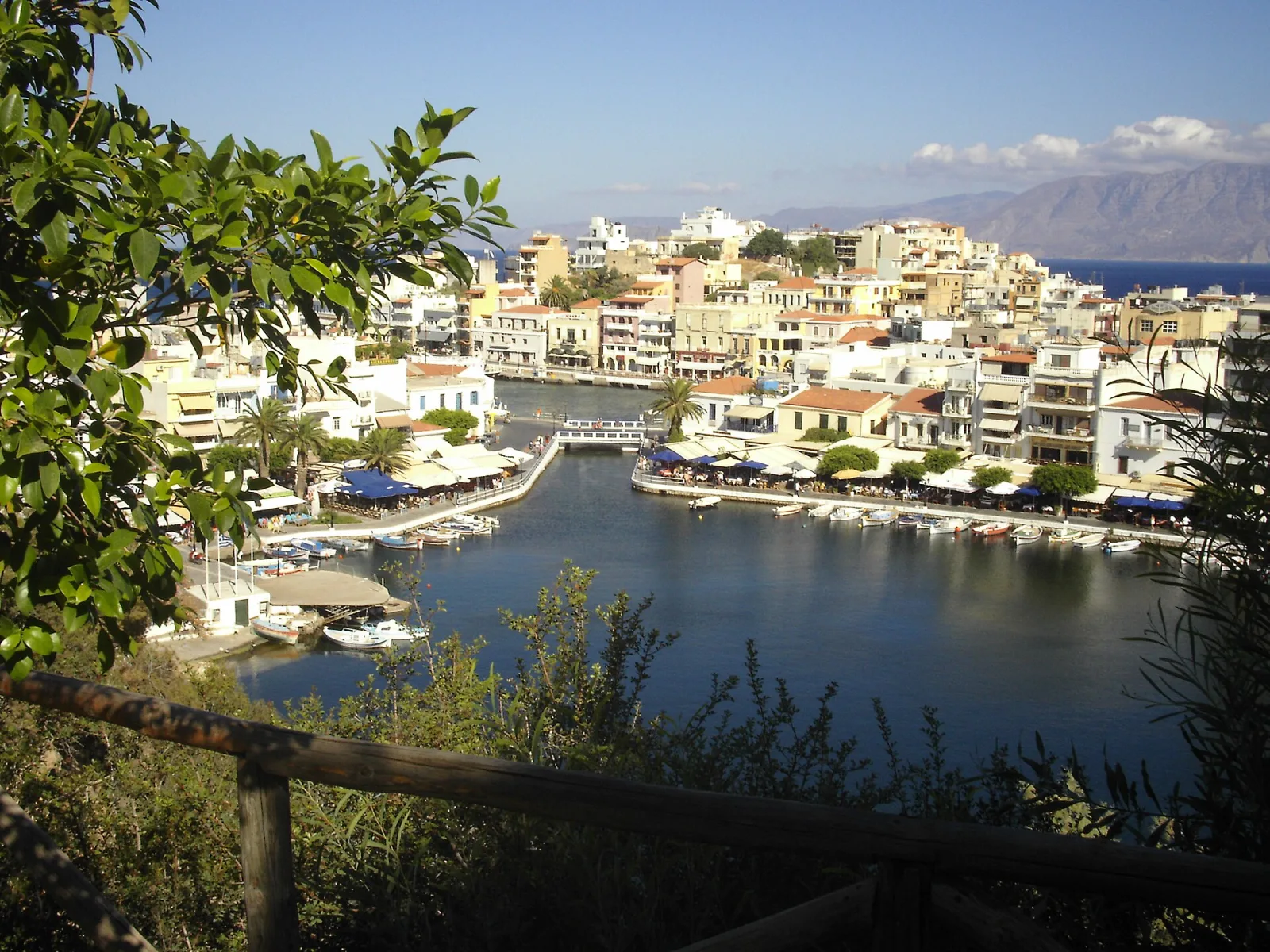
Top Things to Do in Agios Nikolaos
Agios Nikolaos is one of Crete's most appealing seaside towns, built around a small lake and within easy reach of Spinalonga, Elounda and the mountains.
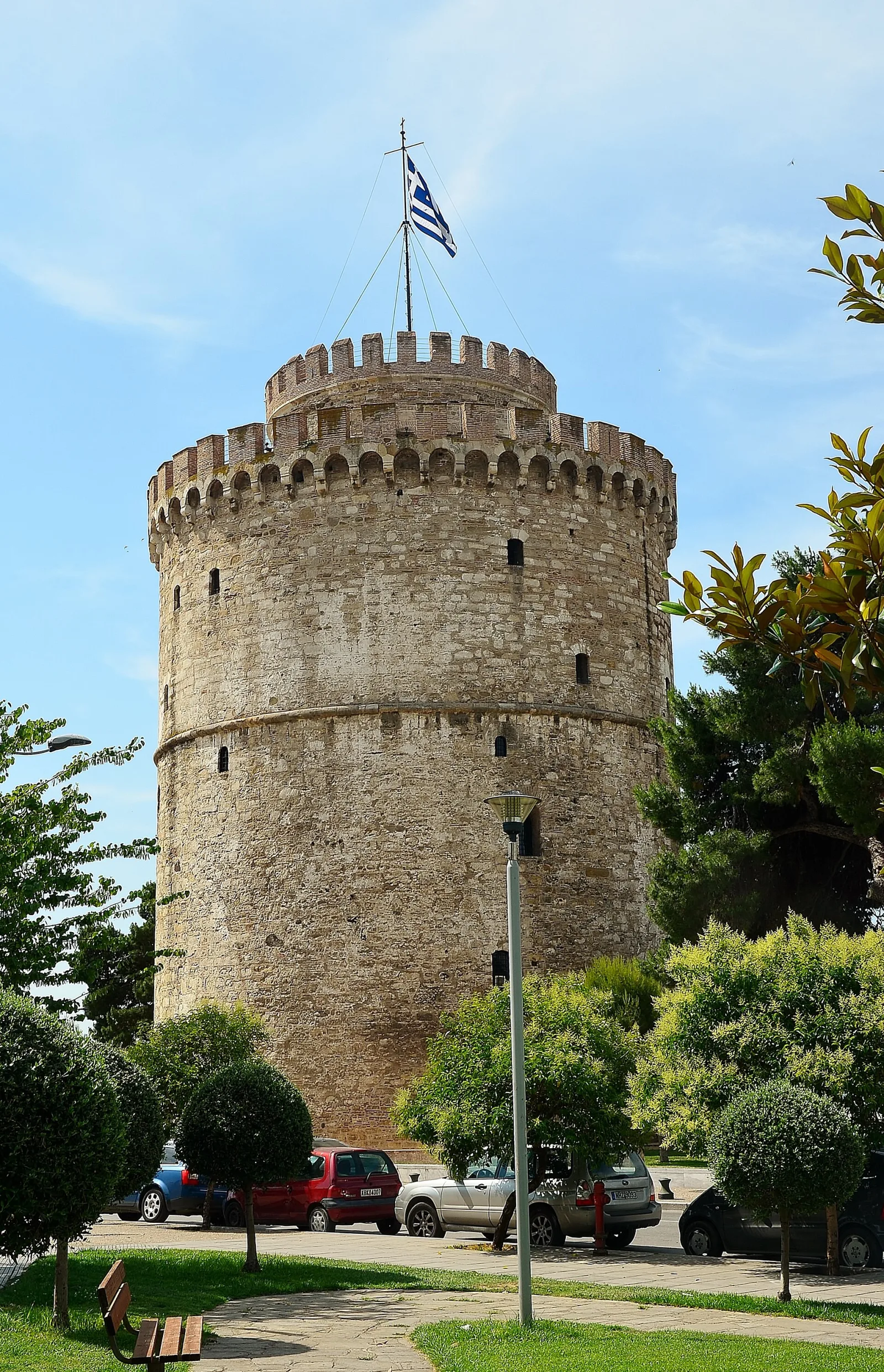
Thessaloniki in 3 Days: The Perfect Itinerary
Thessaloniki rewards slow exploring. This three-day plan covers Roman and Byzantine monuments, the waterfront, old-town lanes and the city's famously good food.
