


Greek Coffee Culture: Freddo, Frappé and the Art of Lingering
Coffee in Greece is more than a caffeine fix; it is the heartbeat of social interaction. From the frothy foam of a Freddo to the slow ritual of Greek coffee, here is how to enjoy it like a local.
The Greek Coffee Ritual
In Greece, coffee is not a beverage to be consumed on the move in a paper cup. It is an institution, a catalyst for conversation, and a marker of time. Whether in the bustling squares of Athens or a quiet seaside cafe in Crete, the pace of life is dictated by the duration of one's coffee. This culture of lingering is deeply ingrained in the Greek identity; a single cup of coffee can easily last for two hours of debate, gossip, or quiet observation.
The Icons: Freddo Espresso and Freddo Cappuccino
When the sun is high and the temperatures climb, the Freddo becomes the undisputed king of the Greek cafe scene. Unlike iced coffees found elsewhere, the Greek Freddo is prepared by extracting a double shot of espresso and immediately blending it with ice in a mixer until it reaches a thick, velvety consistency. The Freddo Espresso is served over fresh ice, while the Freddo Cappuccino is topped with a generous layer of cold, whipped milk foam. The result is a cold, refreshing, and highly caffeinated drink that defines modern Greek summers. It is common to see locals sipping these slowly while watching the world go by from a sidewalk chair.
The Legacy of the Frappé
Before the rise of the Freddo, the Frappé reigned supreme. Invented by accident during a trade fair in the mid-twentieth century, this drink is made using instant coffee, water, and sugar, shaken vigorously until a thick, light-brown foam forms. It is then poured over ice and topped with cold water or milk. While younger generations may lean toward the Freddo, the Frappé remains a nostalgic favorite, particularly in traditional cafes and at beach bars across the islands. It is a drink that demands patience, as the foam slowly settles and the coffee provides a steady, enduring buzz.

The Timeless Greek Coffee
For a deeper connection to history, there is the traditional Greek coffee. Prepared in a long-handled copper pot called a briki, the coffee is ground to a fine powder and brewed with water and sugar over low heat. It is served in a small cup with the grounds left to settle at the bottom. The art of drinking Greek coffee lies in the patience required to let the grounds sink. It is never stirred once poured, and it is usually accompanied by a glass of cold water and perhaps a piece of Turkish delight. This is the coffee of the older generation, the coffee of the village square, and the coffee of quiet morning contemplation.
Practical Tips for the Coffee Traveler
- Ordering Like a Local: When ordering, specify your sugar preference. 'Sketos' means no sugar, 'metrios' is medium sweet, and 'glykos' is very sweet.
- The Accompanying Water: Always drink the glass of cold water provided with your coffee. It is a sign of hospitality and helps cleanse the palate.
- Where to Sit: Do not feel pressured to leave quickly. In Greece, you are paying for the seat as much as the drink. It is perfectly acceptable to spend an entire afternoon with one coffee.
- Check Locally: While most cafes serve all varieties, smaller, traditional 'kafeneios' in rural areas may focus primarily on Greek coffee, while modern urban cafes will have extensive menus including various iced options.
- Avoid the Rush: If you want to experience the true 'art of lingering,' head to a cafe around late morning or late afternoon when the pace of life slows down and the local chatter reaches its peak.
Plan your trip to Athens
Compare prices with KAYAKYou'll be taken to KAYAK to compare prices. We may earn a commission at no extra cost to you.
Plan your trip to Athens
🏨Find hotels on Booking.comBooking.comAffiliate links — we may earn a small commission.
Deals from our travel partners
 Flights from Athens to TivatAir Serbia · from 440 EUR
 Flights from Athens to ZurichAir Serbia · from 415 EUR
 Flights from Athens to BarcelonaAir Serbia · from 192 EUR
 Flights from Athens to BelgradeAir Serbia · from 594 EUR
Affiliate links — we may earn a commission at no extra cost to you.
Related guides
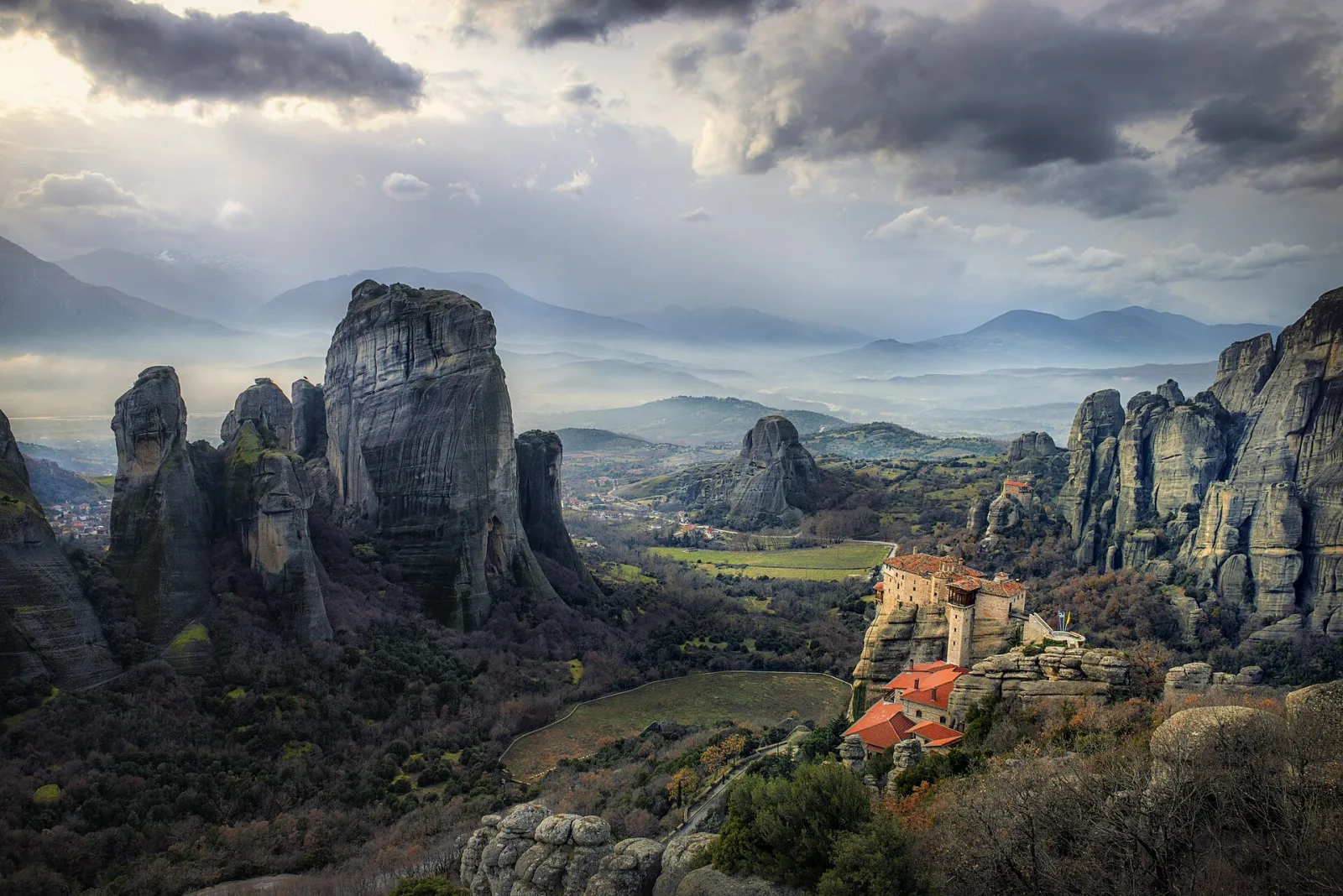
Meteora in 3 Days: The Perfect Itinerary
Giant sandstone pillars, Byzantine monasteries and some of Greece's best sunsets make Meteora a destination worth three full days. Here is how to spend them well.
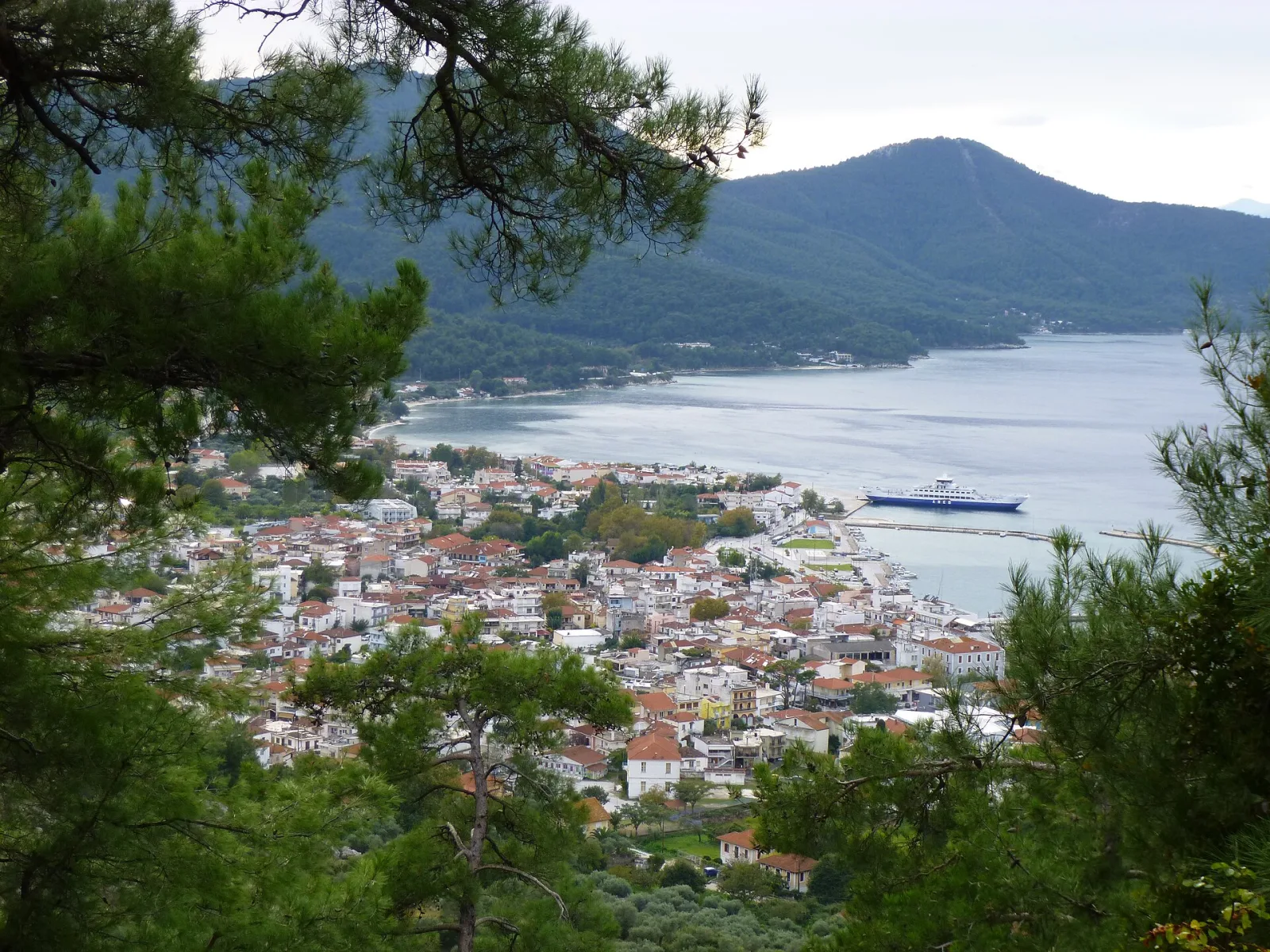
Top Things to Do in Thassos
Thassos is a pine-covered island ringed by beaches, with marble coves, natural pools, ancient ruins and mountain villages all within easy reach of each other.
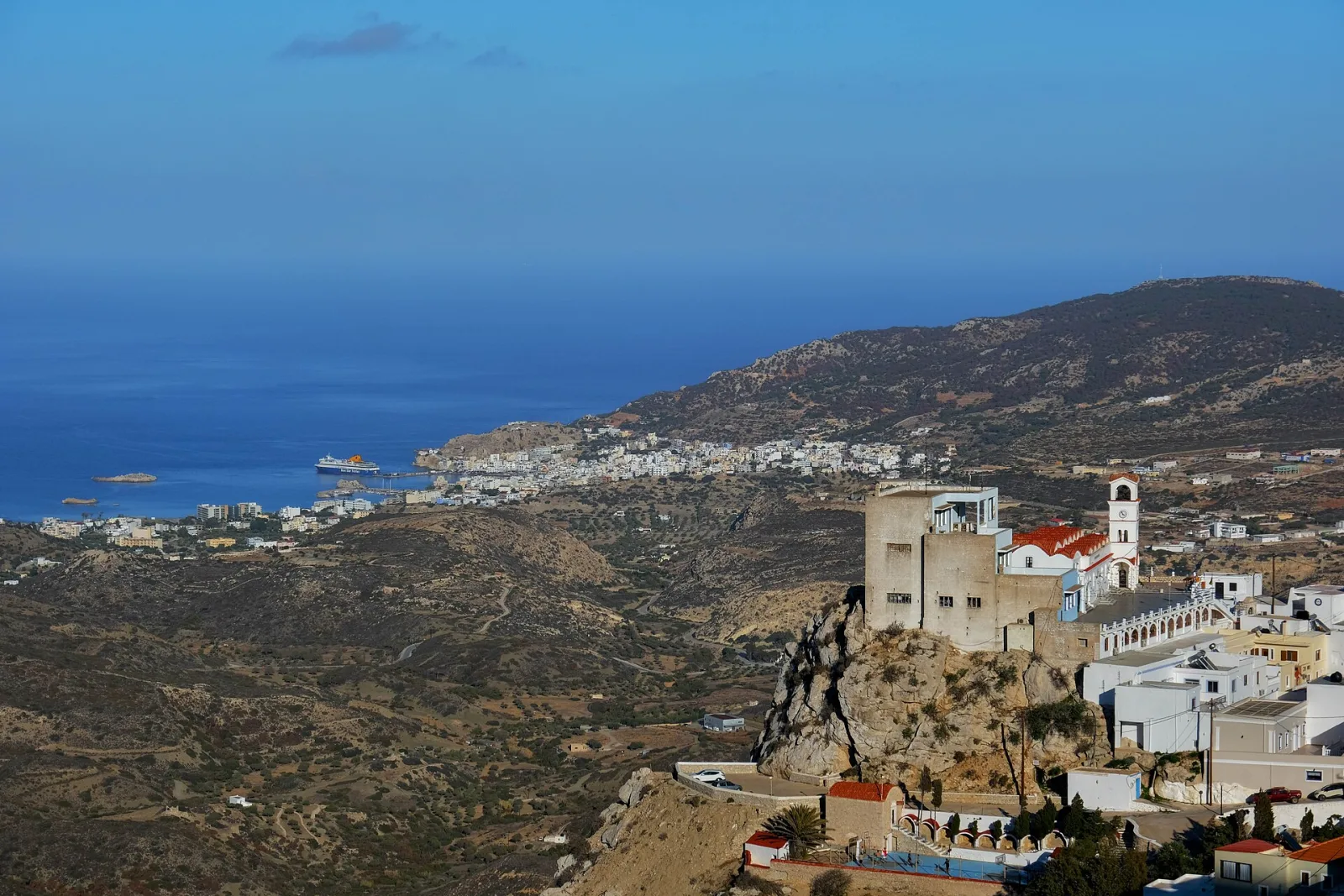
Top Things to Do in Karpathos
Rugged, unhurried and full of character, Karpathos rewards travellers who venture beyond the port. Here are the experiences worth planning your days around.
