


Greek Seafood: What to Order and How It Is Priced
Navigating a Greek fish tavern requires a bit of local knowledge. This guide explains how to select the freshest catch and understand how your meal is priced.

The Greek Fish Tavern Experience
Dining at a traditional fish tavern is one of the quintessential experiences of a Greek holiday. Unlike many tourist-heavy destinations where menus are static, a high-quality Greek fish tavern encourages guests to visit the kitchen or the display counter. This is where the day's catch is presented on ice, allowing you to see exactly what is fresh before making your selection. The goal is to choose fish that has clear, bright eyes and firm, shiny skin, which are the primary indicators of a recent haul.
Understanding Pricing by Weight
One of the most common points of confusion for international travelers is the pricing structure of fresh fish. In Greece, premium whole fish—such as sea bream (tsipoura), sea bass (lavraki), or more prized varieties like dentex (synagrida) and red snapper (fagri)—are almost always sold by the kilogram rather than by the plate. When you select a fish from the display, the staff will weigh it in front of you. It is perfectly acceptable to ask for the approximate cost before the fish is taken to the grill. Keep in mind that the final price reflects the weight of the raw fish, not the cooked weight, and it includes the preparation and grilling.
What to Order: Beyond the Whole Fish
While a grilled whole fish is the gold standard, the variety of seafood available in Greece is vast. If you are looking for a lighter meal or a wider array of flavors, consider these traditional options:

- Grilled Octopus: Often hung to dry in the sun before being grilled over charcoal, octopus should be tender, not chewy. It is typically served with a drizzle of high-quality olive oil, lemon, and a touch of oregano.
- Fried Calamari: A staple across the islands and the mainland coast. Look for golden, crispy batter. It is often served with a wedge of fresh lemon and sometimes a side of tzatziki or skordalia (a garlic and potato dip).
- Saganaki Shrimp: This dish features prawns cooked in a rich tomato sauce, often finished with crumbled feta cheese. It is excellent for dipping crusty bread into the sauce.
- Maridaki: These are tiny, crispy fried fish that are eaten whole. They are a classic meze dish, perfect for sharing alongside a glass of chilled ouzo or white wine.
- Shellfish and Crustaceans: Depending on the region, you might find mussels steamed with garlic and parsley, or larger lobsters and crayfish. Note that these are usually the most expensive items on the menu and are often prepared with pasta (makaronada).
The Art of the Side Dish
A Greek seafood feast is rarely complete without the right accompaniments. A traditional Greek salad (horiatiki) is a must, but consider ordering horta (wild boiled greens) to balance the richness of fried or grilled seafood. Taramosalata, a salted and cured roe dip, is a classic starter, as is fava, a creamy yellow split pea puree that is particularly famous in regions like Santorini. Always ensure you have plenty of fresh bread on the table to soak up the olive oil and lemon dressing that inevitably pools at the bottom of your plates.
Practical Tips for Your Seafood Meal
- Check the Display: Always walk to the kitchen or the refrigerated counter to see the catch of the day. If the display is empty, ask the server what came in from the boats this morning.
- Ask About the Source: It is helpful to ask if the fish is 'fresko' (fresh, wild-caught) or 'ichthiotrofeiou' (farmed). Farmed sea bream and sea bass are very common and often more affordable, but wild-caught options are considered a special treat.
- Confirm the Weight: When selecting a large fish, ask the server to point out the size and confirm the weight before it goes to the grill. This avoids any surprises when the bill arrives.
- Ouzo and Wine Pairings: Ouzo is the traditional companion to seafood, but it is quite strong. If you prefer wine, a crisp Assyrtiko from Santorini or a Moschofilero from the Peloponnese are excellent pairings that cut through the saltiness of the sea.
- Check Locally: Prices for fresh seafood vary significantly based on the season, the type of fish, and the location. Always check locally for the daily market price per kilogram before ordering.
Plan your trip to Athens
Compare prices with KAYAKYou'll be taken to KAYAK to compare prices. We may earn a commission at no extra cost to you.
Plan your trip to Athens
🏨Find hotels on Booking.comBooking.comAffiliate links — we may earn a small commission.
Deals from our travel partners
 Flights from Athens to TivatAir Serbia · from 440 EUR
 Flights from Athens to BarcelonaAir Serbia · from 192 EUR
 Flights from Athens to ZurichAir Serbia · from 415 EUR
 Flights from Athens to BelgradeAir Serbia · from 594 EUR
Affiliate links — we may earn a commission at no extra cost to you.
Related guides

Meteora in 3 Days: The Perfect Itinerary
Giant sandstone pillars, Byzantine monasteries and some of Greece's best sunsets make Meteora a destination worth three full days. Here is how to spend them well.

Top Things to Do in Karpathos
Rugged, unhurried and full of character, Karpathos rewards travellers who venture beyond the port. Here are the experiences worth planning your days around.
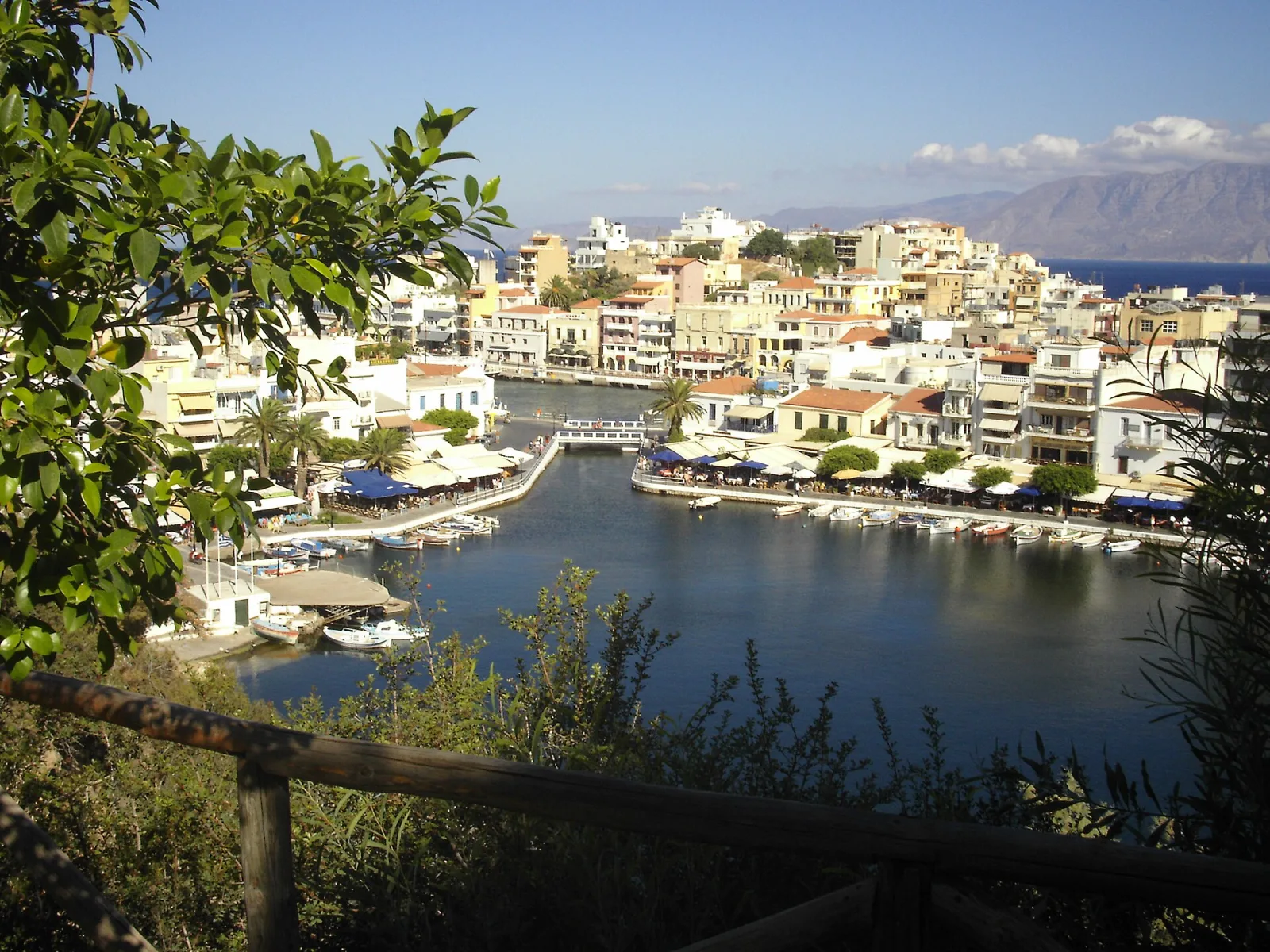
Top Things to Do in Agios Nikolaos
Agios Nikolaos is one of Crete's most appealing seaside towns, built around a small lake and within easy reach of Spinalonga, Elounda and the mountains.
