


How Greeks Celebrate Summer
Summer in Greece is less a season than a way of life. From village saints' day feasts to long evenings by the sea, here is how locals really enjoy the warmest months.

Ask a Greek about their favourite time of year and you will often hear the same answer: summer. Yet the season is not only about beaches, though the sea plays a central role. It is about family, food, music and a shared sense that life should be enjoyed outdoors whenever possible. Whether you are visiting Athens in July or sitting on a terrace in a mountain village in August, the rhythm of Greek summer is easy to pick up once you know where to look.
The panigyri: village feasts with music and dancing
Across the country, many villages hold a panigyri, a festival usually tied to the feast day of the local patron saint. These gatherings are often held outdoors in the village square or in a courtyard near the church. The tradition is ancient in spirit, and today it typically involves a long meal of grilled meat, salads and local wine, followed by live music and dancing that can continue well past midnight.
If you are lucky enough to attend one, you will notice that people of all ages take part. Grandparents dance the slow syrtaki-style steps alongside children, and visitors are usually welcomed with an invitation to join in. Dress comfortably and be ready to eat more than you planned.

Food that belongs to the season
Summer cooking in Greece leans heavily on fresh, seasonal produce. Ripe tomatoes, cucumbers, peppers and aubergines find their way into horiatiki, the village salad, which is traditionally made without lettuce and topped with a slab of feta. Grilled octopus, small fried fish and gigantes, giant white beans baked in tomato, are staples at seaside tavernas.
Greeks also love to eat late. Dinner rarely starts before 9 pm in summer, and it is common for families to linger over meze, a spread of small plates shared at the table. Fruit plays its part too: watermelon, figs and peaches are eaten as a refreshing finish to a long meal, and in many areas people sip cold drinks such as frappé, the iced coffee that has become a national institution.
The sea as a social space
For many Greeks, the sea is not just a place for swimming but a gathering point. Families spend whole afternoons under umbrellas, playing cards or backgammon (tavli) and chatting between swims. Later, the beach often gives way to a seafront stroll, known as the volta, where people walk slowly along the promenade, greet friends and watch the sun set.
Coastal towns and islands develop their own customs. On many islands, the evening ends at a waterfront taverna where fishing boats are tied up nearby and the catch of the day is chosen from the display before it is cooked. Popular swimming spots are busiest in the afternoon, so many locals prefer early mornings or the late evening for a quieter dip.
Saints' days and summer holidays
Greece has a rich calendar of religious and cultural holidays, and several fall in the warmer months. The Dormition of the Virgin Mary on 15 August is one of the most important dates of the summer. Many families travel to their home villages or to famous pilgrimage sites, and the day is marked with church services, processions and communal meals. Mid-August is also the peak of the domestic holiday season, when cities such as Athens empty noticeably as people head to the islands or the mountains.
Music and theatre also have their place. Open-air performances, concerts and film screenings take place in ancient theatres and squares throughout the summer. Attending one of these events is a wonderful way to experience the atmosphere, and it often feels far more local than a standard tourist excursion.
Summer nights and the rhythm of the day
The Greek summer day follows a distinct pattern. Mornings are for errands and swimming before the heat builds. Early afternoon brings a slow pause, when shops and some businesses close for a few hours. The evening then comes alive, with people out walking, drinking coffee or wine on terraces and eating late into the night.
Adjusting to this schedule is part of the fun. Visitors who try to eat dinner at six may find themselves alone in the restaurant, so it is worth embracing the local timing. Carry water, wear a hat during the hottest hours and plan strenuous activities for the cooler parts of the day.
Practical tips for experiencing a Greek summer
- Check locally for the dates of village festivals, as they vary from place to place and year to year.
- Book accommodation and ferries well ahead for mid-August, when demand is at its highest.
- Visit popular islands and beaches early in the morning to avoid the crowds and the strongest sun.
- Eat dinner late, and do not be surprised if restaurants are busy well after 10 pm.
- Try a local wine or ouzo with your meze, but drink water too, especially in the heat.
- Be respectful at religious events, dress modestly for church visits and follow the lead of locals.
- Always check locally for opening hours, transport schedules and any current heat or safety advice.
Plan your trip to Athens
Compare prices with KAYAKYou'll be taken to KAYAK to compare prices. We may earn a commission at no extra cost to you.
Plan your trip to Athens
🏨Find hotels on Booking.comBooking.comAffiliate links — we may earn a small commission.
Deals from our travel partners
 Bryan Adams-Athens- Greece Tickets - Olympic Stadium Athens Telekom Center, 2026-12-19Sports Events 365 · from 145 EUR
Panathinaikos Athens vs KK Partizan Tickets - Olympic Stadium Athens Telekom Center, 2027…Sports Events 365 · from 285 EUR
Panathinaikos Athens vs Virtus Bologna Tickets - Olympic Stadium Athens Telekom Center, 2…Sports Events 365 · from 285 EUR
Panathinaikos Athens vs Zalgiris Kaunas Tickets - Olympic Stadium Athens Telekom Center, …Sports Events 365 · from 271 EUR
Affiliate links — we may earn a commission at no extra cost to you.
Related guides
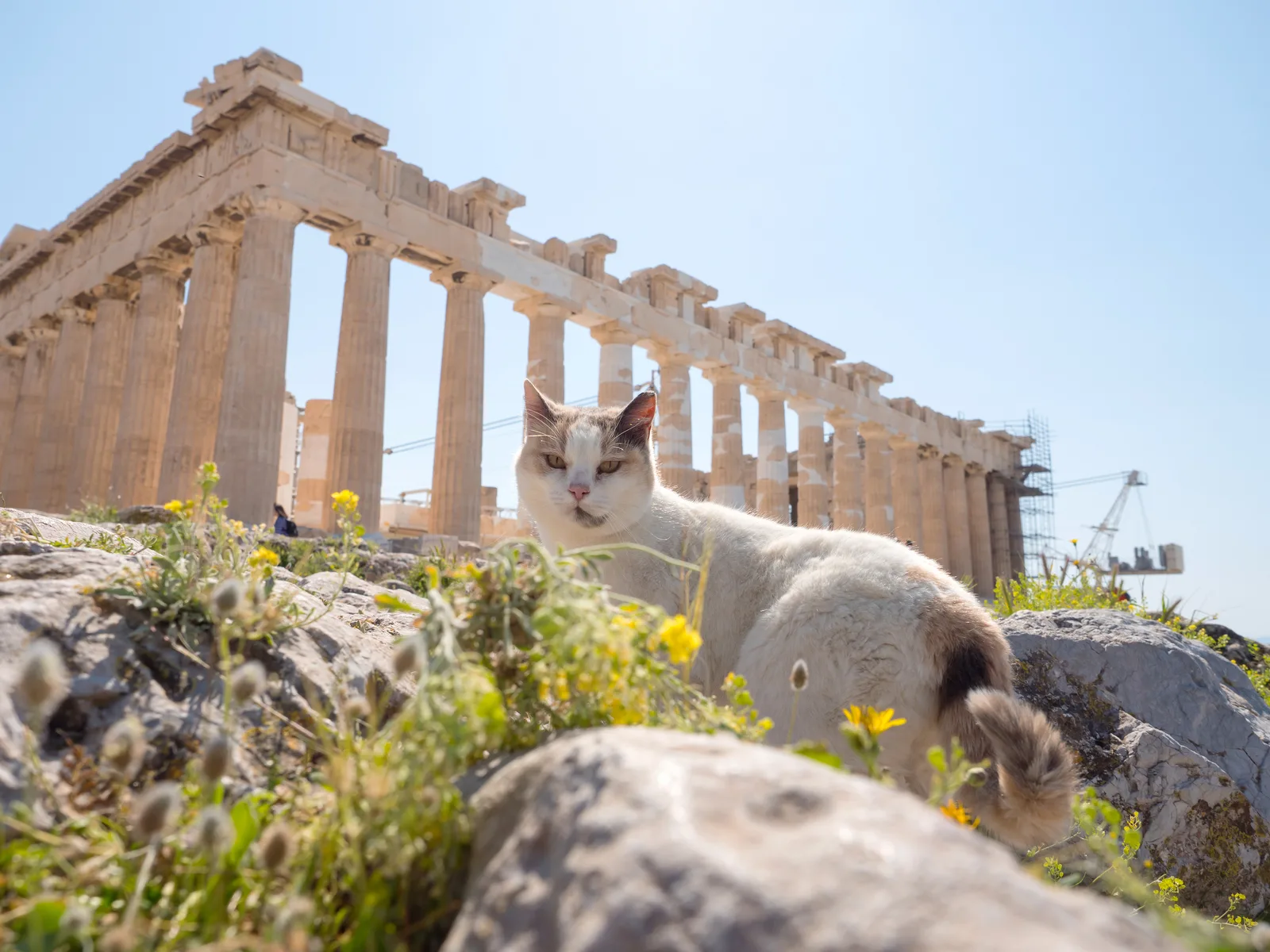
Taxis and Transfers in Greece
Getting around Greece combines taxis, ride-hailing apps, pre-booked transfers and public transport. Here is how each option works and when to use it.
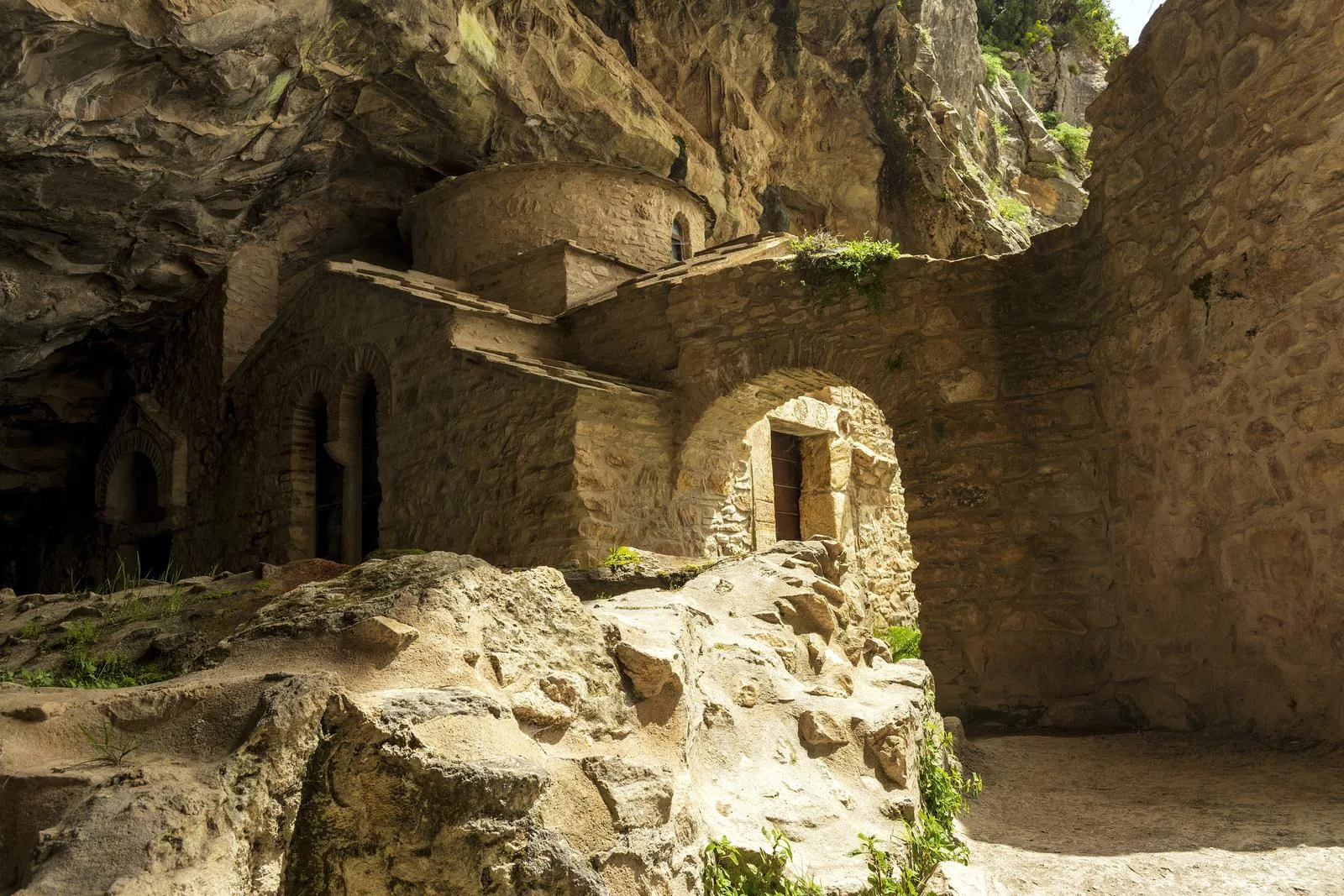
Two Weeks in Greece: A Classic Mainland and Islands Itinerary
Two weeks is enough to sample ancient ruins, mountain villages and island life in one trip. This route links Athens, the Peloponnese and the Cyclades with simple, practical transport choices.
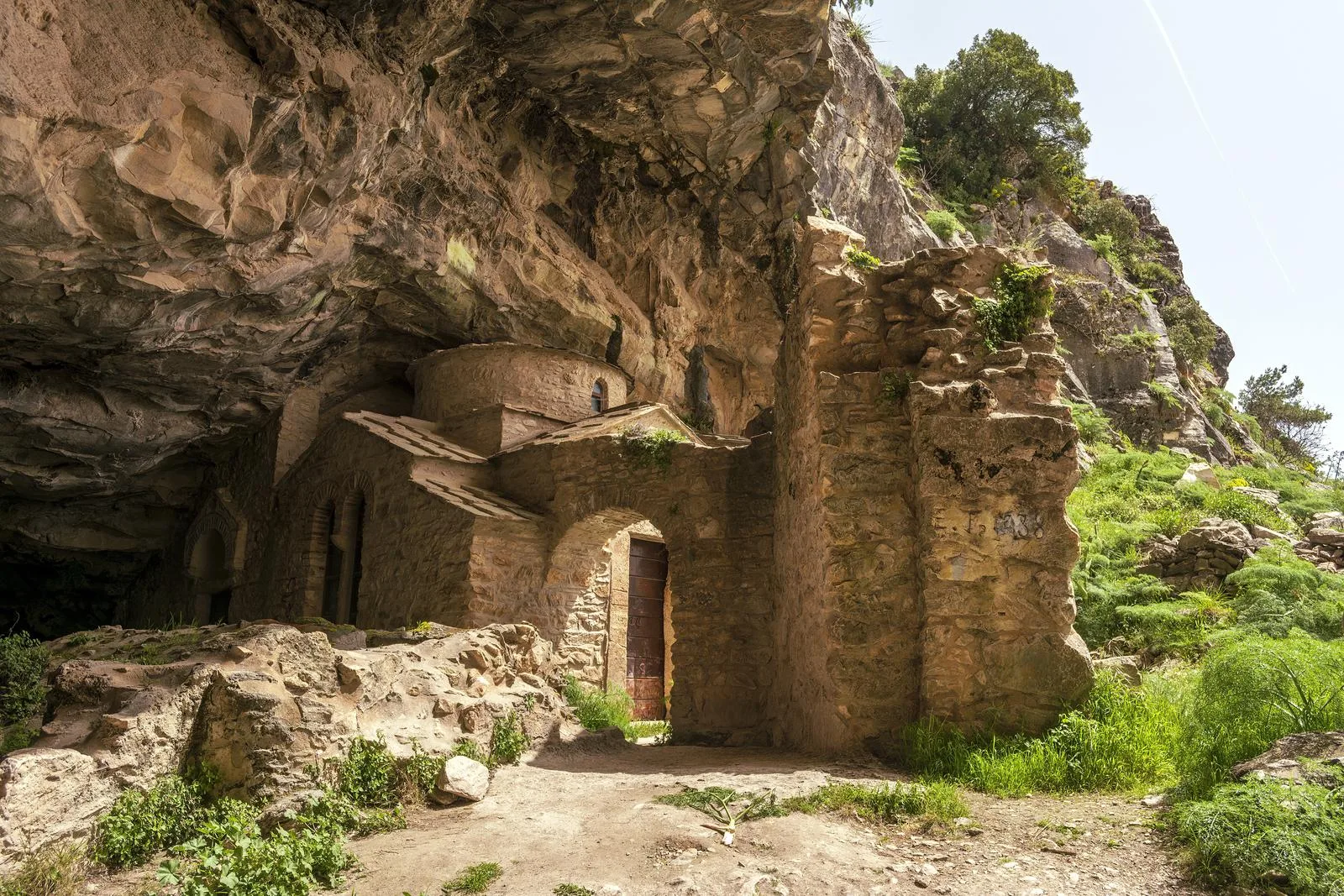
Greece in Spring: What to Expect
Spring is one of the most rewarding times to visit Greece, with wildflowers across the countryside, mild temperatures and far fewer crowds. Here is what to expect month by month.
