


How to Order at a Greek Fish Taverna
Dining at a Greek fish taverna is a quintessential experience that relies on freshness, simplicity, and the rhythm of the sea. Learn how to navigate the menu and choose the best catch of the day.
The Philosophy of the Fish Taverna
In Greece, the fish taverna is more than just a place to eat; it is a cultural institution that celebrates the bounty of the Mediterranean and Ionian seas. Unlike meat-focused tavernas, the fish taverna operates on a philosophy of simplicity. The goal is to highlight the natural flavor of the sea with minimal intervention. You will typically find these establishments located near the waterfront, where the proximity to the harbor ensures that the catch arrives directly from the boats to the kitchen.
Selecting Your Catch
The most authentic way to order fish in Greece does not involve a printed menu. Instead, you are expected to head to the refrigerated display case or the kitchen area to inspect the catch of the day. This is where the waiter will show you what was brought in that morning. You will see a variety of fish, from small fry to larger specimens. Ask the staff which fish is fresh and which is local. They will often weigh the fish in front of you so you know exactly what you are paying for before it is grilled.
- Small Fish: Look for maridaki (whitebait) or atherina (sand smelt), which are lightly floured and fried until crispy.
- Medium Fish: Species like tsipoura (sea bream) or lavraki (sea bass) are staples, usually served grilled with a simple dressing.
- Large Fish: Look for fagri (common dentex) or synagrida (red porgy), which are prized for their firm, white flesh.
The Anatomy of a Perfect Meal
A balanced meal at a fish taverna follows a specific structure. Start with a selection of mezedes (appetizers). Essential orders include taramosalata (a creamy dip made from fish roe), grilled octopus, and saganaki (fried cheese). Vegetables are equally important; look for horta (wild boiled greens with lemon and olive oil) or a classic Greek salad. The main event is the fish, which is almost always prepared with ladolemono—a vibrant emulsion of high-quality extra virgin olive oil and fresh lemon juice, sometimes whisked with a touch of oregano.

Regional Variations and Seasonal Eating
The Greek coastline is vast, and regional variations are significant. In the Ionian islands, you might find more emphasis on recipes that incorporate local herbs or tomato-based sauces, whereas in the Cyclades or the Dodecanese, the approach is strictly grilled or fried. Regardless of the region, seasonality is key. Avoid frozen fish if possible and stick to what is currently in season. Locals generally eat their main meal late in the afternoon or evening, often lingering for hours over a carafe of chilled white wine or tsipouro.
Useful Greek Vocabulary
Knowing a few basic terms will greatly enhance your interaction with the staff:
- Psari: Fish
- Fresko: Fresh
- Sta karvouna: On the charcoal grill
- Tiganito: Fried
- Ladolemono: The classic oil and lemon dressing
- Psarosoupa: Fish soup
- Krasí lefko: White wine
Practical Tips for Travelers
- Check the catch: Always ask to see the fish before you order. If a fish is priced by the kilogram, confirm the weight with the server.
- Timing: Greek fish tavernas are best enjoyed at a leisurely pace. Do not rush the staff; allow time for the kitchen to prepare the fish properly.
- Sides: Do not skip the horta or seasonal vegetables; they provide a necessary acidic balance to the richness of the fish.
- Check locally: Ask your accommodation hosts which tavernas the locals frequent, as these spots often have the most reliable daily supply of fresh fish.
- Payment: While many places accept cards, it is always wise to carry some cash, as smaller, family-run tavernas in remote coastal areas may prefer it.
Plan your trip to Athens
Compare prices with KAYAKYou'll be taken to KAYAK to compare prices. We may earn a commission at no extra cost to you.
Plan your trip to Athens
🏨Find hotels on Booking.comBooking.comAffiliate links — we may earn a small commission.
Deals from our travel partners
 Panathinaikos Athens vs Armani Olimpia Milano Tickets - Olympic Stadium Athens Telekom Ce…Sports Events 365 · from 271 EUR
Panathinaikos Athens vs Kirolbet Baskonia Vitoria Tickets - Olympic Stadium Athens Teleko…Sports Events 365 · from 271 EUR
Panathinaikos Athens vs FC Barcelona Lassa Tickets - Olympic Stadium Athens Telekom Cente…Sports Events 365 · from 326 EUR
Virtus Bologna vs Panathinaikos Athens Tickets - PalaDozza, 2026-11-17Sports Events 365 · from 133 EUR
Panathinaikos Athens vs Armani Olimpia Milano Tickets - Olympic Stadium Athens Telekom Ce…Sports Events 365 · from 271 EUR
Panathinaikos Athens vs Kirolbet Baskonia Vitoria Tickets - Olympic Stadium Athens Teleko…Sports Events 365 · from 271 EUR
Panathinaikos Athens vs FC Barcelona Lassa Tickets - Olympic Stadium Athens Telekom Cente…Sports Events 365 · from 326 EUR
Virtus Bologna vs Panathinaikos Athens Tickets - PalaDozza, 2026-11-17Sports Events 365 · from 133 EUR
Affiliate links — we may earn a commission at no extra cost to you.
Related guides

Top Things to Do in Karpathos
Rugged, unhurried and full of character, Karpathos rewards travellers who venture beyond the port. Here are the experiences worth planning your days around.
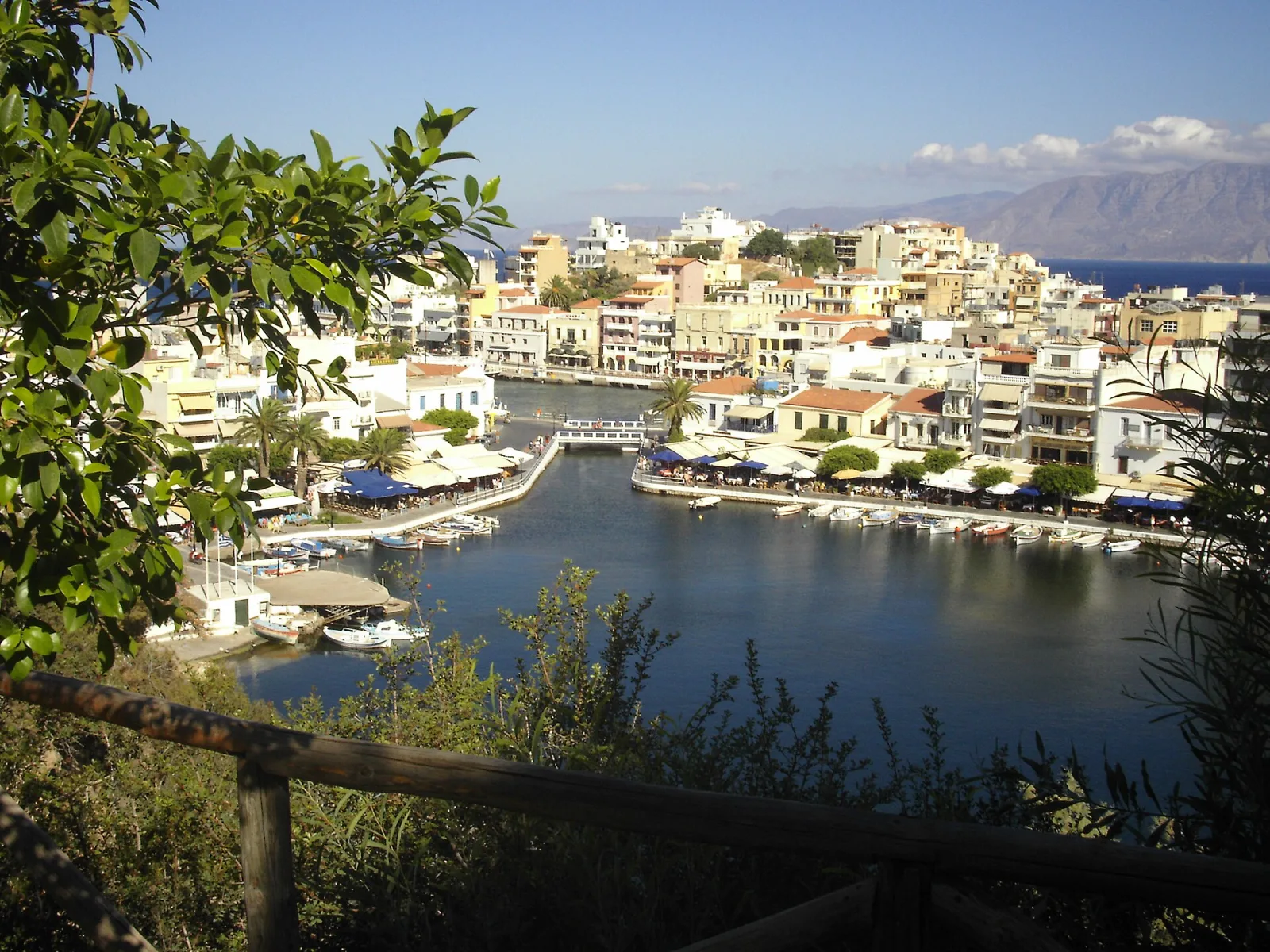
Top Things to Do in Agios Nikolaos
Agios Nikolaos is one of Crete's most appealing seaside towns, built around a small lake and within easy reach of Spinalonga, Elounda and the mountains.
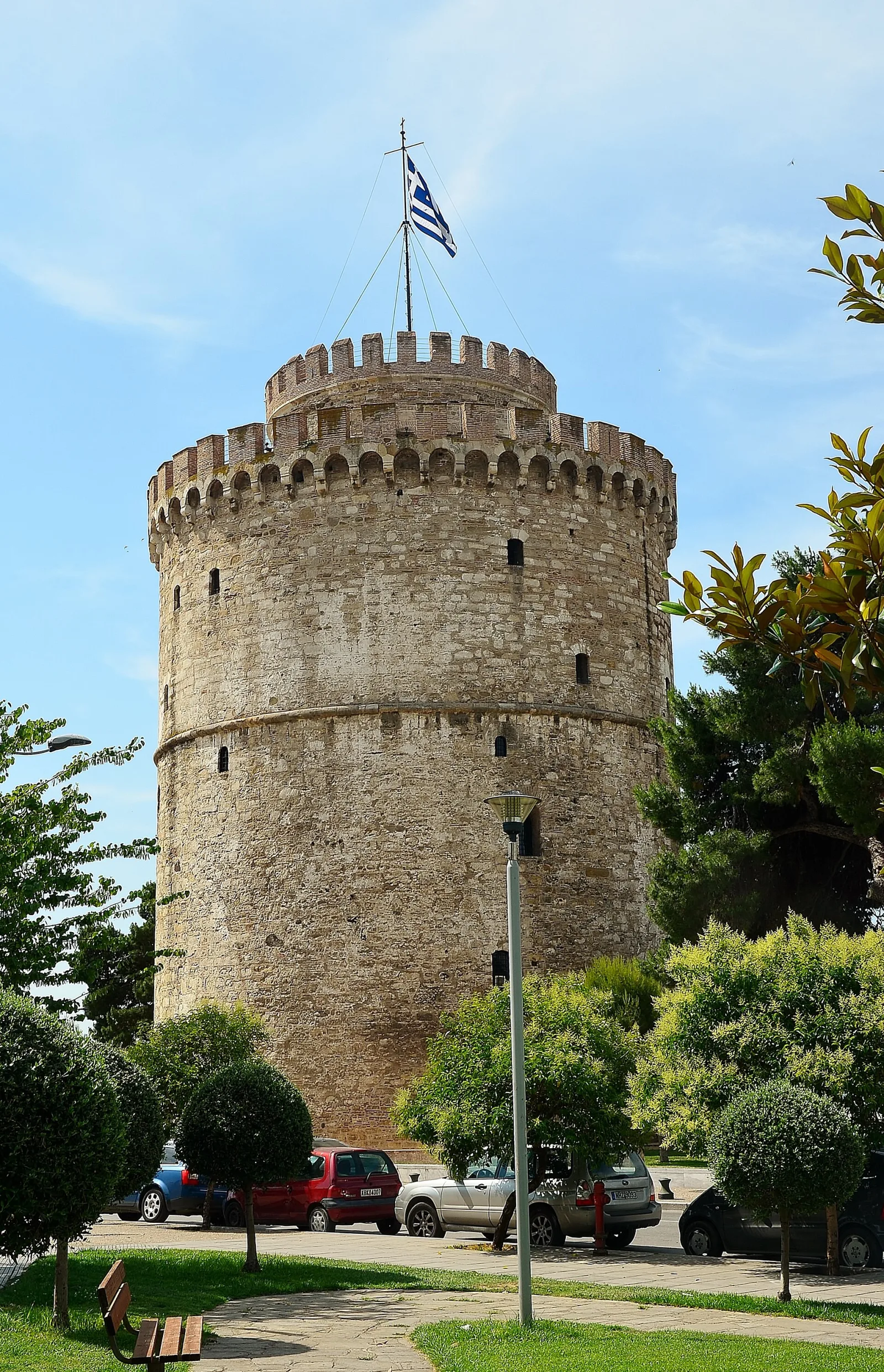
Thessaloniki in 3 Days: The Perfect Itinerary
Thessaloniki rewards slow exploring. This three-day plan covers Roman and Byzantine monuments, the waterfront, old-town lanes and the city's famously good food.
