


Meze and Ouzeri Culture: Small Plates, Long Evenings
Meze culture is the heart of Greek social life, turning simple small plates into long, leisurely evenings shared with friends and family.
The Philosophy of the Mezedopoleio
In Greece, dining is rarely a solitary or hurried affair. At the center of this social fabric lies the mezedopoleio, a type of establishment dedicated to serving meze—small, flavorful plates designed to be shared among a group. Unlike a formal dinner where each person orders a single main course, a meze meal is a communal experience. The table is filled with an array of dishes that arrive gradually, encouraging conversation and a slow, steady pace of eating.
The ritual is intrinsically linked to the consumption of ouzo, the anise-flavored spirit that serves as the traditional accompaniment. The high alcohol content of ouzo and its intense, herbal profile require the presence of food to balance the palate. Consequently, the meze are often salty, tangy, or oil-rich, acting as a perfect foil to the crisp, ice-cold spirit.
Essential Meze Ingredients and Varieties
Greek meze rely on the quality of local ingredients rather than complex preparation. Olive oil, fresh herbs, legumes, local cheeses, and seafood form the foundation of most menus. While the offerings vary by region, several staples appear on almost every table:

- Dips and Spreads: Tzatziki (yogurt, cucumber, garlic), melitzanosalata (roasted eggplant), and fava (yellow split pea purée) are essential. These are typically served with crusty bread for dipping.
- Vegetables and Legumes: Dakos, a Cretan favorite, features a hard barley rusk topped with grated tomato, feta or mizithra cheese, and oregano. Fried zucchini or eggplant slices, often served with a side of garlic dip, are also common.
- Seafood: In coastal areas, you will find grilled octopus, fried calamari, salted sardines (sardeles pastes), and mussels steamed with garlic and herbs.
- Cheese and Cured Meats: Blocks of feta drizzled with oil and oregano, saganaki (fried yellow cheese), and various local sausages like loukaniko are standard choices.
Regional Variations
While the concept of meze is universal across Greece, the specific dishes reflect the local landscape. In the mountainous regions of the north, such as Epirus or Macedonia, the focus shifts toward hearty, meat-heavy dishes, including smoked meats and wild mushroom preparations. In contrast, the Aegean islands prioritize fresh seafood, sun-dried vegetables, and unique local cheeses that are often aged in wine or oil. In urban centers like Athens or Thessaloniki, you will find a fusion of these traditions, with menus often highlighting regional specialties from across the country.
How to Order and Dine Like a Local
The golden rule of eating at a mezedopoleio is to order for the table, not for the individual. Start by selecting a variety of cold and hot dishes, keeping in mind that they will be placed in the center for everyone to share. There is no set order to the meal; you might find yourself eating a piece of grilled octopus alongside a spoonful of fava. If you are drinking ouzo, it is customary to dilute it with water—which turns the clear liquid into a cloudy white—and add ice only after the water has been mixed in.
Dining in Greece is a marathon, not a sprint. Locals often spend several hours over a series of small plates, refilling their glasses and ordering additional dishes as the conversation flows. Do not feel pressured to rush; the staff will generally not bring the bill until you ask for it.
Useful Vocabulary for the Table
- Meze: The small plate itself.
- Mezedopoleio: The place where you go to eat meze.
- Ouzeri: A place specializing in ouzo and light snacks.
- Salata: Salad, though in Greece this often refers to the classic Greek salad (horiatiki) with tomato, cucumber, onion, olives, and feta.
- Psomi: Bread, a vital tool for cleaning your plate.
- Stin ygeia mas: The standard toast, meaning 'to our health.'
Practical Tips
- Check Locally: Ask your accommodation hosts for recommendations. They will know which places serve authentic, locally sourced dishes rather than tourist-oriented fare.
- Timing: While lunch is a popular time for meze, the true atmosphere of a mezedopoleio is best experienced in the early evening, as the sun begins to set.
- Pacing: Order a few dishes at a time. This keeps the food fresh and allows you to decide what you want next based on your hunger levels.
- Payment: Check locally regarding payment methods; while most places accept cards, smaller, family-run establishments in remote villages may prefer cash.
Plan your trip to Athens
Compare prices with KAYAKYou'll be taken to KAYAK to compare prices. We may earn a commission at no extra cost to you.
Plan your trip to Athens
🏨Find hotels on Booking.comBooking.comAffiliate links — we may earn a small commission.
Deals from our travel partners
 Flights from Athens to TivatAir Serbia · from 440 EUR
 Flights from Athens to ZurichAir Serbia · from 415 EUR
 Flights from Athens to BarcelonaAir Serbia · from 192 EUR
 Flights from Athens to BelgradeAir Serbia · from 594 EUR
Affiliate links — we may earn a commission at no extra cost to you.
Related guides

Top Things to Do in Karpathos
Rugged, unhurried and full of character, Karpathos rewards travellers who venture beyond the port. Here are the experiences worth planning your days around.
Top Things to Do in Agios Nikolaos
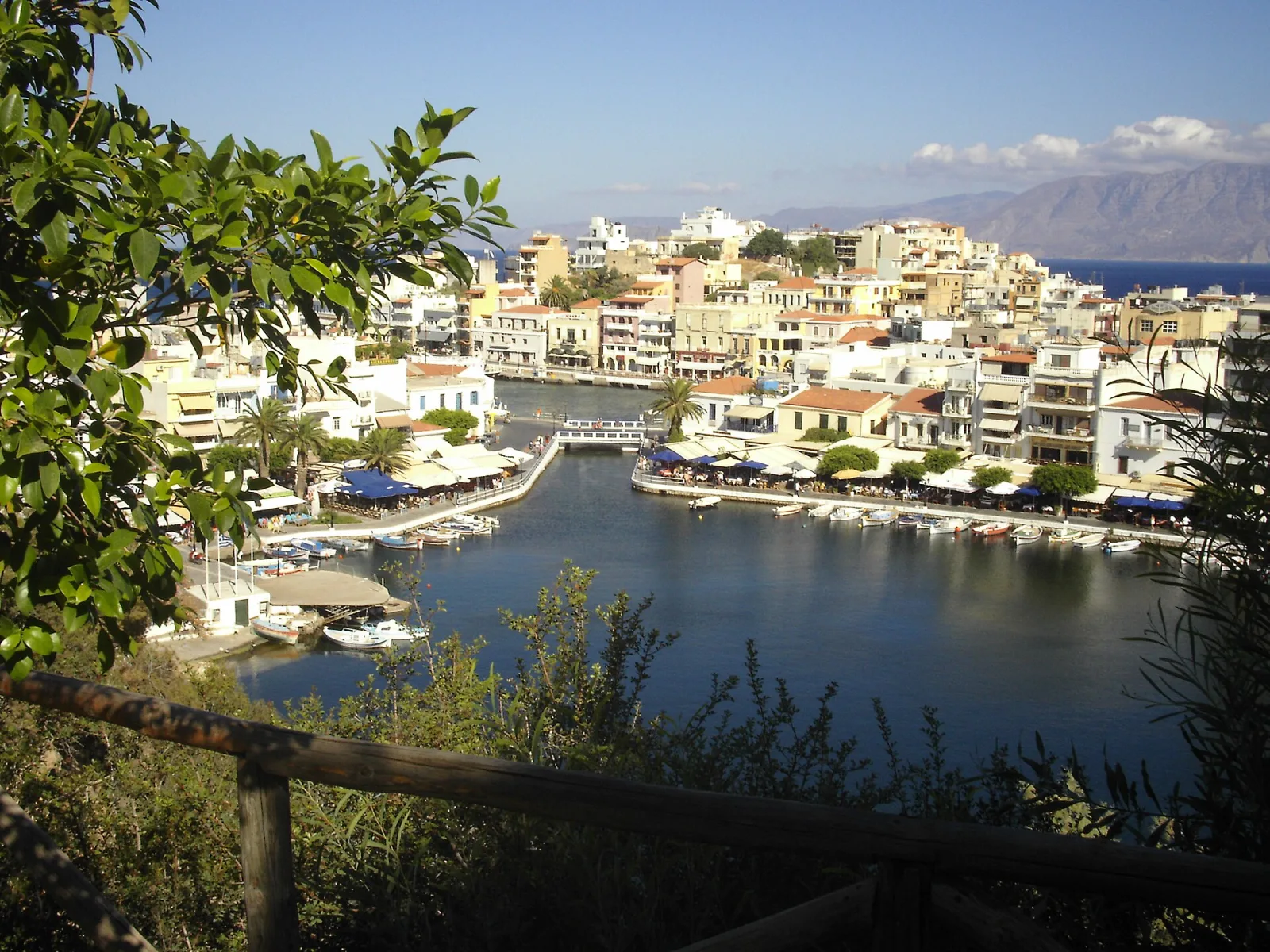
Agios Nikolaos is one of Crete's most appealing seaside towns, built around a small lake and within easy reach of Spinalonga, Elounda and the mountains.
Thessaloniki in 3 Days: The Perfect Itinerary
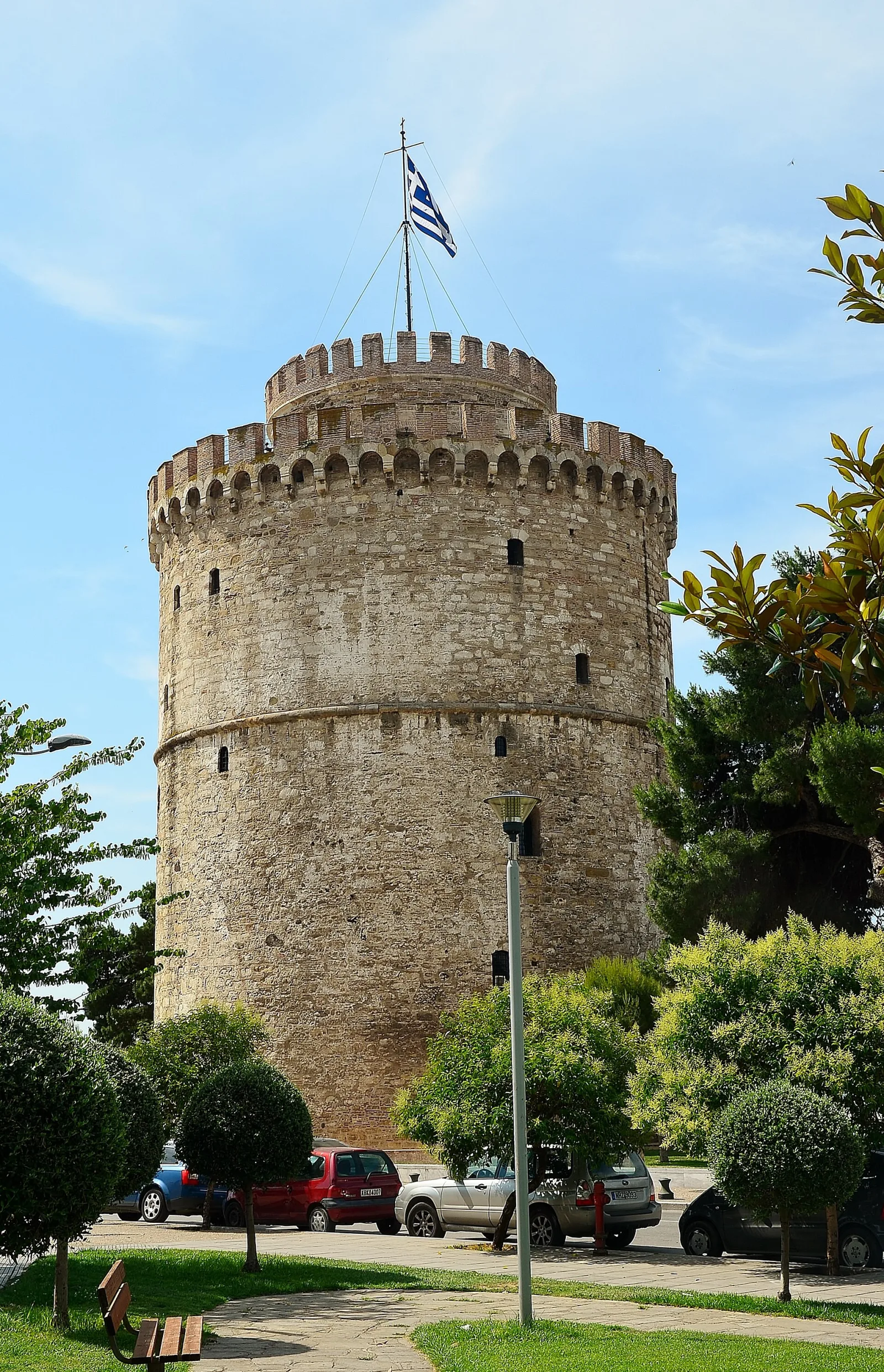
Thessaloniki rewards slow exploring. This three-day plan covers Roman and Byzantine monuments, the waterfront, old-town lanes and the city's famously good food.
