


Mylopotamos and the Wild Beaches of Pelion
Mylopotamos Beach is the crown jewel of the eastern Pelion coastline, defined by its iconic rock archway and deep turquoise waters. This guide covers how to enjoy this dramatic landscape safely and effectively.
The Allure of the Eastern Coast
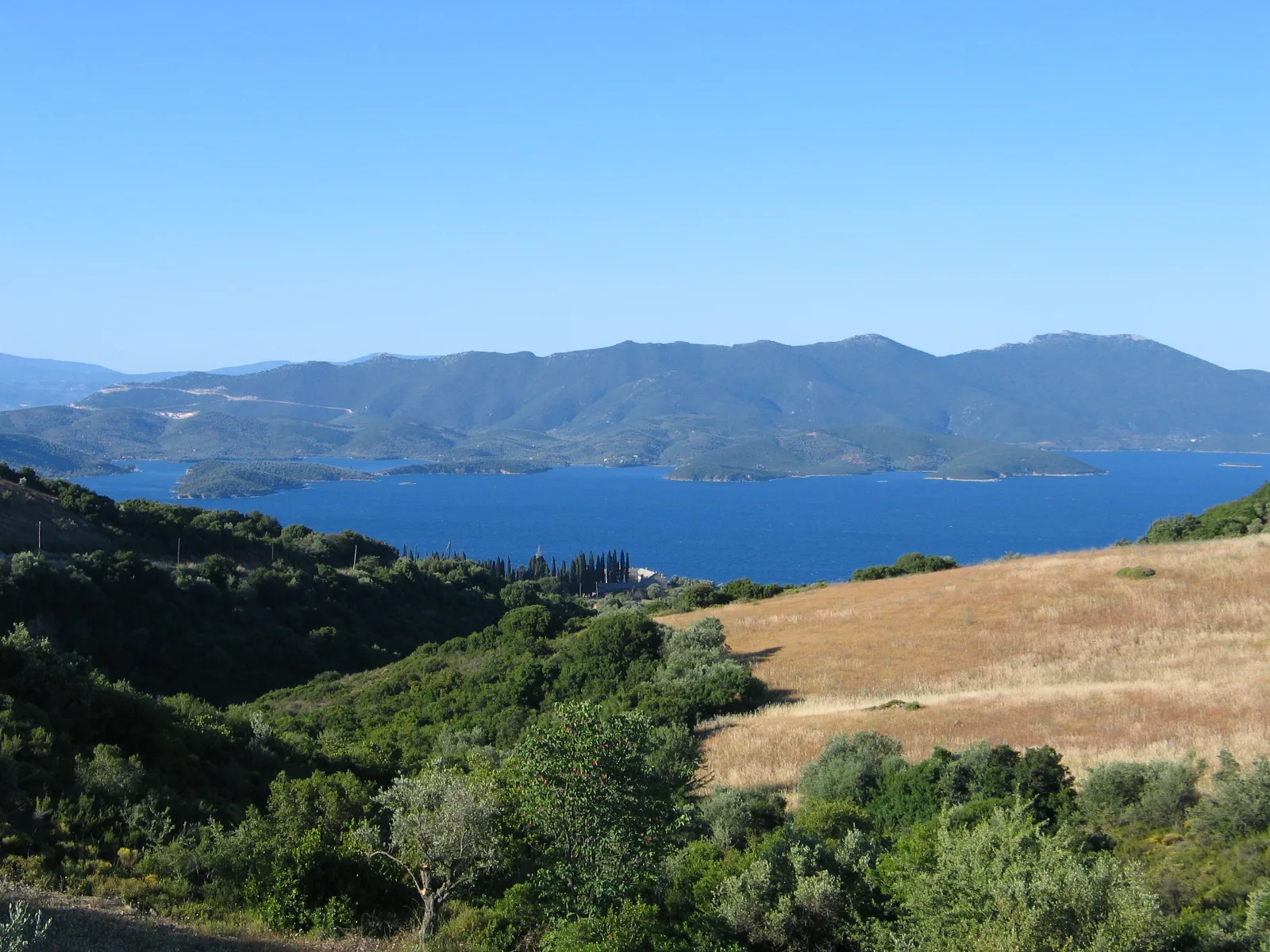
Pelion is a peninsula of striking contrasts, where lush, forested slopes descend sharply into the Aegean Sea. Unlike the gentle, shallow waters found elsewhere in Greece, the eastern coastline of Pelion offers a raw, dramatic experience. At the heart of this rugged beauty lies Mylopotamos, a beach that has become synonymous with the region's wild character. Flanked by towering cliffs and divided into two distinct coves by a natural rock archway, it provides a dramatic setting that feels far removed from the typical organized beach scene.
The Landscape of Mylopotamos
Mylopotamos is famous for its pebbles, which range from small white stones to larger, smooth rocks, and its intense, deep blue water. The central feature is the massive limestone arch that connects the main beach to a smaller, more intimate cove. Visitors often swim through this gap, though caution is always advised depending on the sea conditions. The cliffs surrounding the beach provide a natural amphitheater, offering shade in the early morning and late afternoon but creating a sense of total immersion in nature throughout the day.
Accessing the Beach
Reaching Mylopotamos requires a bit of effort, which helps preserve its charm. From the mountain village of Tsagarada, a winding road leads down toward the coast. There is a parking area at the top, from which a long flight of stone steps descends to the shore. These steps are well-maintained but steep, so comfortable footwear is essential. While the descent is relatively quick, the return journey is a significant climb, particularly in the heat of a summer afternoon. There are no boat services that dock directly on the beach, so access is strictly by road and foot.

When to Visit
The best time to experience Mylopotamos is during the shoulder seasons of late spring or early autumn. During July and August, the beach can become quite crowded, and parking near the trailhead is limited. Early morning is the ideal time to arrive; the light hitting the cliffs is spectacular, and the water is generally calmer before the afternoon Aegean winds pick up. In the winter months, the beach is quiet and atmospheric, though the water is typically too cold for swimming, and the focus of the region shifts toward the mountain villages and the ski center at Chania.
Safety and Practical Considerations
The eastern coast of Pelion is exposed to the open Aegean, which means waves can be powerful. On days with strong northern winds, the sea can become rough, and swimming should be approached with extreme caution. Always observe the local conditions before entering the water. Furthermore, the cliffs above the beach are composed of limestone, and minor rockfall can occur; it is advisable to stay within the designated beach areas and avoid setting up directly under the cliff faces. While there is usually a seasonal canteen providing basic refreshments, it is wise to carry your own water and supplies, especially if you plan to stay for the duration of the day.
Nearby Alternatives and Exploration
If the steps to Mylopotamos feel too daunting or if the beach is crowded, the surrounding area offers several excellent alternatives. A short drive away is the picturesque cove of Damouchari, the only natural harbor on this stretch of the coast. It is smaller and offers a different ambiance, with traditional stone buildings and a pebbled shore. For those who prefer a more organized experience, Fakistra beach is nearby, though it is even more secluded and requires a hike to reach. Beyond the beaches, the village of Tsagarada is a must-see, famous for its ancient plane tree in the central square and its traditional architecture. Combining a morning at the beach with an afternoon exploring the mountain villages provides the quintessential Pelion experience.
Practical Tips for Your Visit
- Wear sturdy shoes for the descent; flip-flops are not recommended for the long staircase.
- Check local weather forecasts for wind warnings, as the Aegean can turn rough quickly.
- Carry ample water and snacks, as facilities on the beach are limited and seasonal.
- Visit in the early morning to secure parking and enjoy the calmest sea conditions.
- Respect the natural environment; take all litter back up the steps with you to keep the beach pristine.
- Consider staying in one of the mountain villages like Tsagarada or Portaria to enjoy the cool, forested air after a day at the seaside.
- If you are traveling from Volos, ensure your vehicle is in good condition for the steep, winding mountain roads of the Pelion peninsula.
Plan your trip to Chania
Compare prices with KAYAKYou'll be taken to KAYAK to compare prices. We may earn a commission at no extra cost to you.
Plan your trip to Chania
🏨Find hotels on Booking.comBooking.comAffiliate links — we may earn a small commission.
Deals from our travel partners
 Aris Thessaloniki vs Rostock Tickets - Nick Galis Hall, 2026-12-22Sports Events 365 · from 102 EUR
PAOK Thessaloniki vs Balkan Botevgrad Tickets - PAOK Arena, 2027-01-13Sports Events 365 · from 102 EUR
Aris Thessaloniki vs San Pablo Burgos Tickets - Nick Galis Hall, 2026-12-09Sports Events 365 · from 102 EUR
Olympiacos F.C. vs Sparta Prague Tickets - Karaiskaki Stadium, 2026-10-22Sports Events 365 · from 176 EUR
Aris Thessaloniki vs Rostock Tickets - Nick Galis Hall, 2026-12-22Sports Events 365 · from 102 EUR
PAOK Thessaloniki vs Balkan Botevgrad Tickets - PAOK Arena, 2027-01-13Sports Events 365 · from 102 EUR
Aris Thessaloniki vs San Pablo Burgos Tickets - Nick Galis Hall, 2026-12-09Sports Events 365 · from 102 EUR
Olympiacos F.C. vs Sparta Prague Tickets - Karaiskaki Stadium, 2026-10-22Sports Events 365 · from 176 EUR
Affiliate links — we may earn a commission at no extra cost to you.
Related guides
Top Things to Do in Chania
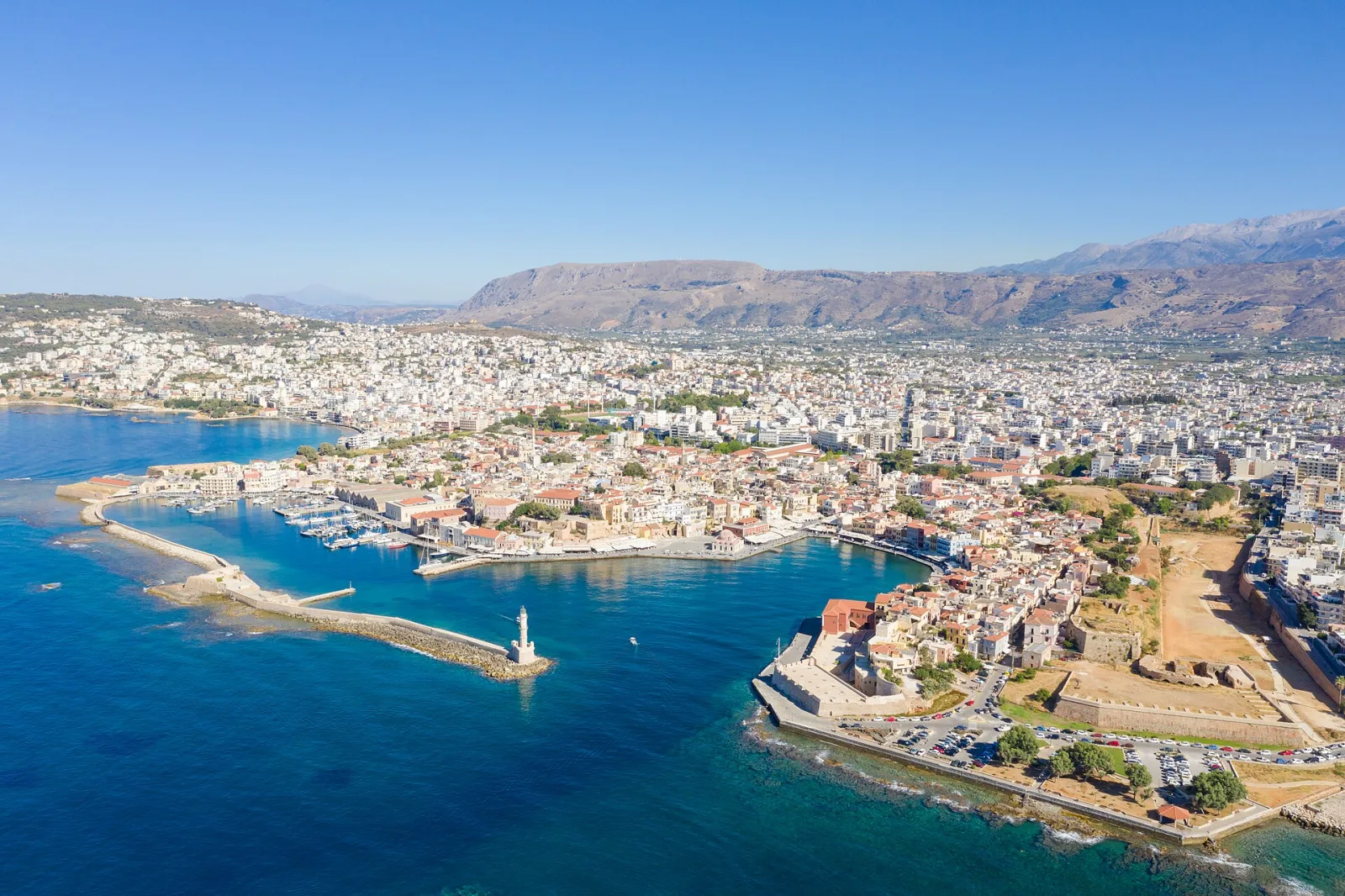
Chania is Crete's most atmospheric town, with a Venetian harbour, a lighthouse and a maze of old lanes. Here is how to make the most of it, from the town itself to the island's famous beaches.
Greek Coffee Houses (Kafeneia) and Their Traditions
Greece's kafeneia are far more than places to grab a coffee. Here is how these traditional gathering spots work, what to order and how to fit in.
Clean Monday in Greece
Clean Monday marks the beginning of Great Lent in Greece, celebrated with outdoor festivities, kite flying, and a traditional meat-free feast.
