


Ouzo, Tsipouro and Raki: Greek Spirits Explained
Understanding the nuances of Greece's traditional spirits is essential for any cultural exploration. This guide details the history, production, and proper etiquette for enjoying Ouzo, Tsipouro, and Raki.
The Foundation of Greek Social Life
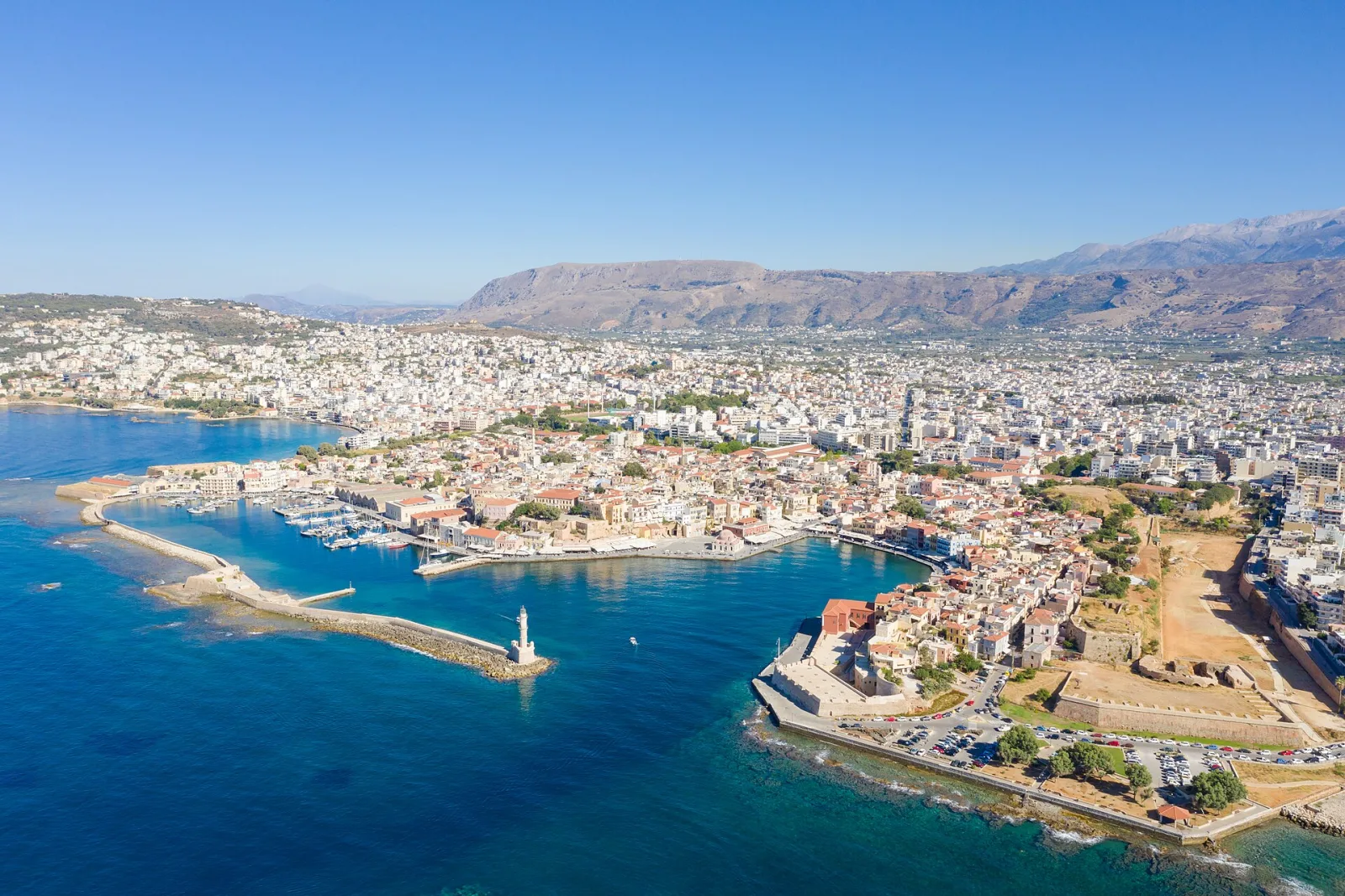
In Greece, drinking is rarely a solitary activity. It is inextricably linked to the concept of the meze—small, flavorful plates designed to be shared over long conversations. Central to this culture are the three primary traditional spirits: Ouzo, Tsipouro, and Raki. While they may look similar in their clear, potent appearance, each has a distinct history, production method, and regional identity.
Ouzo: The Anise-Flavored Icon
Ouzo is perhaps the most internationally recognized Greek spirit. It is a distilled, anise-flavored aperitif that traces its roots back to the tsipouro-making traditions of the 19th century. By law, Ouzo must be produced in Greece. The process involves distilling pure alcohol with a variety of aromatic herbs and seeds, most importantly anise, but often including fennel, coriander, cloves, and cinnamon.
When you pour water into a glass of Ouzo, it turns a milky, opaque white. This is known as the louching effect, caused by the essential oils of the anise reacting with the water. Ouzo is traditionally served with ice and cold water on the side, allowing the drinker to dilute it to their preference. It pairs best with salty, sharp, or briny mezedes, such as grilled octopus, sardines, feta cheese, or olives.

Tsipouro and Tsikoudia: The Pure Distillates
Tsipouro is a grape-based pomace brandy. Unlike Ouzo, which is flavored with herbs, Tsipouro is essentially the pure essence of the grape. It is made from the residue left over after pressing grapes for wine—the skins, seeds, and stems, known as pomace or 'tsipoura'. In many parts of northern Greece, such as Thessaly and Macedonia, it is common to find Tsipouro that has been distilled with anise, which can sometimes cause confusion with Ouzo. However, the non-anise version is the standard in many regions.
In Crete, this same spirit is known as Tsikoudia or Raki. While the production method is nearly identical to Tsipouro, Cretan Raki is typically consumed without anise and is often served at room temperature in small glasses. It is a symbol of Cretan hospitality, frequently offered as a complimentary digestif at the end of a meal in tavernas across the island.
How to Drink Like a Local
The golden rule of drinking these spirits is to never consume them on an empty stomach. The high alcohol content is intended to stimulate the appetite and aid digestion. In a traditional 'tsipouradiko', especially in cities like Volos or Thessaloniki, you do not order drinks individually; you order a round of Tsipouro, and it arrives accompanied by a small plate of meze. As you order more rounds, the kitchen brings increasingly elaborate and varied dishes.
When drinking Raki in Crete, it is common to toast with a hearty 'Stin iyia sou', which translates to 'to your health'. It is polite to sip slowly rather than downing the drink in one go, as these spirits are meant to be savored alongside food and conversation.
Regional Variations
While Ouzo is produced throughout the country, the island of Lesvos is widely considered the epicenter of Ouzo production, with the town of Plomari holding a particularly prestigious reputation. For Tsipouro, the mountainous regions of Epirus and the plains of Thessaly are the most renowned, where the distillation process remains a deeply ingrained autumn ritual. In Crete, the production of Raki is a protected cultural practice, with 'kazanemata' (the distillation days) serving as major social events in rural villages.
Practical Tips
- Always ask for a glass of water on the side if it is not automatically provided.
- If you are unsure whether a spirit contains anise, ask the server; it is a common question.
- In tavernas, Raki is often offered 'on the house' after a meal. It is polite to accept a small glass, even if you only take a few sips.
- Avoid drinking these spirits in the heat of the midday sun; they are best enjoyed in the shade or during the cooler evening hours.
- Check locally for distillery tours, as many producers in areas like Lesvos, Crete, and Tirnavos offer educational visits to explain their specific distillation heritage.
- Remember that these spirits are potent; pace yourself and ensure you are eating plenty of food throughout the session.
Plan your trip to Crete
Compare prices with KAYAKYou'll be taken to KAYAK to compare prices. We may earn a commission at no extra cost to you.
Plan your trip to Crete
🏨Find hotels on Booking.comBooking.comAffiliate links — we may earn a small commission.
Deals from our travel partners
 Flights from Heraklion (Crete) to BelgradeAir Serbia · from 255 EUR
 OFI Crete vs Lech Poznan Tickets - Pankritio Stadium, 2027-01-28Sports Events 365 · from 130 EUR
OFI Crete vs RSC Anderlecht Tickets - Pankritio Stadium, 2026-11-26Sports Events 365 · from 130 EUR
SL Benfica vs OFI Crete Tickets - Estadio da Luz, 2026-12-10Sports Events 365 · from 90 EUR
OFI Crete vs Lech Poznan Tickets - Pankritio Stadium, 2027-01-28Sports Events 365 · from 130 EUR
OFI Crete vs RSC Anderlecht Tickets - Pankritio Stadium, 2026-11-26Sports Events 365 · from 130 EUR
SL Benfica vs OFI Crete Tickets - Estadio da Luz, 2026-12-10Sports Events 365 · from 90 EUR
Affiliate links — we may earn a commission at no extra cost to you.
Related guides
Top Things to Do in Lesvos
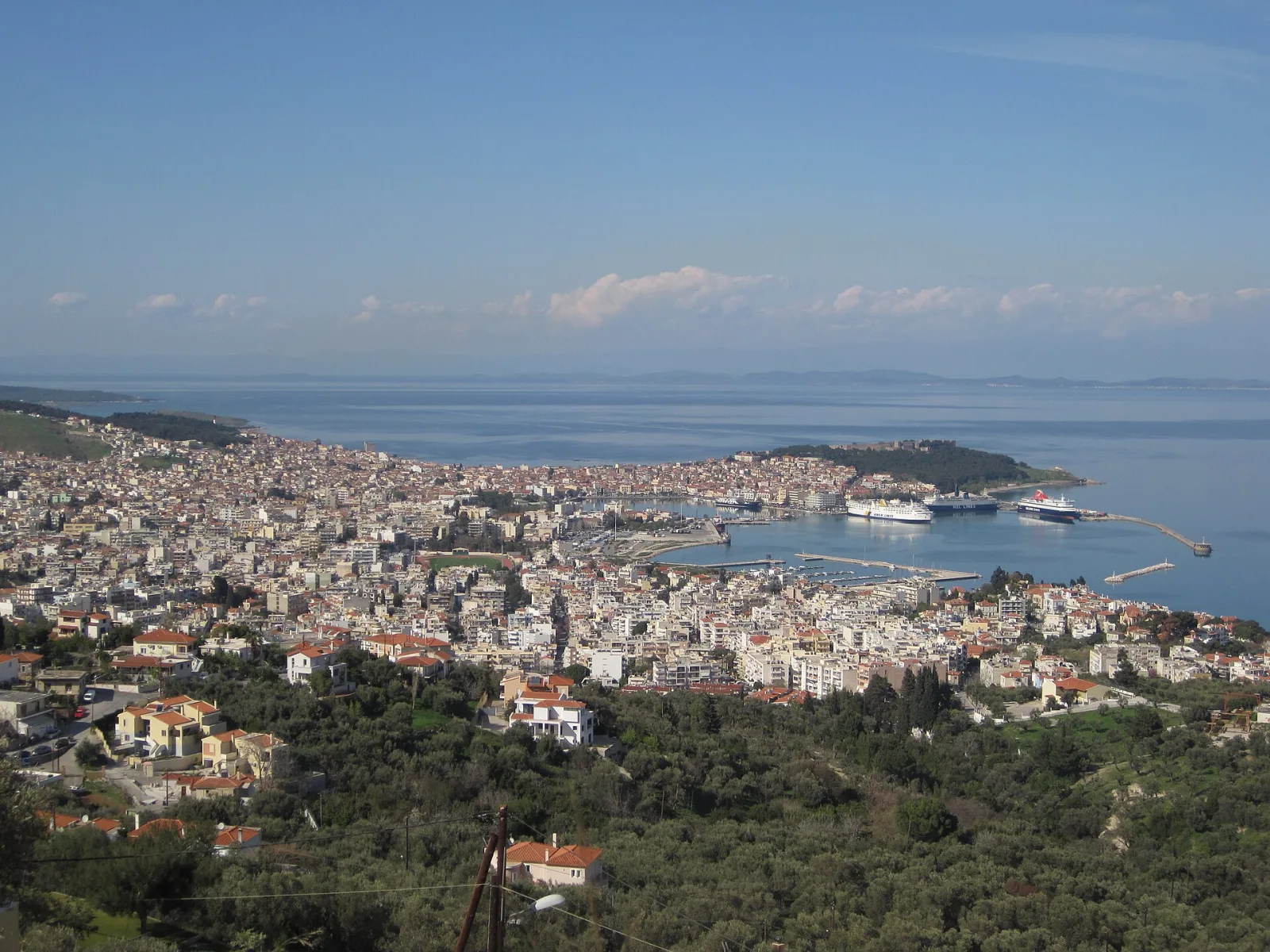
Lesvos is a big, varied island with medieval villages, otherworldly rock formations, olive groves and some of the Aegean's finest ouzo. Here is how to make the most of it.

Top Things to Do in Kastoria
Kastoria rewards slow travellers with misty lake views, frescoed Byzantine churches and grand old mansions. Here is what to see and how to plan your visit.

Meteora in 3 Days: The Perfect Itinerary
Giant sandstone pillars, Byzantine monasteries and some of Greece's best sunsets make Meteora a destination worth three full days. Here is how to spend them well.
