


Paleokastritsa Beaches, Corfu: Bays, Caves and Boat Trips
Paleokastritsa is widely considered the most iconic coastal area of Corfu, defined by its series of indented bays, emerald waters, and lush, olive-covered hillsides.
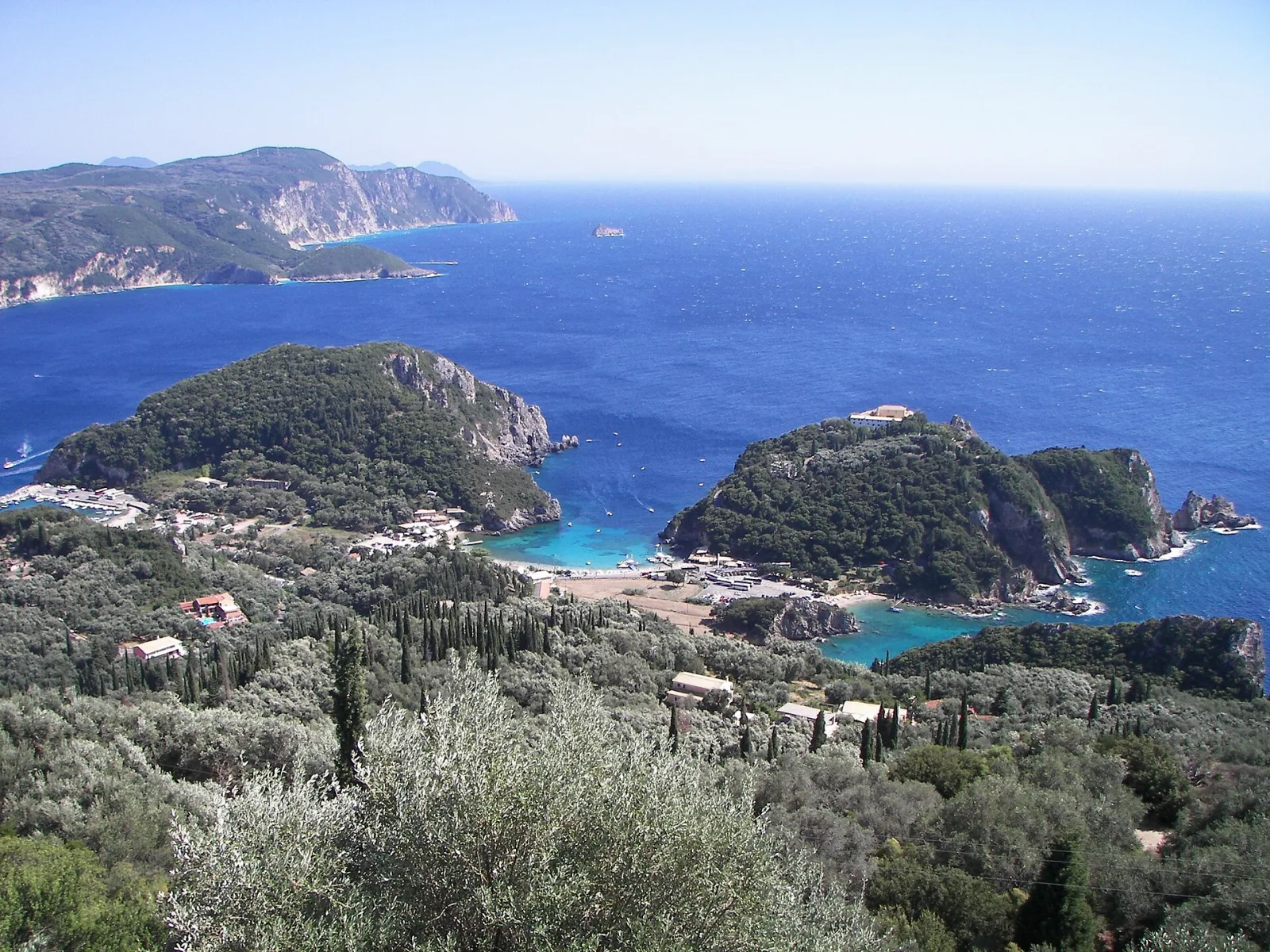
The Landscape of Paleokastritsa
Located on the northwestern coast of Corfu, Paleokastritsa is a collection of six distinct bays and coves that have become synonymous with the island's natural beauty. Unlike the long, sandy stretches found elsewhere in the Ionian, this area is characterized by dramatic limestone cliffs that plunge directly into the sea. The water here is famously cool and exceptionally clear, often taking on a vibrant turquoise hue due to the underwater currents and the white pebble seabeds.
The main beach, often referred to as the central bay, is the most accessible and provides a hub for local activity. From here, the coastline fractures into smaller, more secluded coves such as Agia Triada, Agios Petros, and Ampelaki. Each bay offers a slightly different perspective of the rugged terrain, with dense vegetation providing a striking contrast to the pale rock formations.
Exploring by Boat
The geography of Paleokastritsa makes it an ideal location for boat exploration. Much of the coastline is inaccessible by road, meaning that the most pristine spots are only reachable via the water. Small motorboats are available for hire, and local boatmen operate regular trips to the nearby sea caves, such as the Nausicaa cave, which is celebrated for its deep blue reflections. These excursions are the best way to bypass the crowds on the main beaches and find a quiet corner of the Ionian Sea to swim in peace.

The Monastery and the View
Perched high above the bays is the historic Monastery of the Virgin of Paleokastritsa. Dating back to the 13th century, the monastery is a peaceful retreat from the activity of the beaches below. The walk up is steep, but it offers perhaps the most famous panoramic view of the entire Paleokastritsa region. From the monastery gardens, you can see the way the coastline curves into the sea, providing a clear understanding of why this area has been a focal point for travellers for generations.
Practical Considerations
The popularity of Paleokastritsa means that the main beaches can become quite busy during the peak summer months of July and August. To experience the area at its most tranquil, it is advisable to visit early in the morning or later in the afternoon when the day-trip crowds have departed. Because the water is deep and often cooler than other parts of the island, swimmers should be aware of the sudden drop-offs and the occasional current that can occur around the headlands.
The area is well-served by local tavernas and cafes, many of which are situated along the road overlooking the bays. These establishments offer an excellent opportunity to try local Corfiot specialties, such as pastitsada—a slow-cooked meat dish served with pasta—or a glass of chilled kumquat liqueur, which is a signature product of Corfu.
Safety and Access
Access to the various bays is primarily by road, with parking areas near the main beaches. However, be prepared for narrow, winding roads that characterize this part of the island. Some of the smaller, more secluded beaches require a short hike down steep paths, so sturdy footwear is recommended. Always check locally regarding any restrictions on cliff jumping or swimming near rockfall-prone areas, as the geological nature of the cliffs can change after winter storms.
Practical Tips for Visitors
- Visit during the shoulder seasons of May, June, or September for fewer crowds and more comfortable temperatures.
- Bring water shoes, as the beaches are primarily pebbled rather than sandy.
- Use the local boat services to reach the isolated caves and coves that are not accessible by foot.
- Combine your beach day with a visit to the monastery, but remember to dress modestly when entering the religious site.
- Check locally for bus schedules if you are relying on public transport from Corfu Town, as frequencies change throughout the season.
- Always keep an eye on weather conditions; the Ionian Sea can change quickly, and boat trips may be cancelled if the wind conditions are unfavorable.
Plan your trip to Corfu
Compare prices with KAYAKYou'll be taken to KAYAK to compare prices. We may earn a commission at no extra cost to you.
Plan your trip to Corfu
🏨Find hotels on Booking.comBooking.comAffiliate links — we may earn a small commission.
Deals from our travel partners
 PAOK Thessaloniki vs BC Lietkabelis Tickets - PAOK Arena, 2026-12-19Sports Events 365 · from 102 EUR
PAOK Thessaloniki vs Balkan Botevgrad Tickets - PAOK Arena, 2027-01-13Sports Events 365 · from 102 EUR
Olympiacos Pireus vs Bayern Munich Tickets - Peace & Friendship Stadium, 2027-02-05Sports Events 365 · from 120 EUR
PAOK Thessaloniki vs Ratiopharm Ulm Tickets - PAOK Arena, 2026-10-21Sports Events 365 · from 102 EUR
PAOK Thessaloniki vs BC Lietkabelis Tickets - PAOK Arena, 2026-12-19Sports Events 365 · from 102 EUR
PAOK Thessaloniki vs Balkan Botevgrad Tickets - PAOK Arena, 2027-01-13Sports Events 365 · from 102 EUR
Olympiacos Pireus vs Bayern Munich Tickets - Peace & Friendship Stadium, 2027-02-05Sports Events 365 · from 120 EUR
PAOK Thessaloniki vs Ratiopharm Ulm Tickets - PAOK Arena, 2026-10-21Sports Events 365 · from 102 EUR
Affiliate links — we may earn a commission at no extra cost to you.
Related guides

Greece on a Honeymoon: Romantic Destinations
Greece offers an unparalleled backdrop for a romantic getaway, blending ancient history with breathtaking coastal scenery. From serene island sunsets to mountain escapes, here is how to plan your dream honeymoon.
Top Things to Do in Corfu
Corfu offers a unique blend of Venetian architecture, lush landscapes, and crystal-clear Ionian waters. Explore this comprehensive guide to the island's top sights and experiences.
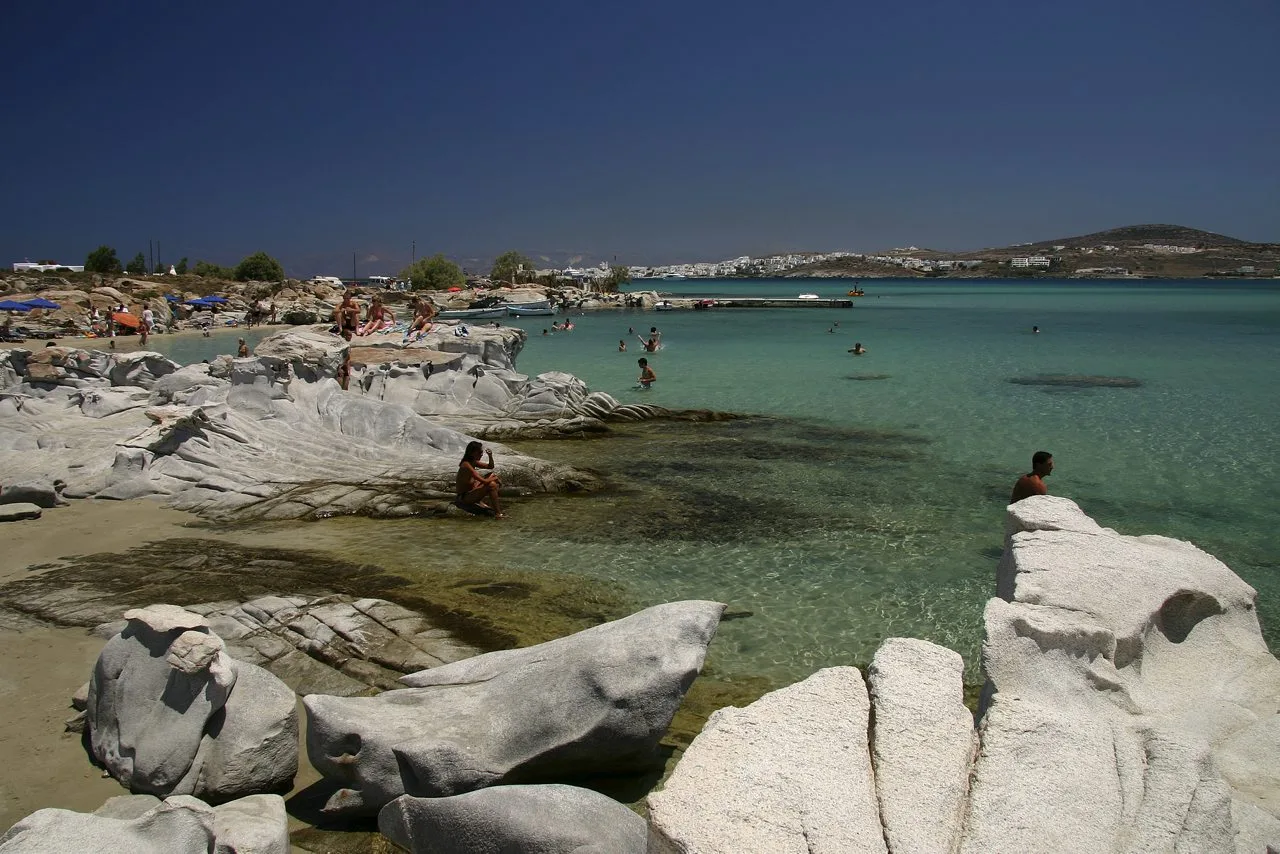
Kolymbithres Beach, Paros: Swimming Among Sculpted Rocks
Kolymbithres Beach is one of the most distinctive coastal spots in the Cyclades, famous for its smooth, wind-sculpted granite boulders that break the shoreline into a series of small, sandy coves.
