


Santorini Wine Guide: Assyrtiko, Vinsanto and Winery Visits
Explore the volcanic vineyards of Santorini, where ancient viticulture techniques produce some of the most distinctive and sought-after wines in the Mediterranean.

The Volcanic Terroir of Santorini
Santorini is not only famous for its dramatic caldera views and whitewashed architecture but also for its ancient viticulture. The island’s unique volcanic soil, known as aspa, is composed of pumice, lava, and ash. This porous, nutrient-poor earth, combined with the intense Aegean sun and the constant sea spray, creates a challenging environment for vines. To survive, the plants have adapted by growing in a distinctive basket shape, known as kouloura. These low-to-the-ground, circular wreaths protect the grapes from the fierce island winds and help retain the limited moisture trapped in the soil.
The King of Whites: Assyrtiko
The star of the Santorini vineyard is the Assyrtiko grape. This indigenous variety is renowned for its high acidity, mineral backbone, and citrus notes. Because of the volcanic soil, Assyrtiko often displays a subtle salinity that pairs perfectly with the island’s fresh seafood. While Assyrtiko is the primary varietal, winemakers often blend it with smaller amounts of Athiri and Aidani to soften its sharp edges and add floral complexity. When tasting, look for the distinction between unoaked versions, which highlight the grape's raw, electric acidity, and barrel-aged selections, which offer a creamier texture and notes of toasted nuts.
The Legacy of Vinsanto
No exploration of Santorini’s wine culture is complete without Vinsanto. This historic dessert wine has been produced on the island for centuries. Unlike other sweet wines made from botrytized grapes, Vinsanto is crafted from sun-dried grapes. After the harvest, the grapes are spread out on mats under the intense summer sun for several days, concentrating the sugars and flavors. The resulting juice is fermented and then aged in oak barrels for several years. The final product is a deep amber liquid with rich aromas of dried apricots, raisins, honey, and caramel, balanced by a surprising, refreshing acidity that prevents it from being cloyingly sweet.

Planning Your Winery Visit
The island is home to numerous wineries, many of which are located in the interior near the villages of Pyrgos, Megalochori, and Exo Gonia. Most offer organized tastings that provide an excellent introduction to the island’s viticultural history. When visiting, it is best to focus on the traditional varieties. Many wineries offer flights that allow you to compare different expressions of Assyrtiko alongside their signature Vinsanto. It is common to pair these tastings with local appetizers, such as tomato gefthedes (tomato fritters), fava (a yellow split pea puree), and local goat cheeses, which highlight the mineral characteristics of the wine.
How and When to Drink
In Greece, wine is rarely consumed in isolation; it is a central part of the dining experience. Locals typically enjoy their white wines well-chilled alongside mezedes (small plates) during long, leisurely lunches or dinners. Vinsanto is traditionally served as a digestif at the end of a meal, often accompanied by a small piece of almond pastry or simply enjoyed on its own as a contemplative glass at sunset. When ordering at a tavern, ask for the house wine if you are looking for something approachable, or consult the menu for a bottle of local Assyrtiko to elevate your meal.
Useful Greek Wine Terminology
- Krasí: Wine
- Áspro: White
- Kókkino: Red
- Glykó: Sweet
- Oinopoiío: Winery
- Potíri: Glass
- Fáli: Bottle
Practical Tips
- Transportation: If you plan on visiting multiple wineries in one day, consider hiring a taxi or booking an organized wine tour to avoid driving. If you choose to rent a car, ensure you have a designated driver.
- Reservations: While some wineries accept walk-ins, it is highly recommended to book your tasting sessions in advance, especially during the peak summer months.
- Timing: Aim to visit wineries in the late morning or mid-afternoon to avoid the largest crowds and the heat of the day.
- Sun Protection: Even when visiting wineries, you are likely to be outdoors. Wear a hat and sunscreen, as the reflection of the sun off the white buildings and volcanic stone can be intense.
- Check Locally: Always check locally for current tasting fees and the availability of guided tours, as these can change depending on the season.
Plan your trip to Santorini
Compare prices with KAYAKYou'll be taken to KAYAK to compare prices. We may earn a commission at no extra cost to you.
Plan your trip to Santorini
🏨Find hotels on Booking.comBooking.comAffiliate links — we may earn a small commission.
Deals from our travel partners
 Aris Thessaloniki vs Rostock Tickets - Nick Galis Hall, 2026-12-22Sports Events 365 · from 102 EUR
PAOK Thessaloniki vs Balkan Botevgrad Tickets - PAOK Arena, 2027-01-13Sports Events 365 · from 102 EUR
Aris Thessaloniki vs San Pablo Burgos Tickets - Nick Galis Hall, 2026-12-09Sports Events 365 · from 102 EUR
Olympiacos F.C. vs Sparta Prague Tickets - Karaiskaki Stadium, 2026-10-22Sports Events 365 · from 176 EUR
Aris Thessaloniki vs Rostock Tickets - Nick Galis Hall, 2026-12-22Sports Events 365 · from 102 EUR
PAOK Thessaloniki vs Balkan Botevgrad Tickets - PAOK Arena, 2027-01-13Sports Events 365 · from 102 EUR
Aris Thessaloniki vs San Pablo Burgos Tickets - Nick Galis Hall, 2026-12-09Sports Events 365 · from 102 EUR
Olympiacos F.C. vs Sparta Prague Tickets - Karaiskaki Stadium, 2026-10-22Sports Events 365 · from 176 EUR
Affiliate links — we may earn a commission at no extra cost to you.
Related guides
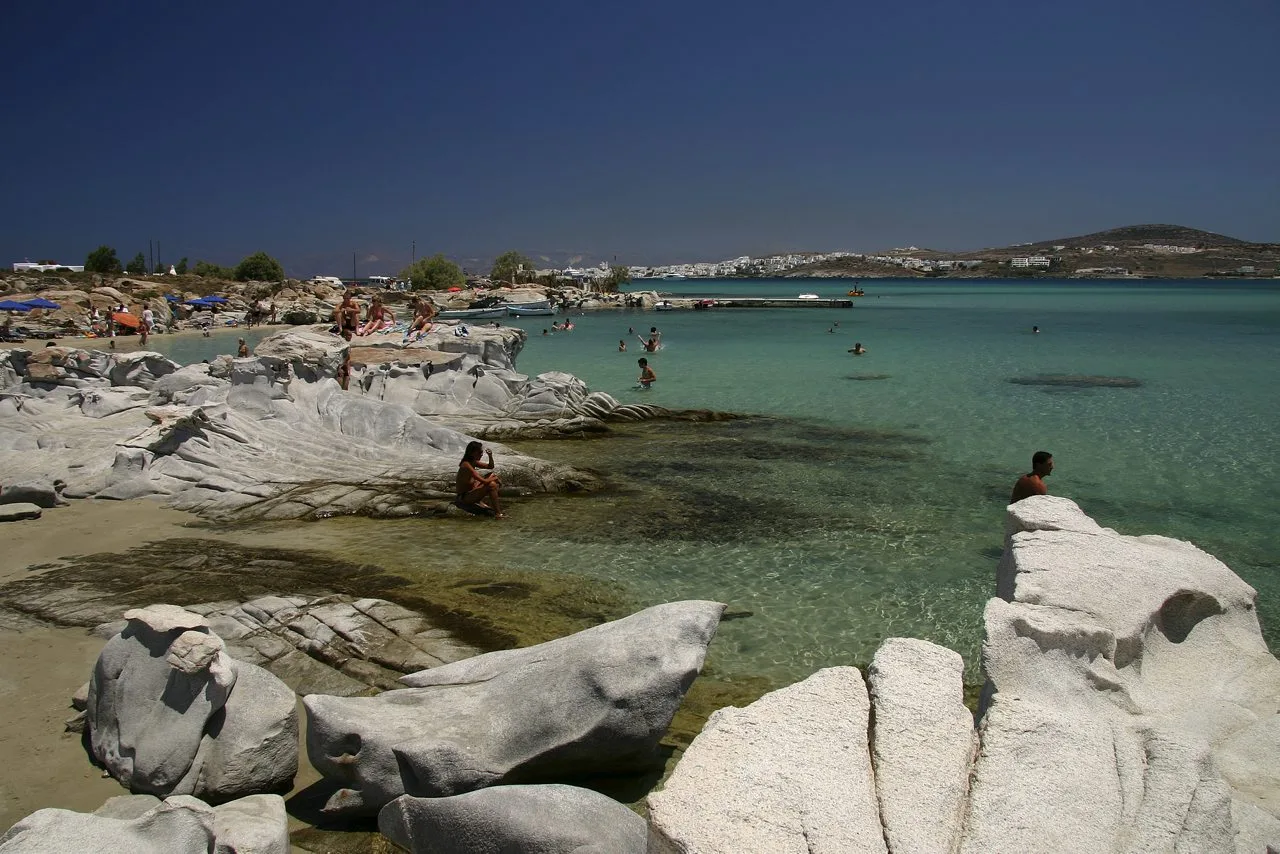
Top Things to Do in Paros
From whitewashed harbours and Venetian forts to sculpted rock beaches and mountain villages, Paros rewards travellers who look beyond the postcard. Here are the experiences worth planning around.
Greek Wine Tours by Region
Greece has one of the oldest winemaking traditions in the world, and its vineyards range from volcanic islands to mountain valleys. Here is how to plan a wine tour by region.
Greece on a Honeymoon: Romantic Destinations
Greece offers an unparalleled backdrop for a romantic getaway, blending ancient history with breathtaking coastal scenery. From serene island sunsets to mountain escapes, here is how to plan your dream honeymoon.
