


Sarakiniko, Milos: The Moon-Like Beach of the Cyclades
Sarakiniko is the most iconic landscape on Milos, featuring smooth, white volcanic rock formations that plunge into the turquoise Aegean Sea.
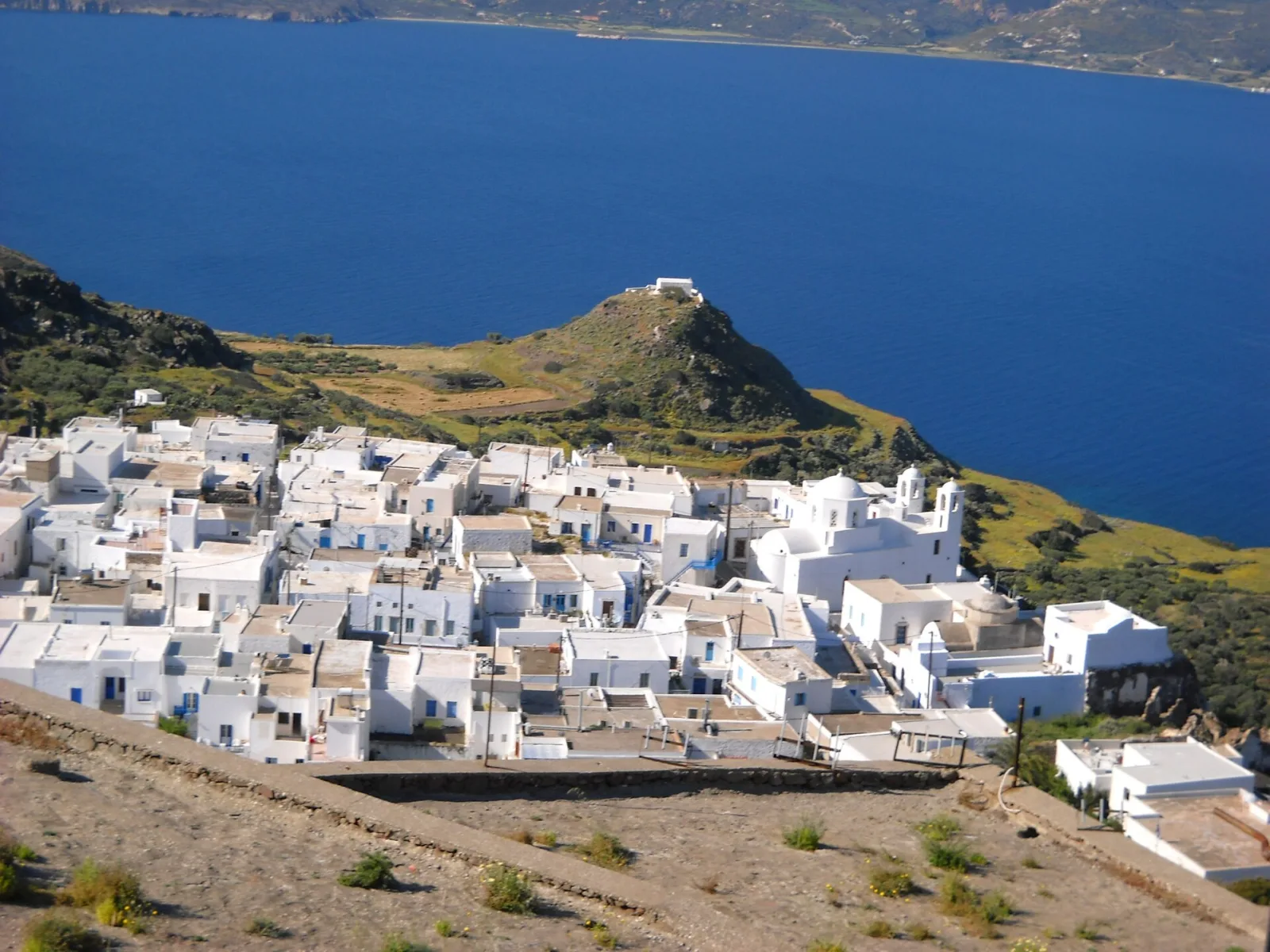
The Lunar Landscape of Sarakiniko
Sarakiniko is not a beach in the traditional sense of sand and umbrellas. Instead, it is a vast, sculptural expanse of volcanic rock that has been polished smooth by centuries of wind and sea. The stark white stone contrasts sharply with the deep, crystalline blue of the Aegean, creating a visual experience that is frequently compared to the surface of the moon. Located on the northern coast of Milos, this formation is the result of the island’s intense volcanic history, which has blessed the region with some of the most dramatic geology in the Cyclades.
As you walk across the undulating white rock, you will notice deep crevices and natural arches carved by the elements. The main swimming area is a small, narrow cove with a sandy bottom, but the true allure of Sarakiniko lies in the ability to find your own private spot on the surrounding cliffs. You can jump from various heights into the deep, clear water or simply lounge on the warm, sun-baked stone. It is a place that feels otherworldly, particularly when the sunlight hits the white rock at midday, creating a brilliant, almost blinding glow.
How to Reach the Beach
Getting to Sarakiniko is straightforward, as it is well-connected to the main road network of Milos. From the main port area of Adamas or the capital, Plaka, you can reach the beach by car, scooter, or local bus. The road leads to a parking area, from which it is a short walk down a wide, gentle path to the coastline. While the path is accessible, the terrain at the beach itself is uneven and requires sturdy footwear. If you prefer a different perspective, many boat tours departing from Adamas include a stop at Sarakiniko, allowing you to swim in the waters directly off the white cliffs.

Safety and Practical Considerations
Because Sarakiniko is an open, exposed landscape, there is very little natural shade. The white rock reflects the sun intensely, making it vital to carry plenty of water, wear high-factor sunscreen, and bring a hat. There are no permanent facilities on the rock itself, so come prepared with everything you need for the day. While the main cove is protected, the northern coast can be subject to the meltemi winds; when these winds are strong, the sea can become choppy, and swimming off the exposed rocks may not be safe. Always observe local conditions and avoid jumping from the cliffs if the sea state is turbulent or if you are not a confident swimmer.
Due to its popularity, Sarakiniko can become very crowded during the peak summer months. To experience the site in a more tranquil state, plan your visit for the early morning or late afternoon. Not only will you avoid the largest crowds, but the quality of light during these hours is perfect for photography, as the shadows accentuate the unique curves and craters of the volcanic rock.
Beyond the Moonscape
While Sarakiniko is the highlight of the northern coast, Milos offers a wealth of other experiences that complement a day at the beach. A short drive away, you can explore the traditional fishing villages of Klima and Firopotamos, where colourful 'syrmata'—boat garages with vibrant doors—sit right at the water's edge. History enthusiasts should not miss the ancient theatre, situated near the spot where the famous Venus de Milo statue was discovered, or the nearby Early Christian catacombs.
For a complete change of scenery, head south to board a boat trip to Kleftiko. These sea caves, accessible only by water, feature towering white rock formations and hidden tunnels that are perfect for snorkeling. If you are looking for a sunset view, head up to the Kastro in Plaka; the panorama over the Gulf of Milos as the sun dips below the horizon is a highlight of any trip to the island.
Practical Tips for Visitors
- Check locally regarding bus routes and frequency, as these change depending on the season.
- Wear rubber-soled sandals or water shoes to navigate the smooth, sometimes slippery rock surfaces safely.
- Bring a dry bag for your belongings, as there is nowhere to store items securely on the open rock.
- Respect the geology; do not climb on fragile formations and always pack out whatever you bring with you to keep the area pristine.
- Consider visiting during the shoulder months of June or September to enjoy the landscape without the intense heat and heavy crowds of mid-summer.
Plan your trip to Athens
Compare prices with KAYAKYou'll be taken to KAYAK to compare prices. We may earn a commission at no extra cost to you.
Plan your trip to Athens
🏨Find hotels on Booking.comBooking.comAffiliate links — we may earn a small commission.
Deals from our travel partners
 Panathinaikos Athens vs Armani Olimpia Milano Tickets - Olympic Stadium Athens Telekom Ce…Sports Events 365 · from 271 EUR
Panathinaikos Athens vs Kirolbet Baskonia Vitoria Tickets - Olympic Stadium Athens Teleko…Sports Events 365 · from 271 EUR
Panathinaikos Athens vs FC Barcelona Lassa Tickets - Olympic Stadium Athens Telekom Cente…Sports Events 365 · from 326 EUR
Virtus Bologna vs Panathinaikos Athens Tickets - PalaDozza, 2026-11-17Sports Events 365 · from 133 EUR
Panathinaikos Athens vs Armani Olimpia Milano Tickets - Olympic Stadium Athens Telekom Ce…Sports Events 365 · from 271 EUR
Panathinaikos Athens vs Kirolbet Baskonia Vitoria Tickets - Olympic Stadium Athens Teleko…Sports Events 365 · from 271 EUR
Panathinaikos Athens vs FC Barcelona Lassa Tickets - Olympic Stadium Athens Telekom Cente…Sports Events 365 · from 326 EUR
Virtus Bologna vs Panathinaikos Athens Tickets - PalaDozza, 2026-11-17Sports Events 365 · from 133 EUR
Affiliate links — we may earn a commission at no extra cost to you.
Related guides
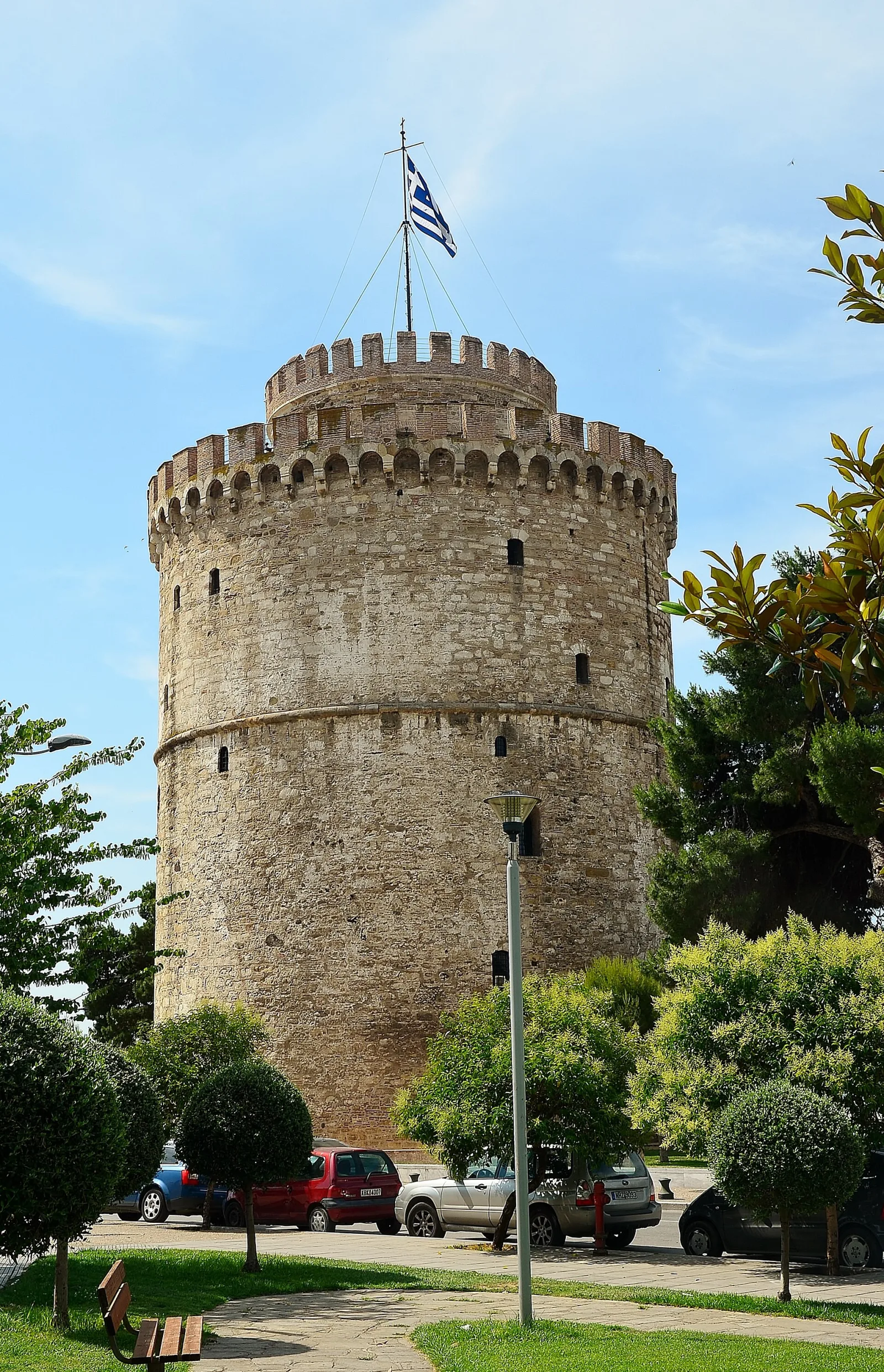
Thessaloniki in 3 Days: The Perfect Itinerary
Thessaloniki rewards slow exploring. This three-day plan covers Roman and Byzantine monuments, the waterfront, old-town lanes and the city's famously good food.
Top Things to Do in Kalamata
Kalamata is a relaxed seaside city famous for its olives, with a charming old town, a hilltop castle and a long sandy beach. It also makes an ideal base for exploring Messinia and the Mani.
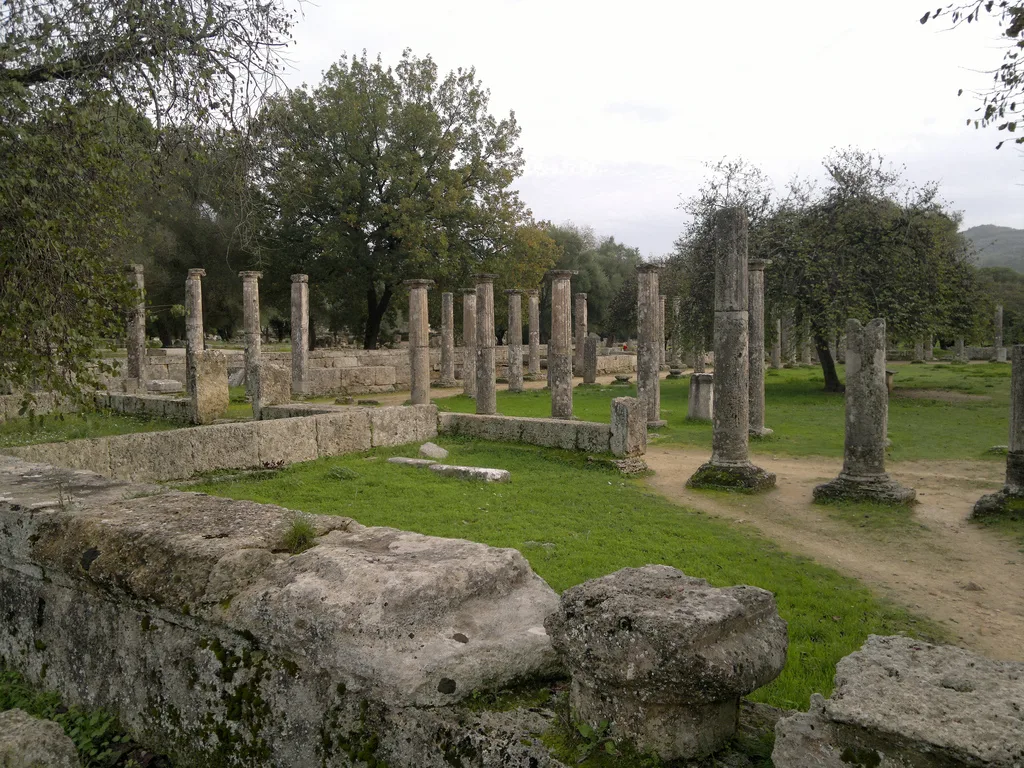
Top Things to Do in Olympia
Olympia is far more than a quick stop on a Peloponnese itinerary. Explore the sanctuary of Zeus, the ancient stadium, world-class museums and the local wine country.
