


Sifnos Food: Revithada, Mastelo and Clay-Pot Cooking
Sifnos is renowned across the Cyclades for its deep-rooted culinary traditions, centered on slow-cooked clay-pot recipes and locally sourced ingredients.

The Culinary Heritage of Sifnos
Sifnos holds a unique position in the Greek gastronomic landscape. While many Cycladic islands focus on fresh seafood, Sifnos has cultivated a reputation for sophisticated, slow-cooked dishes born from a long history of pottery production. The island’s clay-pot cooking tradition, known as tsikalaki, defines its identity. Because the soil on Sifnos is rich in high-quality clay, the island has supported generations of potters who craft the specialized vessels essential for the local cuisine. These pots, designed to distribute heat evenly, transform simple, humble ingredients into meals of exceptional depth.
Revithada: The Sunday Ritual
The most iconic dish on the island is revithada, a slow-baked chickpea stew. This dish is deeply embedded in the local culture and is traditionally prepared on Saturday evenings to be eaten after church on Sunday mornings. The preparation is straightforward but requires patience: chickpeas are soaked overnight, then placed in a clay pot with water, onions, olive oil, bay leaves, and sometimes a touch of rosemary. The pot is sealed with a lid—often using a dough seal to trap the moisture—and placed in a wood-fired oven. The result is a creamy, comforting stew where the chickpeas become incredibly tender. It is a staple of Sifnos life, symbolizing community and the rhythm of the week.
Mastelo: The Celebration Dish
If revithada is the dish of the everyday, mastelo is the dish of celebration. Named after the clay pot in which it is cooked, mastelo consists of lamb or goat, usually marinated in red wine and seasoned with plenty of fresh dill. The meat is placed on a rack of vine branches inside the clay vessel, which allows the fat to drip away while the meat steams in the wine and juices. This method ensures the meat is succulent and infused with the aromatic scent of the vine wood. It is a dish frequently prepared for Easter and major family gatherings, highlighting the Sifnian preference for slow-roasting techniques that honor the quality of local livestock.

The Role of Pottery and Local Ingredients
The connection between the kitchen and the pottery workshop is inseparable on Sifnos. Many traditional recipes, including various vegetable stews and baked fish dishes, rely on the properties of the local earthenware. Beyond these signature dishes, the island produces excellent capers, sun-dried tomatoes, and local cheeses like manoura, which is aged in wine dregs, giving it a sharp, distinct flavor. Honey is another local specialty, often used in desserts like melopita, a simple honey pie made with mizithra cheese, honey, and cinnamon, reflecting the island's agricultural bounty.
Dining Like a Local
To experience Sifnian cuisine properly, look for traditional tavernas that emphasize oven-baked dishes rather than just grilled options. While coastal spots offer fresh catches of the day, the inland villages and the hillsides are where the true clay-pot traditions thrive. It is common for locals to enjoy long lunches that stretch into the late afternoon, accompanied by local wine. When ordering, look for the word 'mastelo' on the menu, as it is a seasonal or celebratory specialty that is not always available daily. Engaging with the pottery workshops in villages like Vathi or Artemonas can also provide context for the tools used to create these flavors.
Useful Greek Culinary Terms
- Tsikali: The traditional clay pot used for slow cooking.
- Revithada: The signature chickpea stew.
- Mastelo: The slow-roasted lamb or goat dish.
- Melopita: A sweet honey and cheese pie.
- Manoura: A local cheese aged in wine lees.
- Psito: Generally refers to roasted meat, but on Sifnos, often implies oven-baked excellence.
Practical Tips for Travelers
- Check Locally: Since many traditional dishes are prepared for specific days or seasons, ask your hosts or staff at local tavernas when the next batch of revithada or mastelo is being prepared.
- Transport: Sifnos has no airport. Arrive via ferry from Piraeus or use the connection from nearby Milos. Once on the island, the bus network is efficient, but renting a vehicle provides more freedom to reach remote tavernas.
- Hiking for Appetite: Sifnos has an extensive network of marked trails. Hiking between villages like Apollonia, Kastro, and Artemonas is a perfect way to build an appetite for a traditional meal.
- Pottery Workshops: Visit the workshops to see the artisans at work; they can explain the specific clay shapes used for different types of cooking.
- Reservations: During the peak summer months, popular tavernas in the main villages can fill up quickly in the evenings, so check locally regarding the need for reservations.
Plan your trip to Athens
Compare prices with KAYAKYou'll be taken to KAYAK to compare prices. We may earn a commission at no extra cost to you.
Plan your trip to Athens
🏨Find hotels on Booking.comBooking.comAffiliate links — we may earn a small commission.
Deals from our travel partners
 Flights from Athens to TivatAir Serbia · from 440 EUR
 Flights from Athens to ZurichAir Serbia · from 415 EUR
 Flights from Athens to BarcelonaAir Serbia · from 192 EUR
 Flights from Athens to BelgradeAir Serbia · from 594 EUR
Affiliate links — we may earn a commission at no extra cost to you.
Related guides

Meteora in 3 Days: The Perfect Itinerary
Giant sandstone pillars, Byzantine monasteries and some of Greece's best sunsets make Meteora a destination worth three full days. Here is how to spend them well.
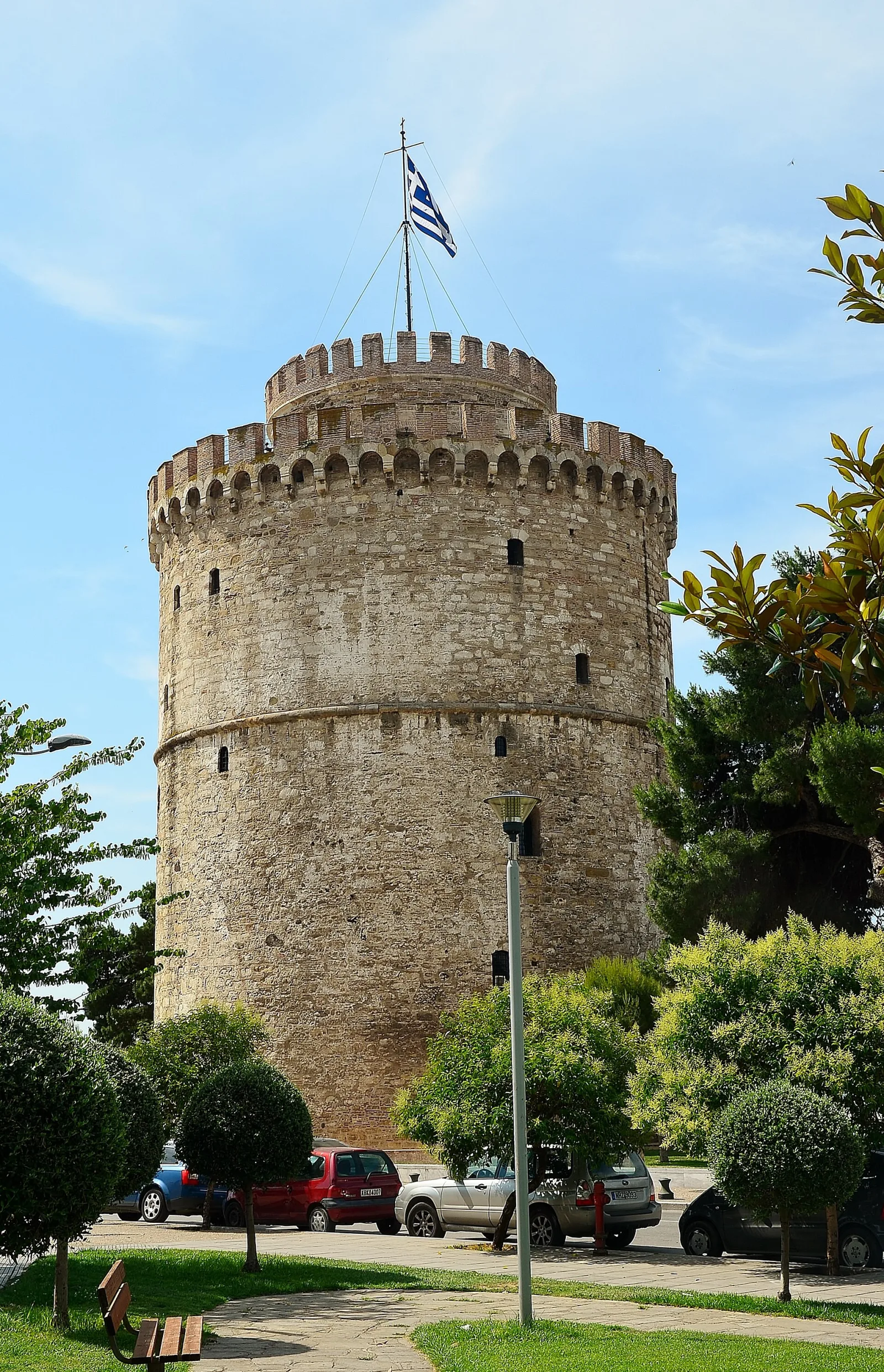
Thessaloniki in 3 Days: The Perfect Itinerary
Thessaloniki rewards slow exploring. This three-day plan covers Roman and Byzantine monuments, the waterfront, old-town lanes and the city's famously good food.
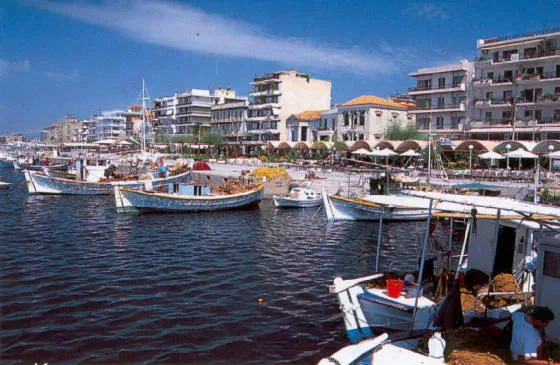
Top Things to Do in Kalamata
Kalamata is a relaxed seaside city famous for its olives, with a charming old town, a hilltop castle and a long sandy beach. It also makes an ideal base for exploring Messinia and the Mani.
