


Souvlaki vs Gyros: The Ultimate Guide to Greek Street Food
Understanding the difference between souvlaki and gyros is essential for any traveler. This guide breaks down the ingredients, terminology, and etiquette for eating Greece's favorite street food.

Decoding the Classics
For many visitors to Greece, the first stop after dropping their bags is the nearest street food stall. The aroma of charcoal smoke and roasting meat is a hallmark of the Greek urban experience. However, newcomers often find themselves confused by the terminology. While the terms are sometimes used interchangeably in casual conversation, there is a distinct difference between souvlaki and gyros.
At its core, souvlaki refers to small pieces of meat—usually pork or chicken—skewered and grilled over an open fire. The word itself comes from the Greek 'souvla', meaning skewer. When you order a souvlaki, you are typically getting a skewer of marinated, grilled meat. A gyros, on the other hand, is meat cooked on a large, vertical rotisserie. The name 'gyros' comes from the Greek word for 'turn' or 'rotate.' As the meat cooks, thin shavings are sliced off and served.
The Anatomy of a Wrap
In most parts of Greece, when you order a 'pita souvlaki' or 'pita gyros', you are receiving a pita bread wrap filled with meat, vegetables, and sauce. The assembly is a standardized art form. The pita is lightly brushed with oil and warmed on the grill until it is soft and pliable. It is then spread with a base of tzatziki, a refreshing dip made from strained yogurt, cucumber, garlic, and dill.

The meat is placed in the center, followed by fresh garnishes. The standard 'classic' wrap includes sliced tomatoes, red onions, and parsley. In many regions, you will also find thin-cut, golden-fried potatoes tucked inside the wrap. This combination creates a balance of textures—the crunch of the onion, the creaminess of the tzatziki, the char of the meat, and the softness of the pita.
Regional Variations and Preferences
While the basic concept remains the same across the country, regional preferences can change what you find on your plate. In Northern Greece, particularly in cities like Thessaloniki, the terminology shifts slightly. If you order a 'pita gyros', you might find that tzatziki is replaced by a dollop of mustard or a spicy cheese dip known as 'tyrokafteri'. Do not be surprised if the staff asks if you want 'ap'ola'—which translates to 'with everything'—meaning the full suite of available ingredients.
In Athens and the southern mainland, tzatziki is the default accompaniment for pork, while chicken is almost always paired with a yellow mustard-based sauce or a garlic-mayonnaise dressing. On the islands, you may find variations that incorporate local produce, such as the addition of capers or local cheeses like feta or manouri, though the classic preparation remains the most popular choice for a quick lunch.
How to Eat Like a Local
Street food in Greece is rarely a formal affair. It is designed to be eaten on the go, often while standing at a high-top table outside the shop or walking through a bustling square. If you are sitting down at a 'souvlatzidiko'—a traditional souvlaki shop—you might prefer to order your meat as a 'merida' or portion. This is served on a plate with the pita bread cut into triangles on the side, along with a larger serving of tzatziki, tomatoes, and onions.
Timing is flexible. While these shops are popular for lunch, they are also the primary destination for late-night dining. It is common to see crowds gathering at these stalls well past midnight, as a pita wrap is considered the quintessential post-socializing meal.
Useful Vocabulary
- Pita: The circular, soft flatbread used as the base.
- Kalamaki: The specific word for the skewer itself (often used in Athens).
- Tyrokafteri: A spicy, piquant cheese spread often added to wraps.
- Ap'ola: 'With everything'—the standard way to request the full assembly of ingredients.
- Merida: A full plate portion rather than a handheld wrap.
Practical Tips
- Check locally regarding the specific sauce pairings for chicken versus pork, as these can vary significantly between regions.
- If you have dietary restrictions, ask for the ingredients list. Many shops offer vegetarian pita wraps filled with halloumi or grilled vegetables instead of meat.
- When ordering at a busy shop, observe the queueing system; some places require you to pay at a register first and then present your receipt to the grill master.
- Don't be afraid to ask for 'extra' of a specific ingredient, such as more parsley or extra tzatziki, if you prefer a sharper flavor profile.
Plan your trip to Athens
Compare prices with KAYAKYou'll be taken to KAYAK to compare prices. We may earn a commission at no extra cost to you.
Plan your trip to Athens
🏨Find hotels on Booking.comBooking.comAffiliate links — we may earn a small commission.
Deals from our travel partners
 Panathinaikos Athens vs Armani Olimpia Milano Tickets - Olympic Stadium Athens Telekom Ce…Sports Events 365 · from 271 EUR
Panathinaikos Athens vs Kirolbet Baskonia Vitoria Tickets - Olympic Stadium Athens Teleko…Sports Events 365 · from 271 EUR
Panathinaikos Athens vs FC Barcelona Lassa Tickets - Olympic Stadium Athens Telekom Cente…Sports Events 365 · from 326 EUR
Virtus Bologna vs Panathinaikos Athens Tickets - PalaDozza, 2026-11-17Sports Events 365 · from 133 EUR
Panathinaikos Athens vs Armani Olimpia Milano Tickets - Olympic Stadium Athens Telekom Ce…Sports Events 365 · from 271 EUR
Panathinaikos Athens vs Kirolbet Baskonia Vitoria Tickets - Olympic Stadium Athens Teleko…Sports Events 365 · from 271 EUR
Panathinaikos Athens vs FC Barcelona Lassa Tickets - Olympic Stadium Athens Telekom Cente…Sports Events 365 · from 326 EUR
Virtus Bologna vs Panathinaikos Athens Tickets - PalaDozza, 2026-11-17Sports Events 365 · from 133 EUR
Affiliate links — we may earn a commission at no extra cost to you.
Related guides

Top Things to Do in Karpathos
Rugged, unhurried and full of character, Karpathos rewards travellers who venture beyond the port. Here are the experiences worth planning your days around.

Top Things to Do in Agios Nikolaos
Agios Nikolaos is one of Crete's most appealing seaside towns, built around a small lake and within easy reach of Spinalonga, Elounda and the mountains.
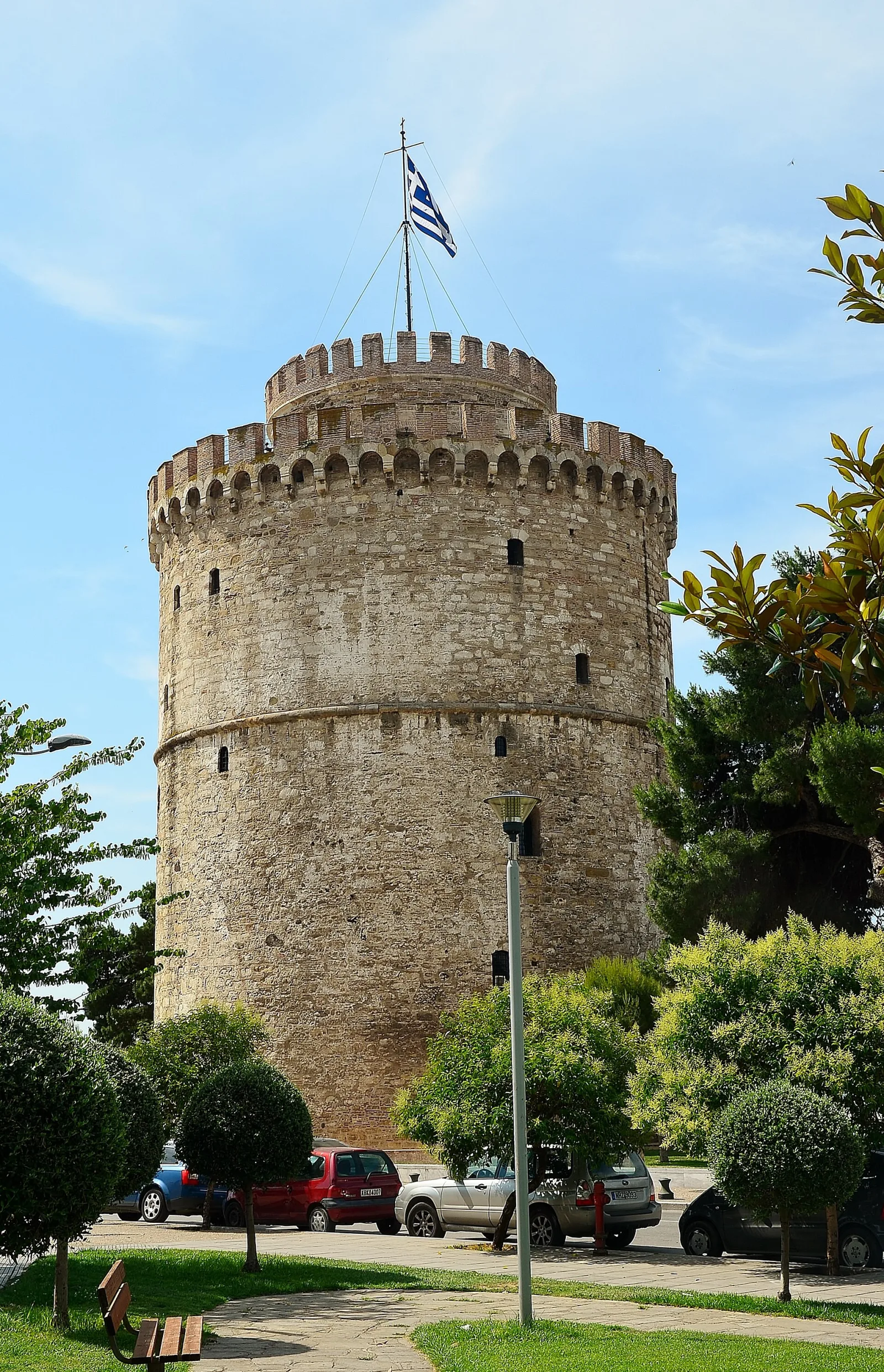
Thessaloniki in 3 Days: The Perfect Itinerary
Thessaloniki rewards slow exploring. This three-day plan covers Roman and Byzantine monuments, the waterfront, old-town lanes and the city's famously good food.
