


The Best Beaches in and Around Crete
Crete offers a diverse coastline ranging from shallow turquoise lagoons to rugged, wild coves. This guide highlights the island's most spectacular beaches and essential travel advice.
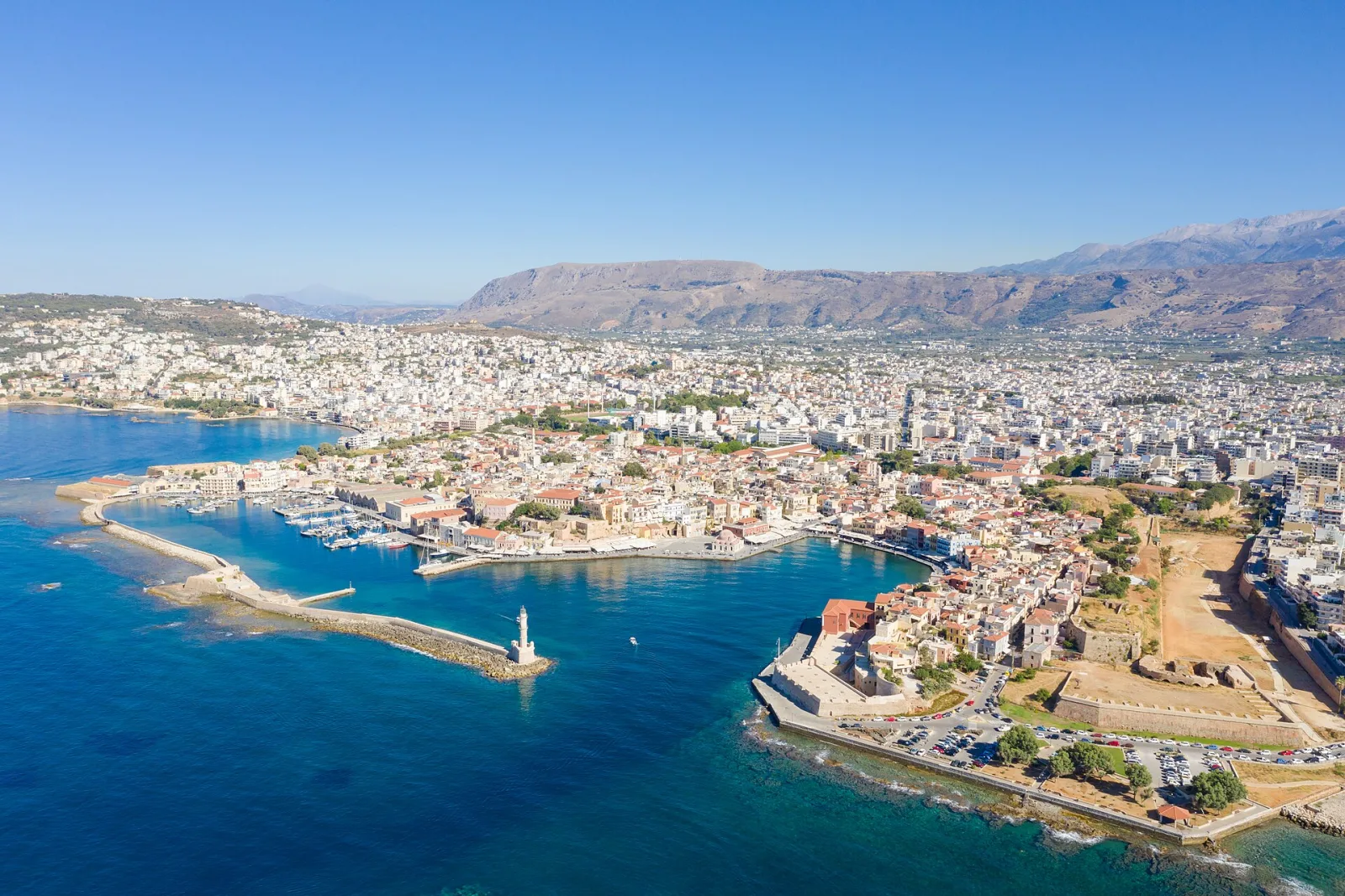
The Cretan Coastal Experience
Crete is a land of dramatic contrasts, where high mountain ranges meet a coastline that stretches for hundreds of kilometres. Because the island is so vast, its beaches vary significantly in character, ranging from expansive, shallow lagoons to secluded coves backed by towering cliffs. Whether you are looking for organized facilities or wild, untouched shores, the island provides a unique seaside experience that shifts in mood from the west to the east.
The Iconic Lagoons of the West
The western region, particularly around Chania, is home to some of the most famous shorelines in Greece. Balos Lagoon is perhaps the most photographed, known for its shallow, crystal-clear turquoise waters and white sand. Accessing Balos requires a bit of effort, either via a boat trip from Kissamos or a drive followed by a hike down a rocky path. The view from above is breathtaking, revealing a palette of blues and greens that define the Mediterranean aesthetic.
Further south, Elafonissi is celebrated for its unique pink-tinged sand, which is created by crushed seashells. This beach is a shallow, sprawling expanse of water that feels more like a giant, warm swimming pool than a traditional sea coast. It is ideal for families and those who enjoy walking through ankle-deep water to reach small islands and sandbars. Because of its popularity, visiting early in the morning or late in the afternoon is highly recommended to enjoy the serene atmosphere before the day-trippers arrive.

Southern Charm and Rugged Beauty
The southern coast of Crete, facing the Libyan Sea, offers a different experience. Here, the mountains drop sharply into the water, resulting in deeper, cooler, and incredibly clear seas. Near the exit of the Samaria Gorge, Agia Roumeli provides a dramatic setting where the sheer scale of the mountains overshadows the beach. It is a rewarding place to rest after a long hike, with dark pebbles and deep blue water.
Further east along the southern coast, Preveli is a standout destination. Famous for its river that flows into the sea, the beach is surrounded by a natural palm forest. The combination of fresh water and salt water, framed by palm trees, creates an almost tropical atmosphere that feels distinct from the rest of the island. To reach the main beach, one typically descends a long flight of stairs from the parking area above, which offers an excellent vantage point for photography.
Eastern Shores and Hidden Coves
As you move toward the eastern side of the island, the landscape becomes drier and the beaches take on a different character. Vai Beach is famous for being the largest natural palm forest in Europe. The beach itself is a long stretch of golden sand, and the dense grove of trees provides a surreal backdrop that feels worlds away from the typical Greek landscape. It is a popular spot, but the sheer size of the area allows for plenty of space to spread out.
Near the town of Agios Nikolaos, the coastline is dotted with smaller, more intimate beaches. These coves are often well-protected from the wind, making them ideal for swimming and snorkelling. The water quality here is consistently high, and many of the nearby resorts offer easy access to calm, sheltered bays that are perfect for a relaxing afternoon in the sun.
Practical Tips for Beach Hopping
- Rent a vehicle: Crete is immense, and public transport via the KTEL bus system is reliable for major towns but limited for remote beaches. A rental car provides the freedom to reach the more isolated southern coves.
- Check the wind: The 'Meltemi' winds can affect the northern coast during the summer. If the north is windy, head to the southern coast where the waters are often calmer and sheltered by the mountains.
- Footwear matters: Many Cretan beaches are pebbly rather than sandy. Pack a pair of water shoes to ensure you can comfortably walk across hot pebbles and rocky sea floors.
- Respect the environment: Beaches like Elafonissi and Balos are protected areas. Always take your rubbish with you and avoid removing sand or shells from the shore.
- Timing: If you are visiting in July or August, arrive at the most popular beaches before mid-morning to secure a spot and avoid the peak heat. Check locally for boat departure times if you plan to visit lagoons or islands by sea.
- Sun protection: The Cretan sun is intense. Even on breezy days, ensure you have high-factor sunscreen, a hat, and plenty of water, as many of the more rugged beaches do not have shade or kiosks.
Plan your trip to Agios Nikolaos
Compare prices with KAYAKYou'll be taken to KAYAK to compare prices. We may earn a commission at no extra cost to you.
Plan your trip to Agios Nikolaos
🏨Find hotels on Booking.comBooking.comAffiliate links — we may earn a small commission.
Deals from our travel partners
 Olympiacos Pireus vs Paris Basketball Tickets - Peace & Friendship Stadium, 2027-01-15Sports Events 365 · from 130 EUR
PAOK Thessaloniki vs BC Lietkabelis Tickets - PAOK Arena, 2026-12-19Sports Events 365 · from 102 EUR
Aris Thessaloniki vs Rostock Tickets - Nick Galis Hall, 2026-12-22Sports Events 365 · from 102 EUR
PAOK Thessaloniki vs Balkan Botevgrad Tickets - PAOK Arena, 2027-01-13Sports Events 365 · from 102 EUR
Olympiacos Pireus vs Paris Basketball Tickets - Peace & Friendship Stadium, 2027-01-15Sports Events 365 · from 130 EUR
PAOK Thessaloniki vs BC Lietkabelis Tickets - PAOK Arena, 2026-12-19Sports Events 365 · from 102 EUR
Aris Thessaloniki vs Rostock Tickets - Nick Galis Hall, 2026-12-22Sports Events 365 · from 102 EUR
PAOK Thessaloniki vs Balkan Botevgrad Tickets - PAOK Arena, 2027-01-13Sports Events 365 · from 102 EUR
Affiliate links — we may earn a commission at no extra cost to you.
Related guides
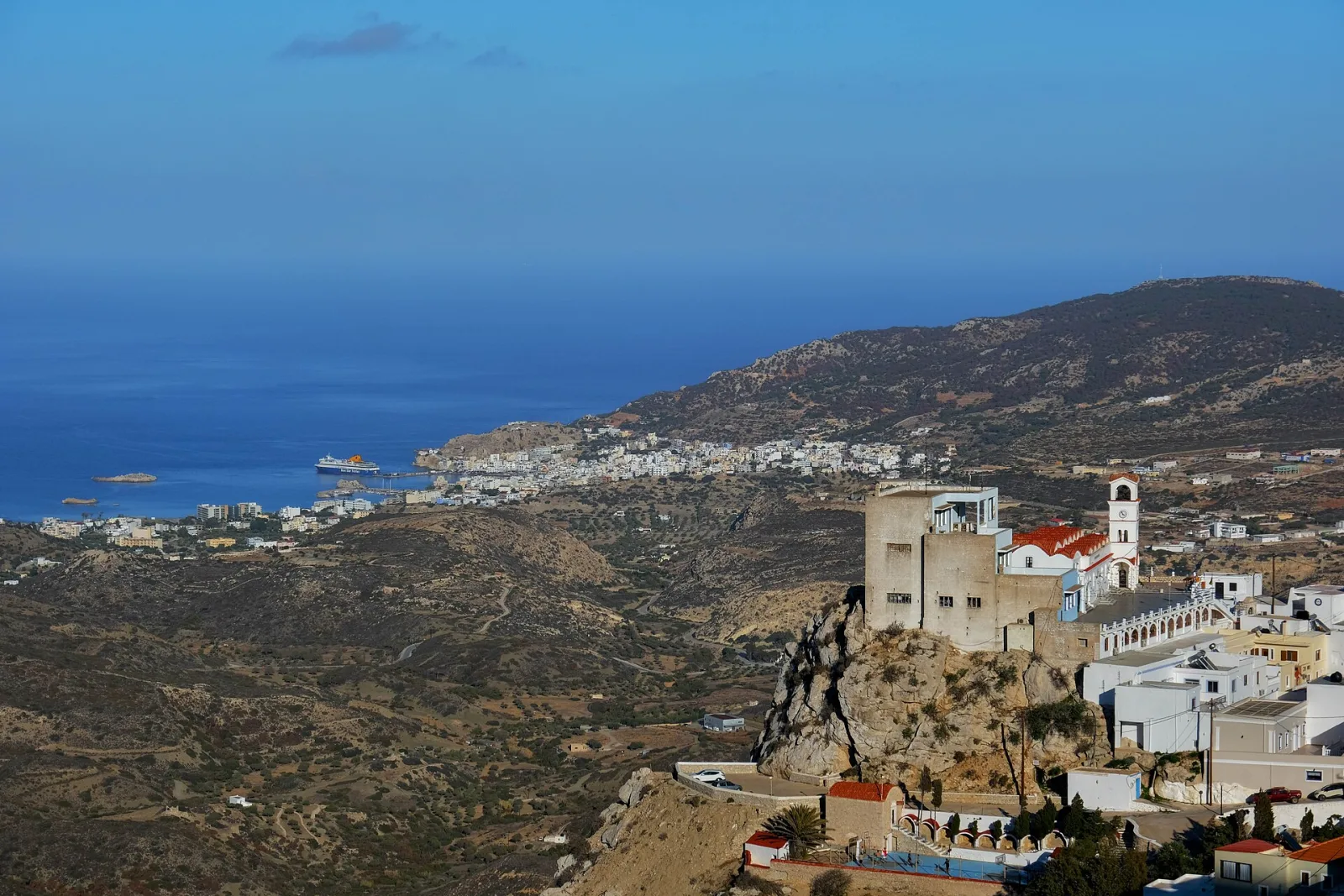
Top Things to Do in Karpathos
Rugged, unhurried and full of character, Karpathos rewards travellers who venture beyond the port. Here are the experiences worth planning your days around.
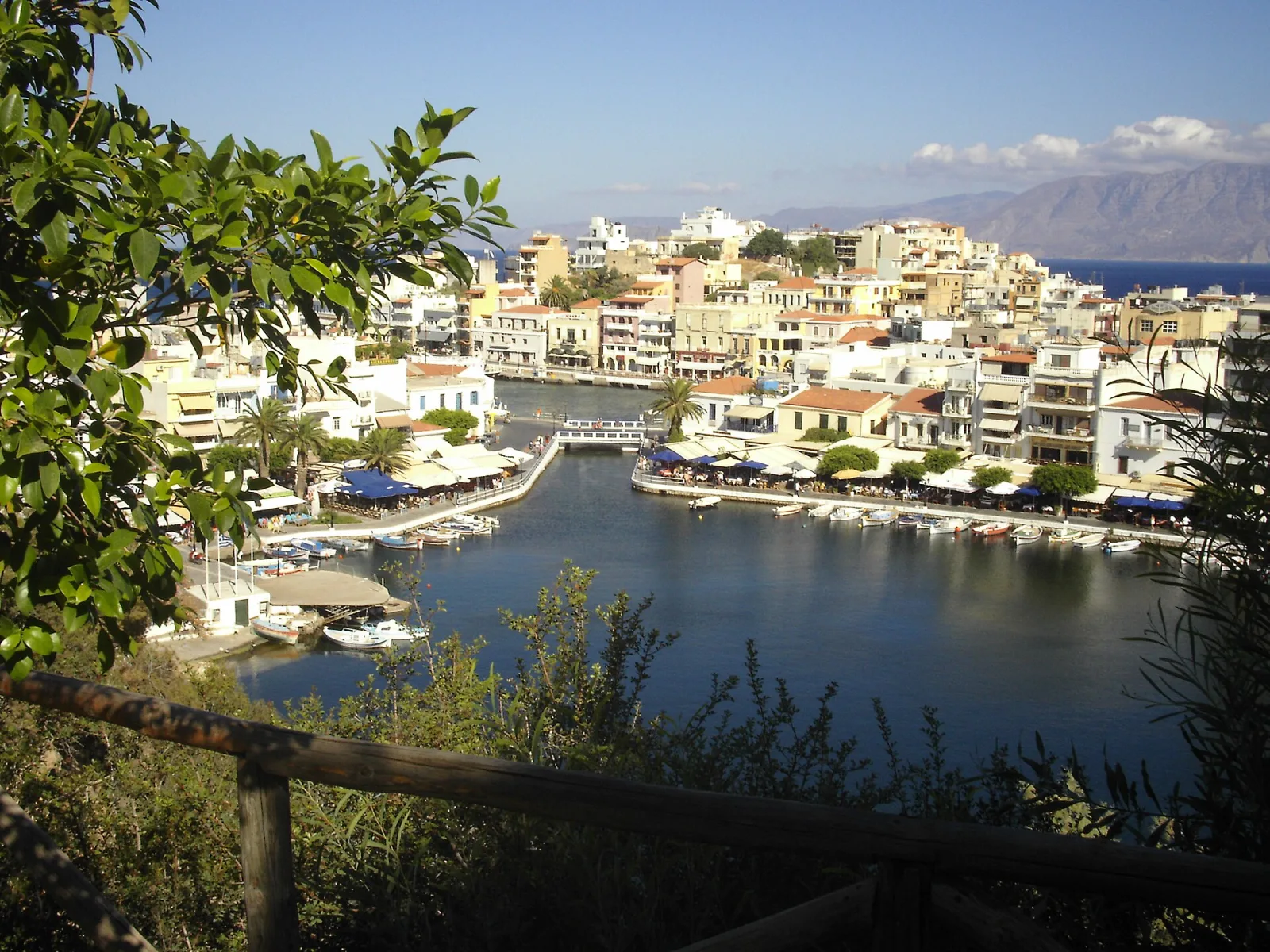
Top Things to Do in Agios Nikolaos
Agios Nikolaos is one of Crete's most appealing seaside towns, built around a small lake and within easy reach of Spinalonga, Elounda and the mountains.
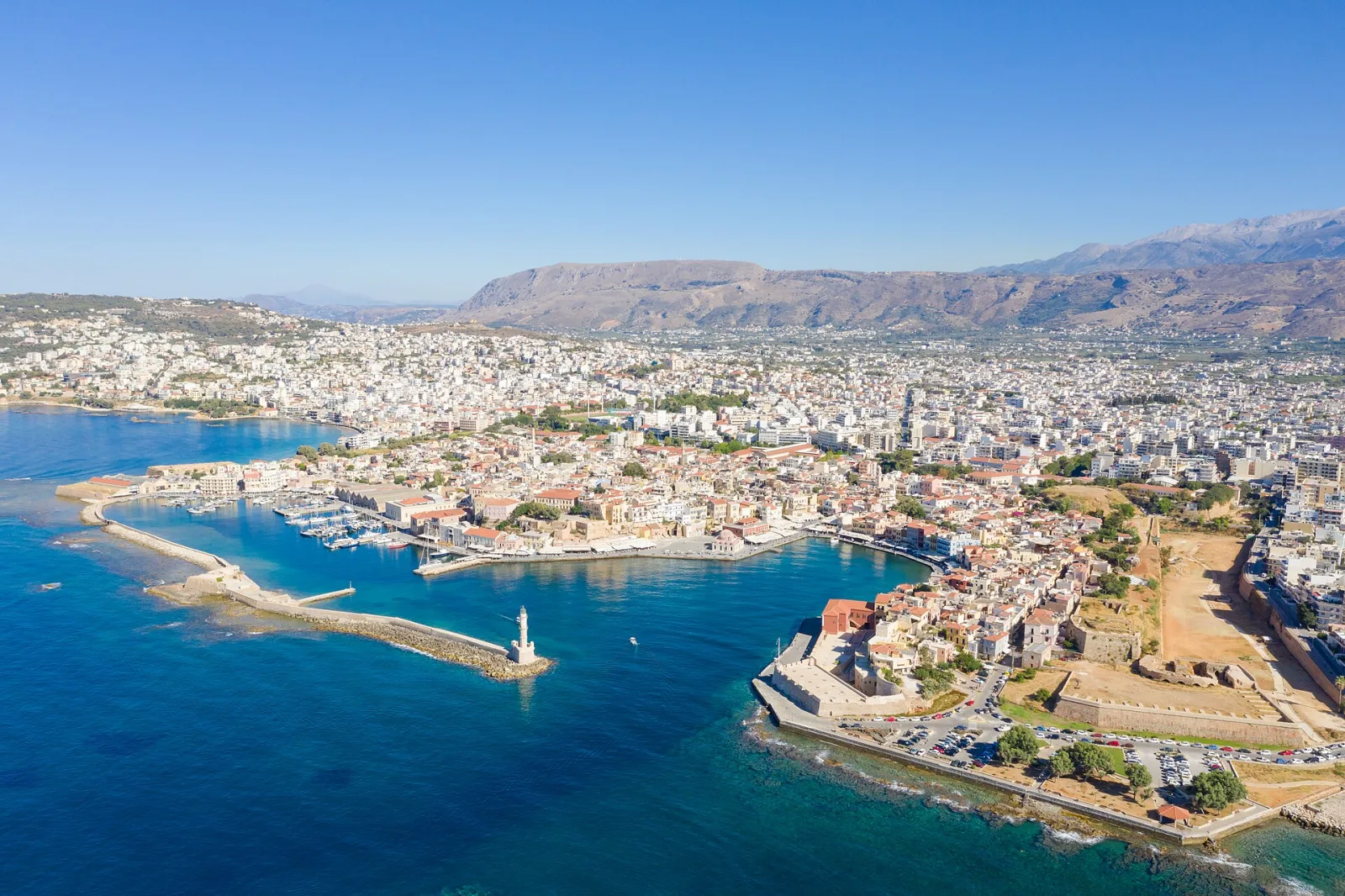
Top Things to Do in Chania
Chania is Crete's most atmospheric town, with a Venetian harbour, a lighthouse and a maze of old lanes. Here is how to make the most of it, from the town itself to the island's famous beaches.
