


The Real Greek Salad (Horiatiki): What Goes In and What Doesn't
A proper Horiatiki is a masterclass in simplicity, relying entirely on the quality of its seasonal ingredients. Learn what truly belongs in this iconic Greek dish and how to eat it like a local.
The Anatomy of a Horiatiki
In Greece, the Horiatiki—or 'village salad'—is far more than a simple side dish; it is a seasonal ritual. While international versions often include lettuce, cabbage, or bell peppers, the authentic Greek version is remarkably specific. At its core, the salad is a celebration of the Mediterranean climate, relying on the quality of the produce rather than complex preparation.
The foundation of a traditional Horiatiki consists of large, ripe tomatoes, sliced into chunky wedges. To these, you add crisp cucumber, sliced into thick rounds or half-moons. A medium-sized red onion, thinly sliced, provides a necessary sharp bite. Kalamata olives—usually the dark, almond-shaped variety—are added whole, pits and all, to provide a salty, rich depth. Finally, the defining element is a generous block of feta cheese, placed right on top, usually dusted with a sprinkle of dried oregano.
The Essential Dressing
The dressing for a Horiatiki is never pre-mixed in a bowl. Instead, it is assembled directly in the plate. High-quality extra virgin olive oil is poured liberally over the vegetables and the feta. A splash of red wine vinegar may be added, though this is a matter of preference and varies from household to household. The true magic happens at the end of the meal, when the juices of the tomato mix with the olive oil, vinegar, and the salty crumbles of feta to create 'papara'—the delicious liquid that is best mopped up with a piece of crusty, fresh bread.

What Does Not Belong
If you see lettuce in your Greek salad, you are likely looking at a 'maroulosalata' or a tourist-oriented variation. True Horiatiki excludes lettuce, cabbage, or any leafy greens entirely. Furthermore, while some regions experiment, you will rarely find balsamic vinegar, mustard-based dressings, or heavy herbs like parsley or dill in a traditional village salad. The focus is on the raw, unadulterated flavor of the garden produce.
Regional Variations
While the classic version is standard across the country, regional variations do exist. In some parts of the Cyclades, such as Naxos or Santorini, you might find the salad served with 'paximadia'—hard, twice-baked barley rusks—which soak up the tomato juices and olive oil, adding a satisfying crunch. In Crete, a similar salad known as 'dakos' takes this concept further, using a large barley rusk as the base, topped with grated tomato, mizithra cheese (or feta), and olives. In some mountainous areas, producers might use a different type of goat cheese or add capers, which grow wild in rocky coastal regions, to provide a briny, floral note.
How to Eat Like a Local
Locals rarely order a Horiatiki as a meal on its own, though it is certainly filling enough to be one. It is traditionally served as a communal dish, placed in the center of the table for everyone to share. There is no such thing as a 'personal' portion in a traditional taverna setting. It is the perfect accompaniment to grilled meats, fried fish, or simple legume dishes. Always keep a basket of fresh bread nearby; the meal is considered incomplete if you do not finish the bowl by dipping your bread into the remaining olive oil and tomato juices.
Useful Vocabulary
- Horiatiki: Village salad.
- Feta: The iconic Greek brined curd cheese.
- Elies: Olives, specifically the dark Kalamata variety.
- Ladi: Olive oil.
- Xidi: Vinegar.
- Rigani: Oregano, the essential dried herb for the salad.
- Psomi: Bread, the indispensable companion to the salad.
Practical Tips
- Look for seasonal produce: A Horiatiki is best ordered during the summer months when tomatoes are sun-ripened and flavorful. Avoid ordering it in the middle of winter when tomatoes are often imported or greenhouse-grown.
- Check locally: If you are unsure about the ingredients, ask the server if the feta is made from sheep or goat milk, or if they add capers or rusks, as this often indicates a more authentic, locally-sourced preparation.
- Share the experience: Always order the salad to share. It is designed to be a communal experience, and the portions are typically large enough to satisfy two or three people as a side.
- Use the bread: Do not be shy about using your bread to clean the plate. It is considered a compliment to the cook and is a standard part of the Greek dining experience.
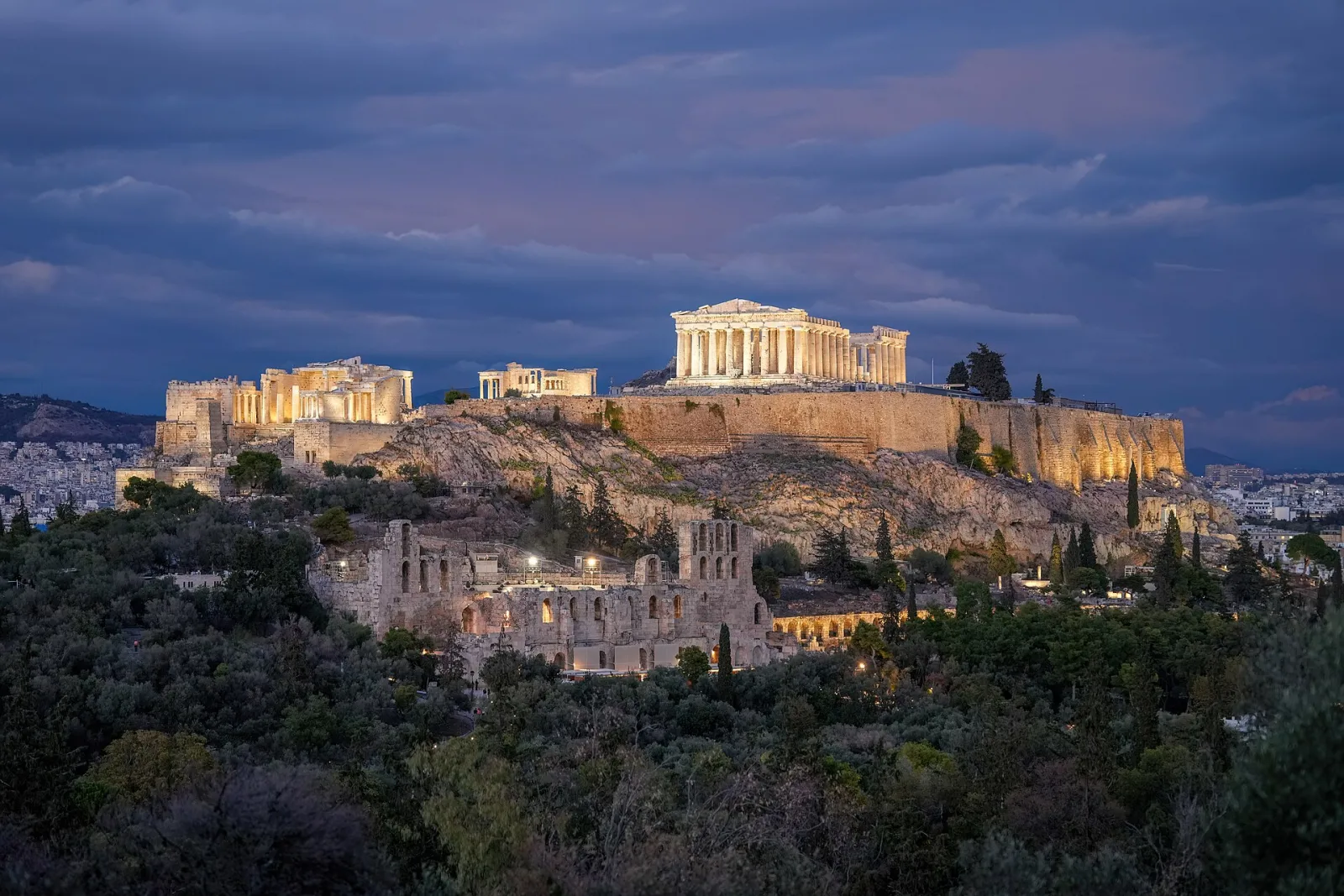
Plan your trip to Athens
Compare prices with KAYAKYou'll be taken to KAYAK to compare prices. We may earn a commission at no extra cost to you.
Plan your trip to Athens
🏨Find hotels on Booking.comBooking.comAffiliate links — we may earn a small commission.
Deals from our travel partners
 Panathinaikos Athens vs Armani Olimpia Milano Tickets - Olympic Stadium Athens Telekom Ce…Sports Events 365 · from 271 EUR
Panathinaikos Athens vs Kirolbet Baskonia Vitoria Tickets - Olympic Stadium Athens Teleko…Sports Events 365 · from 271 EUR
Panathinaikos Athens vs FC Barcelona Lassa Tickets - Olympic Stadium Athens Telekom Cente…Sports Events 365 · from 326 EUR
Virtus Bologna vs Panathinaikos Athens Tickets - PalaDozza, 2026-11-17Sports Events 365 · from 133 EUR
Panathinaikos Athens vs Armani Olimpia Milano Tickets - Olympic Stadium Athens Telekom Ce…Sports Events 365 · from 271 EUR
Panathinaikos Athens vs Kirolbet Baskonia Vitoria Tickets - Olympic Stadium Athens Teleko…Sports Events 365 · from 271 EUR
Panathinaikos Athens vs FC Barcelona Lassa Tickets - Olympic Stadium Athens Telekom Cente…Sports Events 365 · from 326 EUR
Virtus Bologna vs Panathinaikos Athens Tickets - PalaDozza, 2026-11-17Sports Events 365 · from 133 EUR
Affiliate links — we may earn a commission at no extra cost to you.
Related guides

Top Things to Do in Karpathos
Rugged, unhurried and full of character, Karpathos rewards travellers who venture beyond the port. Here are the experiences worth planning your days around.
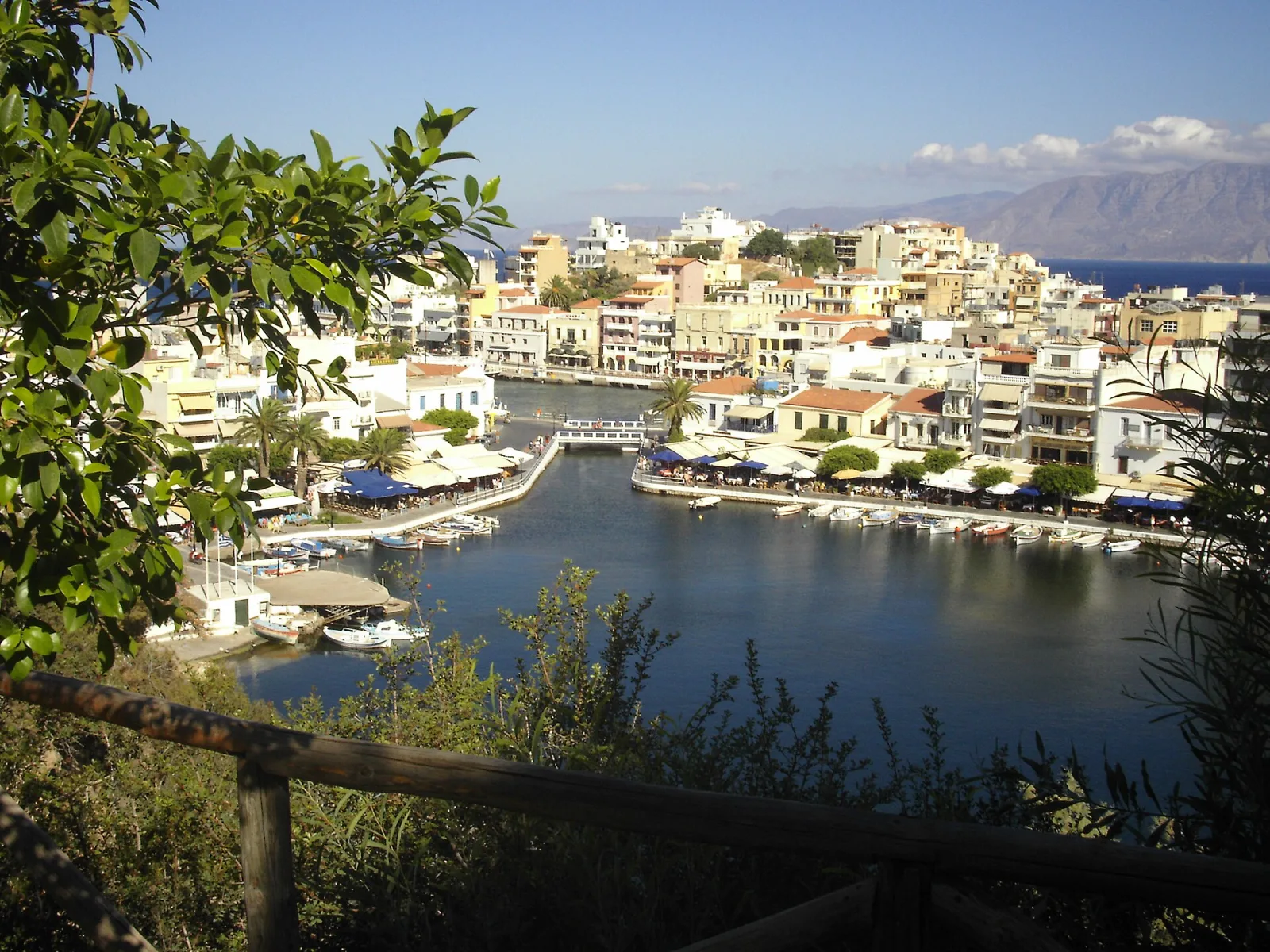
Top Things to Do in Agios Nikolaos
Agios Nikolaos is one of Crete's most appealing seaside towns, built around a small lake and within easy reach of Spinalonga, Elounda and the mountains.
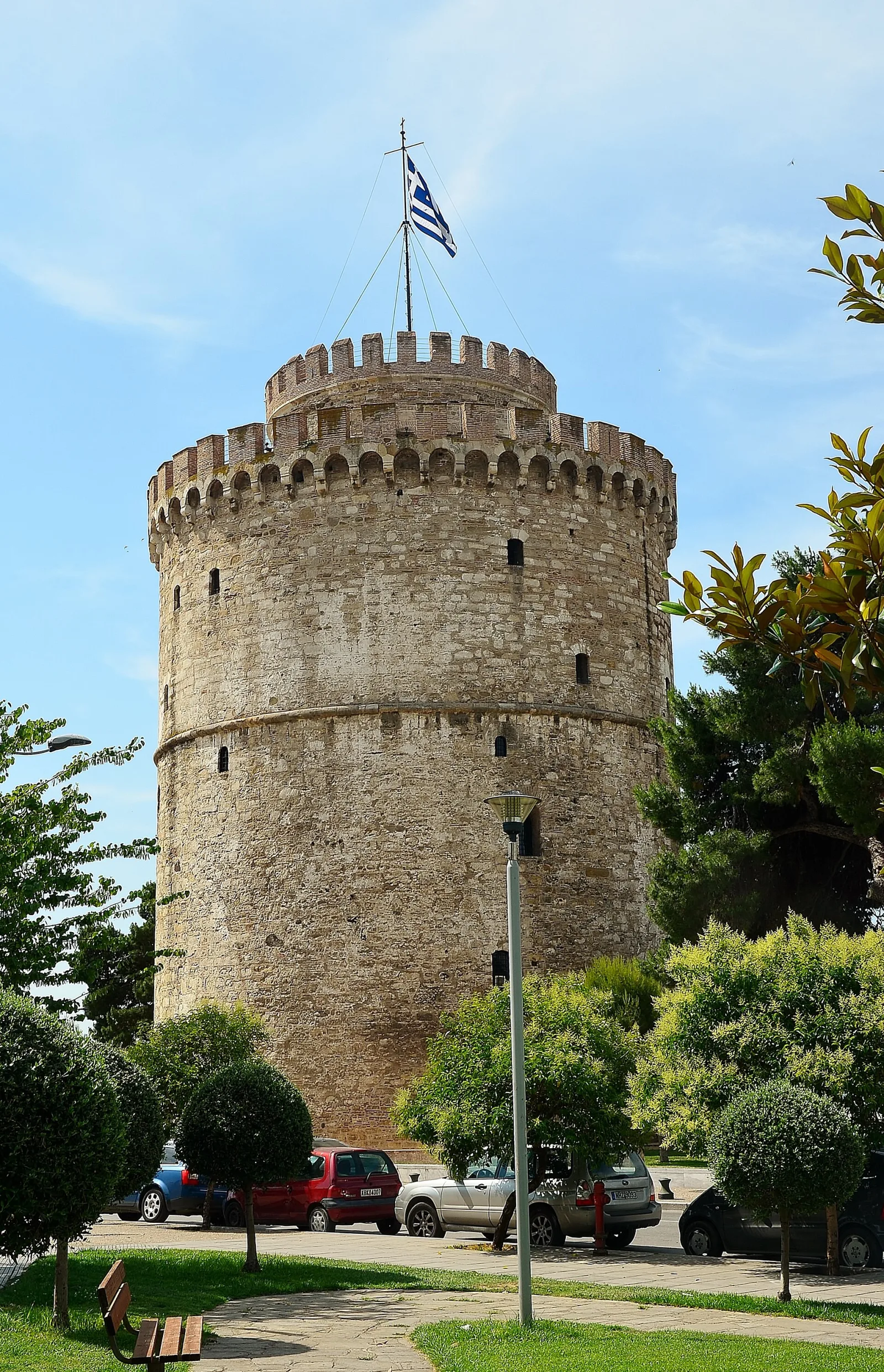
Thessaloniki in 3 Days: The Perfect Itinerary
Thessaloniki rewards slow exploring. This three-day plan covers Roman and Byzantine monuments, the waterfront, old-town lanes and the city's famously good food.
