


Top Things to Do in Crete
Crete is a vast island of high mountains, deep gorges, and ancient history. From the ruins of Knossos to the pink sands of Elafonissi, here is how to explore.
The Heart of Minoan Civilization
Crete is often described as a country unto itself, and nowhere is this more evident than in its profound archaeological heritage. The Palace of Knossos, located just outside the island's capital, Heraklion, remains the most significant site of the Bronze Age Minoan civilization. Exploring the labyrinthine ruins provides a glimpse into a sophisticated society that thrived thousands of years ago. To truly understand the artifacts found here, follow your visit with a trip to the Heraklion Archaeological Museum. It houses an unparalleled collection of Minoan art, including the famous Bull-Leaping fresco and the mysterious Phaistos Disc.
The Charm of Chania and Venetian Heritage
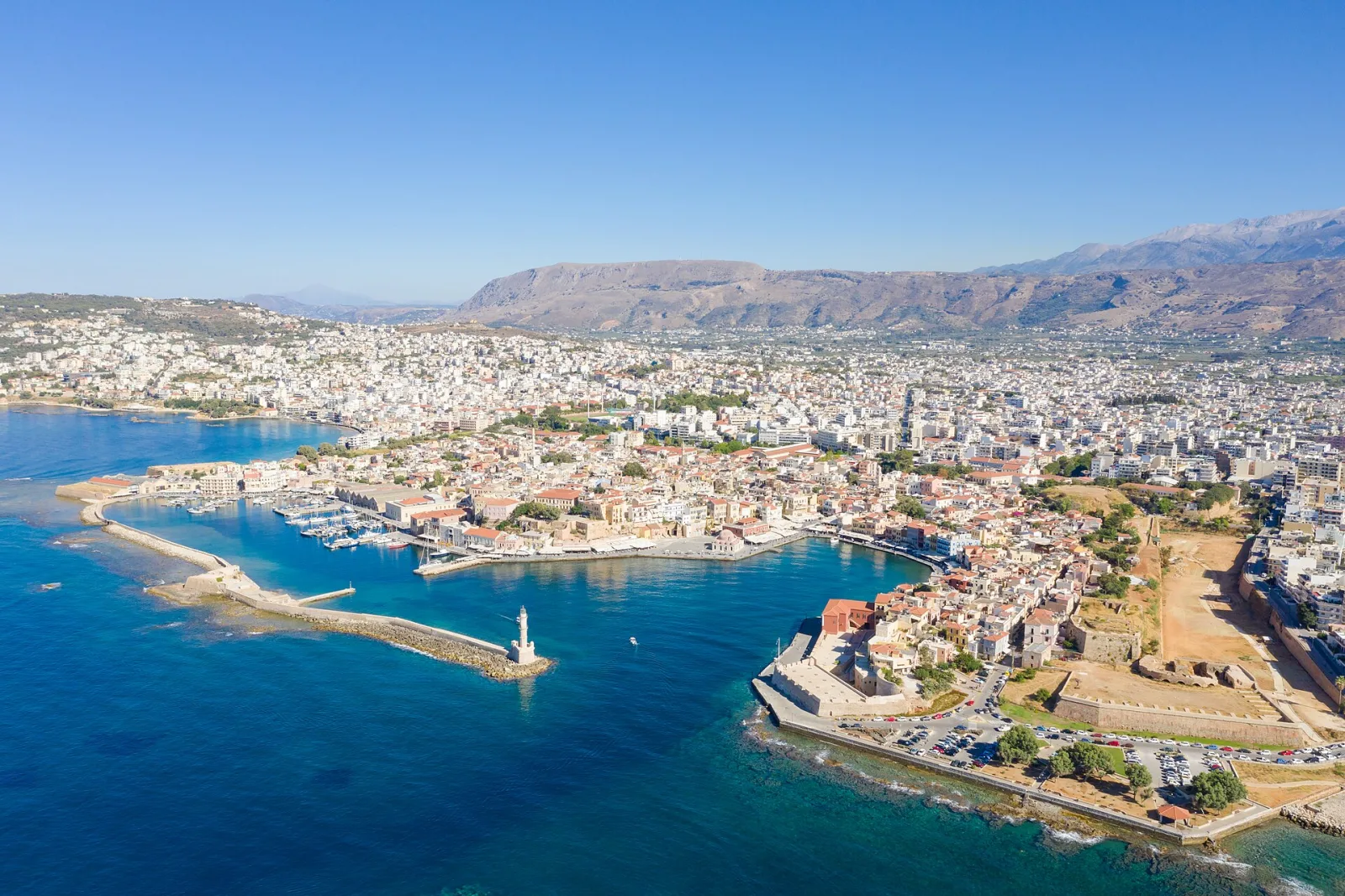
On the western side of the island, Chania stands as one of the most picturesque cities in Greece. The old town is a tapestry of Venetian, Ottoman, and neoclassical architecture. Walking through the narrow, winding alleys of the Topanas and Splantzia quarters reveals hidden squares and artisan workshops. The Venetian harbour, with its iconic 16th-century lighthouse, is the focal point for evening strolls and waterfront dining. Enjoying a meal of fresh seafood or Cretan specialties here, while watching the sun dip behind the harbor walls, is a quintessential experience.
Hiking the Great Gorges
For outdoor enthusiasts, the Samaria Gorge offers one of Europe's most spectacular hiking experiences. Stretching over 16 kilometers, the trail descends from the White Mountains down to the Libyan Sea. The terrain is rugged, passing through pine forests and narrow limestone passages, famously known as the 'Iron Gates,' where the cliffs rise hundreds of meters on either side. Note that the gorge is seasonal, typically opening in May and closing in October depending on weather conditions. Always check locally for trail status and safety requirements before setting out.

Beaches of Unrivaled Beauty
Crete is home to some of the most photographed beaches in the Mediterranean. Elafonissi, located on the southwestern tip, is renowned for its shallow, turquoise waters and stretches of sand tinted with a soft pink hue from crushed shells. Further north, the Balos Lagoon offers a dramatic landscape where the shallow, crystalline waters meet a wild, rocky coastline. Accessing Balos requires a boat trip from Kissamos or a hike down a steep, rocky path, but the panoramic views from above make the effort worthwhile.
History and Culture Beyond the Coast
A short boat ride from the fishing village of Elounda brings you to Spinalonga, a small island that served as a fortress and later as a leper colony. The site is a somber yet fascinating place to walk through, offering a tangible connection to the island's complex 20th-century history. Beyond the coastal sites, the interior of Crete is defined by rugged mountains and traditional villages. In places like Anogia or the villages of the Apokoronas region, the pace of life remains slow. Here, hospitality is a cornerstone of daily life, and it is common to be offered a glass of local raki—a strong grape spirit—as a gesture of welcome. Cretan cuisine, characterized by wild greens, local cheeses like graviera, and high-quality olive oil, is best enjoyed in these inland tavernas.
Practical Tips for Travelers
- Getting Around: Renting a car is the most effective way to explore the island, as public transport, while functional, does not reach the more remote beaches and mountain villages.
- Airports: Crete is served by two primary international airports: Heraklion (HER) and Chania (CHQ). Plan your arrival and departure airports carefully to minimize driving time.
- Ferries: Overnight ferries connect Piraeus (Athens) to both Heraklion and Chania. During the summer, high-speed ferries also provide connections between Crete and islands like Santorini.
- Bus Travel: The KTEL bus network is reliable for travel between major cities and larger towns, though schedules vary by season. Check locally at the main bus terminals for current timetables.
- Respect the Environment: When visiting sensitive areas like Balos or Elafonissi, always carry out your trash and respect protected ecological zones.
- Seasonal Planning: Spring and early autumn offer the most comfortable temperatures for hiking and sightseeing, avoiding the peak heat of July and August.
Plan your trip to Crete
Compare prices with KAYAKYou'll be taken to KAYAK to compare prices. We may earn a commission at no extra cost to you.
Plan your trip to Crete
🏨Find hotels on Booking.comBooking.comAffiliate links — we may earn a small commission.
Deals from our travel partners
 OFI Crete vs RSC Anderlecht Tickets - Pankritio Stadium, 2026-11-26Sports Events 365 · from 130 EUR
OFI Crete vs Lech Poznan Tickets - Pankritio Stadium, 2027-01-28Sports Events 365 · from 130 EUR
OFI Crete vs Bayer Leverkusen Tickets - Pankritio Stadium, 2026-10-22Sports Events 365 · from 130 EUR
SL Benfica vs OFI Crete Tickets - Estadio da Luz, 2026-12-10Sports Events 365 · from 90 EUR
OFI Crete vs RSC Anderlecht Tickets - Pankritio Stadium, 2026-11-26Sports Events 365 · from 130 EUR
OFI Crete vs Lech Poznan Tickets - Pankritio Stadium, 2027-01-28Sports Events 365 · from 130 EUR
OFI Crete vs Bayer Leverkusen Tickets - Pankritio Stadium, 2026-10-22Sports Events 365 · from 130 EUR
SL Benfica vs OFI Crete Tickets - Estadio da Luz, 2026-12-10Sports Events 365 · from 90 EUR
Affiliate links — we may earn a commission at no extra cost to you.
Related guides
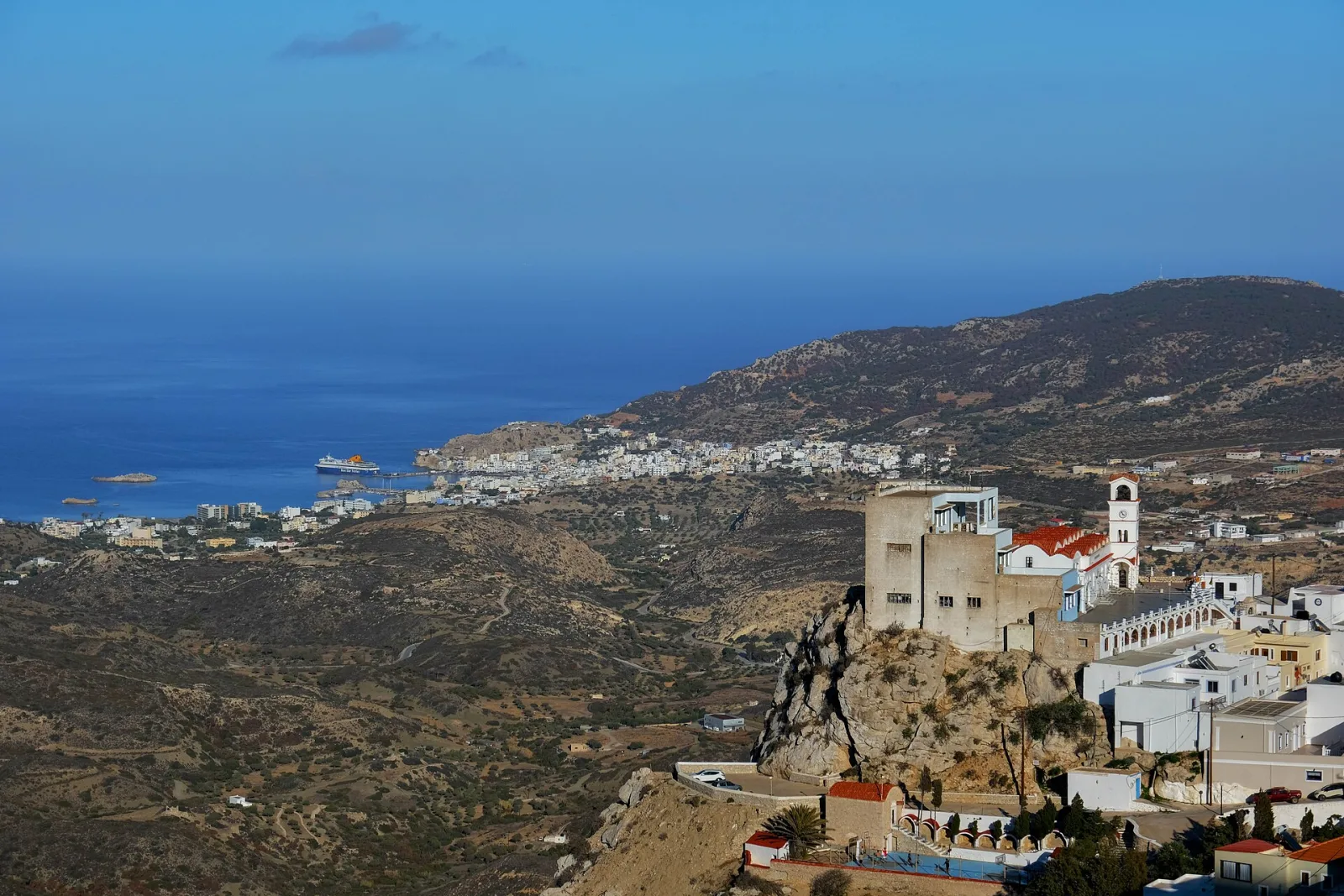
Top Things to Do in Karpathos
Rugged, unhurried and full of character, Karpathos rewards travellers who venture beyond the port. Here are the experiences worth planning your days around.
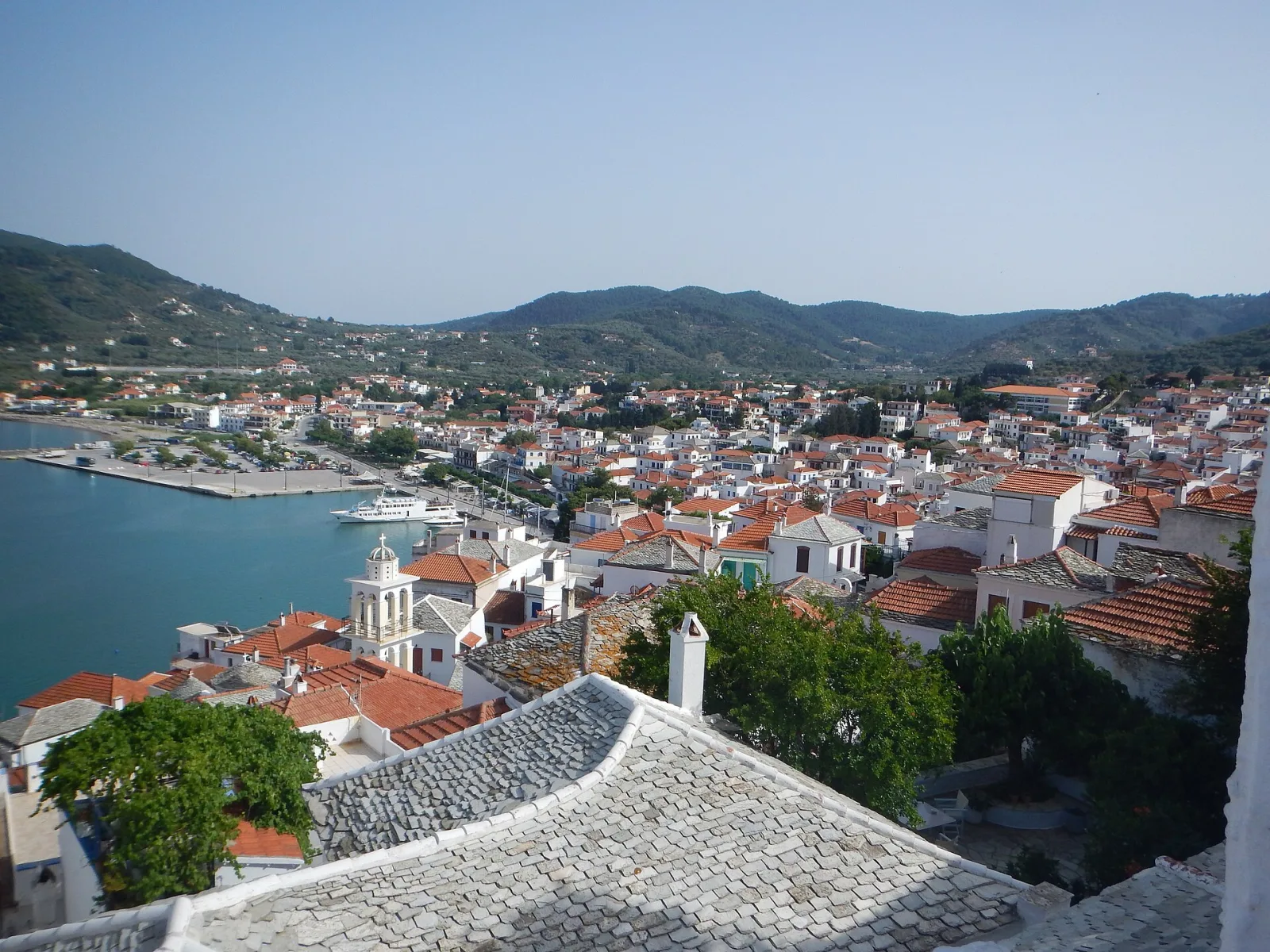
Top Things to Do in Skopelos
Green, relaxed and full of plum orchards, Skopelos rewards slow travel. Here are the sights, beaches and local flavours worth building your days around.
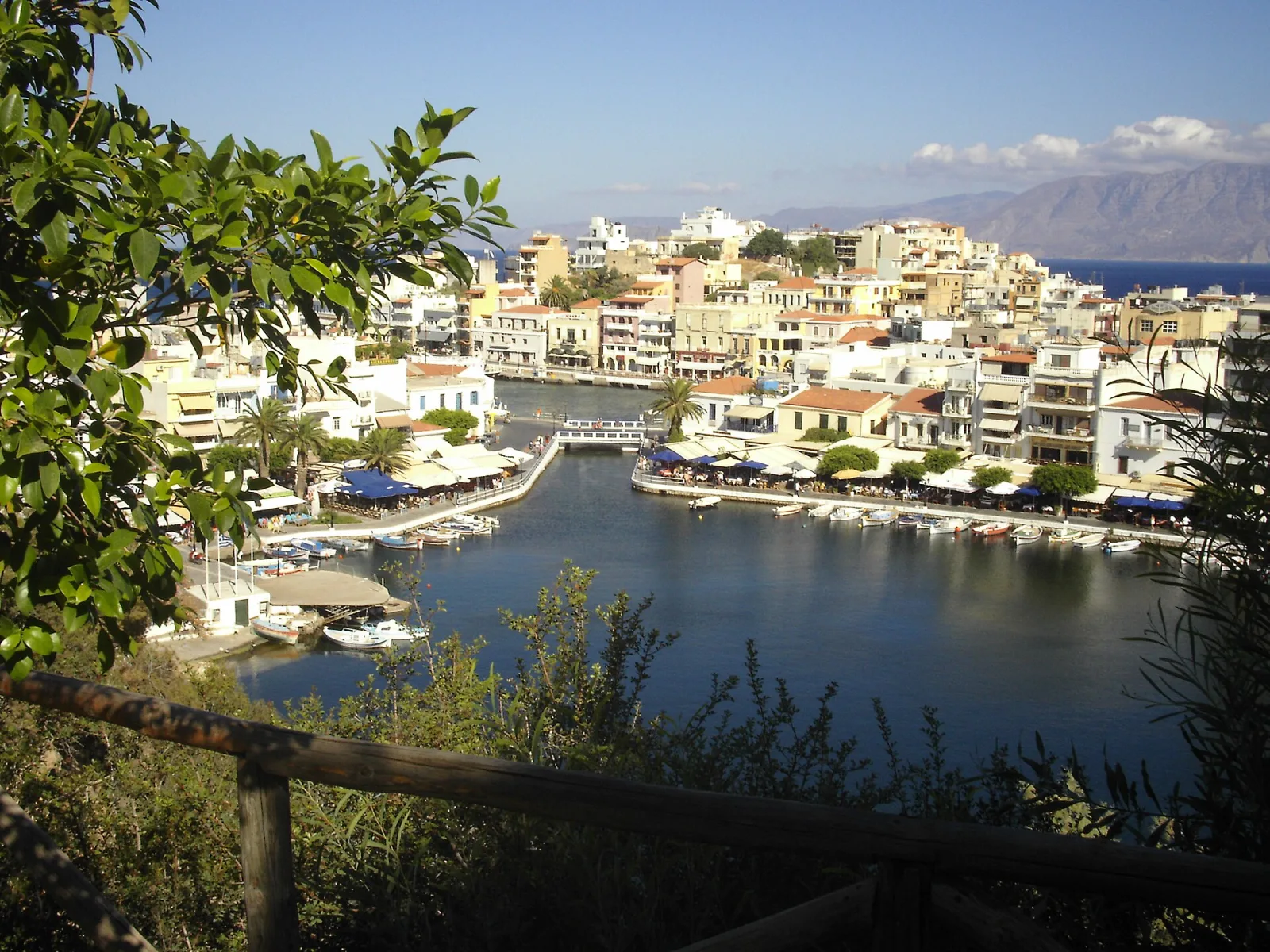
Top Things to Do in Agios Nikolaos
Agios Nikolaos is one of Crete's most appealing seaside towns, built around a small lake and within easy reach of Spinalonga, Elounda and the mountains.
