


Top Things to Do in Thessaloniki
Thessaloniki is a city defined by its youthful energy, deep historical roots, and a serious devotion to gastronomy. It is the cultural heart of Northern Greece.
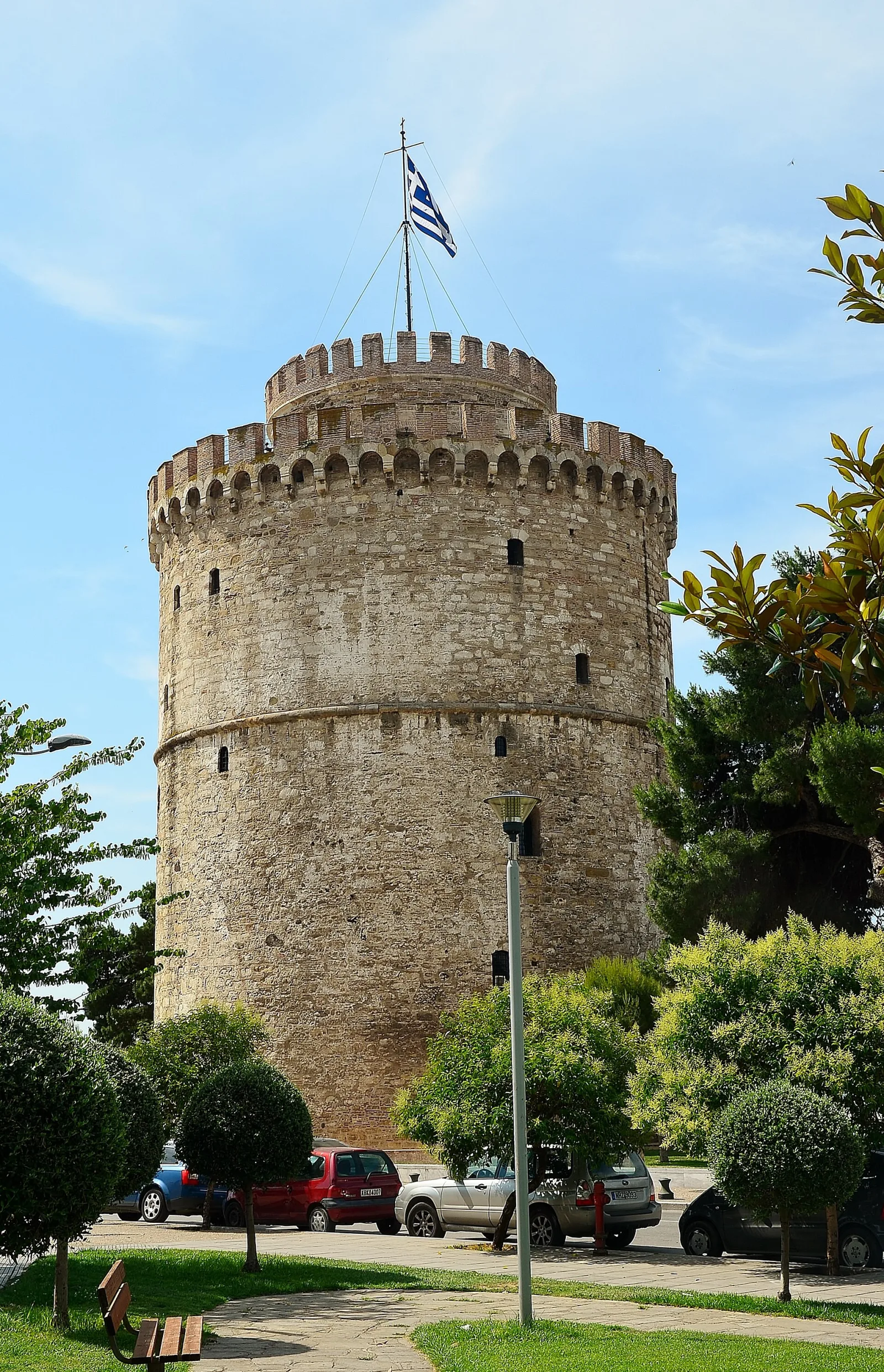
The Waterfront and the White Tower
Thessaloniki’s identity is inextricably linked to the Thermaic Gulf. The Nea Paralia, or New Waterfront, is a sprawling, paved promenade that stretches for several kilometers, serving as the city’s living room. Start your walk at the White Tower, the city’s most recognizable landmark. Originally part of the Byzantine fortifications and later used as a prison during the Ottoman era, it now houses a museum dedicated to the city's history. As you walk east toward the Umbrellas sculpture by Giorgos Zongolopoulos, you will pass joggers, cyclists, and locals enjoying the sea breeze. This stretch is particularly atmospheric during the golden hour, when the sun sets behind Mount Olympus across the water.
A Journey Through History
Thessaloniki is an open-air museum where Roman, Byzantine, and Ottoman influences collide. The Arch of Galerius, known locally as Kamara, and the nearby Rotunda are essential stops. The Rotunda, originally built as a mausoleum for the Emperor Galerius, was later converted into a church and then a mosque, reflecting the complex layers of the city’s past. A short walk away, the Roman Forum offers a glimpse into the administrative heart of the ancient city. For those interested in Byzantine heritage, the city is home to several UNESCO-listed churches. Agios Dimitrios, dedicated to the city’s patron saint, is the largest church in Greece and features impressive mosaics and a crypt that is open to visitors.
Exploring Ano Poli
For a change of pace, head uphill to Ano Poli, the Upper Town. Unlike the grid-patterned center, this area survived the Great Fire of 1917, preserving its traditional Ottoman-style houses, narrow cobblestone alleys, and steep staircases. As you climb, the city noise fades, replaced by quiet corners and stunning panoramic views of the rooftops meeting the sea. Follow the path toward the Heptapyrgio, the fortress that guarded the city for centuries. The surrounding Byzantine walls offer the best vantage point to appreciate the scale of Thessaloniki and the layout of its historical districts.

The Culinary Capital
Thessaloniki is widely considered the food capital of Greece. The local food culture is a blend of Mediterranean staples and influences brought by refugees from Asia Minor and the Balkans. Start your day as the locals do with a piece of bougatsa—a phyllo pastry filled with either creamy custard or savory cheese—often paired with a freddo espresso. For lunch or dinner, head to the central markets. The Kapani and Modiano markets are sensory experiences, filled with stalls selling local cheeses, olives, spices, and fresh produce. In the evenings, the Ladadika district is the place to be. Once a warehouse hub, it has been transformed into a lively area filled with ouzeri and tavernas. Order a variety of meze—small plates meant for sharing—and pair them with a glass of local ouzo or tsipouro.
Practical Tips
- Getting Around: The city is very walkable, but the newly opened metro system is an efficient way to travel between the railway station, the city center, and the eastern districts. Buses are available for areas not covered by the metro.
- Airport Access: Thessaloniki Airport (SKG) is located about 30 minutes from the city center. You can reach the heart of the city via public bus or taxi; check locally for the most current schedules and service availability.
- Train Travel: If you are arriving from Athens, the train journey takes roughly 4 to 5 hours. It is a comfortable way to see the Greek countryside, though it is wise to check locally for updated timetables.
- Best Time to Visit: Thessaloniki enjoys a vibrant atmosphere year-round, but spring and early autumn offer the most pleasant temperatures for walking between archaeological sites and exploring the markets.
- Dining Etiquette: Locals tend to eat dinner late. If you arrive at a popular ouzeri before 9:00 PM, you will likely find the atmosphere much quieter than it will be an hour later.
Plan your trip to Thessaloniki
Compare prices with KAYAKYou'll be taken to KAYAK to compare prices. We may earn a commission at no extra cost to you.
Plan your trip to Thessaloniki
🏨Find hotels on Booking.comBooking.comAffiliate links — we may earn a small commission.
Deals from our travel partners
 PAOK Thessaloniki vs Balkan Botevgrad Tickets - PAOK Arena, 2027-01-13Sports Events 365 · from 102 EUR
Rostock vs Aris Thessaloniki Tickets - Stadthalle Rostock, 2026-10-20Sports Events 365 · from 71 EUR
Rigas Zelli vs Aris Thessaloniki Tickets - Xiaomi Arena, 2027-01-12Sports Events 365 · from 72 EUR
Aris Thessaloniki vs Rostock Tickets - Nick Galis Hall, 2026-12-22Sports Events 365 · from 102 EUR
PAOK Thessaloniki vs Balkan Botevgrad Tickets - PAOK Arena, 2027-01-13Sports Events 365 · from 102 EUR
Rostock vs Aris Thessaloniki Tickets - Stadthalle Rostock, 2026-10-20Sports Events 365 · from 71 EUR
Rigas Zelli vs Aris Thessaloniki Tickets - Xiaomi Arena, 2027-01-12Sports Events 365 · from 72 EUR
Aris Thessaloniki vs Rostock Tickets - Nick Galis Hall, 2026-12-22Sports Events 365 · from 102 EUR
Affiliate links — we may earn a commission at no extra cost to you.
Related guides
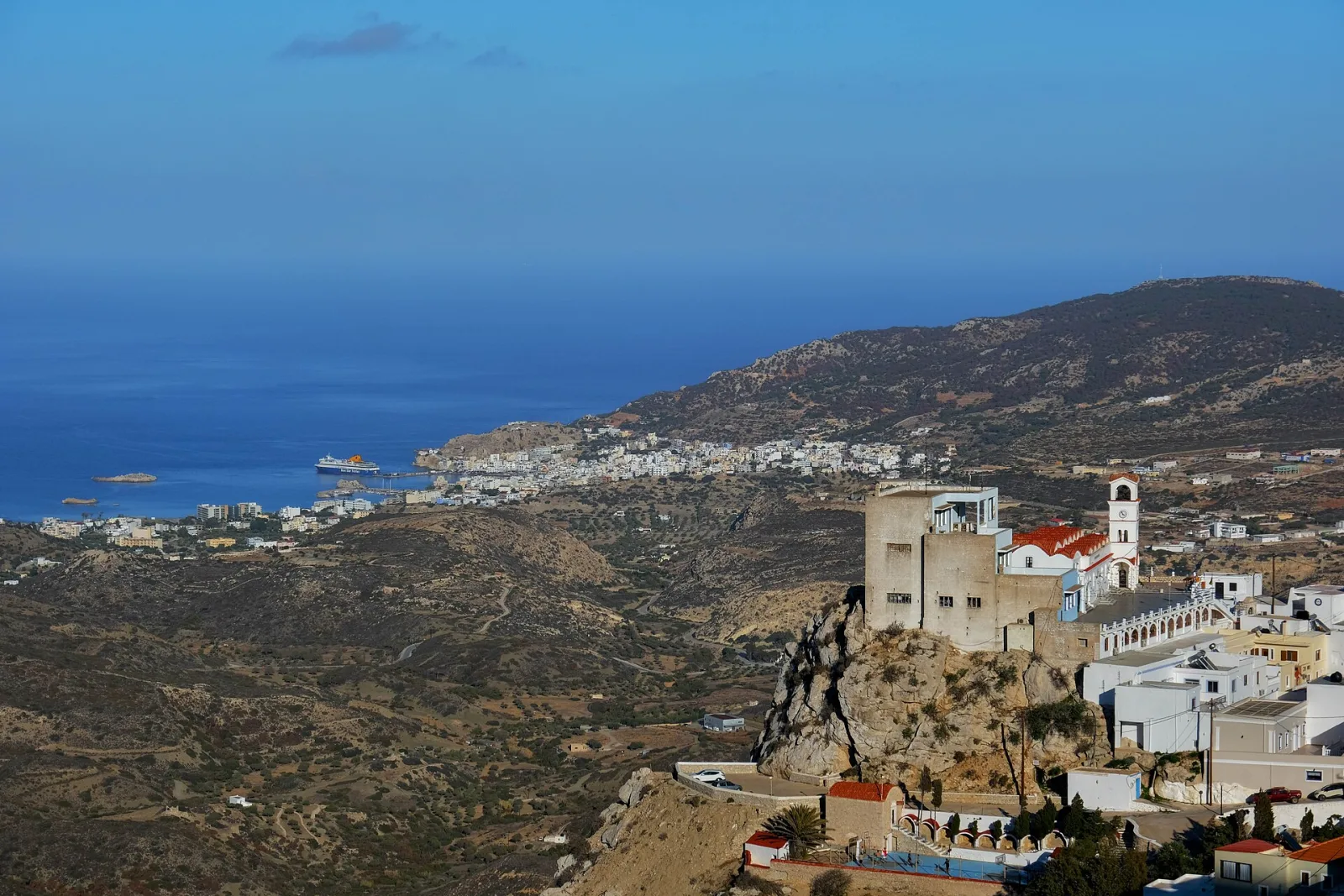
Top Things to Do in Karpathos
Rugged, unhurried and full of character, Karpathos rewards travellers who venture beyond the port. Here are the experiences worth planning your days around.
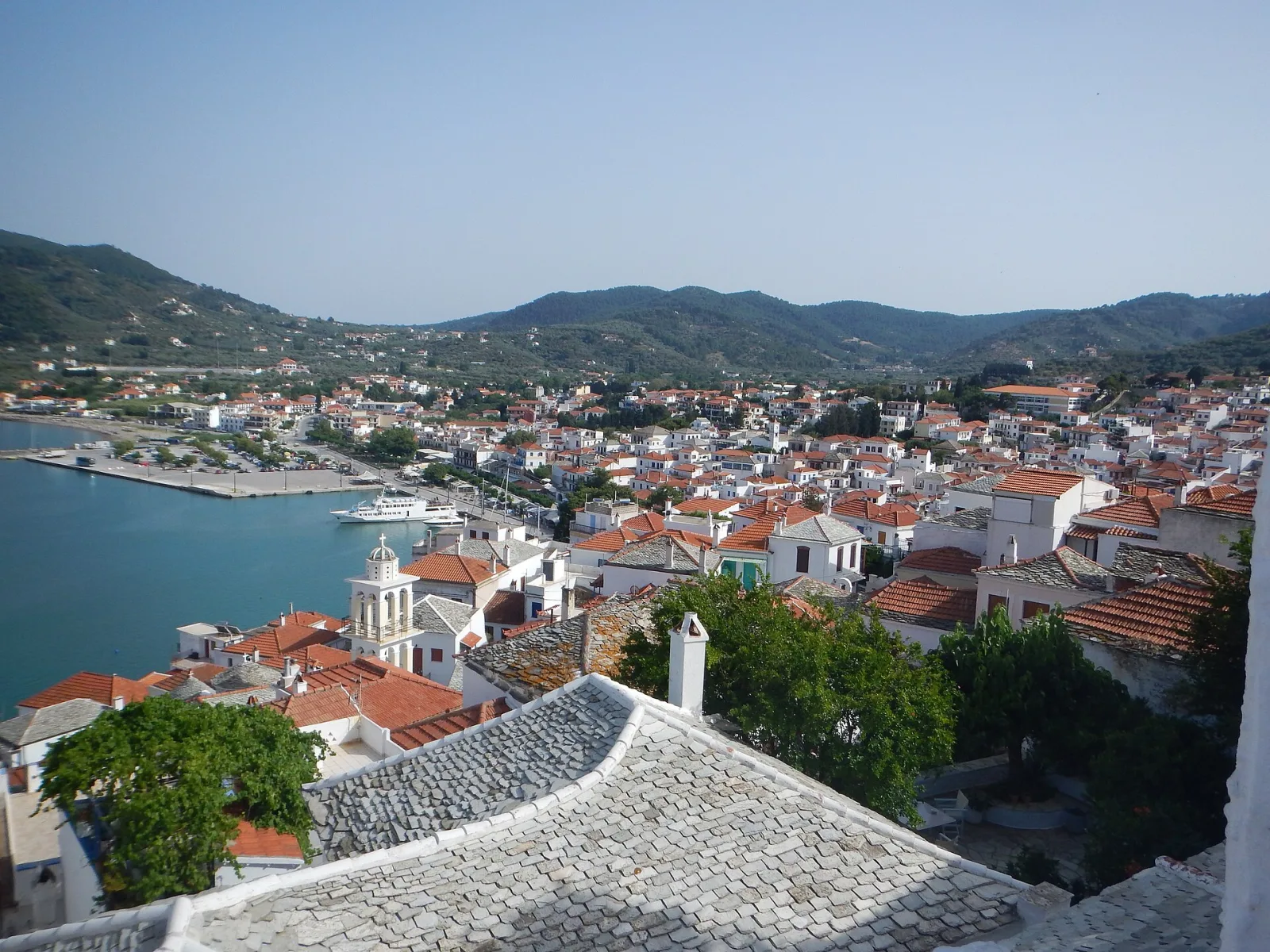
Top Things to Do in Skopelos
Green, relaxed and full of plum orchards, Skopelos rewards slow travel. Here are the sights, beaches and local flavours worth building your days around.
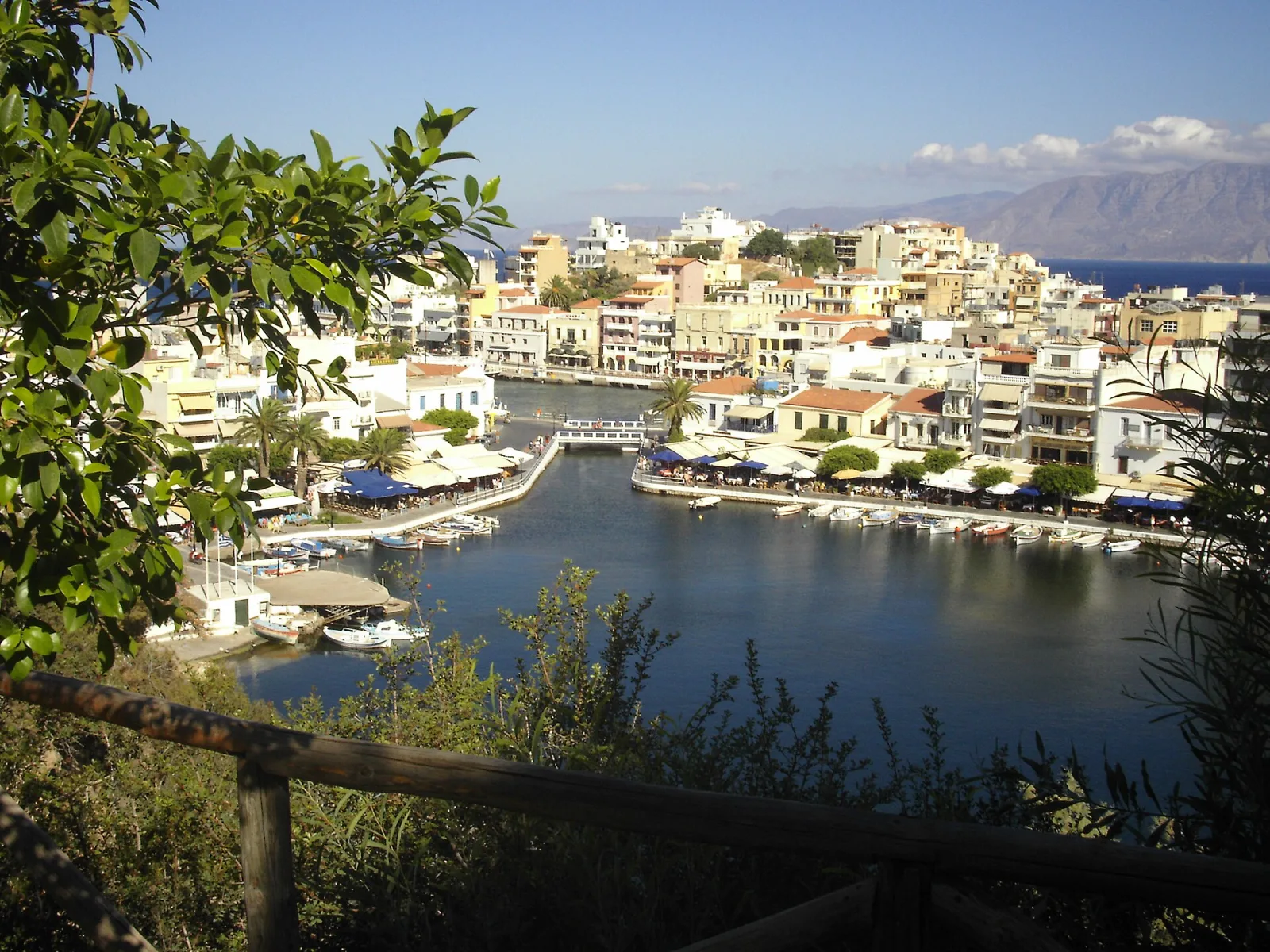
Top Things to Do in Agios Nikolaos
Agios Nikolaos is one of Crete's most appealing seaside towns, built around a small lake and within easy reach of Spinalonga, Elounda and the mountains.
