


Traditional Greek Taverna Dishes Explained
Navigating a Greek taverna menu is a delight, but understanding the difference between mezedes, magirefta, and tis oras is key to a perfect meal.

The Anatomy of a Greek Meal
Dining in a Greek taverna is rarely about ordering a single main course for each person. Instead, it is a communal experience centered around sharing. Most tables begin with a selection of starters known as mezedes, followed by a mix of cold and hot dishes placed in the center of the table. Understanding the categories of food found on a typical menu will help you navigate your choices with confidence.
Mezedes: The Art of Sharing
Mezedes are small plates designed to be shared, often accompanied by ouzo, tsipouro, or local wine. You will almost always find a village salad, or choriatiki, on the table. This iconic dish consists of tomatoes, cucumbers, onions, green peppers, Kalamata olives, and a generous block of feta cheese, all seasoned with dried oregano and high-quality olive oil. Another staple is tzatziki, a refreshing dip made from thick strained yogurt, cucumber, garlic, and dill.
Look for fried vegetables like kolokithokeftedes, which are crispy zucchini fritters often mixed with feta and fresh herbs. Saganaki, or fried cheese, is another favorite; it is usually a firm cheese like graviera or kefalograviera that is lightly floured and pan-fried until golden and bubbling. For something heartier, try dolmadakia, which are tender grape leaves stuffed with a mixture of rice, herbs, and sometimes minced meat.

Magirefta: The Comfort of Oven-Baked Dishes
The term magirefta refers to 'cooked' or 'stewed' dishes, often prepared earlier in the day and served from large trays. These are the heart of home-style Greek cooking. Moussaka is perhaps the most famous, featuring layers of sautéed eggplant, potato, and a rich meat ragu, all topped with a thick, creamy layer of bechamel sauce. Pastitsio is a similar concept, using thick pasta tubes instead of vegetables.
Gemista are another essential magirefta dish. These are tomatoes and green peppers hollowed out and stuffed with a savory mixture of rice, onions, parsley, and occasionally ground beef, then slow-baked until tender. You might also encounter ladera, which are vegetables cooked in olive oil. Briam is a popular example, consisting of roasted seasonal vegetables like zucchini, eggplant, potatoes, and tomatoes. These dishes are best enjoyed with a piece of crusty bread to soak up the flavorful juices.
Tis Oras: Straight from the Grill
The section of the menu labeled 'tis oras' refers to dishes prepared 'by the hour' or made to order on the grill. This is where you find the best meat dishes. Lamb chops, or paidakia, are a taverna staple, particularly in mountainous regions or rural areas. They are usually seasoned simply with salt, pepper, and oregano to highlight the quality of the meat. Souvlaki, skewers of pork or chicken, are also popular, as are biftekia, which are seasoned ground meat patties often stuffed with feta cheese.
If you are dining near the coast, look for fresh fish and seafood. While grilled octopus is a classic, you will also find calamari, which can be served either grilled or lightly fried. Always ask the server for the 'catch of the day,' as the selection depends heavily on what the local fishing boats have brought in that morning.
A Note on Ordering
When ordering, do not feel pressured to select a heavy main dish for everyone. Start with a few mezedes and a salad, then add a main course or two to share. Greeks often order as they go, adding more plates if the appetite persists. Remember that bread is almost always brought to the table automatically and is used to scoop up sauces and dips. If you are unsure about portion sizes, feel free to ask your server for recommendations; they are usually more than happy to guide you toward the specialties of their particular region.
Practical Tips for Taverna Dining
- Check locally regarding the daily specials; many tavernas have a 'chef's choice' that is not printed on the permanent menu.
- If you are in a seaside village, prioritize the fresh fish over meat dishes, as the quality will be superior.
- Do not be afraid to enter the kitchen. In many traditional tavernas, the staff will welcome you to look into the pots and trays to see exactly what is being served that day.
- House wine, usually served in carafe, is often excellent and very affordable, but it is always worth asking if it is local.
- Tipping is appreciated but not mandatory; rounding up the bill or leaving a small amount in cash is standard practice.
Plan your trip to Athens
Compare prices with KAYAKYou'll be taken to KAYAK to compare prices. We may earn a commission at no extra cost to you.
Plan your trip to Athens
🏨Find hotels on Booking.comBooking.comAffiliate links — we may earn a small commission.
Deals from our travel partners
 Flights from Athens to BarcelonaAir Serbia · from 412 EUR
 Flights from Athens to BelgradeAir Serbia · from 594 EUR
 Flights from Athens to TivatAir Serbia · from 612 EUR
 Flights from Athens to MunichAir Serbia · from 592 EUR
Affiliate links — we may earn a commission at no extra cost to you.
Related guides

Top Things to Do in Rethymno
Rethymno blends a Venetian and Ottoman old town with a mighty fortress and a long sandy beach. Here is how to make the most of this central Cretan base.
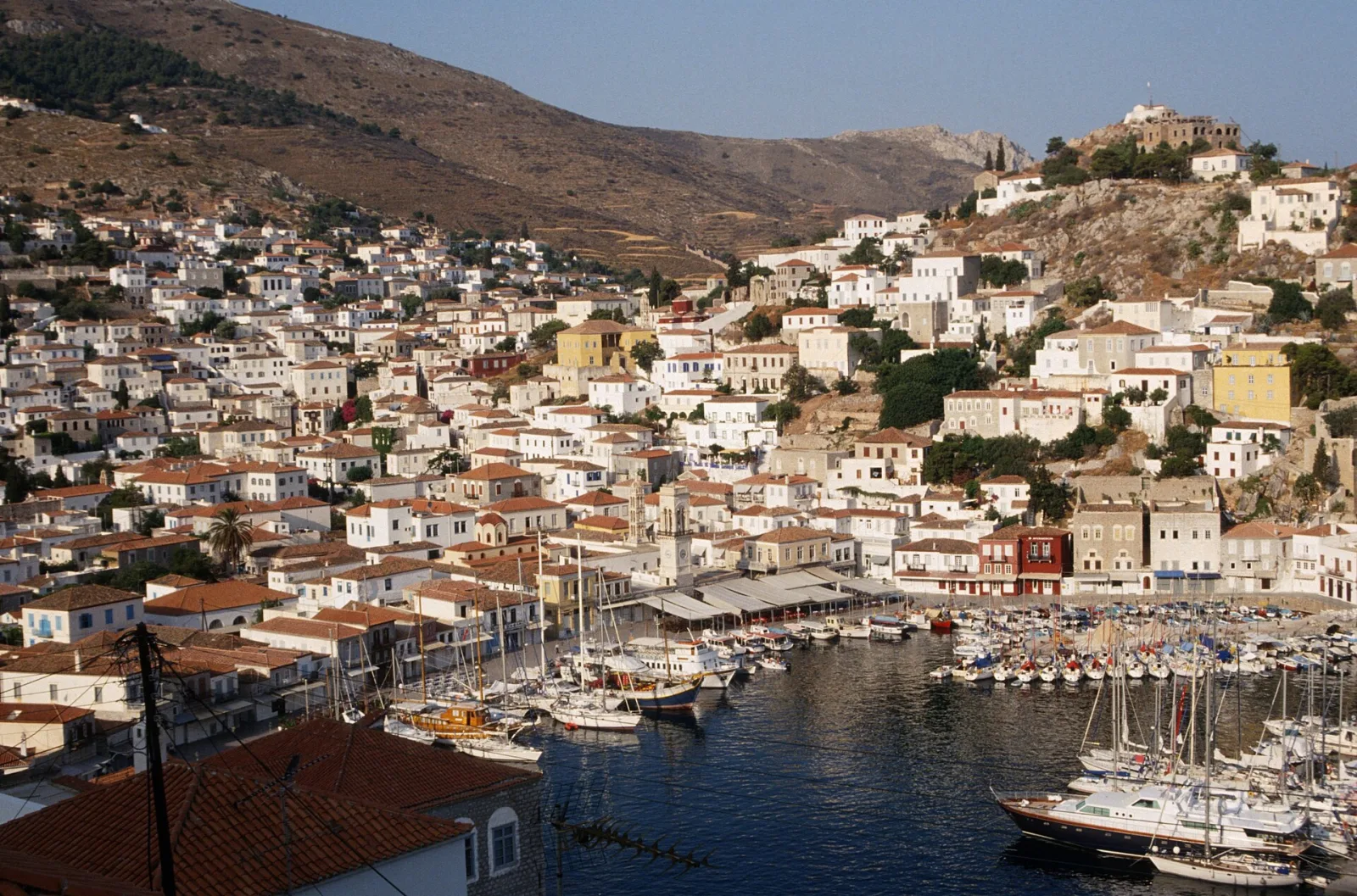
Top Things to Do in Hydra
Hydra is a car-free island of grey-stone mansions and quiet coves, reached in under two hours from Athens. Here is how to make the most of a visit.

Top Things to Do in Mount Olympus
Greece's highest mountain rewards walkers with gorges, alpine trails and ancient sanctuaries. Here is how to make the most of a visit to Mount Olympus.
