


Trains in Greece: Routes and Tips
Greece's rail network is limited compared with much of Europe, but a few scenic routes are genuinely worth the journey. Here is what to know before you board.
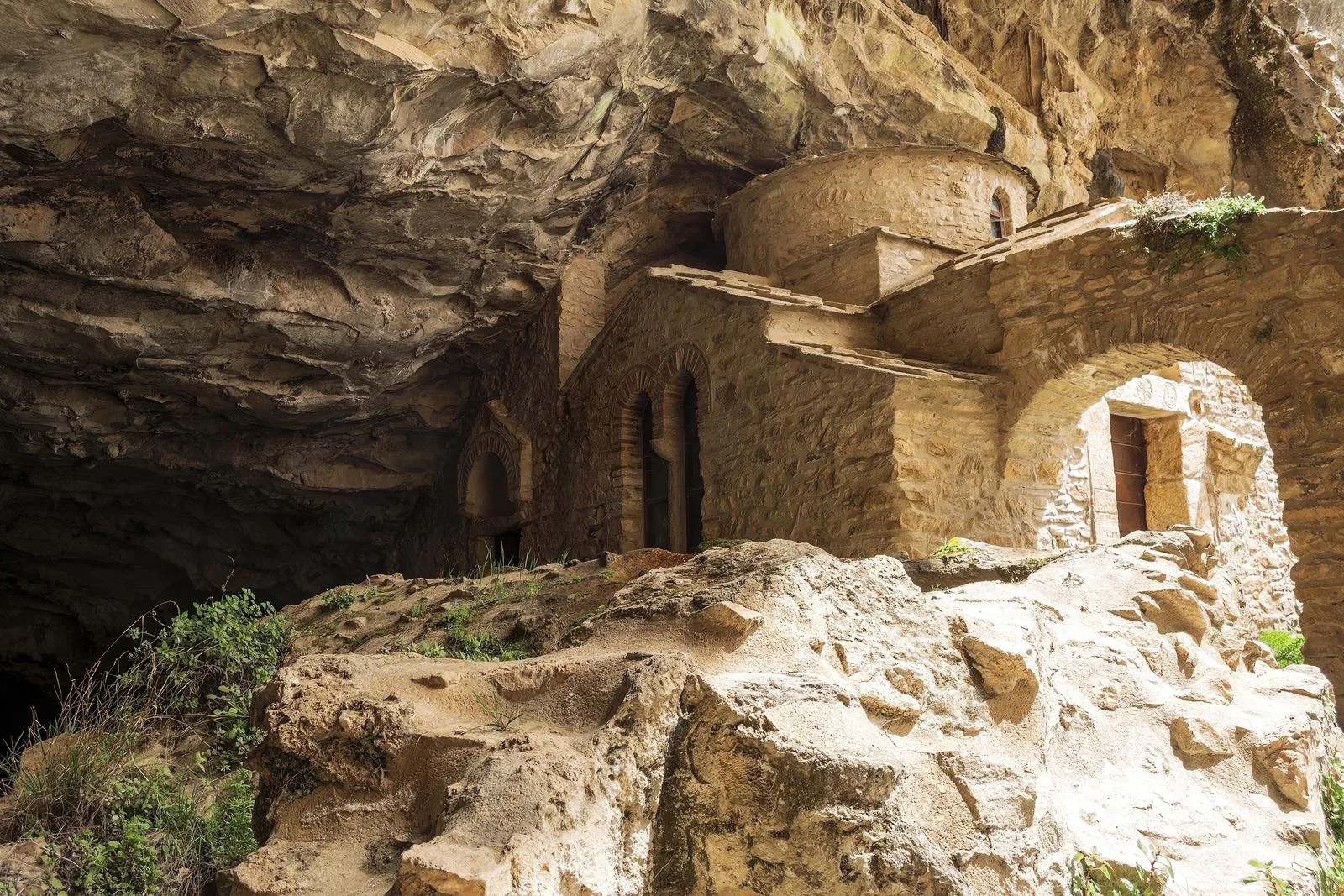
An overview of Greek rail travel
Trains in Greece are not the backbone of national travel the way they are in France, Germany or Italy. The network is small, several lines have been disrupted over the years, and most islands have no rail service at all. Still, for travellers heading between certain mainland cities or taking a slower, more scenic route, trains can be a comfortable and relaxed option. Think of rail as one tool among several, alongside buses, domestic flights and ferries, rather than the default way to see the country.
The main operator is Hellenic Train, which runs the intercity and regional services that most visitors will use. Services vary in speed and quality, and the rolling stock ranges from modern carriages on newer routes to older units on some regional lines. Expect a relaxed pace, and build generous margins into any connection.
The main routes worth knowing
The most useful route for many visitors is the connection between Athens and Thessaloniki, Greece's two largest cities. The journey is long by train compared with the fast European benchmarks, but it crosses varied landscape and offers a practical alternative to a long bus ride. Check locally for the current service pattern, as frequencies and journey times change.

The line running from Athens towards the Peloponnese is the other key corridor, linking Athens with Corinth and beyond. For travellers heading to Olympia or the wider Peloponnese, trains can be useful for parts of the journey, although buses often cover the final stretches more directly. Where a rail line does not reach your destination, a bus connection is usually the sensible next step.
Perhaps the most celebrated rail experience in the country is the Diakopto to Kalavryta line, a narrow-gauge cogwheel railway that climbs through the gorge of the Vouraikos river in the northern Peloponnese. The route is famous for its engineering and its dramatic scenery, with tunnels, bridges and steep sections of track. It is a slow, memorable ride rather than a means of getting quickly from A to B, and it suits travellers who want the journey itself to be the highlight.
Trains and the islands
This is where expectations need careful management. Greek islands are not served by rail, so reaching them always involves a ferry or flight. Many visitors combine a train trip on the mainland with a ferry from a port such as Piraeus, which is well connected to Athens by metro and suburban rail. Piraeus is also the departure point for a large share of island ferries, so planning a train or metro connection into the port can simplify your onward journey.
If your itinerary is island-focused, rail will play only a small role, usually getting you to or from the port. Check ferry schedules well ahead, since they vary considerably by season and by route.
How to book and buy tickets
Tickets for Hellenic Train services can be bought online through the official website, at station ticket offices, and in some cases through authorised agents. Booking ahead is wise for intercity journeys, particularly in the summer peak and around public holidays, when trains can fill up. Regional and suburban tickets are often simpler to buy at the station or from a machine.
Keep your ticket until you leave the station, and check whether your booking is for a specific train or open. Prices depend on the route, class of travel and how far ahead you buy, so check locally for current fares rather than relying on figures quoted by others.
Practical tips for rail travel in Greece
A few habits will make your journeys smoother:
- Allow extra time for connections, since delays and timetable changes are not unusual.
- Confirm the day's departure platform on the departures board, as it may change close to departure.
- Carry some cash for small purchases at stations, though cards are widely accepted in larger ones.
- Use the metro and suburban rail around Athens for fast, cheap travel within the city and to Piraeus or the airport connections.
- Pack light where you can. Some stations have limited lift access and step-free routes may not be available everywhere.
- Check for strikes or engineering works before travelling, as disruption can affect regional and intercity services.
- Keep your phone charged and save the operator's contact details and timetable information for reference.
For the most reliable information on timetables, fares and current service changes, always check locally with the operator or at the station shortly before you travel.
Plan your trip to Athens
Compare prices with KAYAKYou'll be taken to KAYAK to compare prices. We may earn a commission at no extra cost to you.
Plan your trip to Athens
🏨Find hotels on Booking.comBooking.comAffiliate links — we may earn a small commission.
Deals from our travel partners
 Panathinaikos Athens vs Besiktas JK Tickets - Olympic Stadium Athens Telekom Center, 2027…Sports Events 365 · from 298 EUR
Panathinaikos Athens vs Virtus Bologna Tickets - Olympic Stadium Athens Telekom Center, 2…Sports Events 365 · from 285 EUR
 Flights from Athens to BarcelonaAir Serbia · from 222 EUR
Panathinaikos Athens vs Zalgiris Kaunas Tickets - Olympic Stadium Athens Telekom Center, …Sports Events 365 · from 271 EUR
Affiliate links — we may earn a commission at no extra cost to you.
Related guides
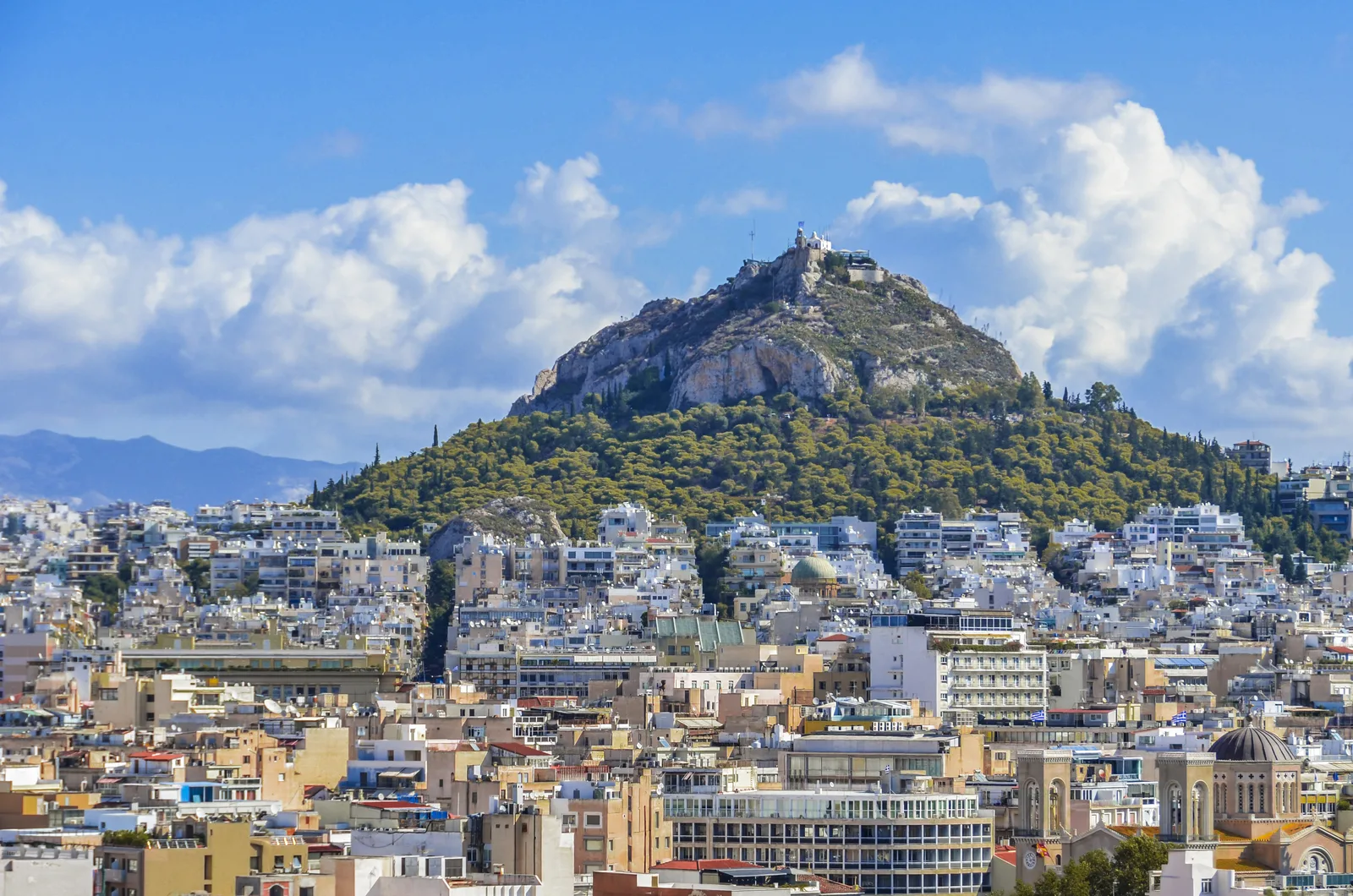
Greece in October: Is It Worth It?
October is one of the best months to enjoy Greece, with warm days, fewer crowds and lively harvest traditions. Here is what to expect and where to go.
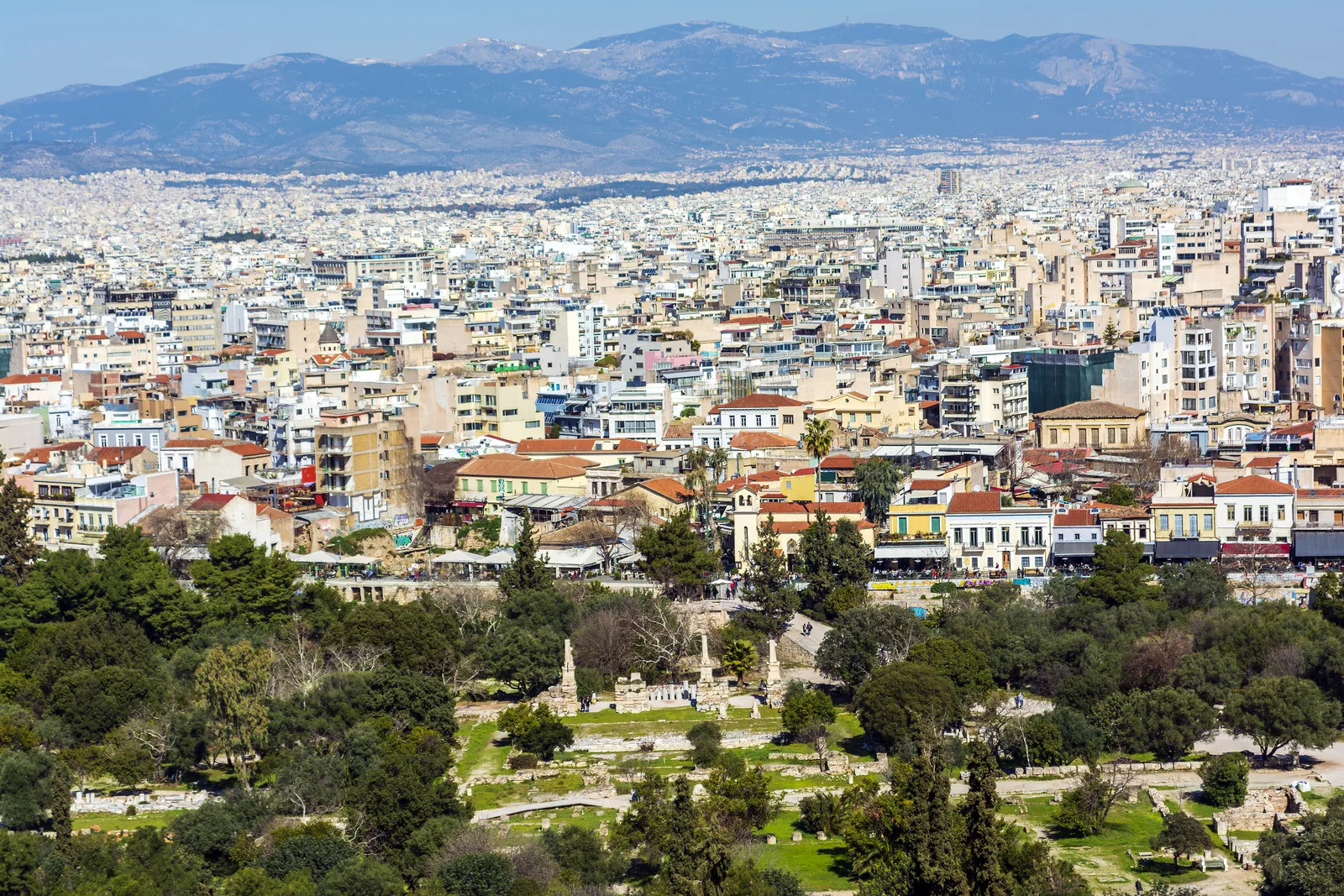
Summer Cultural Festivals in Greece (Athens Epidaurus Festival and More)
Greece's summer calendar is full of theatre, music and dance performed in ancient theatres, medieval fortresses and island squares. Here is how to choose the right festival and make the most of it.
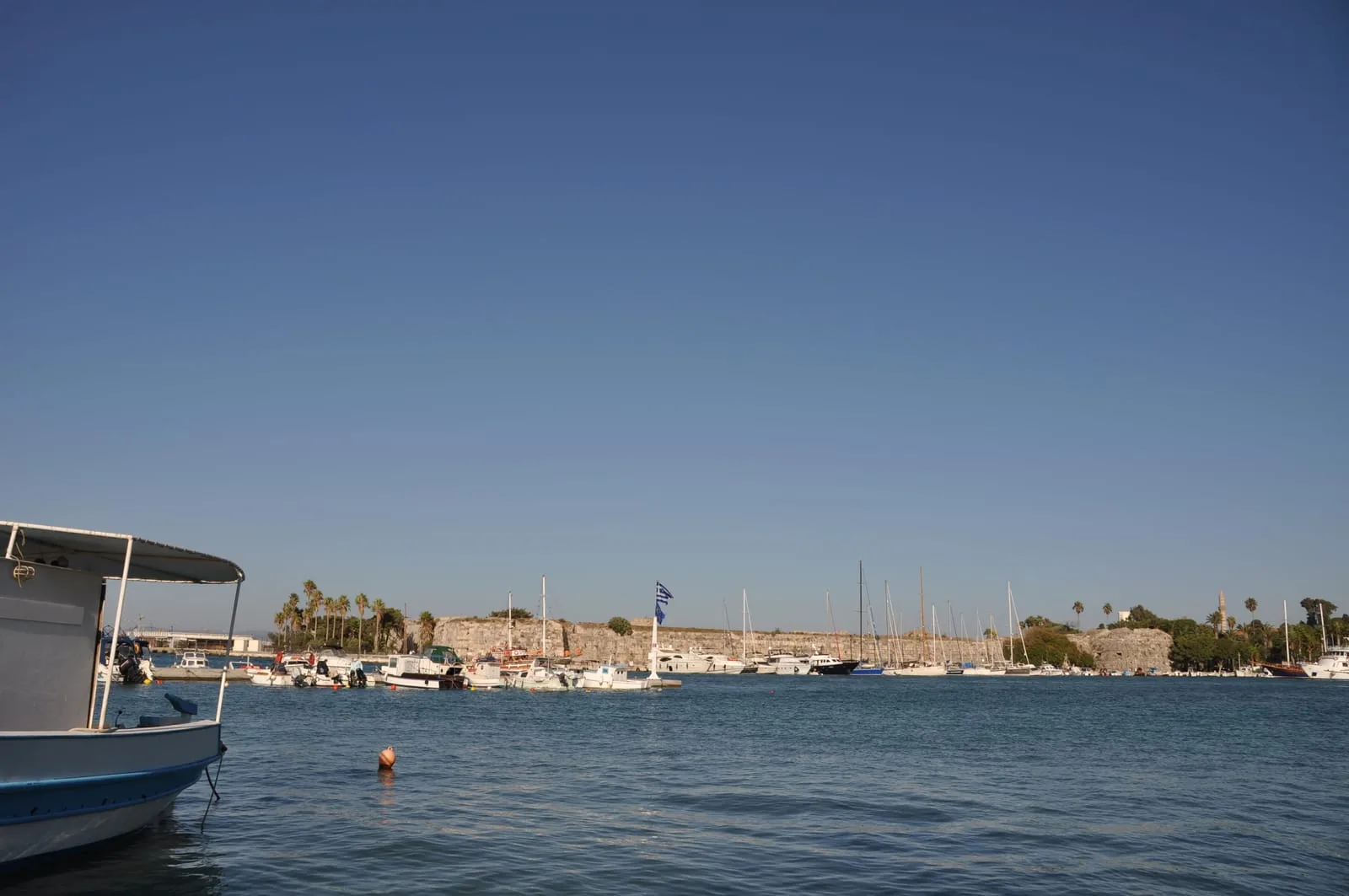
Top Things to Do in Kos
Sunny, easy-going and surprisingly rich in history, Kos rewards visitors with ancient healing sites, medieval fortresses and some of the Dodecanese's best beaches.
