


What to Eat in Corfu: A Local Food Guide
Corfu offers a distinct culinary landscape shaped by centuries of Venetian influence. Explore the island's signature dishes, from hearty meat stews to vibrant local citrus treats.
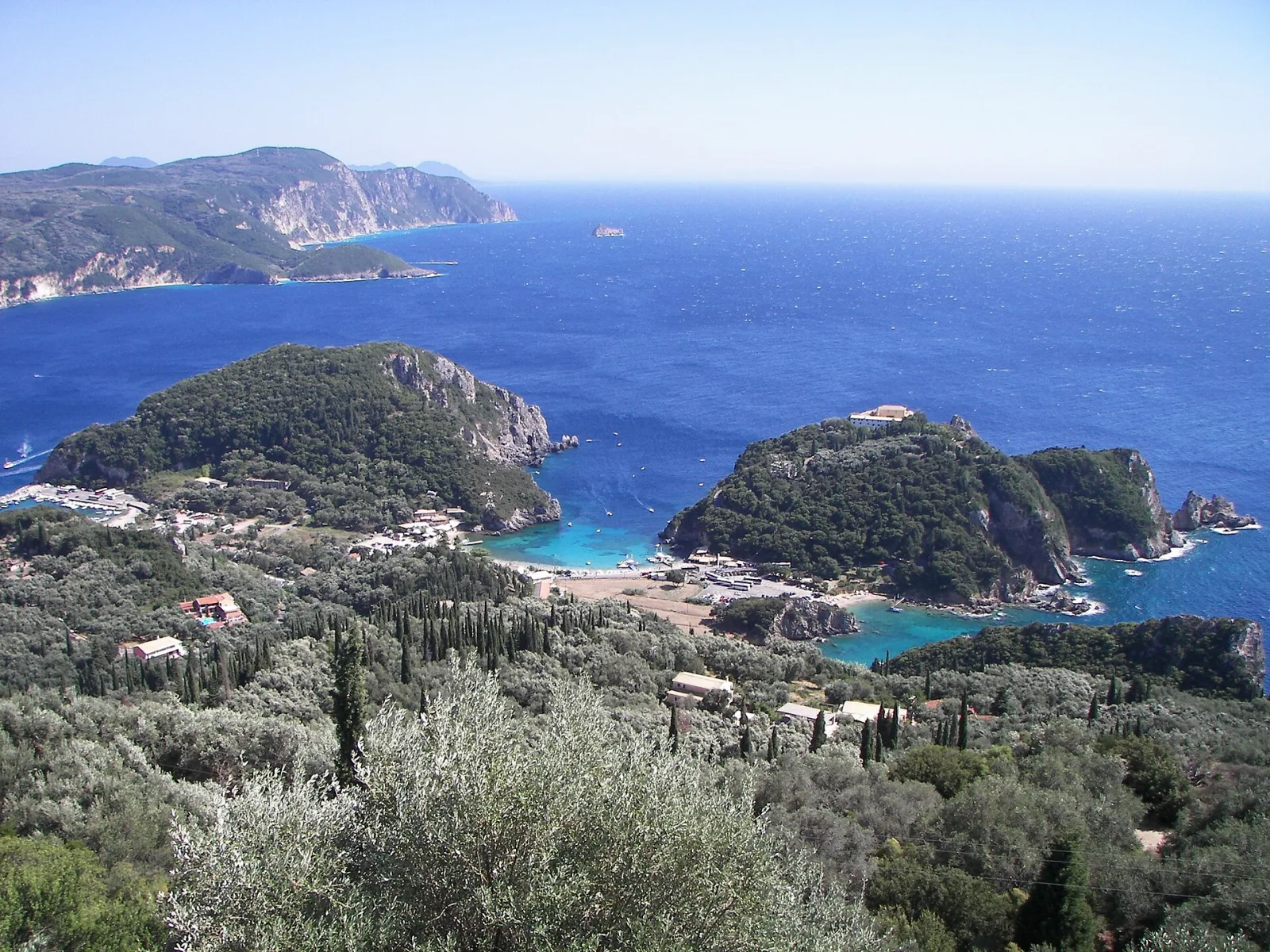
The Venetian Legacy on the Plate
Corfu’s culinary identity is distinct from the rest of Greece. While the mainland and the Cyclades often emphasize charcoal-grilled meats and simple salads, Corfu carries the unmistakable imprint of four centuries of Venetian rule. The local cuisine, often referred to as 'Corfiot cooking,' favors slow-cooked stews, complex spice blends, and the heavy use of pasta, all tempered by the island's abundant olive groves and Mediterranean produce.
Walking through the narrow, arcaded streets of the UNESCO-listed Old Town, the scent of garlic, vinegar, and warm spices often wafts from traditional tavernas. This is not just food; it is a historical narrative served on a plate, reflecting a period when the island served as a bridge between the East and the West.
Signature Corfiot Dishes
The cornerstone of the island's gastronomy is Pastitsada. This is a celebratory dish traditionally prepared for feast days, featuring rooster or beef slow-cooked in a rich, deep-red tomato sauce. The secret lies in the 'spetseriko,' a complex mixture of spices that typically includes cinnamon, cloves, nutmeg, and allspice. It is almost always served over thick, hollow pasta, topped with a generous grating of local hard cheese.

Another pillar of the local menu is Sofrito. This dish showcases the Venetian influence through its sophisticated simplicity. Thin slices of veal are lightly floured and fried, then simmered in a sauce made from white wine, plenty of garlic, vinegar, and parsley. The result is a tender, savory dish that pairs perfectly with mashed potatoes or rice. It is a testament to how Corfiot cooks have mastered the art of balancing acidity with protein.
For seafood lovers, Bourdeto is an essential experience. This is a spicy fish stew, traditionally made with scorpion fish or other firm white fish. The sauce is bright red, colored by a generous amount of hot red pepper or chili flakes, and finished with a touch of lemon juice. It is intense, fiery, and deeply satisfying, especially when enjoyed at a seaside taverna in villages like Kassiopi or Agios Stefanos.
Finally, look for Bianco. In direct contrast to the red sauces of pastitsada and bourdeto, Bianco is a delicate fish stew cooked in a white sauce of lemon, garlic, parsley, and sliced potatoes. It is a lighter, more refined dish that highlights the freshness of the Ionian catch.
The Kumquat Phenomenon
No guide to Corfiot food is complete without mentioning the kumquat. This small, orange citrus fruit was introduced to the island in the mid-19th century and has since become a symbol of Corfu. You will find it everywhere: as a vibrant orange liqueur, as a sweet spoon dessert (fruit preserved in thick syrup), and even as a marmalade for breakfast.
The liqueur is often served chilled as a digestif after a heavy meal. Its bittersweet profile acts as a perfect palate cleanser. If you visit a local shop in the Old Town, you can often sample different varieties, including those made with a higher concentration of fruit or those blended with local honey.
Local Produce and Dining
Corfu is home to an ancient variety of olive tree known as 'Lianolia,' which produces a particularly mild and buttery olive oil. This oil is the foundation for almost every dish on the island. When dining out, pay attention to the bread and the cheese; local producers often supply tavernas with feta and mizithra that have a slightly different texture and salt content compared to those found on the mainland.
For a casual experience, seek out Tsitsibira, a local ginger beer. It is a refreshing, non-alcoholic legacy of the British protectorate era, still produced on the island today. It is crisp, spicy, and pairs surprisingly well with the savory, spiced meat dishes of the local tavernas.
Practical Tips for Food Lovers
- Look for the 'Spetseriko': If you are buying spices at a local market, ask for a pre-mixed bag of 'spetseriko' to take the flavors of Corfu home with you.
- Dining Timing: Greeks eat dinner late. In Corfu, don't expect the kitchen to be in full swing before mid-evening. Check locally for the specific kitchen hours of the tavernas you plan to visit, as many family-run places open only for dinner.
- Explore Beyond the Main Square: While the Liston arcades are beautiful, the best traditional food is often found in the smaller 'kantounia' (narrow alleys) of the Old Town or in the hillside villages away from the main tourist beaches.
- Transport: If you are staying in the Old Town, most tavernas are within walking distance. If you are venturing to coastal areas like Paleokastritsa, check the local bus schedules or consider renting a car to ensure you can return easily after a long dinner.
- Reservations: During the peak summer months, popular tavernas in the Old Town and the north-east coast can get very busy. It is always a good idea to check locally if you need to book a table in advance.
Plan your trip to Corfu
Compare prices with KAYAKYou'll be taken to KAYAK to compare prices. We may earn a commission at no extra cost to you.
Plan your trip to Corfu
🏨Find hotels on Booking.comBooking.comAffiliate links — we may earn a small commission.
Deals from our travel partners
 Flights from Corfu to BelgradeAir Serbia · from 435 EUR
 Aris Thessaloniki vs Rostock Tickets - Nick Galis Hall, 2026-12-22Sports Events 365 · from 102 EUR
Olympiacos Pireus vs Paris Basketball Tickets - Peace & Friendship Stadium, 2027-01-15Sports Events 365 · from 130 EUR
PAOK Thessaloniki vs Balkan Botevgrad Tickets - PAOK Arena, 2027-01-13Sports Events 365 · from 102 EUR
Aris Thessaloniki vs Rostock Tickets - Nick Galis Hall, 2026-12-22Sports Events 365 · from 102 EUR
Olympiacos Pireus vs Paris Basketball Tickets - Peace & Friendship Stadium, 2027-01-15Sports Events 365 · from 130 EUR
PAOK Thessaloniki vs Balkan Botevgrad Tickets - PAOK Arena, 2027-01-13Sports Events 365 · from 102 EUR
Affiliate links — we may earn a commission at no extra cost to you.
Related guides

Greece on a Honeymoon: Romantic Destinations
Greece offers an unparalleled backdrop for a romantic getaway, blending ancient history with breathtaking coastal scenery. From serene island sunsets to mountain escapes, here is how to plan your dream honeymoon.
Top Things to Do in Corfu
Corfu offers a unique blend of Venetian architecture, lush landscapes, and crystal-clear Ionian waters. Explore this comprehensive guide to the island's top sights and experiences.
What to Eat in Ithaca: A Local Food Guide
Ithaca offers a culinary landscape defined by the Ionian Sea and its rugged, mountainous terrain. Discover the local specialties that make every meal a tribute to the island's heritage.
