


What to Eat in Mani: A Local Food Guide
From sun-drenched olive groves to the stone-built tavernas of the coast, the Mani peninsula offers a distinct culinary identity rooted in history and landscape.
The Culinary Character of Mani
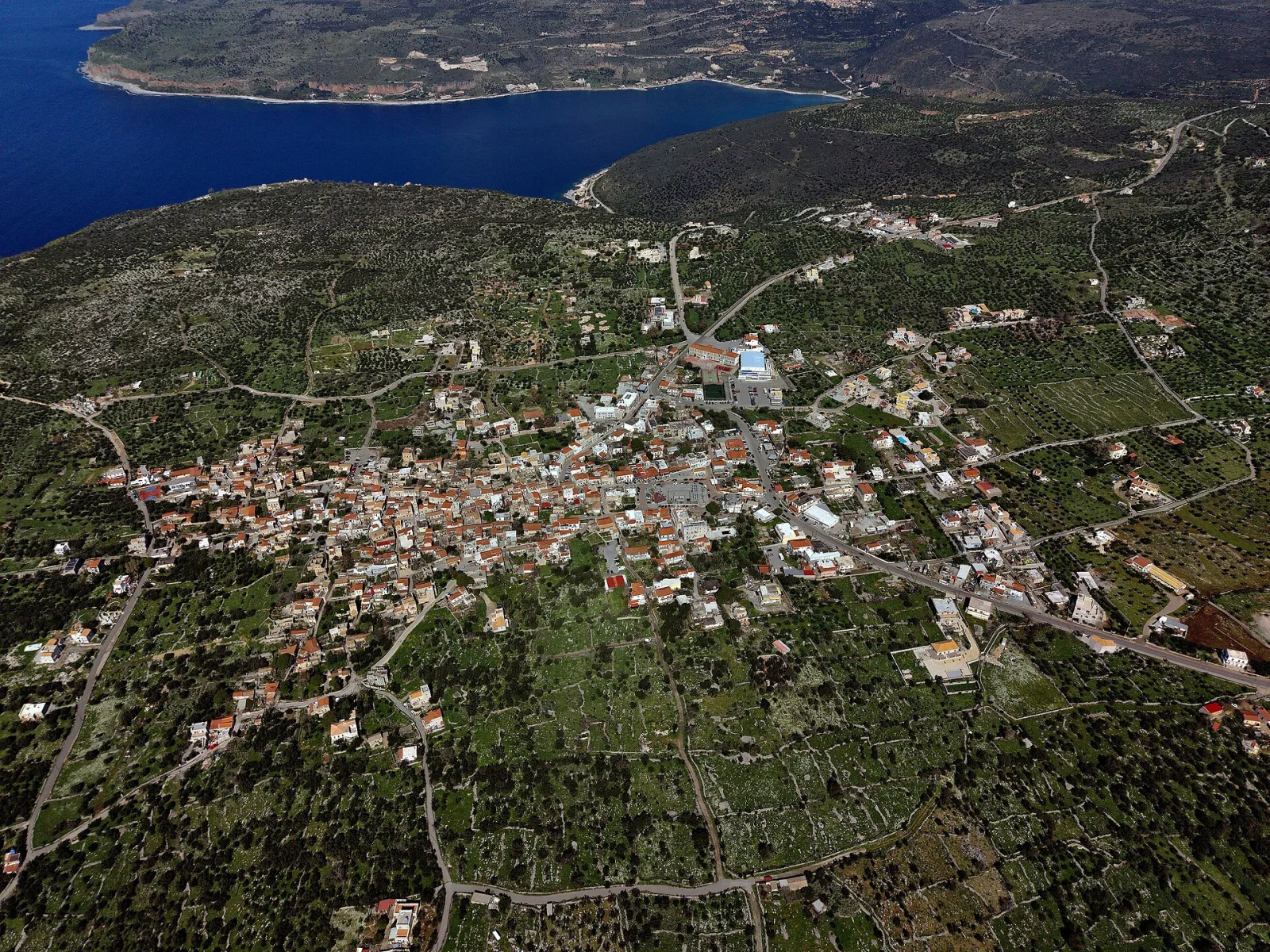
The Mani peninsula is defined by its rugged, limestone terrain and a history of self-reliance. This isolation has preserved a unique gastronomic tradition that differs significantly from the rest of the Peloponnese. Maniot food is defined by what the land provides: hardy greens, wild herbs, superior olive oil, and cured meats. Dining here is an exercise in simplicity, where the quality of the ingredients takes precedence over complex culinary techniques.
The Foundation: Olive Oil and Wild Greens
The Koroneiki olive is the bedrock of the local economy and diet. Maniot olive oil is renowned for its intense, peppery finish and vibrant green color. You will find it drizzled generously over everything, from simple village salads to slow-cooked stews. Alongside the olive oil, the use of wild greens—known as horta—is essential. Depending on the season, these might include dandelion, chicory, or wild leeks, usually boiled and served with a squeeze of lemon and plenty of oil.
Must-Try Local Dishes
- Siglino: Perhaps the most famous Maniot export, this is pork that has been salted, smoked over aromatic woods (often sage or cypress), and then preserved in lard. It is frequently served as a meze, often fried with eggs or diced into a salad with orange segments.
- Lalagia: These are thin, crispy strips of fried dough. They can be found in both savory and sweet versions. Savory lalagia are a staple breakfast item, often eaten alongside local feta or graviera cheese.
- Diples: Often served at celebrations, these are thin sheets of dough folded into intricate shapes, fried until golden, and drizzled with honey, crushed walnuts, and cinnamon.
- Wild Boar and Goat: In the mountain villages, goat and wild boar are the primary proteins. They are typically slow-cooked in clay pots with tomato sauce, garlic, and local herbs like oregano and thyme.
- Hilopites: Traditional egg pasta, often served with a hearty rooster or goat ragu. The pasta is usually made by hand by local women's cooperatives, providing a texture that holds sauces perfectly.
The Coastal Bounty
While the interior is dominated by meat and mountain produce, the coastal villages of Limeni, Gerolimenas, and Stoupa offer the freshest catch of the day. In these harbor-side tavernas, look for grilled octopus, red mullet, and sea bream. The fish is almost always prepared simply—grilled over charcoal and finished with a classic ladolemono (olive oil and lemon) sauce. In Limeni, dining inches from the turquoise water is a quintessential experience, particularly when paired with a glass of local white wine.

Dining in the Tower Villages
The architecture of the Mani—characterized by stone towers—extends to the dining experience. Many tavernas in Areopoli and Vathia are located within restored stone buildings, providing a cool, atmospheric environment. When visiting these areas, look for menus that highlight 'pichtogalo,' a creamy, spreadable cheese that is a specialty of the wider region. It is best enjoyed spread over warm, crusty sourdough bread.
Practical Tips for Dining in Mani
- Follow the Seasons: Menus in the Mani change frequently based on what is available in the local markets. Do not be surprised if a dish mentioned in a guidebook is not available; simply ask the server for the 'daily specialty.'
- Check Locally for Hours: Many family-run tavernas operate on flexible schedules, especially outside of the peak summer months. It is always wise to check locally or call ahead if you have your heart set on a specific establishment.
- Embrace the Meze Culture: Rather than ordering a single large entree, order a variety of small plates to share. This is the best way to sample the diversity of Maniot flavors, from smoked meats to pickled vegetables.
- Ask for Local Wine: While the region is famous for olive oil, several small-batch wineries are emerging in the Peloponnese. Ask your server for a local bottle to pair with your meal; the regional whites pair exceptionally well with the salty, cured flavors of siglino.
- The Importance of Bread: In traditional Maniot households, bread is treated with great respect. You will find that most tavernas serve excellent, rustic bread that is perfect for mopping up the remains of your salad or stew.
Plan your trip to Mani
Compare prices with KAYAKYou'll be taken to KAYAK to compare prices. We may earn a commission at no extra cost to you.
Plan your trip to Mani
🏨Find hotels on Booking.comBooking.comAffiliate links — we may earn a small commission.
Deals from our travel partners
 PAOK Thessaloniki vs Balkan Botevgrad Tickets - PAOK Arena, 2027-01-13Sports Events 365 · from 102 EUR
Aris Thessaloniki vs Rigas Zelli Tickets - Nick Galis Hall, 2026-11-11Sports Events 365 · from 102 EUR
Aris Thessaloniki vs Rostock Tickets - Nick Galis Hall, 2026-12-22Sports Events 365 · from 102 EUR
Olympiacos Pireus vs Paris Basketball Tickets - Peace & Friendship Stadium, 2027-01-15Sports Events 365 · from 130 EUR
PAOK Thessaloniki vs Balkan Botevgrad Tickets - PAOK Arena, 2027-01-13Sports Events 365 · from 102 EUR
Aris Thessaloniki vs Rigas Zelli Tickets - Nick Galis Hall, 2026-11-11Sports Events 365 · from 102 EUR
Aris Thessaloniki vs Rostock Tickets - Nick Galis Hall, 2026-12-22Sports Events 365 · from 102 EUR
Olympiacos Pireus vs Paris Basketball Tickets - Peace & Friendship Stadium, 2027-01-15Sports Events 365 · from 130 EUR
Affiliate links — we may earn a commission at no extra cost to you.
Related guides
Top Things to Do in Kalamata
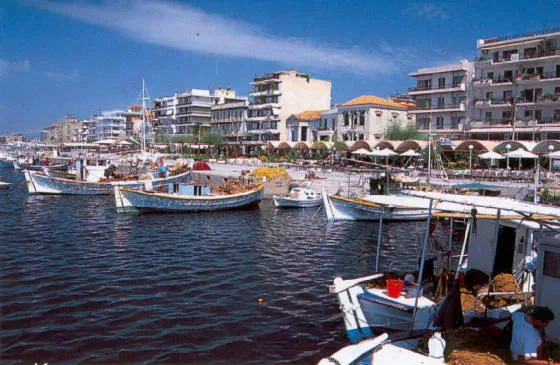
Kalamata is a relaxed seaside city famous for its olives, with a charming old town, a hilltop castle and a long sandy beach. It also makes an ideal base for exploring Messinia and the Mani.

Clean Monday in Greece
Clean Monday marks the beginning of Great Lent in Greece, celebrated with outdoor festivities, kite flying, and a traditional meat-free feast.
Olive Harvest Experiences in Greece
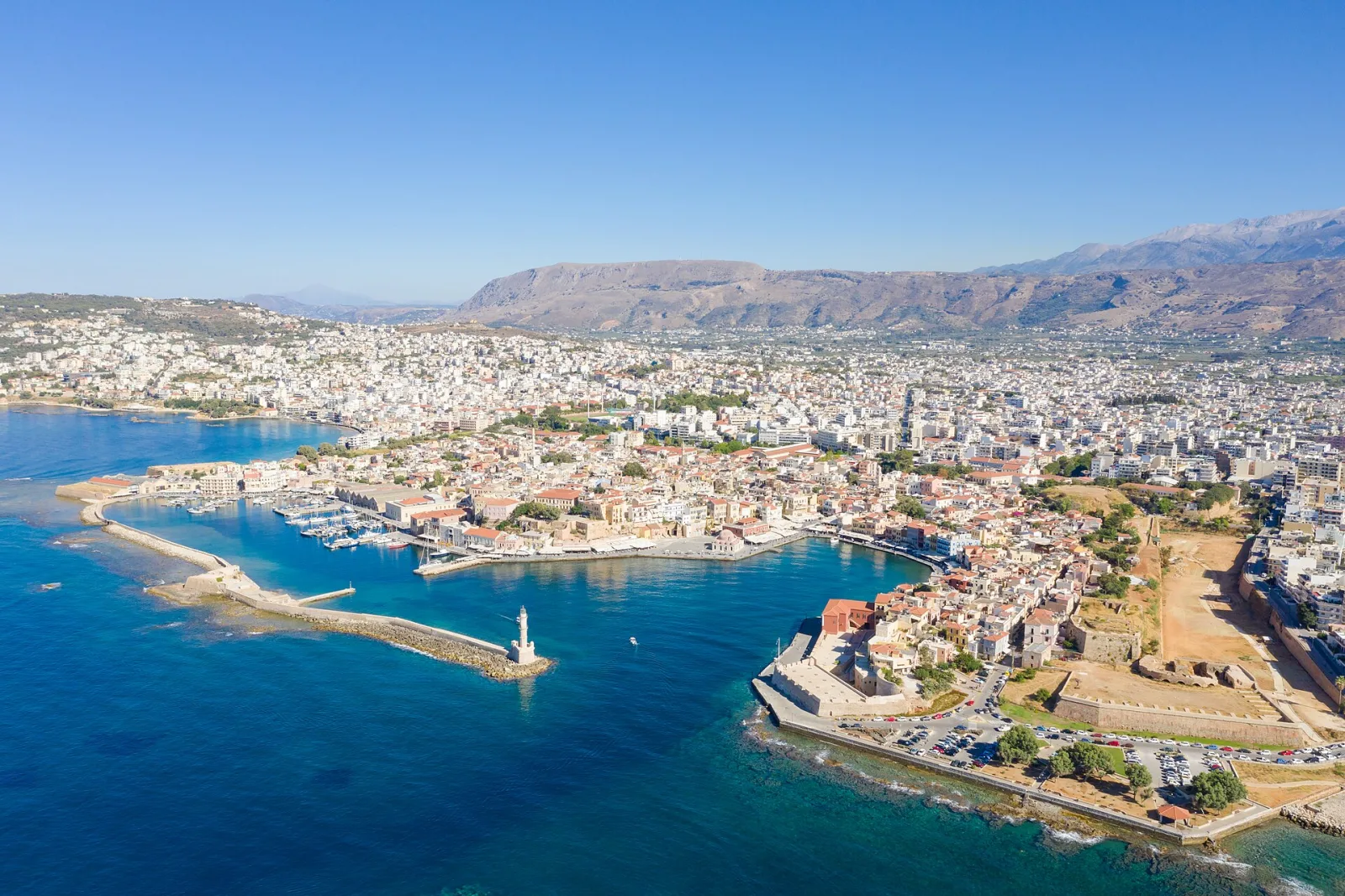
The Greek olive harvest is a time-honored tradition that defines the rhythm of rural life. Participating in the collection offers a profound connection to the land and its ancient agricultural heritage.
