


What to Eat in Mykonos: A Local Food Guide
Mykonos offers a surprising depth of traditional flavors that go far beyond the international dining scene. Discover the local ingredients and signature dishes that define the island's culinary identity.

The Culinary Heritage of Mykonos
While Mykonos is globally recognized for its vibrant nightlife and cosmopolitan beach clubs, the island maintains a distinct culinary identity rooted in the harsh, arid conditions of the Cyclades. The local diet has historically relied on preservation techniques, local livestock, and the bounty of the Aegean Sea. To understand Mykonian food, one must look toward the traditional recipes that have sustained islanders for generations.
Signature Local Products
The star of any traditional Mykonian table is louza. This is a sun-dried pork fillet, seasoned with savory, cinnamon, and cloves, then cured for several weeks. It is typically served in paper-thin slices, offering a complex, spiced flavor profile that pairs perfectly with local wine. Another essential is kopanisti, a pungent, spicy, and creamy cheese that is a staple of Cycladic meze platters. Its fiery kick comes from the fermentation process, making it a bold accompaniment to crusty bread or fresh tomatoes.
Mykonian sausages are equally iconic. Unlike other regional variations, these are made from pork and flavored with savory—a wild herb abundant on the island—and pepper. They are often air-dried, resulting in a firm texture that is ideal for frying or grilling. You will frequently find these served alongside mostra, a traditional snack consisting of a rusk topped with kopanisti, chopped tomatoes, and a generous drizzle of olive oil.

Traditional Dishes to Seek Out
When dining in the winding alleys of Chora or the quieter village of Ano Mera, look for dishes that showcase these seasonal ingredients. Kremmidopita, or onion pie, is a local favorite. It is a savory pastry filled with onions, local cheese, and herbs, encased in a crisp, golden crust. It is a testament to how simple, humble ingredients can be transformed into a comforting meal.
Seafood remains a cornerstone of the island's gastronomy. While many restaurants focus on international trends, the best experiences often involve simple, grilled catches of the day. Look for tavernas that serve gouna—sun-dried, salted fish that is lightly grilled. The process concentrates the flavor of the fish, creating a firm, salty snack that is best enjoyed with a glass of local ouzo or white wine.
Dining Beyond Chora
While the maze-like streets of Chora offer endless options, venturing to the village of Ano Mera provides a more relaxed atmosphere. Here, the pace of life slows down, and the tavernas surrounding the central square often focus on traditional meat dishes and slow-cooked stews. It is an excellent place to sample local lamb or goat, which are raised on the island’s rocky terrain and possess a distinct, rich flavor.
Practical Tips for Food Lovers
- Ask for the daily special. Many traditional tavernas rely on what is fresh from the market or the morning catch.
- Try the local bakery products. Mykonian rusks are excellent for breakfast or as a base for salads.
- Pair your meals with local wine. The Cycladic islands have a long history of viticulture, and the dry, mineral-rich white wines are a perfect match for salty cheeses and cured meats.
- Reservations are recommended during the peak summer months, especially for popular spots in Chora or those with a view of the sunset in Little Venice.
- Check locally for seasonal availability of specific dishes, as some traditional recipes are more common during local festivals or specific times of the year.
- When visiting the monastery of Panagia Tourliani in Ano Mera, take the opportunity to explore the surrounding village tavernas for authentic, home-style cooking.
Plan your trip to Mykonos
Compare prices with KAYAKYou'll be taken to KAYAK to compare prices. We may earn a commission at no extra cost to you.
Plan your trip to Mykonos
🏨Find hotels on Booking.comBooking.comAffiliate links — we may earn a small commission.
Deals from our travel partners
 PAOK Thessaloniki vs BC Lietkabelis Tickets - PAOK Arena, 2026-12-19Sports Events 365 · from 102 EUR
Aris Thessaloniki vs Le Mans Sarthe Basket Tickets - Nick Galis Hall, 2026-11-18Sports Events 365 · from 102 EUR
Olympiacos Pireus vs Armani Olimpia Milano Tickets - Ano Liosia Olympic Hall, 2026-10-30Sports Events 365 · from 120 EUR
Olympiacos Pireus vs Real Madrid Tickets - Ano Liosia Olympic Hall, 2026-11-20Sports Events 365 · from 162 EUR
PAOK Thessaloniki vs BC Lietkabelis Tickets - PAOK Arena, 2026-12-19Sports Events 365 · from 102 EUR
Aris Thessaloniki vs Le Mans Sarthe Basket Tickets - Nick Galis Hall, 2026-11-18Sports Events 365 · from 102 EUR
Olympiacos Pireus vs Armani Olimpia Milano Tickets - Ano Liosia Olympic Hall, 2026-10-30Sports Events 365 · from 120 EUR
Olympiacos Pireus vs Real Madrid Tickets - Ano Liosia Olympic Hall, 2026-11-20Sports Events 365 · from 162 EUR
Affiliate links — we may earn a commission at no extra cost to you.
Related guides
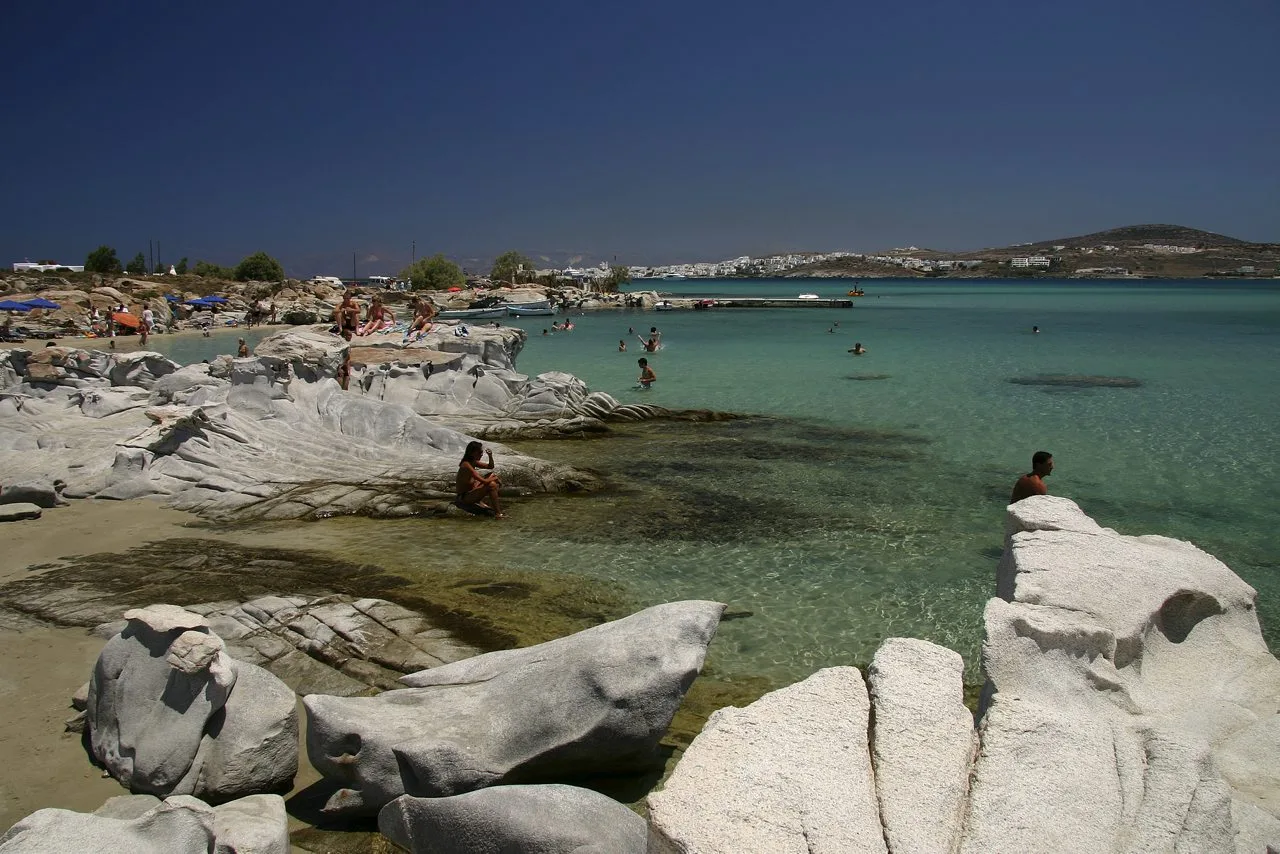
Top Things to Do in Paros
From whitewashed harbours and Venetian forts to sculpted rock beaches and mountain villages, Paros rewards travellers who look beyond the postcard. Here are the experiences worth planning around.

Is Greece Expensive? A Realistic Look at Costs
Navigating the costs of a Greek holiday requires balancing popular hotspots with mainland alternatives. This guide breaks down how to manage your budget effectively.

What to Eat in Ithaca: A Local Food Guide
Ithaca offers a culinary landscape defined by the Ionian Sea and its rugged, mountainous terrain. Discover the local specialties that make every meal a tribute to the island's heritage.
