


What to Eat in Samos: A Local Food Guide
Samos offers a rich culinary landscape defined by its fertile mountains and Aegean heritage. This guide explores the must-try dishes and local specialties that define the island's unique gastronomy.
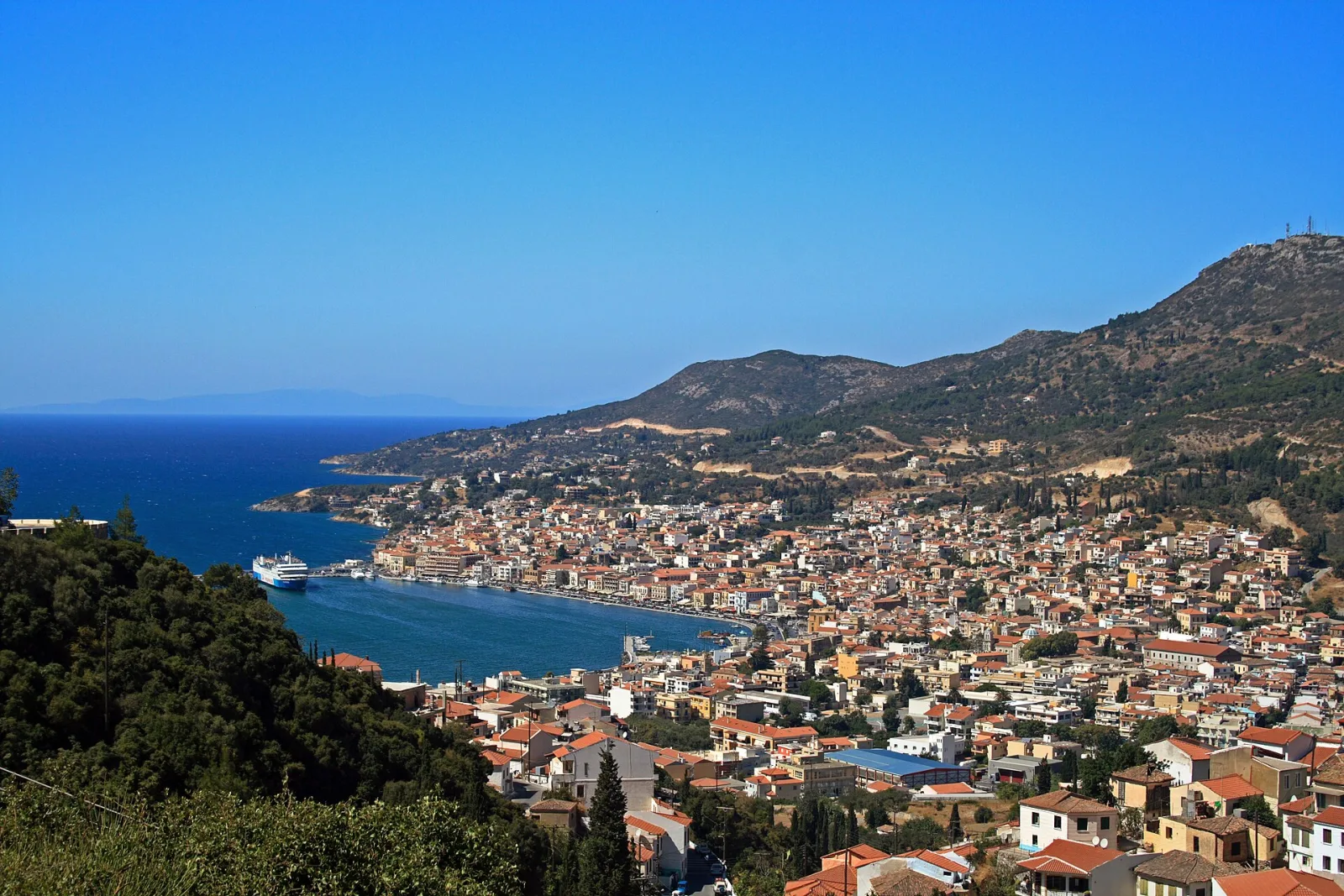
The Culinary Heritage of Samos
Samos is an island of striking contrasts, where lush, pine-covered mountains descend into the crystalline waters of the Aegean. Its geography has long dictated its diet, blending the bounty of the sea with the robust traditions of the interior. While visitors often arrive to explore the archaeological wonders of the Heraion sanctuary or the engineering marvel of the Tunnel of Eupalinos, the island’s food culture offers a equally compelling journey. The cuisine here is deeply tied to the land, characterized by the use of wild herbs, mountain-grown vegetables, and the distinct, sweet Muscat wine for which the island is globally recognized.
The Famous Samos Muscat
No discussion of Samian gastronomy is complete without mentioning the Samos Muscat. This golden, sweet dessert wine has been produced on the island for centuries and remains the pride of local viticulture. The unique climate and the traditional terraced vineyards, which cling to the steep mountain slopes, contribute to the wine's intense aromatic profile. Whether enjoyed as an aperitif or paired with local desserts, it is an essential part of the island experience. Many wineries offer tastings where you can learn about the specific microclimates that give each label its distinct character.
Seafood and Coastal Delights
Given the island's long coastline, fish and seafood are staples. In the picturesque fishing village of Kokkari, tavernas line the waterfront, serving the day's catch. Look for grilled octopus, calamari, and fresh sea bream. A local favorite is the preparation of various small fish fried in high-quality local olive oil. For a truly authentic experience, visit the tavernas surrounding the Pythagorio harbour, where the atmosphere is vibrant and the proximity to the sea ensures the freshest ingredients. The local approach to seafood is simple, focusing on the natural flavor of the product enhanced by a splash of lemon, wild oregano, and local olive oil.

Mountain Flavors and Local Produce
Away from the coast, the mountainous villages of Samos offer a different culinary perspective. The inland regions are known for their hearty stews and vegetable-based dishes. Wild greens, known as horta, are gathered from the hillsides and served boiled with olive oil and lemon. You will also find excellent local cheeses, often made from goat or sheep milk, which provide a sharp, salty contrast to the sweetness of the island’s fruit and wine. The local honey, particularly that produced from pine or thyme, is another highlight, often served drizzled over Greek yogurt for a simple yet perfect breakfast.
Traditional Dishes to Seek Out
- Bourekia: These are traditional pastries often filled with sweet cream or local pumpkin, reflecting the island's love for both savory and sweet snacks.
- Samian Fava: While fava is common across Greece, the local variety served with caramelized onions and capers is a staple of Samian tavernas.
- Stuffed Vegetables (Gemista): Often prepared with local herbs and sometimes a touch of pine nuts or raisins, reflecting the Eastern influences on Aegean cuisine.
- Local Olive Oil: Samos produces exceptional olive oil, which serves as the foundation for almost every dish. It is often peppery and robust, perfect for drizzling over fresh salads or warm crusty bread.
The Experience of Dining in Samos
Dining in Samos is a slow, social affair. It is common to order a variety of mezedes—small plates designed for sharing—rather than a single main course. This allows you to sample a wide array of local flavors in one sitting. Whether you are dining in a quiet mountain square under the shade of a plane tree or at a seaside table watching the sunset, the emphasis is on hospitality and the quality of local ingredients. The island's culinary identity is not just in the ingredients, but in the tradition of gathering together to enjoy them.
Practical Tips for Foodies
- Visit Local Producers: Look for small, family-run cooperatives when buying honey, olive oil, or wine to bring home. They often offer higher quality products than souvenir shops.
- Check Locally for Seasonality: The availability of certain fish and vegetables changes with the seasons. Ask your waiter for the daily specials, as these are usually based on what was delivered fresh that morning.
- Explore the Inland Villages: Many of the most authentic tavernas are tucked away in the mountain villages. Do not hesitate to drive inland to find traditional recipes that may not be featured on tourist-heavy menus.
- Reservations: During the peak summer months, popular tavernas in spots like Kokkari or Pythagorio can fill up quickly. Check locally if you need to book a table for dinner in advance.
- Respect the Pace: Service in Greece is generally relaxed. Embrace the slower pace of dining, which is intended to allow for conversation and enjoyment of the meal.
Plan your trip to Samos
Compare prices with KAYAKYou'll be taken to KAYAK to compare prices. We may earn a commission at no extra cost to you.
Plan your trip to Samos
🏨Find hotels on Booking.comBooking.comAffiliate links — we may earn a small commission.
Deals from our travel partners
 Aris Thessaloniki vs Rostock Tickets - Nick Galis Hall, 2026-12-22Sports Events 365 · from 102 EUR
Aris Thessaloniki vs San Pablo Burgos Tickets - Nick Galis Hall, 2026-12-09Sports Events 365 · from 102 EUR
Olympiacos F.C. vs Sparta Prague Tickets - Karaiskaki Stadium, 2026-10-22Sports Events 365 · from 176 EUR
PAOK Thessaloniki vs Balkan Botevgrad Tickets - PAOK Arena, 2027-01-13Sports Events 365 · from 102 EUR
Aris Thessaloniki vs Rostock Tickets - Nick Galis Hall, 2026-12-22Sports Events 365 · from 102 EUR
Aris Thessaloniki vs San Pablo Burgos Tickets - Nick Galis Hall, 2026-12-09Sports Events 365 · from 102 EUR
Olympiacos F.C. vs Sparta Prague Tickets - Karaiskaki Stadium, 2026-10-22Sports Events 365 · from 176 EUR
PAOK Thessaloniki vs Balkan Botevgrad Tickets - PAOK Arena, 2027-01-13Sports Events 365 · from 102 EUR
Affiliate links — we may earn a commission at no extra cost to you.
Related guides

What to Eat in Ithaca: A Local Food Guide
Ithaca offers a culinary landscape defined by the Ionian Sea and its rugged, mountainous terrain. Discover the local specialties that make every meal a tribute to the island's heritage.
What to Eat in Chania: A Local Food Guide
Chania offers a rich culinary landscape defined by fresh Cretan ingredients, ancient olive oil traditions, and vibrant local markets. This guide explores the must-try dishes that define the region's unique gastronomy.

Feta Cheese Explained: PDO Rules, Types and How Greeks Eat It
Feta is the soul of Greek cuisine. This guide explores the strict PDO regulations, regional nuances, and the traditional ways to serve this iconic sheep and goat milk cheese.
