


What to Eat in Santorini: A Local Food Guide
Santorini offers a culinary landscape as dramatic as its caldera. Discover the unique volcanic ingredients and traditional recipes that define the island's authentic flavor profile.

The Volcanic Terroir
The unique geography of Santorini, shaped by centuries of volcanic activity, creates an environment unlike any other in Greece. The soil, rich in pumice and ash, lacks organic matter but retains moisture from the sea mist, forcing plants to struggle for survival. This results in crops with concentrated, intense flavors that are the foundation of the island's traditional cuisine. When dining in Santorini, the menu often reflects this arid, mineral-rich landscape.
The Iconic Trio: Tomato, Fava, and White Eggplant
Three specific ingredients define the Santorini table. The local cherry tomato, or 'tomadaki', is small, thick-skinned, and incredibly sweet. These are most famously enjoyed as 'tomatokeftedes', or tomato fritters, where they are mixed with herbs, onions, and feta before being fried until golden and crisp. You will find these on almost every menu, from casual tavernas to upscale caldera-view restaurants.
Fava, a yellow split pea, is another staple. Despite the name, it is not a broad bean but a variety of Lathyrus clymenum, grown on the island for millennia. It is typically served as a smooth, creamy puree, drizzled with high-quality olive oil, chopped onions, and capers. It is a simple, humble dish that perfectly encapsulates the island's agricultural history.

Finally, there is the white eggplant. Unlike the common purple variety, the Santorini white eggplant is sweeter and absorbs less oil when cooked. It is often roasted or served as a 'melitzanosalata', a dip that highlights the vegetable's delicate texture and smoky undertones.
The Assyrtiko Experience
No exploration of Santorini food is complete without the island's signature wine: Assyrtiko. The vines here are trained into low, basket-like shapes called 'kouloura' to protect them from the relentless Aegean winds. The resulting wine is bone-dry, high in acidity, and possesses a distinct mineral character that mirrors the volcanic soil. It is the perfect accompaniment to fresh grilled seafood or a plate of local cheeses like 'chlorotyri', a soft, tangy goat cheese produced in limited quantities on the island.
Seafood and Traditional Tavernas
While the island is famous for its inland agriculture, the surrounding Aegean provides an abundance of fresh catch. Look for 'gouna', which is sun-dried, salted fish—usually mackerel—that is lightly grilled to intensify its savory profile. This is best enjoyed at traditional seaside tavernas in areas like Perissa or Ammoudi Bay, where the proximity to the sea ensures the freshest possible ingredients.
For a complete meal, seek out 'sfougato', a local vegetable omelet, or 'kopania', a traditional dessert made from barley rusks, sesame, and grape molasses. These dishes are often prepared using family recipes passed down through generations, reflecting the resilience and creativity of the islanders.
Practical Tips for Dining
- Reservations: During the peak summer months, popular restaurants with caldera views fill up quickly. Book your table in advance, especially if you want to secure a spot for sunset.
- House Wine: Many tavernas serve their own local wine. Do not hesitate to ask for the 'house' option, as it is often sourced from nearby vineyards and pairs perfectly with local mezedes.
- Tipping: While service charges are sometimes included, it is customary to leave a small tip if you are satisfied with the service.
- Water: Tap water in Santorini is generally not for drinking. Always order bottled water or check locally regarding the availability of filtered water stations.
- Dietary Needs: Most restaurants are very accommodating. If you have specific allergies, mention them clearly to your server, as many traditional dishes contain nuts, dairy, or gluten.
- Lunch vs. Dinner: Many of the best traditional dishes are best enjoyed at a leisurely lunch. Some smaller, family-run tavernas may have limited menus in the late evenings, so plan your culinary explorations accordingly.
Plan your trip to Santorini
Compare prices with KAYAKYou'll be taken to KAYAK to compare prices. We may earn a commission at no extra cost to you.
Plan your trip to Santorini
🏨Find hotels on Booking.comBooking.comAffiliate links — we may earn a small commission.
Deals from our travel partners
 PAOK Thessaloniki vs Balkan Botevgrad Tickets - PAOK Arena, 2027-01-13Sports Events 365 · from 102 EUR
PAOK Thessaloniki vs BC Lietkabelis Tickets - PAOK Arena, 2026-12-19Sports Events 365 · from 102 EUR
Olympiacos Pireus vs Real Madrid Tickets - Ano Liosia Olympic Hall, 2026-11-20Sports Events 365 · from 162 EUR
Aris Thessaloniki vs KK Cedevita Olimpija Tickets - Nick Galis Hall, 2026-10-28Sports Events 365 · from 92 EUR
PAOK Thessaloniki vs Balkan Botevgrad Tickets - PAOK Arena, 2027-01-13Sports Events 365 · from 102 EUR
PAOK Thessaloniki vs BC Lietkabelis Tickets - PAOK Arena, 2026-12-19Sports Events 365 · from 102 EUR
Olympiacos Pireus vs Real Madrid Tickets - Ano Liosia Olympic Hall, 2026-11-20Sports Events 365 · from 162 EUR
Aris Thessaloniki vs KK Cedevita Olimpija Tickets - Nick Galis Hall, 2026-10-28Sports Events 365 · from 92 EUR
Affiliate links — we may earn a commission at no extra cost to you.
Related guides
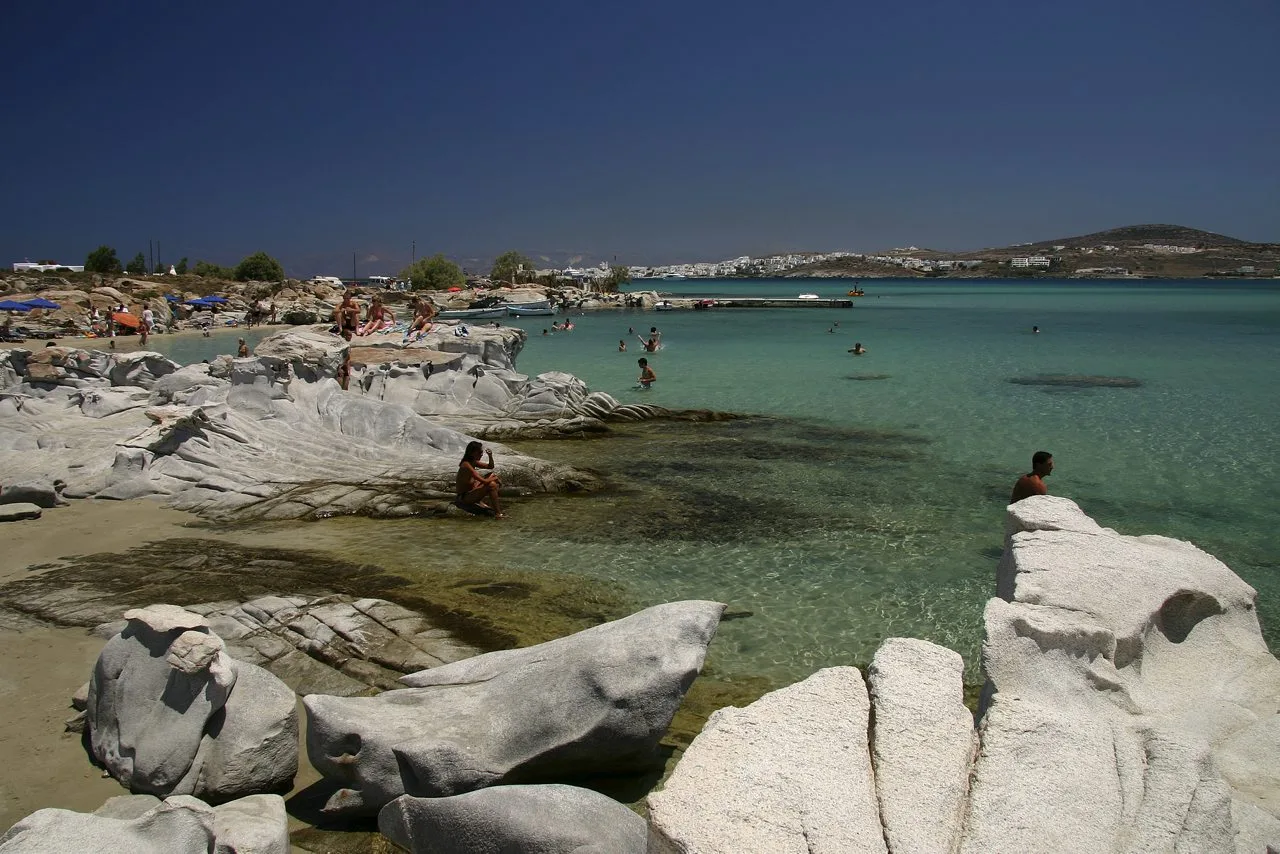
Top Things to Do in Paros
From whitewashed harbours and Venetian forts to sculpted rock beaches and mountain villages, Paros rewards travellers who look beyond the postcard. Here are the experiences worth planning around.
Greek Wine Tours by Region
Greece has one of the oldest winemaking traditions in the world, and its vineyards range from volcanic islands to mountain valleys. Here is how to plan a wine tour by region.
Greece on a Honeymoon: Romantic Destinations
Greece offers an unparalleled backdrop for a romantic getaway, blending ancient history with breathtaking coastal scenery. From serene island sunsets to mountain escapes, here is how to plan your dream honeymoon.
