


A Beginner's Guide to Greek Wine Regions and Grapes
Greece offers a rich tapestry of indigenous grape varieties and unique terroirs. This guide helps you navigate the country's most celebrated wine regions and the wines that define them.

The Renaissance of Greek Viticulture
Greek wine has undergone a remarkable transformation over the last few decades. Moving away from the reputation of rustic, bulk production, modern Greek winemakers are now focused on showcasing the incredible diversity of the country's indigenous grape varieties. With ancient roots stretching back thousands of years, the Greek landscape offers a unique combination of volcanic soils, high-altitude vineyards, and cooling sea breezes that create distinct profiles for every region.
The King of Whites: Assyrtiko and Santorini
When discussing Greek white wine, one grape stands above the rest: Assyrtiko. Originally from the volcanic island of Santorini, this grape is known for its high acidity, mineral backbone, and ability to age gracefully. The vines on Santorini are grown in a unique basket-like shape, called kouloura, to protect the grapes from the intense island winds and conserve moisture. A glass of chilled Assyrtiko pairs perfectly with grilled octopus or fresh sea bass, reflecting the saline quality of the Aegean Sea.
The Elegant Reds of Nemea and the Peloponnese
In the Peloponnese, specifically around the region of Nemea, the Agiorgitiko grape reigns supreme. Often referred to as the 'blood of Hercules,' this versatile variety can produce wines ranging from light, fruity rosés to deep, complex reds with notes of dark berries and soft tannins. It is a fantastic introduction to Greek red wine for those who enjoy Merlot or Sangiovese. Further south in the Mani region, you will find smaller producers experimenting with local varieties that thrive in the rugged, sun-drenched terrain.

The Aromatic Treasures of the North
Northern Greece, particularly around Drama and Kavala, has become a powerhouse for high-quality production. The cooler climate allows for a longer growing season, which is ideal for both international varieties and local stars like Malagousia. Malagousia is an aromatic white grape that produces wines with notes of peach, citrus, and honeysuckle. It is remarkably food-friendly and serves as an excellent companion to traditional meze platters featuring feta, olives, and stuffed vine leaves.
The High-Altitude Wines of Epirus
The mountainous regions of Epirus, such as Metsovo and Ioannina, offer a completely different experience. The high altitude and dramatic temperature fluctuations between day and night produce wines with great structure and freshness. Debina is the signature white grape of this area, often used to make crisp, sparkling wines that offer a refreshing alternative to traditional options. These wines are a testament to the fact that Greek viticulture is as much about the mountains as it is about the islands.
Exploring the Islands: Tinos and Beyond
Beyond the famous Santorini, islands like Tinos and Paros are gaining recognition for their commitment to preserving rare, local grapes. Tinos, in particular, has seen a revival of its vineyards, with winemakers focusing on organic practices to highlight the granite and schist soils. These wines often possess a unique, earthy character that is difficult to find elsewhere. Sampling these island wines directly at a local estate or a traditional taverna provides a genuine connection to the land and the history of the region.
Practical Tips for the Wine Traveler
- Always ask for the local house wine in tavernas, as it is often sourced from nearby vineyards and provides an authentic taste of the region.
- When visiting wineries, check locally for appointment requirements, as many smaller estates prefer advance notice for tastings.
- Look for labels featuring the PDO (Protected Designation of Origin) or PGI (Protected Geographical Indication) stamps, which guarantee the origin and quality standards of the wine.
- Many wine shops in Athens and Thessaloniki offer guided tastings where you can sample wines from multiple regions in one sitting.
- Remember that Greek wine is meant to be enjoyed with food; don't hesitate to ask your server for pairing recommendations based on the local menu.
- If you find a specific bottle you enjoy, check locally for shipping options if you wish to bring a case home, as carrying wine in your luggage can be cumbersome.
Plan your trip to Athens
Compare prices with KAYAKYou'll be taken to KAYAK to compare prices. We may earn a commission at no extra cost to you.
Plan your trip to Athens
🏨Find hotels on Booking.comBooking.comAffiliate links — we may earn a small commission.
Deals from our travel partners
 Flights from Athens to TivatAir Serbia · from 440 EUR
 Flights from Athens to BarcelonaAir Serbia · from 192 EUR
 Flights from Athens to ZurichAir Serbia · from 415 EUR
 Flights from Athens to BelgradeAir Serbia · from 594 EUR
Affiliate links — we may earn a commission at no extra cost to you.
Related guides

Meteora in 3 Days: The Perfect Itinerary
Giant sandstone pillars, Byzantine monasteries and some of Greece's best sunsets make Meteora a destination worth three full days. Here is how to spend them well.
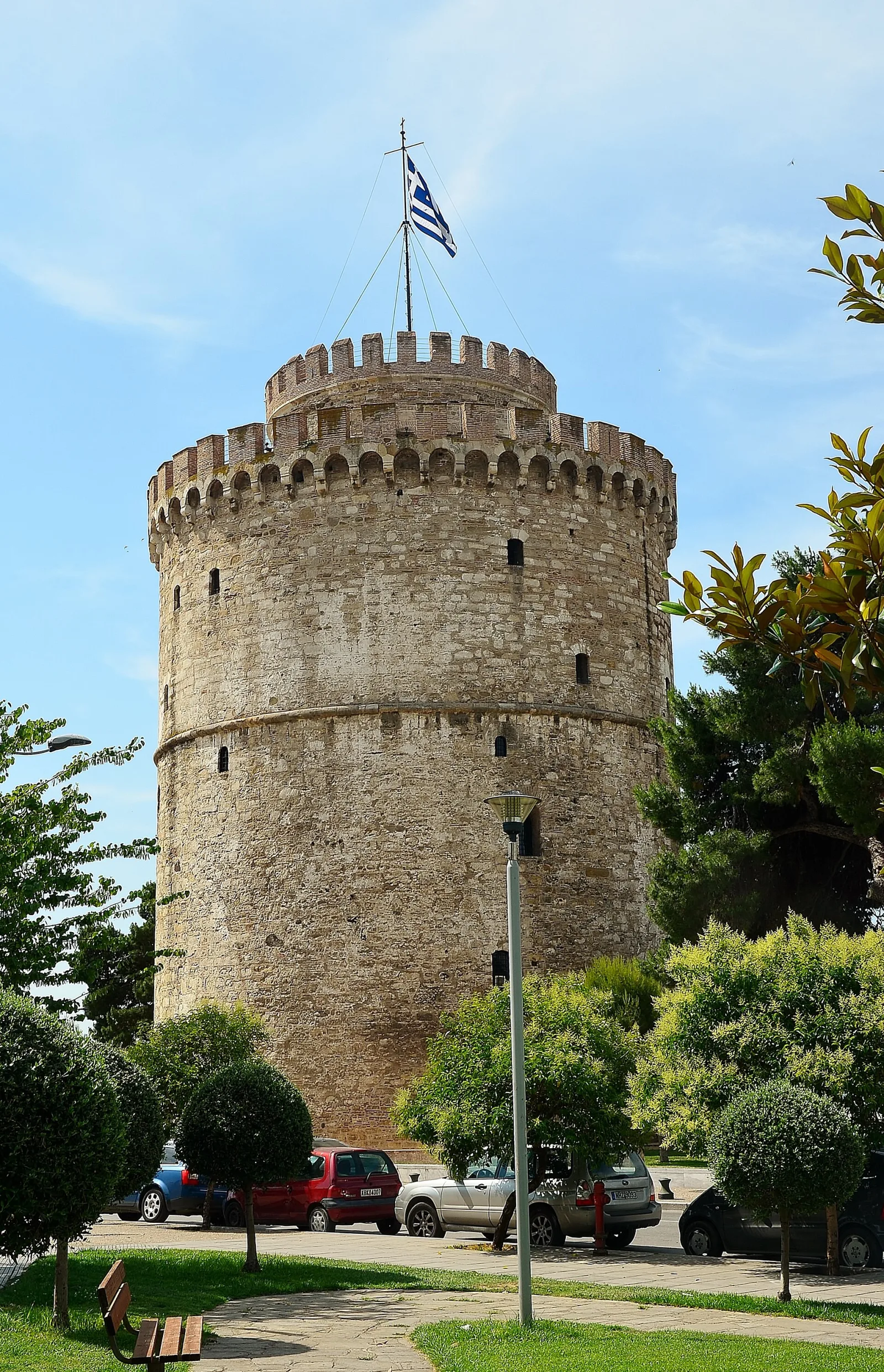
Thessaloniki in 3 Days: The Perfect Itinerary
Thessaloniki rewards slow exploring. This three-day plan covers Roman and Byzantine monuments, the waterfront, old-town lanes and the city's famously good food.
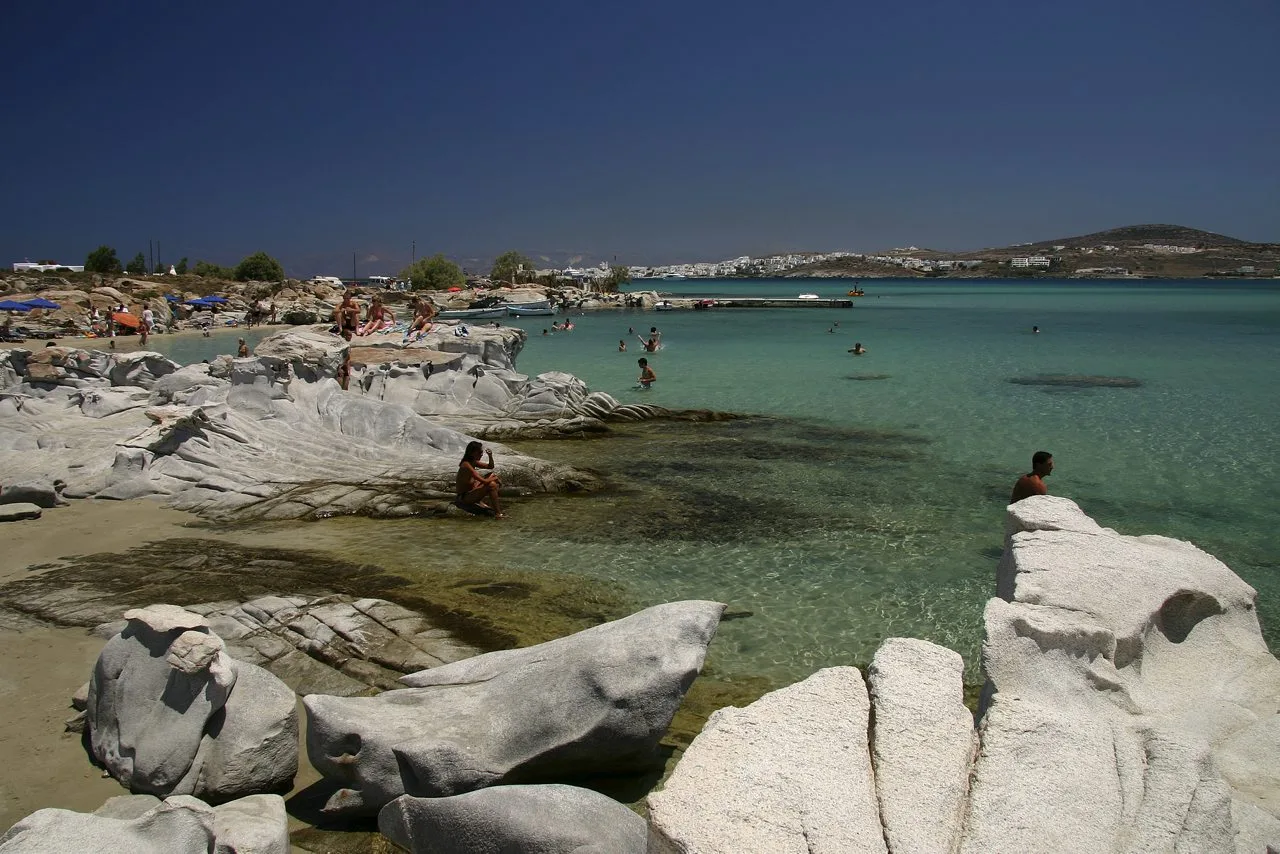
Top Things to Do in Paros
From whitewashed harbours and Venetian forts to sculpted rock beaches and mountain villages, Paros rewards travellers who look beyond the postcard. Here are the experiences worth planning around.
