


A Guide to Meteora: Greece’s Sky-High Monastic Marvels
Perched precariously atop towering sandstone pillars, the monasteries of Meteora offer one of Greece's most awe-inspiring cultural and natural experiences.
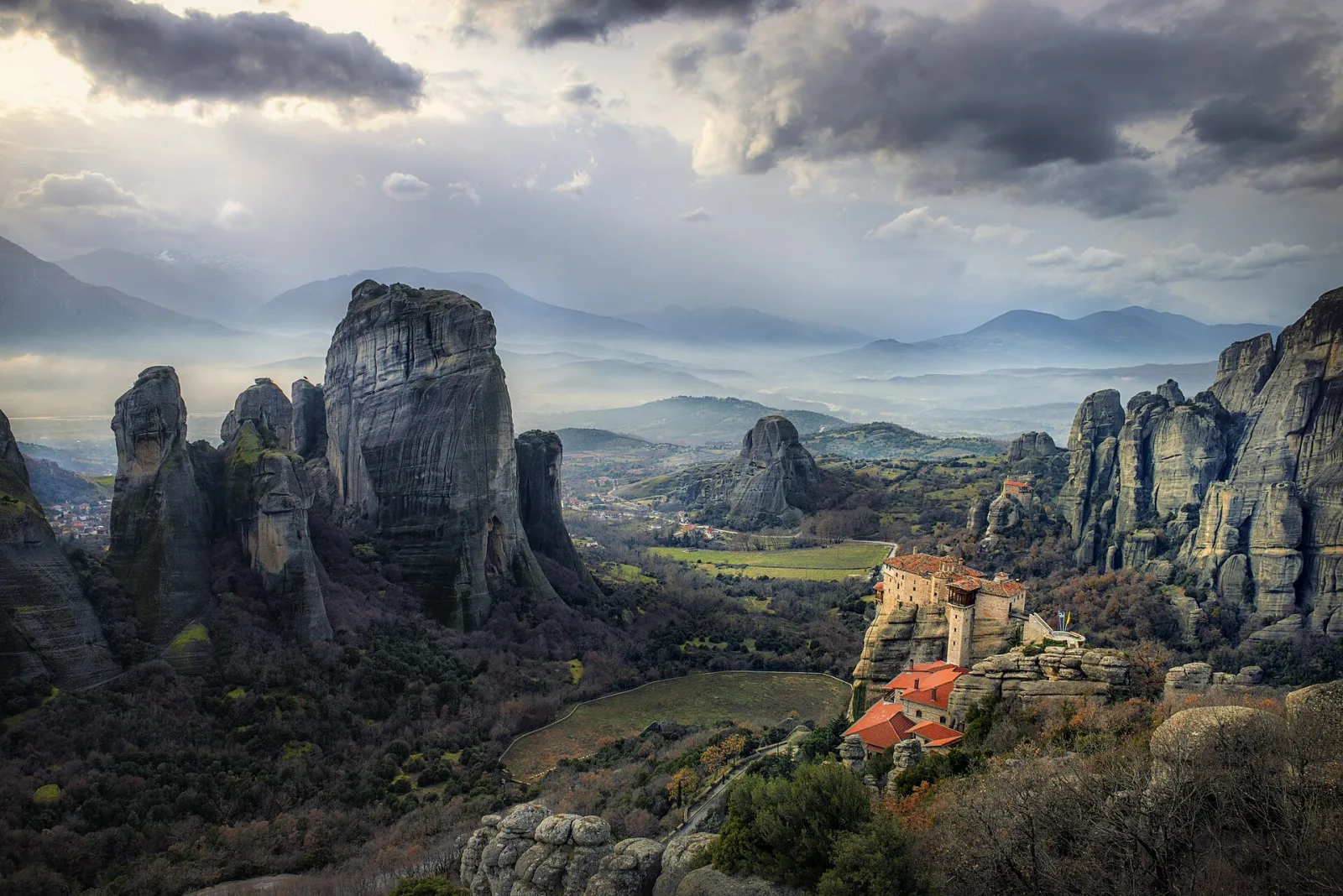
The Wonder of Meteora
Rising dramatically from the plains of Thessaly in northwestern Greece, Meteora is a geological and spiritual phenomenon unlike any other. The name itself, meaning 'lofty' or 'elevated', perfectly describes this collection of immense rock formations that have served as a sanctuary for Eastern Orthodox monks for centuries. Today, Meteora is a UNESCO World Heritage site, celebrated for its unique blend of natural beauty and profound religious history.
A Geological Mystery
The striking columns of Meteora are not volcanic in origin. Instead, they are composed of a mix of sandstone and conglomerate, formed millions of years ago by ancient river deposits. Over time, tectonic movements and the relentless weathering by wind, rain, and temperature extremes sculpted these rocks into the vertical pillars we see today. The surrounding area remains a fascinating site for researchers, with nearby caves like Theopetra revealing evidence of human habitation dating back 50,000 years.
History of the Monastic Retreats
While hermit monks first began living in the fissures and caves of these rocks as early as the 9th century, the formal construction of monasteries did not begin until the 14th century. During a period of political instability and the expansion of the Ottoman Empire, monks sought refuge in these inaccessible heights. At their peak, 24 monasteries were scattered across the pillars. Access was notoriously difficult, with monks relying on removable ladders or large nets hoisted by ropes to reach the summits.

It was not until the 1920s that steps were carved into the rock, making the sites more accessible to the public. Today, visitors can explore six of the original monasteries, which remain as testaments to the determination and faith of those early residents.
The Surviving Monasteries
Of the 24 original sites, six remain standing and open to visitors. Each offers a unique glimpse into the past:
- Great Meteoron: The oldest and largest, founded in the 14th century by Saint Athanasios the Meteorite. It houses a fascinating array of buildings, including a historic hospital and several chapels.
- Varlaam: The second-largest, known for its museum of ecclesiastical treasures. Its construction in the 16th century was a feat of endurance, as materials were hoisted up the cliffs over twenty-two years.
- Rousanou: A beautiful monastery set at 484 metres above sea level, believed to have been named after its original founders.
- Holy Trinity and Saint Stephen: These sites are among the four currently active monasteries. Saint Stephen, in particular, has functioned as a convent for nuns since 1961.
Practical Tips for Your Visit
Meteora is located near the town of Kalabaka and the village of Kastraki. While the journey to the top is much easier today thanks to stone-cut staircases and pathways, visitors should be prepared for a moderate amount of climbing. As these are active religious sites, modest dress is required—typically covering shoulders and knees. It is worth noting that the monasteries are home to small, dedicated communities, and their peaceful atmosphere is part of what makes a visit to this 'hanging' landscape so special.
Sources & further reading: Meteora - Wikipedia (en.wikipedia.org). This guide was independently written and edited by My Greece.
Plan your trip to Meteora
Compare prices with KAYAKYou'll be taken to KAYAK to compare prices. We may earn a commission at no extra cost to you.
Plan your trip to Meteora
🏨Find hotels on Booking.comBooking.comAffiliate links — we may earn a small commission.
Deals from our travel partners
 PAOK Thessaloniki vs Balkan Botevgrad Tickets - PAOK Arena, 2027-01-13Sports Events 365 · from 102 EUR
Olympiacos Pireus vs Bayern Munich Tickets - Peace & Friendship Stadium, 2027-02-05Sports Events 365 · from 120 EUR
PAOK Thessaloniki vs Ratiopharm Ulm Tickets - PAOK Arena, 2026-10-21Sports Events 365 · from 102 EUR
Aris Thessaloniki vs Rigas Zelli Tickets - Nick Galis Hall, 2026-11-11Sports Events 365 · from 102 EUR
PAOK Thessaloniki vs Balkan Botevgrad Tickets - PAOK Arena, 2027-01-13Sports Events 365 · from 102 EUR
Olympiacos Pireus vs Bayern Munich Tickets - Peace & Friendship Stadium, 2027-02-05Sports Events 365 · from 120 EUR
PAOK Thessaloniki vs Ratiopharm Ulm Tickets - PAOK Arena, 2026-10-21Sports Events 365 · from 102 EUR
Aris Thessaloniki vs Rigas Zelli Tickets - Nick Galis Hall, 2026-11-11Sports Events 365 · from 102 EUR
Affiliate links — we may earn a commission at no extra cost to you.
Related guides
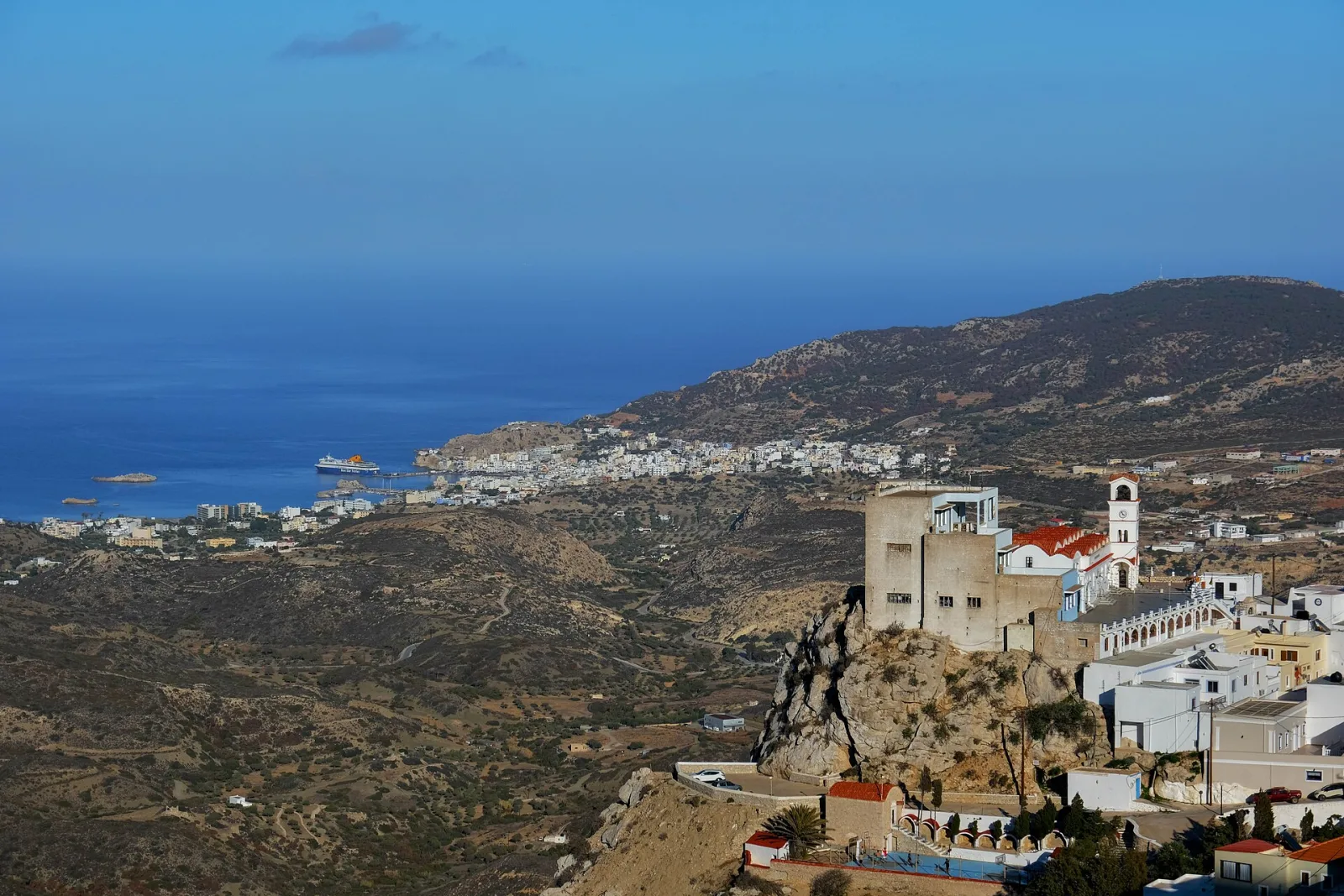
Top Things to Do in Karpathos
Rugged, unhurried and full of character, Karpathos rewards travellers who venture beyond the port. Here are the experiences worth planning your days around.
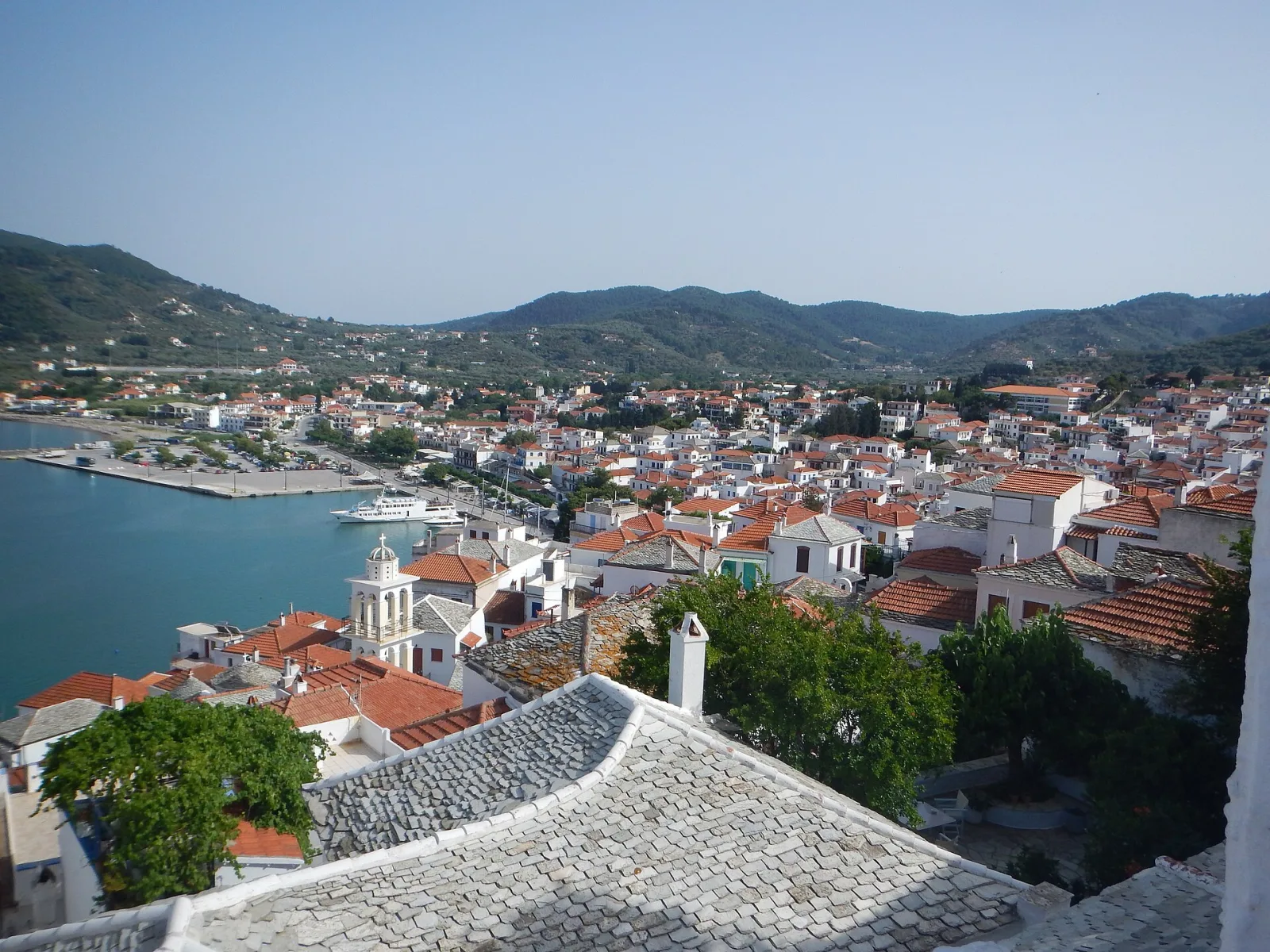
Top Things to Do in Skopelos
Green, relaxed and full of plum orchards, Skopelos rewards slow travel. Here are the sights, beaches and local flavours worth building your days around.
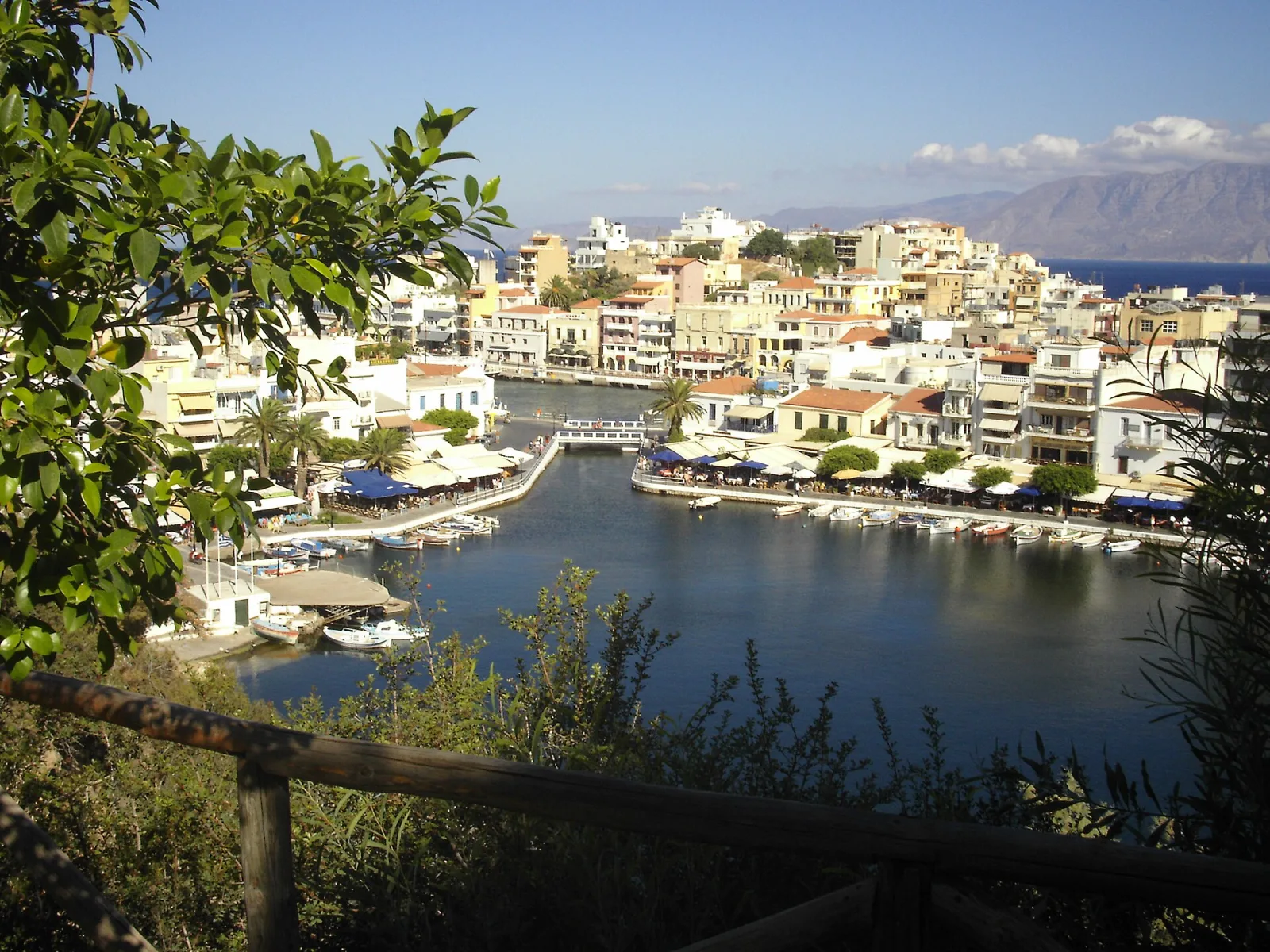
Top Things to Do in Agios Nikolaos
Agios Nikolaos is one of Crete's most appealing seaside towns, built around a small lake and within easy reach of Spinalonga, Elounda and the mountains.
