


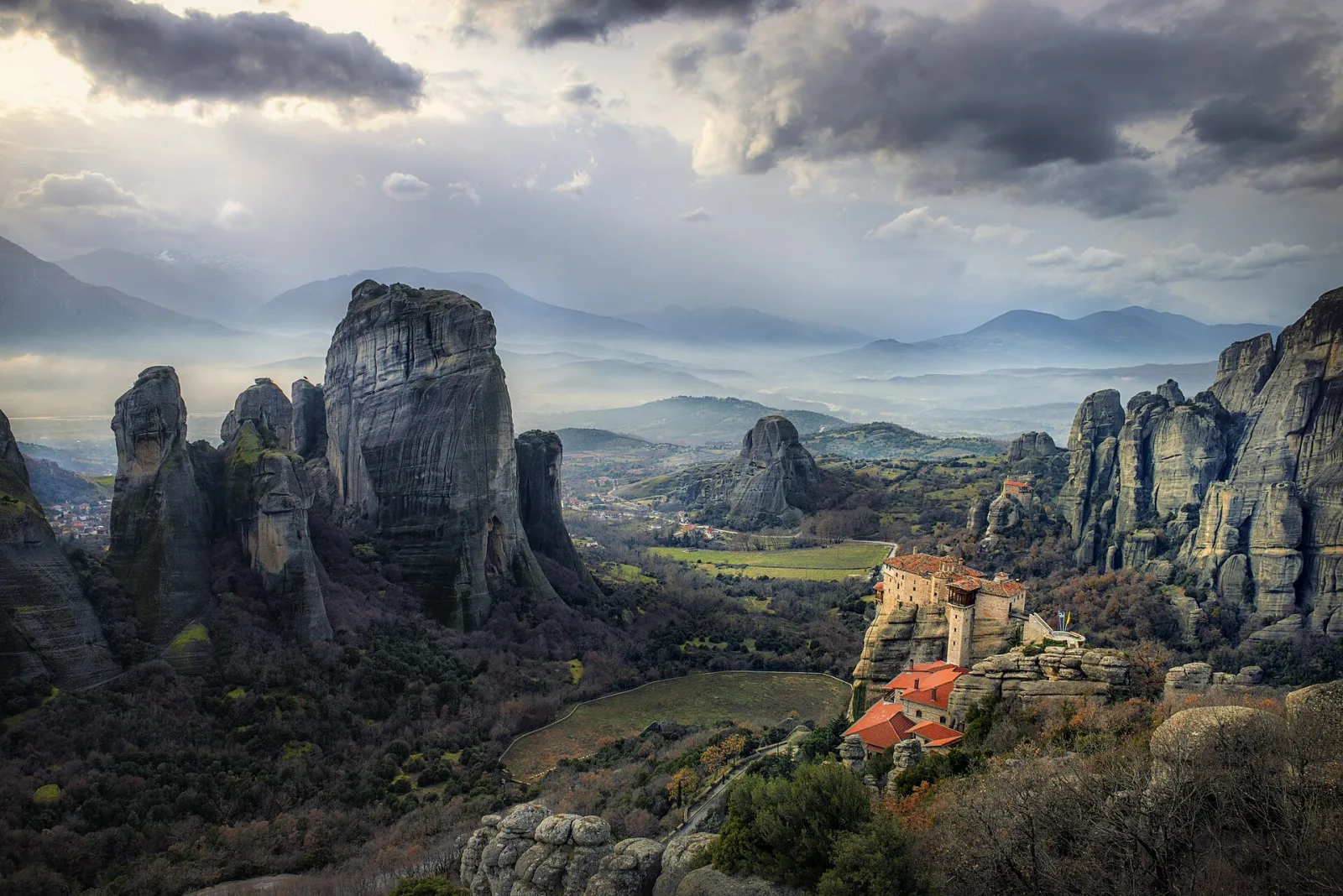
Meteora is one of the most extraordinary sights in Greece: giant sandstone pillars rising from the Thessalian plain, topped by Byzantine monasteries. It is a UNESCO World Heritage Site and a superb place for hiking and photography.
Highlights
- Six active monasteries, including Great Meteoron and Varlaam
- Sunrise and sunset viewpoints over the rocks
- Hiking trails between Kastraki and the monasteries
- Climbing routes for experienced climbers
- The villages of Kalambaka and Kastraki
Monks began settling on these pinnacles in the 14th century, and six monasteries are still active. Each has its own opening hours and usually closes one day a week, so check before you go. A modest dress code applies (covered shoulders and knees; skirts for women are provided at some entrances).
Stay in Kastraki for the most dramatic views, and walk the old footpaths that link the village with the monasteries.

☀️ Best time to visit
Spring and autumn for comfortable hiking and soft light. Winter can be cold and misty but atmospheric.
🧭 Getting there & around
Trains from Athens run to Kalambaka (often with a change at Palaiofarsalos), taking about 4–5 hours. By car it is around 4 hours from Athens and 2.5–3 hours from Thessaloniki.
Plan your trip to Meteora
Compare prices with KAYAKYou'll be taken to KAYAK to compare prices. We may earn a commission at no extra cost to you.
Plan your trip to Meteora
🏨Find hotels on Booking.comBooking.comAffiliate links — we may earn a small commission.
Deals from our travel partners
 PAOK Thessaloniki vs Balkan Botevgrad Tickets - PAOK Arena, 2027-01-13Sports Events 365 · from 102 EUR
Olympiacos Pireus vs Bayern Munich Tickets - Peace & Friendship Stadium, 2027-02-05Sports Events 365 · from 120 EUR
PAOK Thessaloniki vs Ratiopharm Ulm Tickets - PAOK Arena, 2026-10-21Sports Events 365 · from 102 EUR
Aris Thessaloniki vs Rigas Zelli Tickets - Nick Galis Hall, 2026-11-11Sports Events 365 · from 102 EUR
PAOK Thessaloniki vs Balkan Botevgrad Tickets - PAOK Arena, 2027-01-13Sports Events 365 · from 102 EUR
Olympiacos Pireus vs Bayern Munich Tickets - Peace & Friendship Stadium, 2027-02-05Sports Events 365 · from 120 EUR
PAOK Thessaloniki vs Ratiopharm Ulm Tickets - PAOK Arena, 2026-10-21Sports Events 365 · from 102 EUR
Aris Thessaloniki vs Rigas Zelli Tickets - Nick Galis Hall, 2026-11-11Sports Events 365 · from 102 EUR
Affiliate links — we may earn a commission at no extra cost to you.
Meteora guides & articles
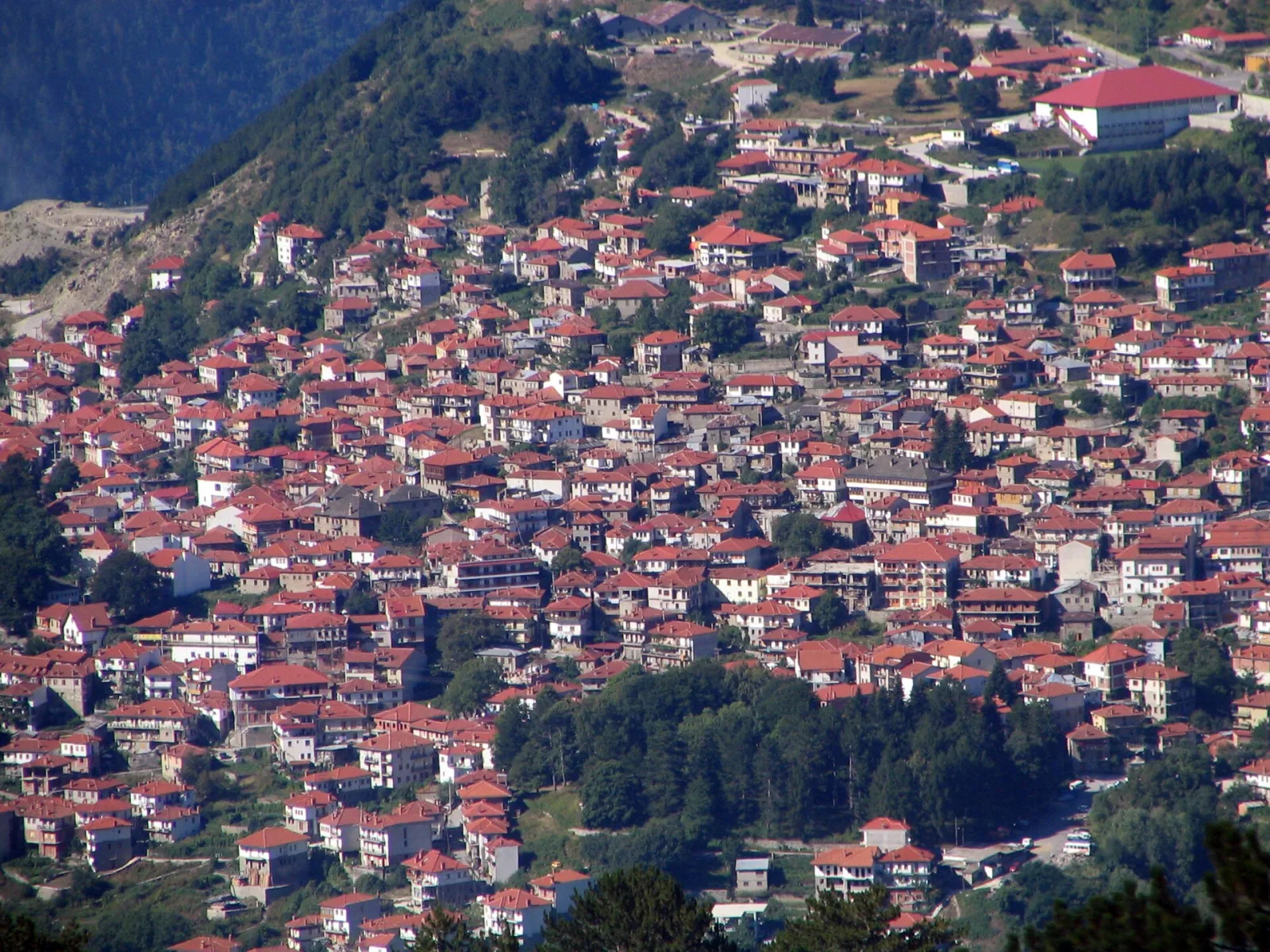
Top Things to Do in Metsovo
High in the Pindus mountains of Epirus, Metsovo is a stone-built village of wood smoke, smoked cheese and local wine. Here is how to make the most of a visit.
A Christmas Road Trip: Trikala's Mill of the Elves and Meteora
Experience the festive spirit of Thessaly by combining the family-friendly wonder of Trikala’s Mill of the Elves with the timeless, spiritual majesty of the Meteora rock formations.
Christmas in Metsovo: Stone Houses, Snow and Fireside Feasts
High in the Pindus mountains, Metsovo offers an authentic winter escape defined by stone architecture, wood-burning hearths, and robust Epirus cuisine.
The Best Beaches in and Around Meteora
Meteora is a geological wonder of soaring sandstone pillars and ancient monasteries, located in the heart of the Thessalian plain. While it is not a coastal destination, it offers unique ways to enjoy water.
What to Eat in Meteora: A Local Food Guide
While the towering stone pillars of Meteora dominate the skyline, the region’s culinary traditions offer a grounded and flavorful experience for every traveler.
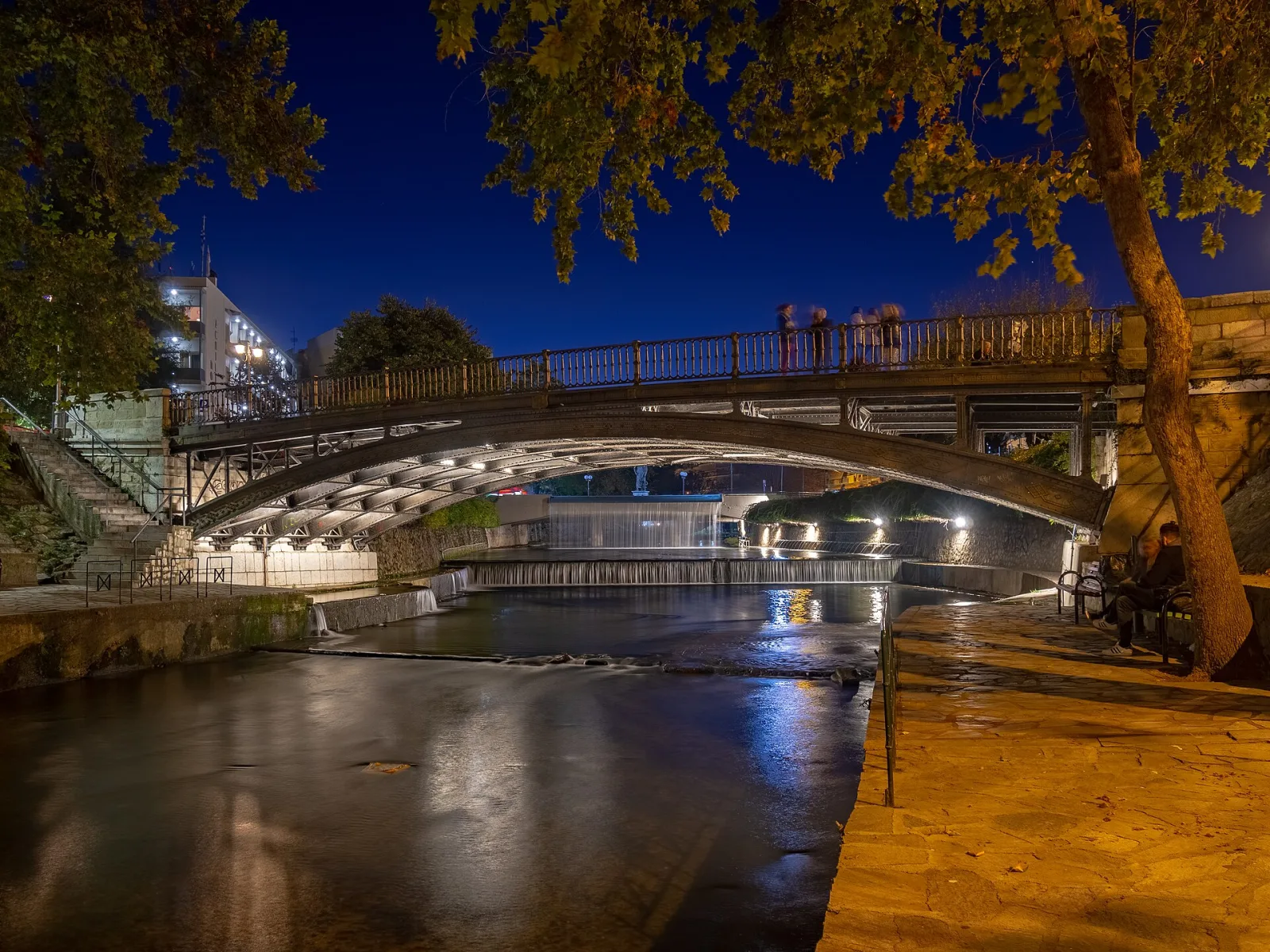
What to Eat in Trikala: A Local Food Guide
Trikala is a vibrant Thessalian hub where local gastronomy shines through traditional pies, mountain-sourced meats, and a rich history of artisanal food production.
The Best Beaches in and Around Trikala
Trikala is an inland treasure of Thessaly, celebrated for its riverfront charm and proximity to Meteora. While it does not have beaches, it offers a rich landscape of mountain rivers and alpine scenery.
Mill of the Elves in Trikala: Visiting Greece's Biggest Christmas Park in 2026
Experience the festive magic of the Mill of the Elves in Trikala, Greece's largest Christmas park. This guide covers what to expect and how to plan your winter trip to Thessaly.
Top Things to Do in Meteora
Meteora, a UNESCO World Heritage site, offers an unparalleled spectacle of Byzantine monasteries dramatically perched atop colossal sandstone pillars. Explore these ancient religious sites, hike through stunning landscapes, and capture unforgettable views.
A Guide to Meteora: Greece’s Sky-High Monastic Marvels
Perched precariously atop towering sandstone pillars, the monasteries of Meteora offer one of Greece's most awe-inspiring cultural and natural experiences.
