


Athens Food Markets: Varvakios Central Market and Beyond
Experience the authentic pulse of Athens by exploring its historic food markets, where centuries-old culinary traditions meet the daily life of the capital.
The Heart of Athenian Gastronomy
To understand the culinary soul of Athens, one must step away from the tourist-heavy tavernas and enter the bustling aisles of the Varvakios Central Market, known locally as the Dimotiki Agora. Located on Athinas Street, bridging the gap between Monastiraki and Omonia, this sprawling complex serves as the city’s primary food hub. It is not merely a place to buy groceries; it is a sensory immersion into the raw ingredients that define Greek cuisine.
Navigating the Varvakios Market
The market is divided into distinct sections, each dedicated to specific produce. The meat hall is a theatrical display of traditional butchery, where whole carcasses are expertly broken down. Nearby, the fish market offers the daily catch from the Aegean and Ionian seas, ranging from small sardines and anchovies to large sea bream and octopus. The surrounding streets are lined with stalls selling dried herbs, mountain tea, olives, pulses, and local cheeses like feta and graviera.
When visiting, observe the rhythm of the local shoppers. Greeks tend to shop for fresh ingredients daily rather than weekly, prioritizing seasonal vegetables such as horta (wild greens), tomatoes, and aubergines. The market is most vibrant in the early morning hours when the freshest produce arrives.

Beyond the Central Market
While Varvakios is the anchor, the food culture extends into the surrounding neighborhoods. Small, specialized shops—often found in the streets radiating from the market—focus on single products. Look for 'pantopoleia' (grocery stores) that stock high-quality olive oil, honey from the Peloponnese, and mastic from Chios. These shops are the best places to find authentic regional ingredients that are rarely exported.
Understanding Local Dining Habits
Locals typically eat lunch late, often between 2:00 PM and 4:00 PM, and dinner is a leisurely affair that rarely begins before 9:00 PM. In the markets and surrounding areas, you will find 'mageireia', traditional eateries that serve home-style cooked dishes known as 'ladera'—vegetables simmered in olive oil and tomato sauce. These dishes, such as fasolakia (green beans) or briam (roasted vegetable medley), represent the foundation of the Mediterranean diet.
Key Ingredients to Look For
- Extra Virgin Olive Oil: The cornerstone of every Greek meal. Look for regional labels from Crete, the Peloponnese, or Lesvos.
- Feta: Always look for PDO (Protected Designation of Origin) status, which ensures it is made from sheep’s or goat’s milk according to traditional methods.
- Olives: Kalamata olives are the most famous, but explore varieties like the wrinkled Throubes or green Halkidiki olives.
- Honey: Greek honey is diverse, with thyme honey being particularly prized for its intense aroma.
- Legumes: Santorini fava (yellow split pea puree) and giant beans (gigantes) are staples of the Greek pantry.
Practical Tips for Food Explorers
When shopping in the markets, keep a few practical points in mind to ensure a smooth experience. Most vendors prefer cash, so carry small denominations. If you are unsure about a product, ask the vendor for a taste; it is common practice for sellers to offer samples of olives or cheese. For those planning to bring items home, ask for vacuum-sealed packaging, which most stalls are equipped to provide. Check locally for market operating hours, as they often close in the early afternoon and remain shut on Sundays. When ordering at a local eatery, do not hesitate to ask for the 'mageirefto' (cooked dish of the day), as this is usually the freshest item on the menu.
Plan your trip to Athens
Compare prices with KAYAKYou'll be taken to KAYAK to compare prices. We may earn a commission at no extra cost to you.
Plan your trip to Athens
🏨Find hotels on Booking.comBooking.comAffiliate links — we may earn a small commission.
Deals from our travel partners
 Panathinaikos Athens vs Armani Olimpia Milano Tickets - Olympic Stadium Athens Telekom Ce…Sports Events 365 · from 271 EUR
Panathinaikos Athens vs Kirolbet Baskonia Vitoria Tickets - Olympic Stadium Athens Teleko…Sports Events 365 · from 271 EUR
Panathinaikos Athens vs FC Barcelona Lassa Tickets - Olympic Stadium Athens Telekom Cente…Sports Events 365 · from 326 EUR
Virtus Bologna vs Panathinaikos Athens Tickets - PalaDozza, 2026-11-17Sports Events 365 · from 133 EUR
Panathinaikos Athens vs Armani Olimpia Milano Tickets - Olympic Stadium Athens Telekom Ce…Sports Events 365 · from 271 EUR
Panathinaikos Athens vs Kirolbet Baskonia Vitoria Tickets - Olympic Stadium Athens Teleko…Sports Events 365 · from 271 EUR
Panathinaikos Athens vs FC Barcelona Lassa Tickets - Olympic Stadium Athens Telekom Cente…Sports Events 365 · from 326 EUR
Virtus Bologna vs Panathinaikos Athens Tickets - PalaDozza, 2026-11-17Sports Events 365 · from 133 EUR
Affiliate links — we may earn a commission at no extra cost to you.
Related guides
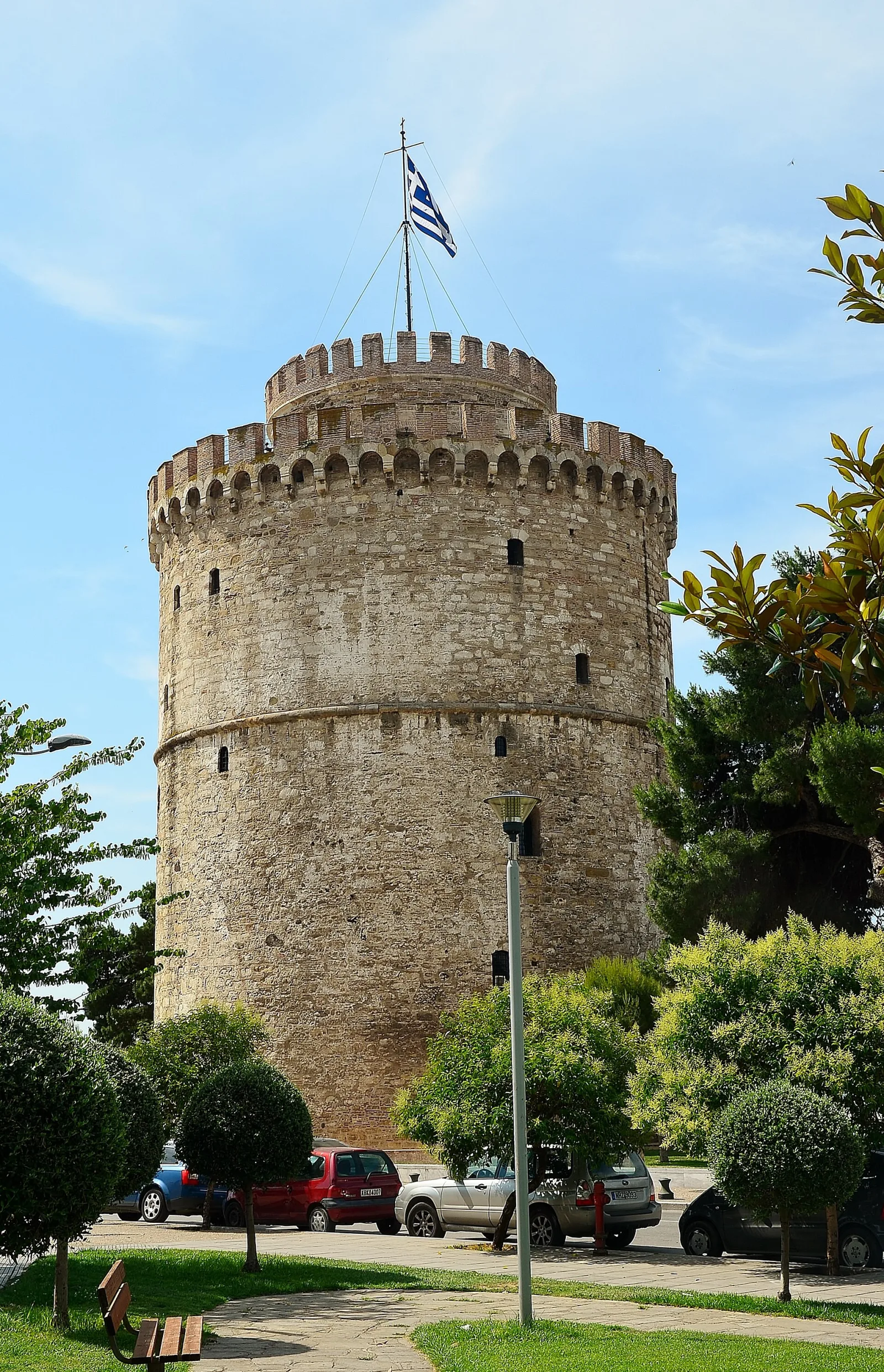
Thessaloniki in 3 Days: The Perfect Itinerary
Thessaloniki rewards slow exploring. This three-day plan covers Roman and Byzantine monuments, the waterfront, old-town lanes and the city's famously good food.
Top Things to Do in Kalamata
Kalamata is a relaxed seaside city famous for its olives, with a charming old town, a hilltop castle and a long sandy beach. It also makes an ideal base for exploring Messinia and the Mani.
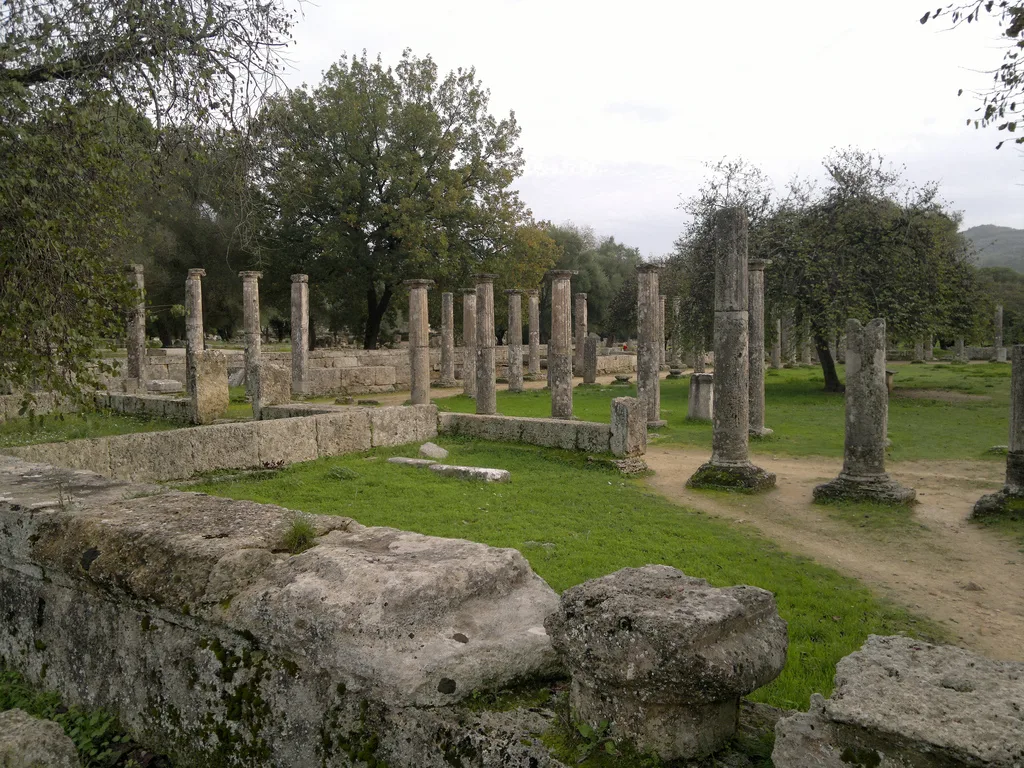
Top Things to Do in Olympia
Olympia is far more than a quick stop on a Peloponnese itinerary. Explore the sanctuary of Zeus, the ancient stadium, world-class museums and the local wine country.
