


Best Greek Food Souvenirs to Bring Home
Take the authentic flavors of Greece home with you by selecting high-quality, traditional food products that capture the essence of the Mediterranean diet.
The Essence of Greek Pantry Staples
Greek cuisine is defined by the quality of its raw ingredients. Bringing these items home allows for the recreation of authentic Mediterranean meals long after a trip ends. The foundation of any Greek kitchen is extra virgin olive oil. Greece produces some of the world's finest, with regional variations ranging from the peppery, robust oils of the Peloponnese to the milder, fruitier profiles found on islands like Crete or Lesvos. When purchasing, look for labels indicating Protected Designation of Origin (PDO), which ensures the product comes from a specific region with traditional production methods.
Honey is another quintessential souvenir. Greek honey is unique due to the immense biodiversity of the country's flora. Thyme honey, particularly from the islands of the Cyclades, is highly prized for its intense aroma and golden color. In contrast, pine or fir honey from the mountainous regions of the mainland offers a thicker, more resinous quality. Locals often enjoy honey drizzled over thick Greek yogurt with a handful of walnuts for a simple, nutritious breakfast.
Herbs, Spices, and Aromatic Delights
The scent of Greece is often carried by its wild herbs. Dried oregano is a staple in every Greek household, used generously on salads, grilled meats, and roasted vegetables. Unlike commercial varieties, Greek oregano is intensely fragrant and often sold on the stem. Mountain tea, or tsai tou vounou, is a caffeine-free herbal infusion made from the dried flowers and stems of the Sideritis plant. It is traditionally consumed in the winter months, often with a spoonful of honey, and is considered a soothing remedy for colds and general well-being.

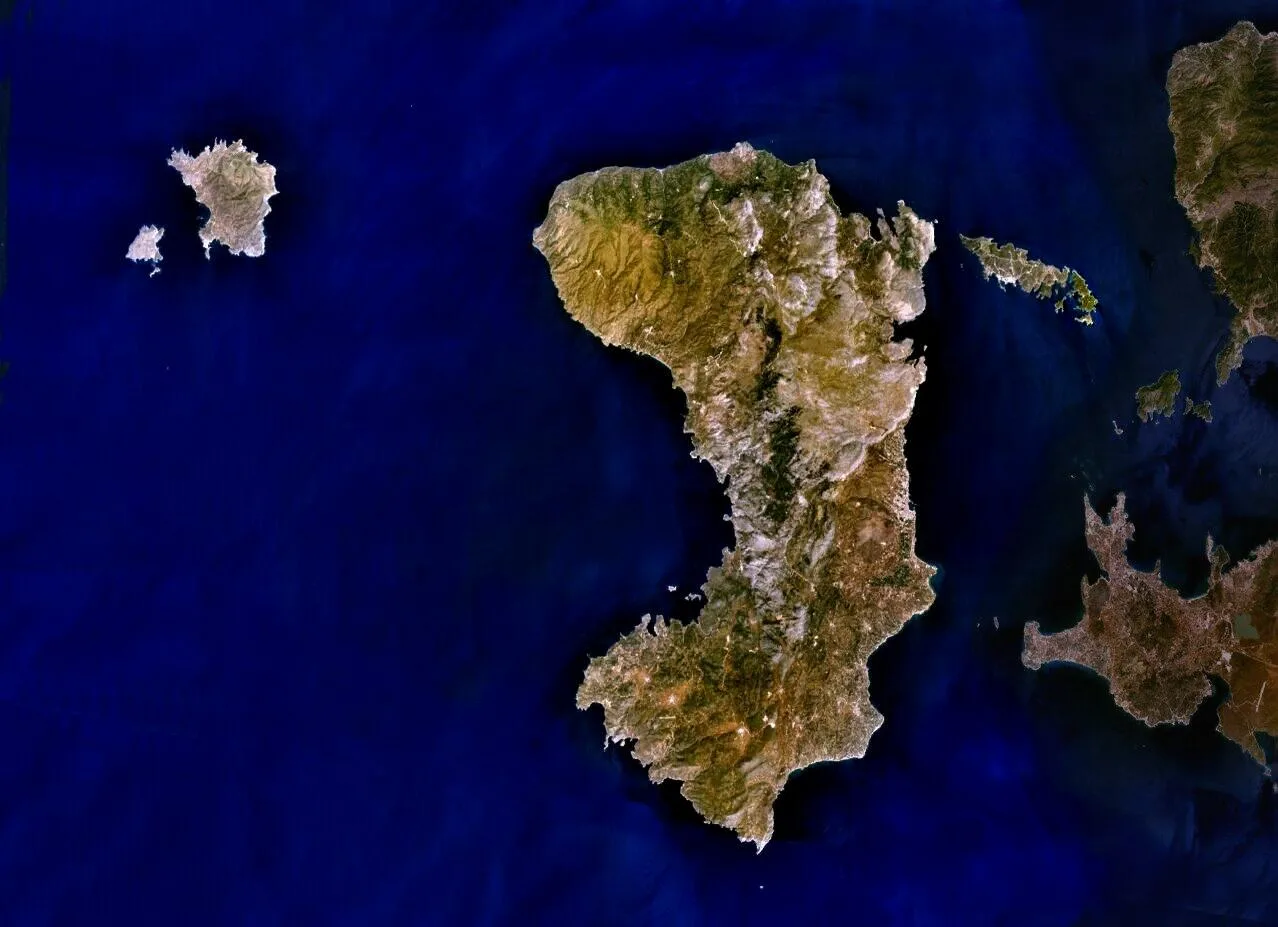
For those who enjoy cooking, mastic from the island of Chios is a fascinating addition to the pantry. This natural resin, harvested from the mastic tree, has a distinctive pine-like flavor and is used in everything from traditional spoon sweets and cakes to artisanal liqueurs. Its unique properties have been recognized for centuries, and it remains one of the most culturally significant products from the North Aegean.
Preserved Flavors and Regional Specialties
Beyond staples, several preserved goods make for excellent gifts. Spoon sweets, or glyko tou koutaliou, are fruit preserves served on a small spoon as a gesture of hospitality. They are made from almost any fruit, including sour cherries, grapes, figs, and even vegetables like eggplant or tomato. These are typically served with a glass of cold water.
For savory enthusiasts, capers and caper leaves from the volcanic soil of islands like Santorini or Tinos are exceptional. They are usually preserved in sea salt or brine and add a sharp, salty punch to salads and fish dishes. Additionally, look for artisanal pasta varieties like hilopites—small, square egg noodles often made with sheep's milk—which are a hallmark of rural Greek cooking, particularly in areas like the Peloponnese and central mainland regions.
Selecting and Transporting Your Finds
When shopping for food souvenirs, prioritize markets and small local delis over airport shops to find a wider variety of regional goods. Check locally for the best places to purchase artisanal items; often, the best quality oil or honey is found in small cooperatives or directly from producers in village squares. When packing liquids like olive oil or spirits, ensure they are in sealed containers and placed in checked luggage, wrapped securely in bubble wrap or plastic bags to prevent leaks. Always declare food items if required by customs regulations in your home country.
Useful Greek Vocabulary
- Elaiolado: Olive oil
- Meli: Honey
- Rigani: Oregano
- Tsai: Tea
- Glyko: Sweet
- Krasí: Wine
Practical Tips
- Look for metal tins for olive oil; they are lighter and more durable for transport than glass bottles.
- Always check labels for production dates and ensure the product is sealed properly.
- If you are unsure about a product, ask the vendor for a sample; most local markets are happy to let you taste before you buy.
- Support local cooperatives to ensure your purchase directly benefits the small-scale farmers and producers.
- Check your home country's customs regulations regarding the import of animal products, such as certain types of cheese or cured meats, as these are often restricted.
Plan your trip to Chios
Compare prices with KAYAKYou'll be taken to KAYAK to compare prices. We may earn a commission at no extra cost to you.
Plan your trip to Chios
🏨Find hotels on Booking.comBooking.comAffiliate links — we may earn a small commission.
Deals from our travel partners
 PAOK Thessaloniki vs Balkan Botevgrad Tickets - PAOK Arena, 2027-01-13Sports Events 365 · from 102 EUR
PAOK Thessaloniki vs BC Lietkabelis Tickets - PAOK Arena, 2026-12-19Sports Events 365 · from 102 EUR
Olympiacos Pireus vs Bayern Munich Tickets - Peace & Friendship Stadium, 2027-02-05Sports Events 365 · from 120 EUR
PAOK Thessaloniki vs Ratiopharm Ulm Tickets - PAOK Arena, 2026-10-21Sports Events 365 · from 102 EUR
PAOK Thessaloniki vs Balkan Botevgrad Tickets - PAOK Arena, 2027-01-13Sports Events 365 · from 102 EUR
PAOK Thessaloniki vs BC Lietkabelis Tickets - PAOK Arena, 2026-12-19Sports Events 365 · from 102 EUR
Olympiacos Pireus vs Bayern Munich Tickets - Peace & Friendship Stadium, 2027-02-05Sports Events 365 · from 120 EUR
PAOK Thessaloniki vs Ratiopharm Ulm Tickets - PAOK Arena, 2026-10-21Sports Events 365 · from 102 EUR
Affiliate links — we may earn a commission at no extra cost to you.
Related guides

Top Things to Do in Karpathos
Rugged, unhurried and full of character, Karpathos rewards travellers who venture beyond the port. Here are the experiences worth planning your days around.

Top Things to Do in Agios Nikolaos
Agios Nikolaos is one of Crete's most appealing seaside towns, built around a small lake and within easy reach of Spinalonga, Elounda and the mountains.
Top Things to Do in Paros
From whitewashed harbours and Venetian forts to sculpted rock beaches and mountain villages, Paros rewards travellers who look beyond the postcard. Here are the experiences worth planning around.
