


Chios Mastic: The Unique Resin and How to Taste It
Explore the unique world of Chios mastic, a rare resin harvested exclusively in the southern villages of this Aegean island, and discover how to incorporate it into your culinary travels.
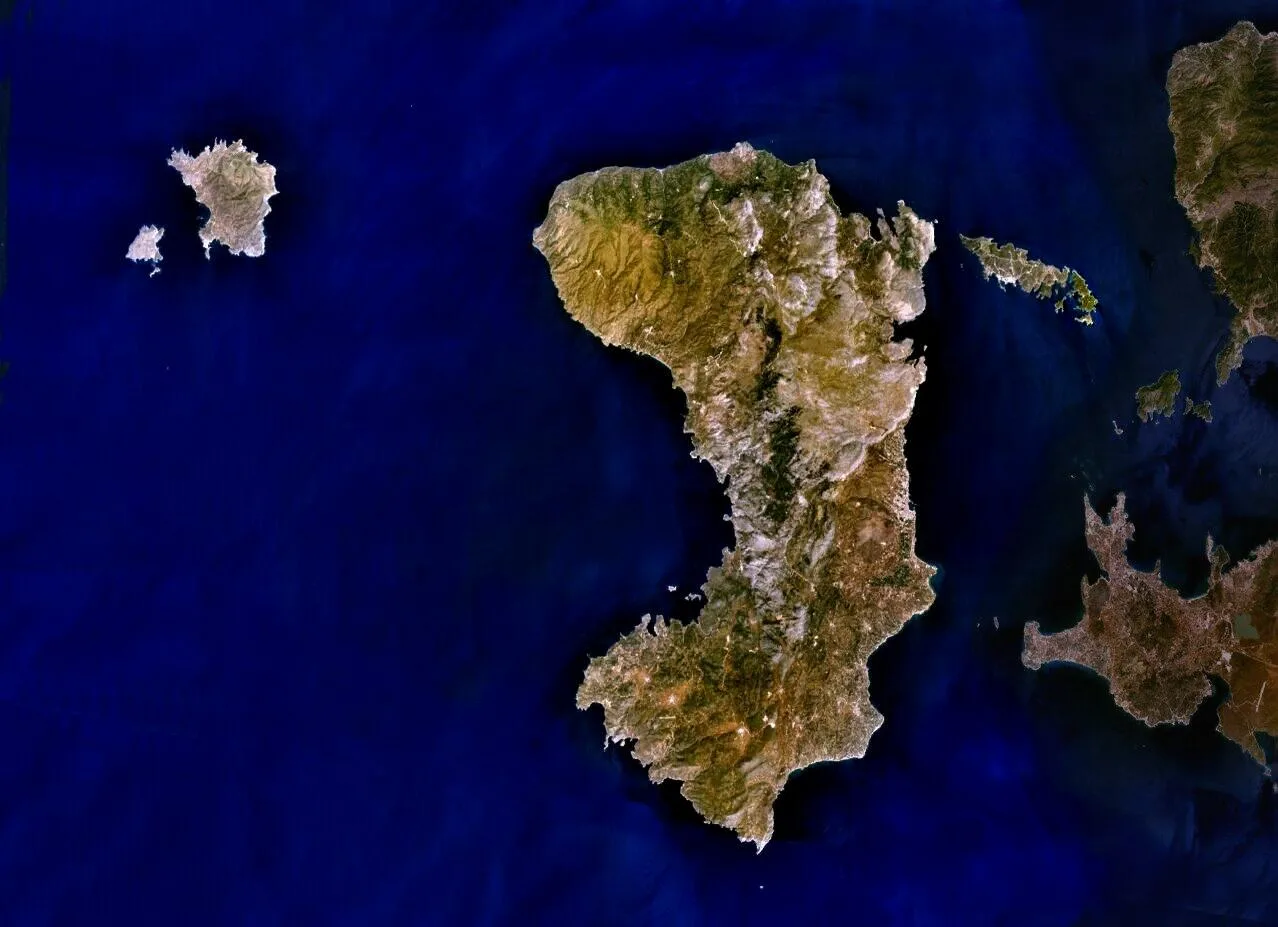
The Essence of Chios
Chios is a destination defined by a singular botanical treasure: mastic. Known as the 'tears of Chios,' this resin is harvested from the Pistacia lentiscus tree, a shrub that grows exclusively in the southern part of the island. Despite attempts to cultivate the tree elsewhere, the unique microclimate and the specific soil composition of southern Chios are the only conditions under which the tree produces its aromatic, crystalline resin. This exclusivity has earned Chios Mastic a Protected Designation of Origin status, making it one of the most distinct cultural and culinary products in Greece.
The Mastic Villages
To understand mastic, one must visit the Mastichochoria, or mastic villages. These settlements, including the striking village of Pyrgi, are famous for their unique architecture. In Pyrgi, the facades of the houses are decorated with xysta, intricate geometric patterns etched into the plaster. Nearby, the village of Mesta offers a different experience; it is a fortified medieval settlement designed as a labyrinth to protect its inhabitants from pirate raids. Walking through the narrow, arched stone pathways of Mesta, one can still sense the history of the mastic trade that has sustained these communities for centuries.
Harvesting the Tears
The process of obtaining mastic is a labor-intensive tradition that has remained largely unchanged for generations. In late summer, farmers carefully clean the ground beneath the trees and make shallow incisions in the bark. The resin slowly oozes out, forming translucent 'tears' that harden over several weeks. Once solidified, the resin is collected, cleaned by hand, and sorted according to size and purity. This meticulous work is reflected in the value and distinct flavor profile of the final product. Visitors interested in the technical and historical aspects of this process should visit the Chios Mastic Museum, which provides an excellent overview of the cultivation techniques and the social history of the mastic-growing region.

How to Taste Mastic
Mastic is a versatile ingredient that bridges the gap between savory and sweet. Its flavor is difficult to describe, often characterized by notes of pine, cedar, and a subtle, refreshing bitterness. In traditional Greek cuisine, it is used in a variety of ways:
- Ypovrychio (Submarine): This is perhaps the most iconic way to enjoy mastic. A spoonful of thick, white mastic-flavored fondant is served submerged in a glass of ice-cold water. You eat it slowly, alternating between the sweet, chewy resin and sips of water.
- Pastry and Sweets: Mastic is a staple in Greek baking. It is frequently added to tsoureki (a braided brioche-like bread), cookies, and various custards. Its inclusion adds an unmistakable aromatic depth to these desserts.
- Liqueurs: Mastic liqueur is a popular digestif. It is usually served chilled, often after dinner, and is prized for its clean, herbal finish.
- Ice Cream: Known as kaimaki, traditional Greek ice cream often uses mastic for both its distinct flavor and its ability to provide a unique, elastic texture.
Culinary Tips and Vocabulary
When searching for authentic mastic products, look for local cooperatives or shops in the main town of Chios and the surrounding villages. You will find everything from raw mastic crystals, which can be chewed like natural gum, to essential oils and culinary powders. If you are dining out, ask for dishes that feature 'masticha' as a primary flavor component. Beyond the mastic culture, ensure you visit the Nea Moni monastery, a site of immense spiritual and historical significance, and spend an afternoon at Mavra Volia, a beach famous for its deep black volcanic pebbles, which contrast beautifully with the clear Aegean water.
Practical Tips
- Transport: Renting a car is essential for exploring the southern villages and reaching remote coastal areas at your own pace.
- Getting There: The island is accessible via domestic flights from Athens or by ferry from the port of Piraeus. Check locally for seasonal ferry schedules, especially if arriving from other islands.
- Language: Familiarizing yourself with a few words can enhance your interactions. 'Masticha' is the word for mastic, 'glyko' refers to sweets, and 'paradosiako' means traditional.
- Etiquette: When visiting the mastic villages, be mindful that these are living, working communities. Treat the historical architecture with respect and check locally for any specific guidelines regarding photography or visiting hours for private spaces.
- Timing: The best time to visit is during the shoulder seasons when the weather is pleasant for exploring the villages and the island is less crowded than in the peak of summer.
Plan your trip to Chios
Compare prices with KAYAKYou'll be taken to KAYAK to compare prices. We may earn a commission at no extra cost to you.
Plan your trip to Chios
🏨Find hotels on Booking.comBooking.comAffiliate links — we may earn a small commission.
Deals from our travel partners
 PAOK Thessaloniki vs Balkan Botevgrad Tickets - PAOK Arena, 2027-01-13Sports Events 365 · from 102 EUR
PAOK Thessaloniki vs BC Lietkabelis Tickets - PAOK Arena, 2026-12-19Sports Events 365 · from 102 EUR
Olympiacos Pireus vs Bayern Munich Tickets - Peace & Friendship Stadium, 2027-02-05Sports Events 365 · from 120 EUR
PAOK Thessaloniki vs Ratiopharm Ulm Tickets - PAOK Arena, 2026-10-21Sports Events 365 · from 102 EUR
PAOK Thessaloniki vs Balkan Botevgrad Tickets - PAOK Arena, 2027-01-13Sports Events 365 · from 102 EUR
PAOK Thessaloniki vs BC Lietkabelis Tickets - PAOK Arena, 2026-12-19Sports Events 365 · from 102 EUR
Olympiacos Pireus vs Bayern Munich Tickets - Peace & Friendship Stadium, 2027-02-05Sports Events 365 · from 120 EUR
PAOK Thessaloniki vs Ratiopharm Ulm Tickets - PAOK Arena, 2026-10-21Sports Events 365 · from 102 EUR
Affiliate links — we may earn a commission at no extra cost to you.
Related guides
What to Eat in Ithaca: A Local Food Guide
Ithaca offers a culinary landscape defined by the Ionian Sea and its rugged, mountainous terrain. Discover the local specialties that make every meal a tribute to the island's heritage.

What to Eat in Chania: A Local Food Guide
Chania offers a rich culinary landscape defined by fresh Cretan ingredients, ancient olive oil traditions, and vibrant local markets. This guide explores the must-try dishes that define the region's unique gastronomy.

Feta Cheese Explained: PDO Rules, Types and How Greeks Eat It
Feta is the soul of Greek cuisine. This guide explores the strict PDO regulations, regional nuances, and the traditional ways to serve this iconic sheep and goat milk cheese.
