


Elafonissi Beach, Crete: Pink Sand and Turquoise Lagoons
Elafonissi Beach is one of Crete's most iconic coastal destinations, famous for its shallow turquoise lagoons and distinctive pink-hued sand. This guide provides everything you need to plan your visit to this spectacular corner of the island.
The Allure of Elafonissi
Located on the southwestern tip of Crete, Elafonissi is a protected nature reserve that stands out for its unique geography. It is not merely a single stretch of sand, but a series of small islets and shallow lagoons that create a shallow, warm swimming environment. The beach is widely recognized for the fine, pale sand that often takes on a pinkish tint, caused by the accumulation of crushed seashells over centuries. The water here is exceptionally clear, shifting from pale turquoise in the shallows to deeper shades of blue as the seabed drops away.
Reaching the Destination
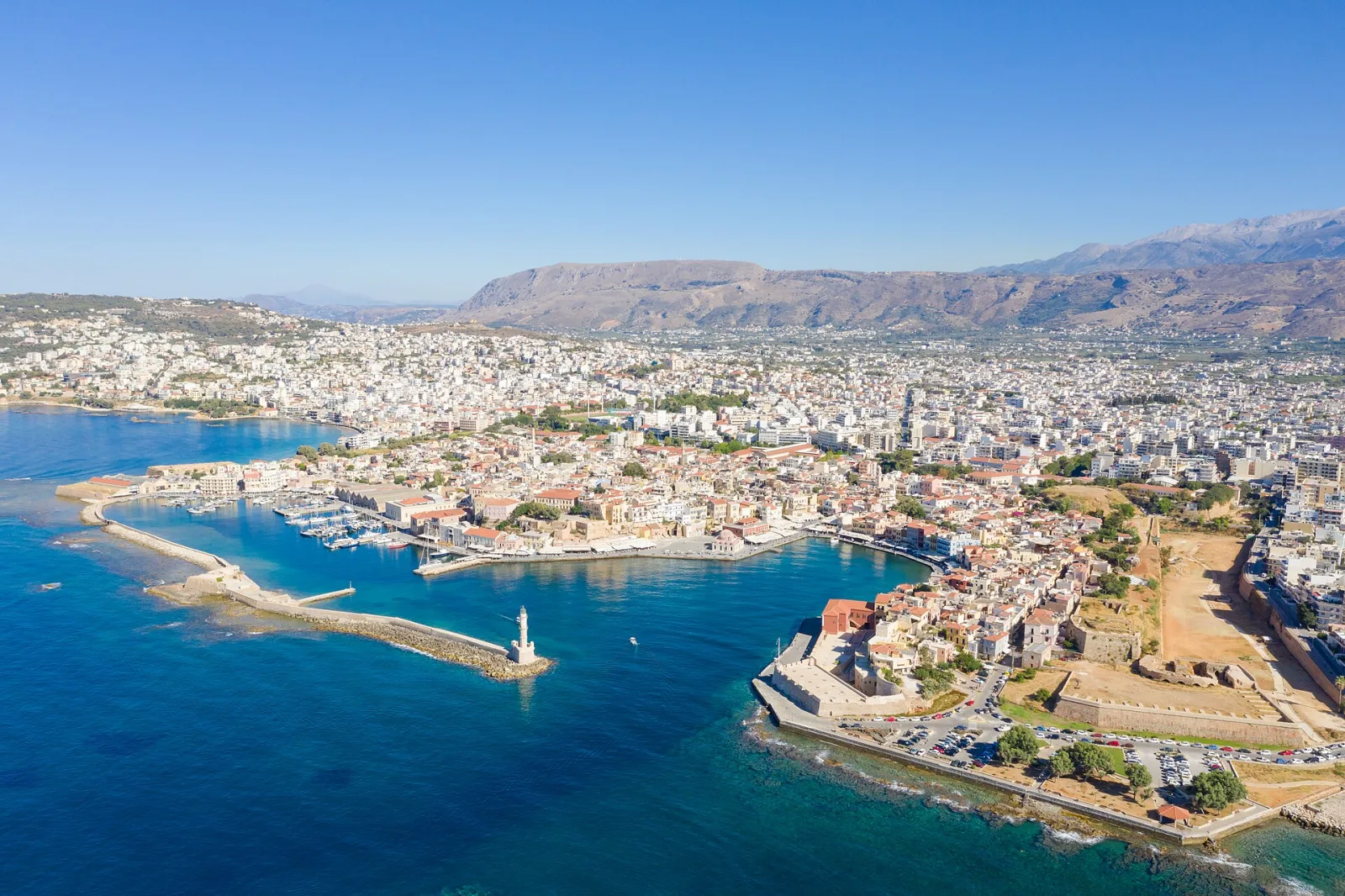
Most travelers approach Elafonissi from the town of Chania. The drive takes you through the mountainous landscape of western Crete, including the dramatic Topolia Gorge. The road is winding and narrow in parts, requiring careful driving. For those who prefer not to navigate the mountain roads, bus services operate from the main station in Chania during the peak season. Alternatively, some visitors choose to arrive by boat from Paleochora, which offers a scenic coastal approach to the beach.
Navigating the Beach
The main beach area is well-organized with sunbeds and umbrellas available for rent, though these fill up quickly during the height of summer. Beyond the main organized section, the beach stretches toward the island of Elafonissi itself. You can easily wade through the shallow water to reach the island, where you will find smaller, more secluded coves and dunes covered in native flora. It is important to remember that this area is a protected Natura 2000 site; visitors are strictly prohibited from removing sand or shells, and staying on the marked paths helps preserve the fragile ecosystem.

Timing Your Visit
Elafonissi is a popular destination, and crowds are inevitable during July and August. To experience the beach at its most tranquil, aim for an early arrival before the tour buses pull in, or consider visiting in late spring or early autumn. During these shoulder seasons, the weather remains pleasant for swimming, and the atmosphere is significantly more relaxed. Regardless of when you visit, the late afternoon light provides a beautiful perspective on the pink sands and the surrounding landscape.
Safety and Considerations
The waters at Elafonissi are generally calm and shallow, making them suitable for families. However, as with any coastal location, conditions can change. Always observe local flags or signage regarding swimming safety. When exploring the dunes or the rocky sections of the island, ensure you wear appropriate footwear, as the terrain can be uneven. There is no shade on the island itself, so bringing adequate sun protection is essential. While the beach is equipped with basic facilities, including showers and snack bars, it is wise to bring plenty of water and any specific supplies you might need for the day.
Nearby Alternatives
If you find Elafonissi too crowded, the southwest coast of Crete offers several excellent alternatives. Kedrodasos Beach, located a short distance away, is famous for its ancient cedar forest that grows right down to the sand. It is a more rugged, undeveloped option that requires a short hike to reach. Further north along the western coast, Falasarna Beach offers expansive stretches of golden sand and is a prime spot for watching the sunset. For those interested in a more dramatic landscape, the Balos Lagoon on the Gramvousa Peninsula provides a different but equally striking turquoise water experience, accessible via a rugged track or by boat from Kissamos.
Practical Tips
- Check locally for road conditions, especially if traveling after heavy rainfall.
- Arrive early in the morning to secure a prime spot and avoid the midday heat.
- Bring your own snorkeling gear to explore the rocky outcrops near the island.
- Respect the environmental protection signs; do not walk on the dunes or remove sand.
- Pack a light windbreaker, as the southwestern coast can sometimes experience strong breezes.
- Ensure you have sufficient fuel before leaving the main road networks, as gas stations become sparse in the rural southwest.
- Check locally for bus schedules, as they change significantly between the low and high seasons.
Plan your trip to Chania
Compare prices with KAYAKYou'll be taken to KAYAK to compare prices. We may earn a commission at no extra cost to you.
Plan your trip to Chania
🏨Find hotels on Booking.comBooking.comAffiliate links — we may earn a small commission.
Deals from our travel partners
 Aris Thessaloniki vs Rostock Tickets - Nick Galis Hall, 2026-12-22Sports Events 365 · from 102 EUR
Olympiacos Pireus vs Paris Basketball Tickets - Peace & Friendship Stadium, 2027-01-15Sports Events 365 · from 130 EUR
Olympiacos Pireus vs Zalgiris Kaunas Tickets - Peace & Friendship Stadium, 2027-04-09Sports Events 365 · from 120 EUR
PAOK Thessaloniki vs Balkan Botevgrad Tickets - PAOK Arena, 2027-01-13Sports Events 365 · from 102 EUR
Aris Thessaloniki vs Rostock Tickets - Nick Galis Hall, 2026-12-22Sports Events 365 · from 102 EUR
Olympiacos Pireus vs Paris Basketball Tickets - Peace & Friendship Stadium, 2027-01-15Sports Events 365 · from 130 EUR
Olympiacos Pireus vs Zalgiris Kaunas Tickets - Peace & Friendship Stadium, 2027-04-09Sports Events 365 · from 120 EUR
PAOK Thessaloniki vs Balkan Botevgrad Tickets - PAOK Arena, 2027-01-13Sports Events 365 · from 102 EUR
Affiliate links — we may earn a commission at no extra cost to you.
Related guides
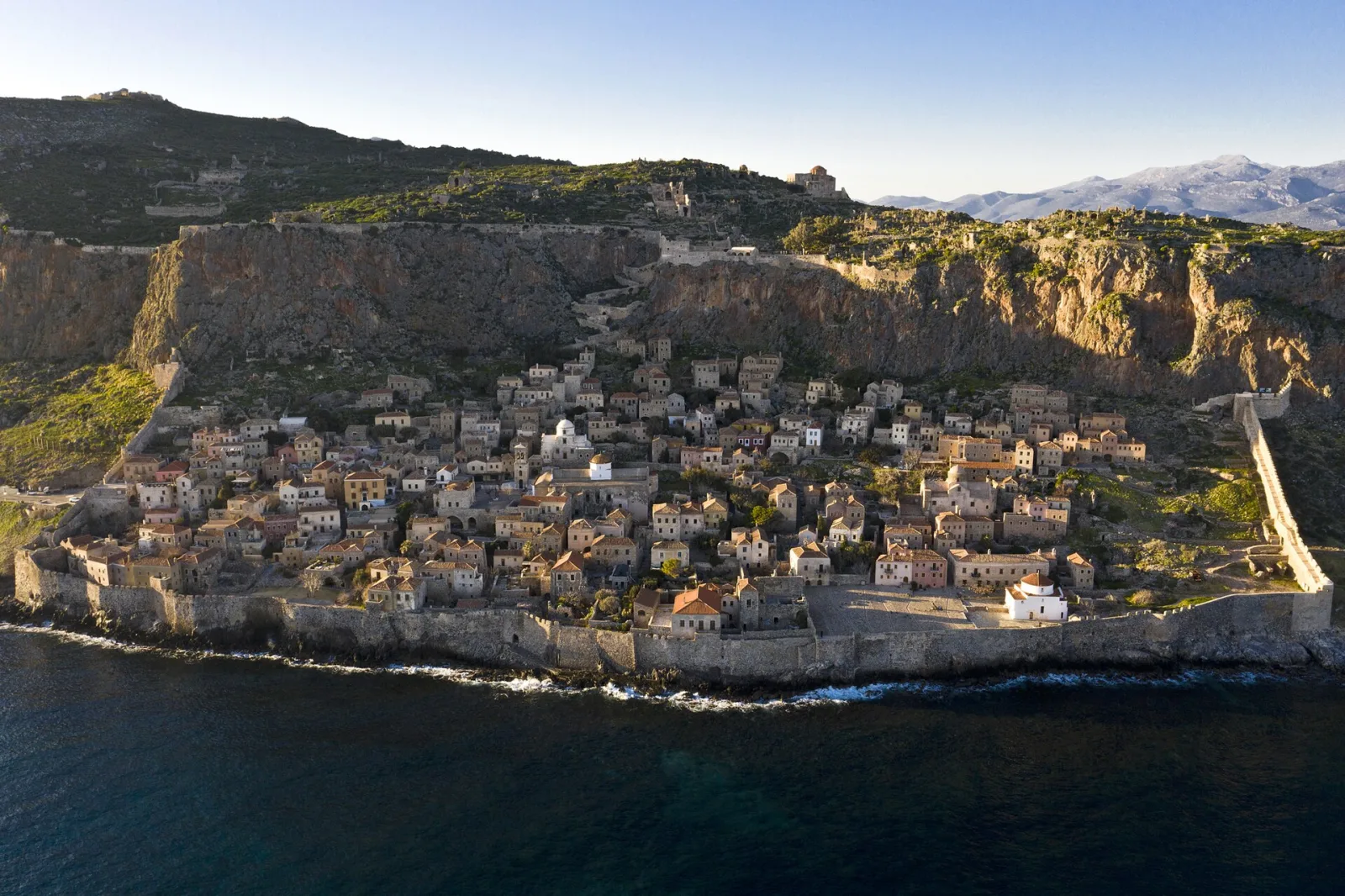
Top Things to Do in Monemvasia
Perched on a great rock off the Peloponnese coast, Monemvasia is a car-free medieval town of stone lanes, Byzantine churches and sea views. Here is how to make the most of it.
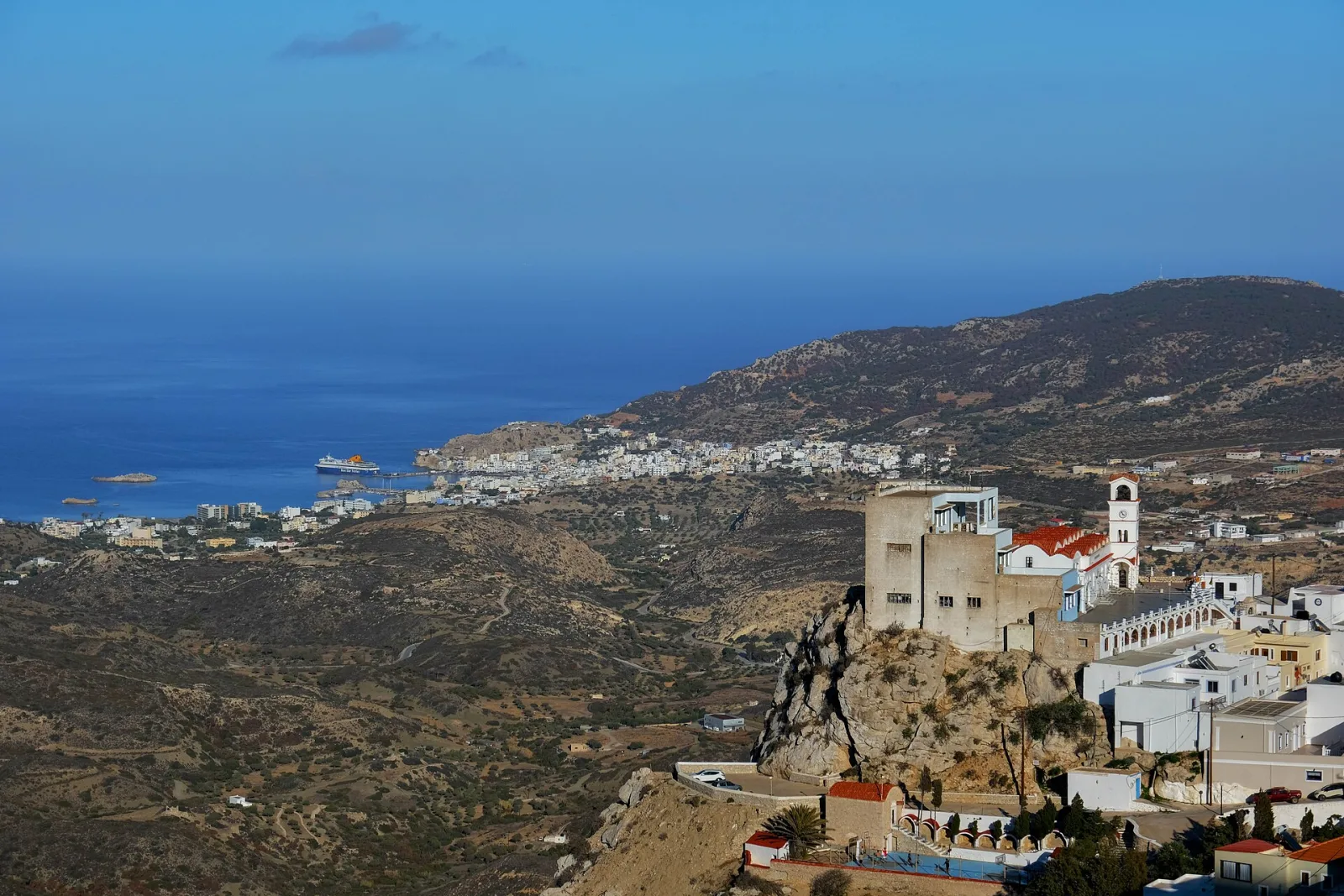
Top Things to Do in Karpathos
Rugged, unhurried and full of character, Karpathos rewards travellers who venture beyond the port. Here are the experiences worth planning your days around.
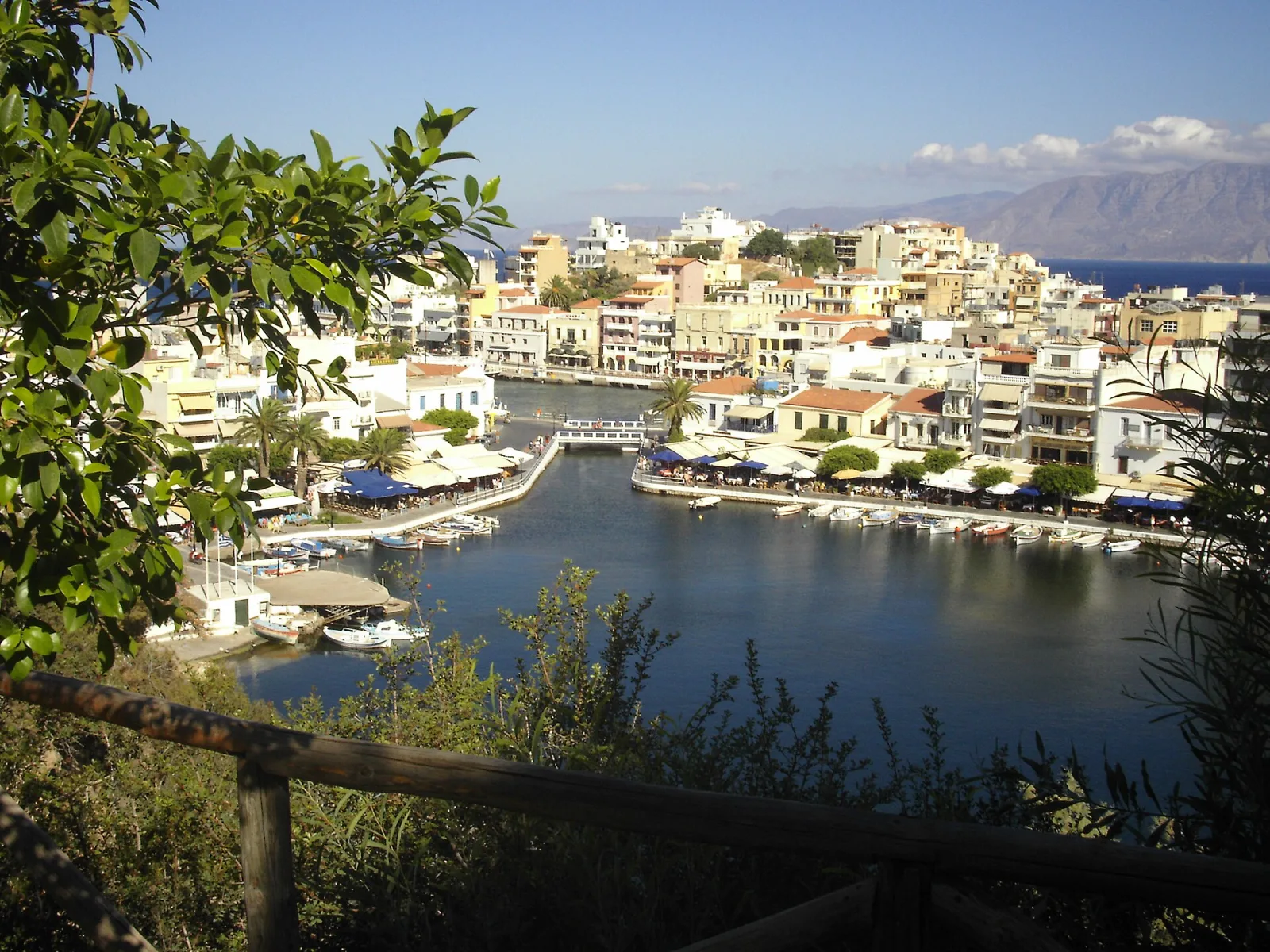
Top Things to Do in Agios Nikolaos
Agios Nikolaos is one of Crete's most appealing seaside towns, built around a small lake and within easy reach of Spinalonga, Elounda and the mountains.
