


How Much Does a Trip to Greece Cost? A Practical Budget Guide
Greece can suit almost any budget, from backpacking island hops to luxury villa stays. Here is how to plan your spending, and where your money goes furthest.

One of the first questions most travellers ask about Greece is how much it will cost. The honest answer is that it depends heavily on when you go, where you stay, and how you choose to travel. Greece has everything from simple guesthouses and taverna meals to boutique hotels and private yachts, so the range is wide. This guide walks through the main categories of spending so you can build a realistic budget before you book anything. For current prices, always check locally or with booking platforms, as costs shift from year to year and by season.
Understanding the season
Timing has more effect on your budget than almost anything else. The high season runs roughly from June to early September, when the islands are busiest and accommodation and ferry fares are at their peak. Shoulder months, typically April to May and late September to October, often bring lower prices, fewer crowds and pleasant weather for sightseeing. Winter is the cheapest time to visit, though many island hotels and ferry routes scale back, so it suits city breaks in Athens or Thessaloniki better than island hopping.
Flights and getting there
Flights are usually the largest single cost for international travellers. Athens International Airport is the main gateway, with Thessaloniki also receiving a good number of direct routes from Europe and beyond. Booking several months ahead and being flexible with dates can make a noticeable difference. Budget airlines serve Greece from many European cities, but check baggage allowances carefully, as fees for extra luggage can add up quickly. If you plan to visit multiple regions, consider an open-jaw ticket, flying into one city and out of another, to avoid backtracking.

Accommodation: where the costs vary most
Accommodation is where budgets diverge most sharply. In Athens, you will find everything from hostel dorms to central hotels and apartments, with prices fairly stable across the year. On the islands, prices rise steeply in summer, particularly in well-known places such as Mykonos and Santorini, where demand is high all season. Smaller islands and mainland towns often offer better value. Rooms with a sea view, pools, or walkable access to the old town cost more, so decide which of these features you truly need.
Many visitors find a good middle ground in family-run guesthouses and small hotels, which often include breakfast and offer local knowledge that is hard to beat. Self-catering apartments can also reduce food costs if you plan to cook some meals. Be aware that some islands and cities levy a tourist accommodation tax, usually added at check-in, so confirm what your quoted price includes.
Getting around: ferries, buses and car hire
Ferries are the backbone of island travel, and fares vary with the route, the type of vessel and the speed of the crossing. Fast ferries cost more than conventional ones but save considerable time. Booking ahead in summer is wise, especially for popular routes and vehicle space. Ferry schedules can change, so always confirm timetables close to your travel date.
On the mainland, the KTEL intercity bus network is affordable and reaches most towns. Trains are fewer and slower but useful on certain routes. Within the cities, public transport in Athens is inexpensive, and taxis are reasonably priced for short trips, though you should agree on the fare or ask for the meter to be used.
Renting a car gives you flexibility, especially on Crete, the Peloponnese or the mainland, where bus connections can be infrequent. Factor in fuel, insurance, parking and a possible young-driver surcharge. On smaller islands, scooters and quad bikes are popular, but roads can be steep and winding, so ride carefully and make sure your insurance covers you.
Food and drink
Eating well in Greece is one of the great pleasures of the trip, and it can be affordable if you choose wisely. A simple lunch of gyros or souvlaki from a street stall is one of the cheapest satisfying meals you will find. Tavernas serving grilled meats, fresh fish and classic dishes such as moussaka, gemista (stuffed vegetables) and Greek salad offer good value, particularly away from the most touristy waterfront spots. Local bakeries are excellent for breakfast pastries like spanakopita and tyropita.
Prices rise noticeably in harbourside restaurants on popular islands, and some places add a cover charge or charge extra for bread and water. Ordering a carafe of house wine, which is often inexpensive and good, keeps the bill down. Coffee culture is strong, and a frappe or freddo espresso can be a relaxed way to spend an afternoon, though prices are higher in prime locations.
Sightseeing and activities
Many of Greece's most famous archaeological sites charge an entry fee, and the Acropolis in Athens and the ancient site of Olympia are good examples. Museums also charge admission, though some sites and museums are free on certain days or for particular groups, such as EU citizens under a certain age, so check the rules before you go. Multi-site tickets can save money if you plan to visit several ancient sites in a short period.
Beyond archaeology, the countryside offers plenty of low-cost pleasures. Hiking in areas such as Zagori or the Mani, swimming at beaches, and exploring villages on foot cost little beyond transport. Boat trips to nearby islands, such as the day cruises from Athens to Aegina or Hydra, are popular and reasonably priced, though prices vary by operator and season. Organised tours and private excursions cost considerably more, so compare options carefully.
Sample budget approaches
To make the numbers tangible, think in terms of three broad travel styles rather than fixed sums. A budget traveller relies on hostels or simple guesthouses, eats at street food stalls and tavernas, uses buses and ferries, and chooses shoulder-season dates. A mid-range traveller stays in comfortable hotels or apartments, eats out regularly, takes some guided excursions and perhaps hires a car for part of the trip. A premium traveller opts for boutique or luxury hotels, private transfers, fine dining and private boat charters. Your daily spending will differ enormously between these, so it is worth setting a rough daily figure for accommodation, food, transport and activities, then multiplying by your number of nights.
Always add a contingency of around ten percent for unexpected costs, such as a change of ferry plans, a medical expense or a more expensive evening than expected. Keep some cash on hand, as smaller tavernas, village shops and some island businesses may not accept cards, although card payment is widely available in towns and tourist areas.
Where to save and where to splurge
Save on accommodation in shoulder months and by staying slightly away from the busiest harbour fronts. Eat at local tavernas rather than the most central restaurants, and enjoy your coffee at a neighbourhood café. Use public transport where it runs well, and walk wherever possible in villages and cities.
Spend where it truly matters to you. A sunset dinner, a well-run boat excursion, a comfortable bed after a long day, or an entrance ticket to a site that you have dreamed of visiting can all be worth paying for. Greece rewards travellers who balance careful planning with the freedom to enjoy the moments that make the trip memorable.
Practical tips
- Book flights and ferries early for summer, and check schedules close to your departure.
- Visit in April to May or September to October for better value and fewer crowds.
- Carry some cash for small tavernas and village businesses.
- Check whether accommodation prices include the tourist tax and breakfast.
- Look up museum and site admission rules, including free days and discounts, before you visit.
- Factor in a contingency of around ten percent of your total budget.
- Verify all current prices, opening hours and timetables locally before you travel.
Plan your trip to Athens
Compare prices with KAYAKYou'll be taken to KAYAK to compare prices. We may earn a commission at no extra cost to you.
Plan your trip to Athens
🏨Find hotels on Booking.comBooking.comAffiliate links — we may earn a small commission.
Deals from our travel partners
 Bryan Adams-Athens- Greece Tickets - Olympic Stadium Athens Telekom Center, 2026-12-19Sports Events 365 · from 145 EUR
Panathinaikos Athens vs KK Partizan Tickets - Olympic Stadium Athens Telekom Center, 2027…Sports Events 365 · from 285 EUR
Panathinaikos Athens vs Virtus Bologna Tickets - Olympic Stadium Athens Telekom Center, 2…Sports Events 365 · from 285 EUR
Panathinaikos Athens vs Zalgiris Kaunas Tickets - Olympic Stadium Athens Telekom Center, …Sports Events 365 · from 271 EUR
Affiliate links — we may earn a commission at no extra cost to you.
Related guides
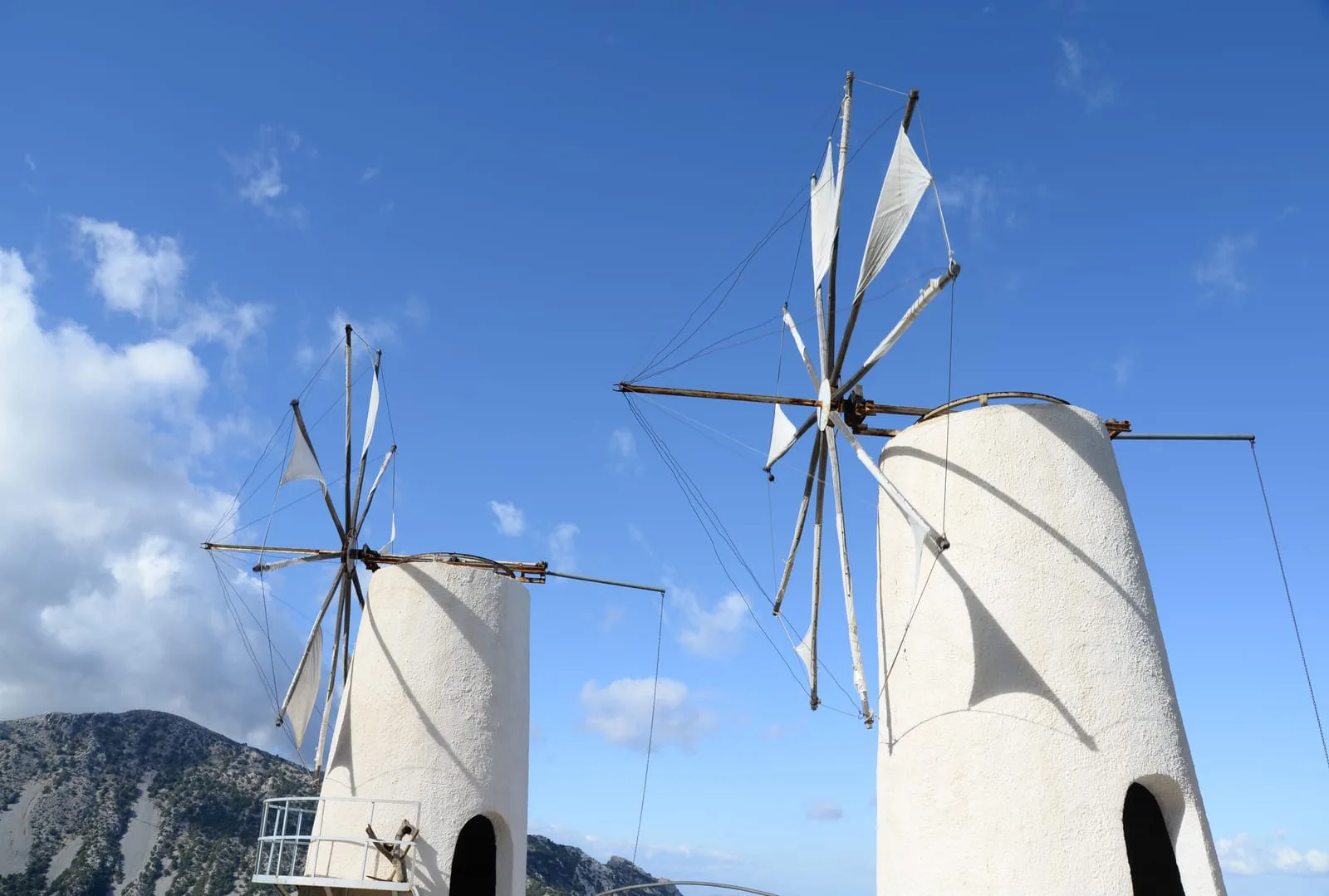
Cycling in Greece
From the Peloponnese mountains to the quiet lanes of the Cyclades, Greece offers varied cycling for every level. Here is where to ride and how to prepare.

How Greeks Celebrate Summer
Summer in Greece is less a season than a way of life. From village saints' day feasts to long evenings by the sea, here is how locals really enjoy the warmest months.
Taxis and Transfers in Greece
Getting around Greece combines taxis, ride-hailing apps, pre-booked transfers and public transport. Here is how each option works and when to use it.
