


Greek Carnival (Apokries): Where to Celebrate
Apokries is the spirited three-week carnival season preceding Lent in Greece, marked by elaborate parades, ancient rituals, and traditional festivities across the country.
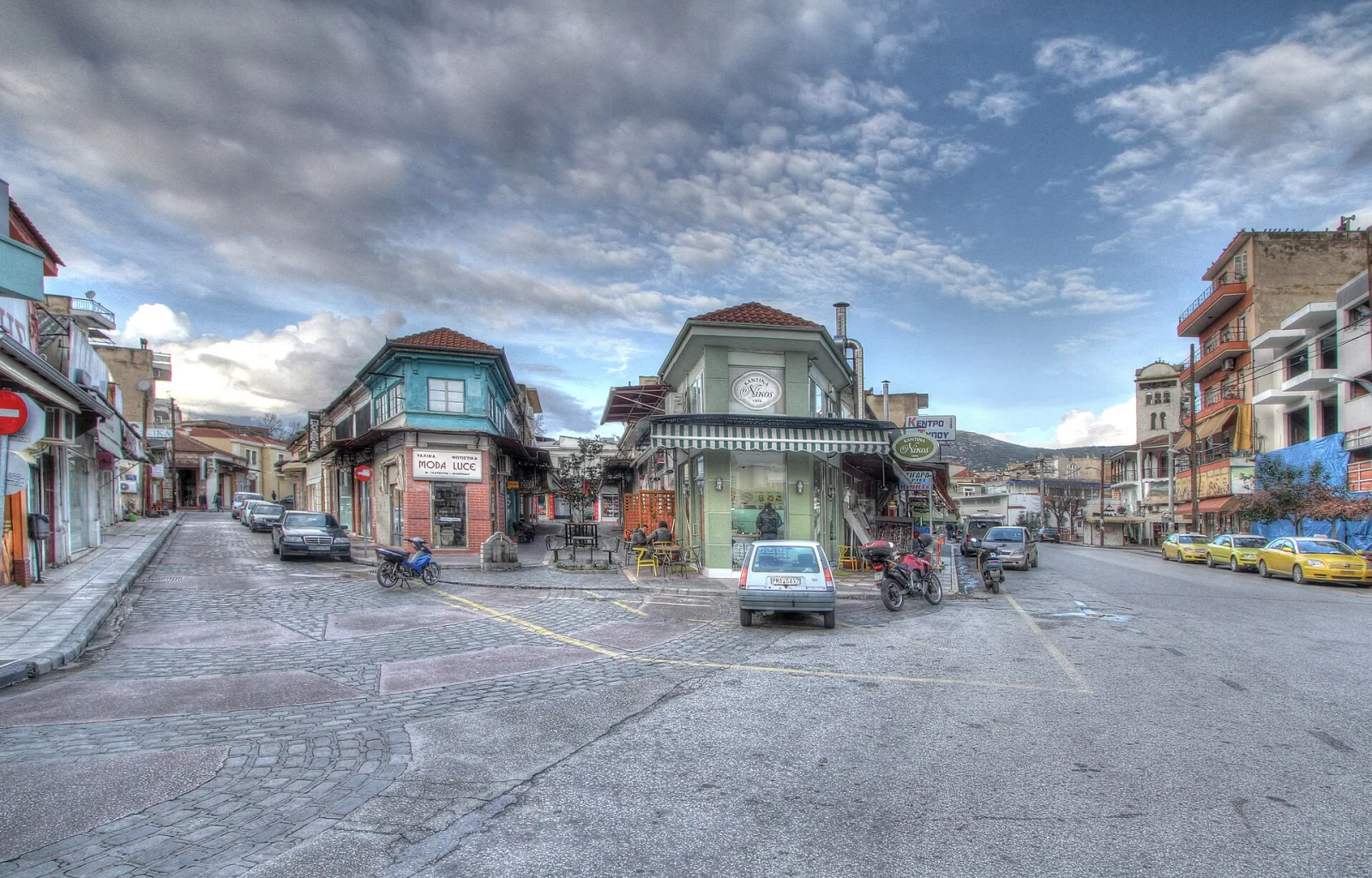
The Spirit of Apokries
Apokries, the Greek Carnival season, is a time of transition. The word itself translates to 'abstaining from meat,' signaling the approach of Great Lent. However, before the solemnity of the fasting period begins, Greece erupts in a colorful display of satire, music, dance, and community spirit. While the celebrations vary significantly from one region to another, the common thread is a sense of liberation and joy, deeply rooted in ancient Dionysian festivals meant to welcome the spring and ensure a fertile harvest.
The Grand Spectacle of Patras
For those seeking the quintessential large-scale carnival experience, Patras remains the undisputed capital. The Patras Carnival is the largest and oldest event of its kind in Greece. The city transforms into a massive stage for weeks, culminating in the Grand Parade on the final Sunday of the season. Thousands of participants in elaborate costumes march through the streets, accompanied by giant, satirical floats that poke fun at current events, politics, and social trends. The energy is infectious, with street parties continuing late into the night. It is a spectacle of modern entertainment that draws visitors from across the globe.
Tradition and Ritual in the North
In Northern Greece, the atmosphere shifts from the modern parade style to ancient, often mysterious, folk traditions. In the villages around Drama, one can witness the 'Koudounatoi' or bell-wearers. Men dress in heavy sheepskins and adorn themselves with massive copper bells, dancing in rhythmic, trance-like patterns to ward off evil spirits. These rituals are deeply connected to the land and the agricultural cycle, offering a stark contrast to the glitz of urban carnivals. Similarly, in the mountain villages of the Pelion peninsula, local customs involving improvised theater and satirical sketches keep the residents engaged in a communal celebration that feels personal and authentic.

The Island Experience
The Aegean islands offer their own unique take on the Carnival spirit. In Skyros, the 'Geros' (Old Man) and 'Kore' (Maiden) tradition is a fascinating glimpse into local folklore. The Geros wears a goat-skin cape and a mask made of kid skin, his presence accompanied by the deafening sound of dozens of bells tied around his waist. It is a powerful, primal display that takes over the village squares. On other islands like Naxos, the 'Koudounatoi' tradition appears again, but with a distinct island character, often involving spontaneous street dancing and the sharing of traditional local wine and meat dishes, particularly during the final weekend known as Tyrini, or Cheese Sunday.
The Gastronomy of the Season
No discussion of Apokries is complete without mentioning the food. The second week of the season is known as Tsiknopempti, or 'Smoky Thursday.' On this day, it is customary to consume large quantities of grilled meat. The air in every town and village becomes thick with the scent of charcoal-grilled souvlaki, lamb chops, and sausages. As the season progresses toward the final weekend, the focus shifts to dairy products, as meat is no longer consumed. This is the time for savory cheese pies, sweet semolina halva, and the iconic galaktoboureko, a custard-filled pastry that is a staple of the Greek festive table.
Practical Tips for Travelers
- Check locally for specific parade schedules, as dates for the Grand Parade and local events can shift slightly year to year based on the Orthodox Easter calendar.
- Book accommodation well in advance if you plan to visit major hubs like Patras or popular island destinations, as rooms fill up months ahead.
- Pack layers, as February and March weather in Greece can be unpredictable, ranging from crisp, sunny days to chilly, rainy evenings.
- Embrace the spirit of spontaneity; the best moments of Apokries often happen in the village squares where local musicians play traditional instruments without a formal stage.
- Be prepared for loud noises and large crowds, especially during the final weekend of the celebrations.
- Always ask locals about the specific history of their village's traditions, as many communities are proud to explain the symbolism behind their costumes and rituals.
Plan your trip to Drama
Compare prices with KAYAKYou'll be taken to KAYAK to compare prices. We may earn a commission at no extra cost to you.
Plan your trip to Drama
🏨Find hotels on Booking.comBooking.comAffiliate links — we may earn a small commission.
Deals from our travel partners
 PAOK Thessaloniki vs Balkan Botevgrad Tickets - PAOK Arena, 2027-01-13Sports Events 365 · from 102 EUR
PAOK Thessaloniki vs Ratiopharm Ulm Tickets - PAOK Arena, 2026-10-21Sports Events 365 · from 102 EUR
Aris Thessaloniki vs Rigas Zelli Tickets - Nick Galis Hall, 2026-11-11Sports Events 365 · from 102 EUR
PAOK Thessaloniki vs BC Lietkabelis Tickets - PAOK Arena, 2026-12-19Sports Events 365 · from 102 EUR
PAOK Thessaloniki vs Balkan Botevgrad Tickets - PAOK Arena, 2027-01-13Sports Events 365 · from 102 EUR
PAOK Thessaloniki vs Ratiopharm Ulm Tickets - PAOK Arena, 2026-10-21Sports Events 365 · from 102 EUR
Aris Thessaloniki vs Rigas Zelli Tickets - Nick Galis Hall, 2026-11-11Sports Events 365 · from 102 EUR
PAOK Thessaloniki vs BC Lietkabelis Tickets - PAOK Arena, 2026-12-19Sports Events 365 · from 102 EUR
Affiliate links — we may earn a commission at no extra cost to you.
Related guides
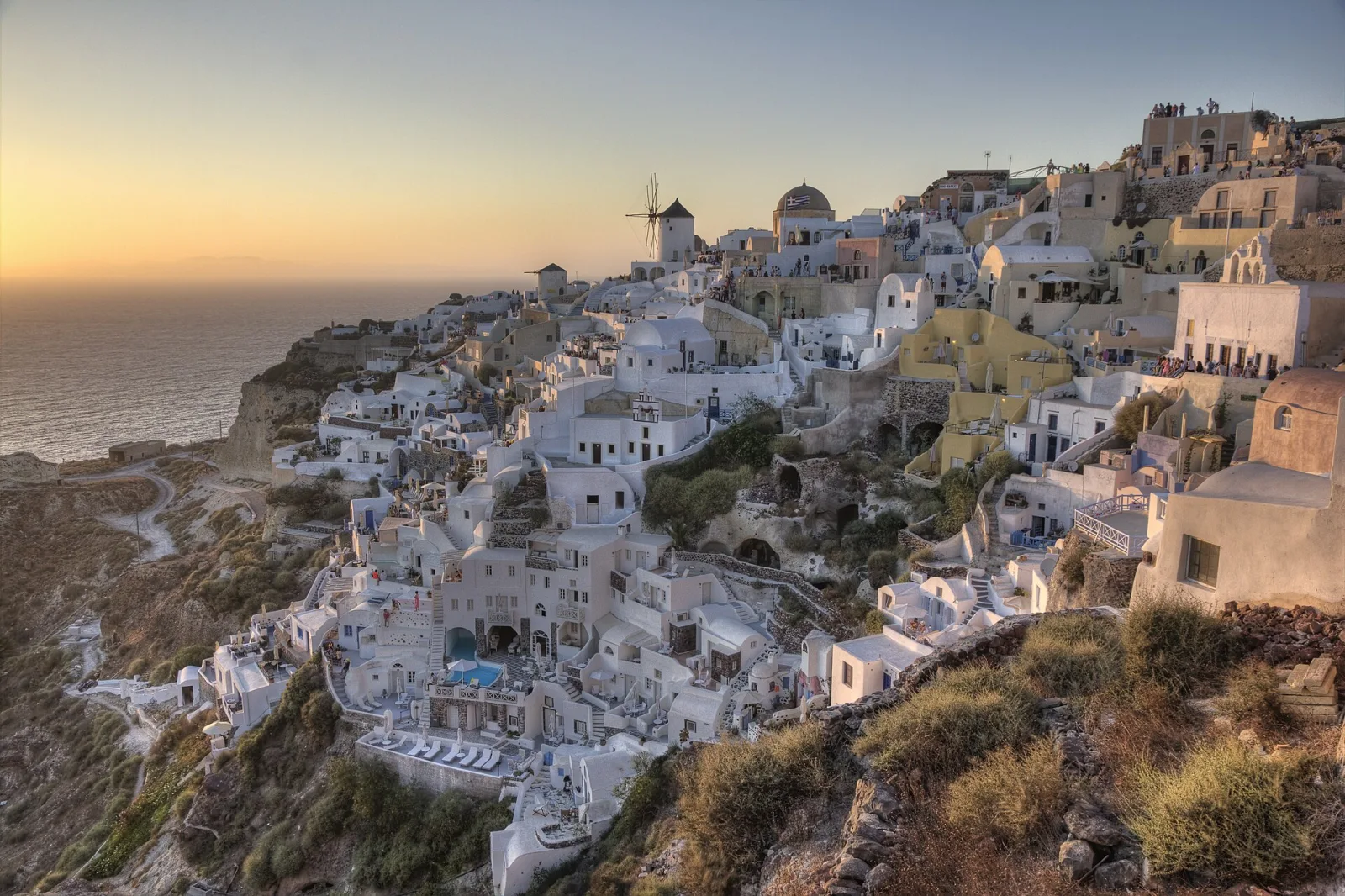
Best Greek Islands for First-Timers
Choosing your first Greek island can be overwhelming. This guide highlights the most accessible and diverse islands to ensure your first trip is seamless.
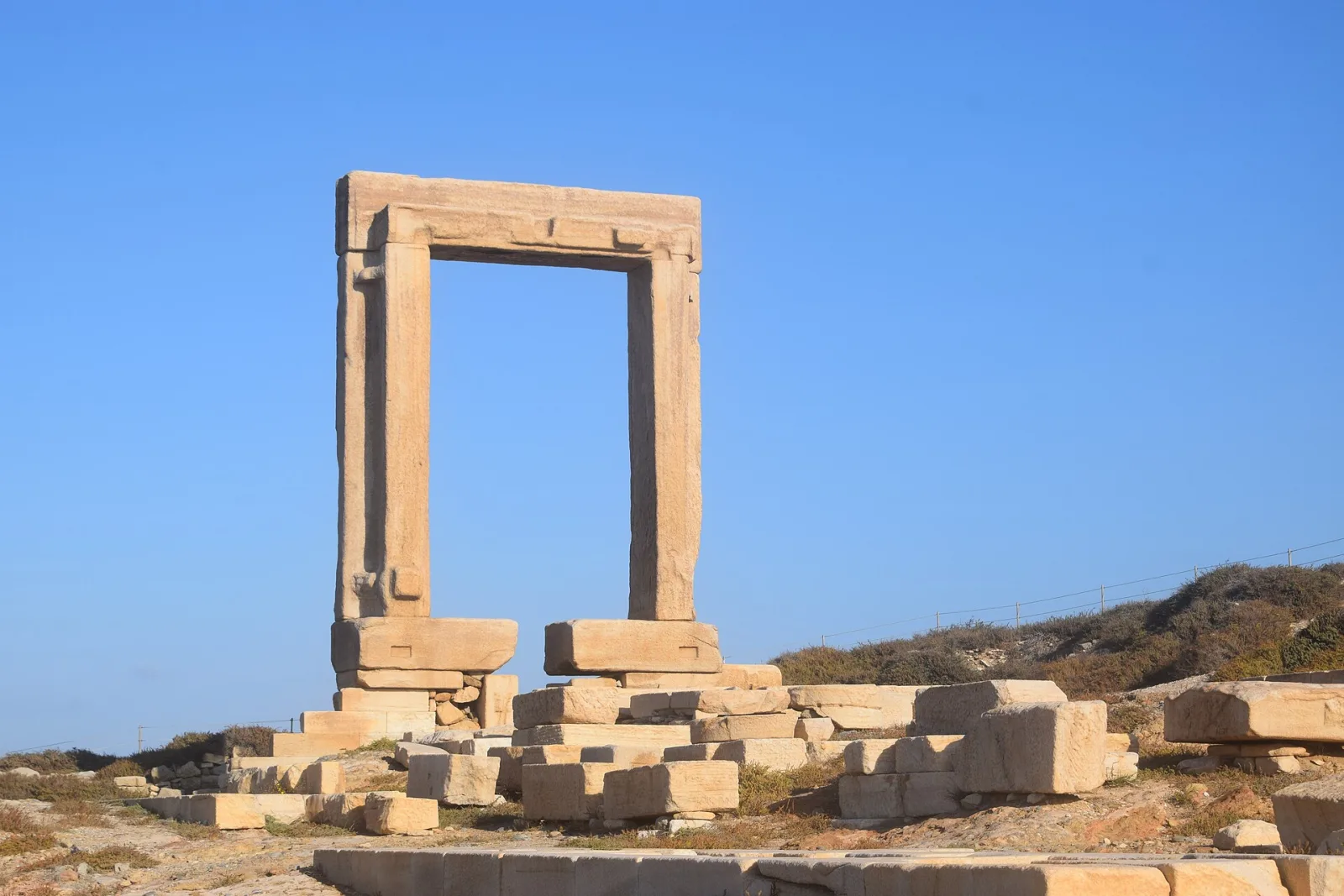
Top Things to Do in Naxos
Naxos stands out in the Cyclades for its lush landscapes, agricultural heritage, and long stretches of golden sand. It offers a perfect balance of ancient history, mountain tradition, and seaside relaxation.
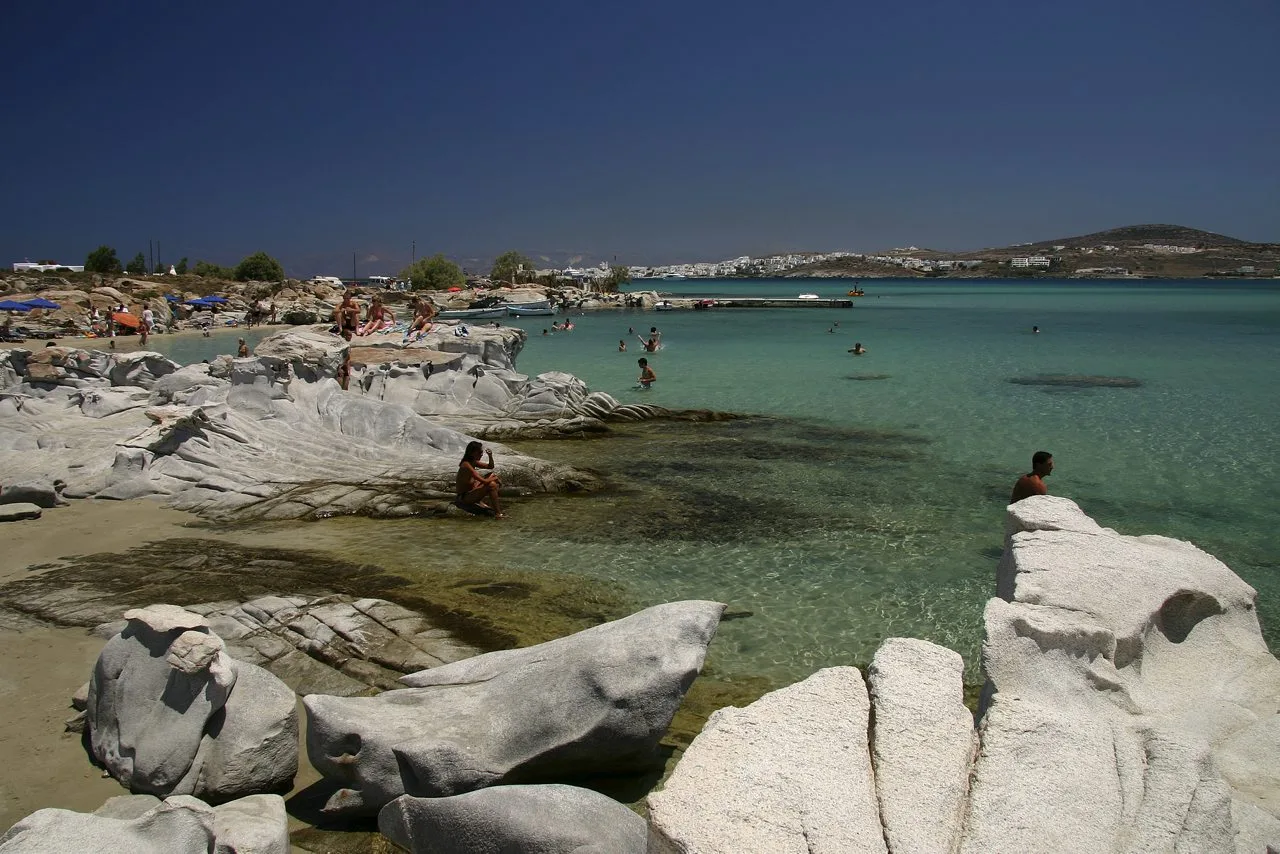
August 15 in Greece: The Feast of the Assumption
August 15 marks the Feast of the Assumption, a nationwide celebration that is deeply woven into the fabric of Greek life and culture.
