


Greek Christmas Food: Melomakarona, Kourabiedes and the Festive Table
Experience the warmth of the Greek festive season through its most beloved culinary traditions, featuring iconic honey-drenched cookies and centerpiece holiday roasts.
The Sweet Symbols of the Season
In Greece, the arrival of the holiday season is signaled not just by the twinkling lights in city squares, but by the unmistakable scent of cinnamon, cloves, and orange zest wafting from neighborhood bakeries. The festive period, which typically spans from late November to early January, is defined by two primary confections that dominate every household: melomakarona and kourabiedes. These two treats are the definitive markers of Greek Christmas, and a friendly debate often ensues regarding which is superior.
Melomakarona are oval-shaped cookies made with semolina, flour, and olive oil, infused with the warmth of orange and spices. Once baked, they are soaked in a honey-based syrup and topped with crushed walnuts. They are moist, fragrant, and represent the traditional flavors of the Greek winter. On the other side of the platter are kourabiedes, the quintessential Greek Christmas shortbread. These buttery, crumbly almond cookies are coated in a generous layer of powdered sugar, designed to resemble the snow-covered peaks of the Greek mountains. Unlike the syrup-soaked melomakarona, kourabiedes offer a delicate, melt-in-the-mouth texture that pairs perfectly with a strong Greek coffee.
The Festive Table: Beyond the Sweets
While cookies take center stage in the weeks leading up to Christmas, the main event is the Christmas Eve and Christmas Day table. Traditionally, the centerpiece of the meal was pork, as many rural families would slaughter a pig before the holidays to provide meat for the winter months. Today, while roast pork remains a staple in many regions, roast turkey has become a popular modern addition to the festive menu.

A classic starter to the Christmas meal is avgolemono soup. This rich, velvety chicken soup is thickened with a mixture of egg yolks and lemon juice, providing a bright, comforting acidity that balances the heavier main courses. Another essential element is Christopsomo, or 'Christ’s Bread.' This is a rich, sweet leavened bread, often decorated with intricate dough patterns and a cross in the center, representing the importance of bread in Greek culture and the religious significance of the holiday.
New Year Traditions and the Vasilopita
The culinary celebrations do not end on December 25th. New Year’s Eve and New Year’s Day are marked by their own set of traditions, most notably the preparation of the Vasilopita. This is a special cake or sweet bread dedicated to Saint Basil, the Greek equivalent of Santa Claus. The defining feature of the Vasilopita is a hidden coin, or flouri, tucked inside the batter before baking.
As the clock strikes midnight or during the New Year's Day lunch, the head of the household cuts the cake, distributing pieces to every family member and one for the house itself. The person who finds the coin in their slice is considered to be blessed with good luck for the coming year. In regions like the Peloponnese and on various islands, you will also find diples—thin, crispy sheets of dough fried until golden and folded, then drizzled with honey, crushed walnuts, and cinnamon. These are labor-intensive to make but are a cherished part of the New Year’s celebrations.
Practical Tips for Your Visit
- Check Local Schedules: While traditions are consistent, specific festive events, markets, and municipal celebrations for the 2026-2027 season will be announced by local authorities in the autumn of 2026. Always check the official website of the municipality you are visiting before finalizing your plans.
- Bakery Etiquette: During December, local bakeries (fournos) are at their busiest. If you want to sample the best melomakarona and kourabiedes, visit a local, traditional bakery rather than a supermarket. They often sell these by the kilo, and you can usually ask to try one before purchasing.
- Dining Reservations: Christmas Eve and New Year’s Eve are very popular times to dine out. Restaurants in major cities like Athens and Thessaloniki fill up quickly. It is highly recommended to book your table well in advance.
- Holiday Closures: Be aware that December 25th, December 26th, and January 1st are major public holidays in Greece. Most shops, museums, and archaeological sites will be closed or operate on very limited hours. Plan your sightseeing around these dates, focusing on enjoying the local atmosphere and festive food instead.
- Seasonal Weather: Greek winters can be quite chilly, especially in the north or in mountainous regions. Pack warm layers and comfortable shoes, as the festive season is a wonderful time for walking through illuminated city centers and village squares.
Plan your trip to Athens
Compare prices with KAYAKYou'll be taken to KAYAK to compare prices. We may earn a commission at no extra cost to you.
Plan your trip to Athens
🏨Find hotels on Booking.comBooking.comAffiliate links — we may earn a small commission.
Deals from our travel partners
 Panathinaikos Athens vs Armani Olimpia Milano Tickets - Olympic Stadium Athens Telekom Ce…Sports Events 365 · from 271 EUR
Panathinaikos Athens vs Kirolbet Baskonia Vitoria Tickets - Olympic Stadium Athens Teleko…Sports Events 365 · from 271 EUR
Panathinaikos Athens vs FC Barcelona Lassa Tickets - Olympic Stadium Athens Telekom Cente…Sports Events 365 · from 326 EUR
Virtus Bologna vs Panathinaikos Athens Tickets - PalaDozza, 2026-11-17Sports Events 365 · from 133 EUR
Panathinaikos Athens vs Armani Olimpia Milano Tickets - Olympic Stadium Athens Telekom Ce…Sports Events 365 · from 271 EUR
Panathinaikos Athens vs Kirolbet Baskonia Vitoria Tickets - Olympic Stadium Athens Teleko…Sports Events 365 · from 271 EUR
Panathinaikos Athens vs FC Barcelona Lassa Tickets - Olympic Stadium Athens Telekom Cente…Sports Events 365 · from 326 EUR
Virtus Bologna vs Panathinaikos Athens Tickets - PalaDozza, 2026-11-17Sports Events 365 · from 133 EUR
Affiliate links — we may earn a commission at no extra cost to you.
Related guides
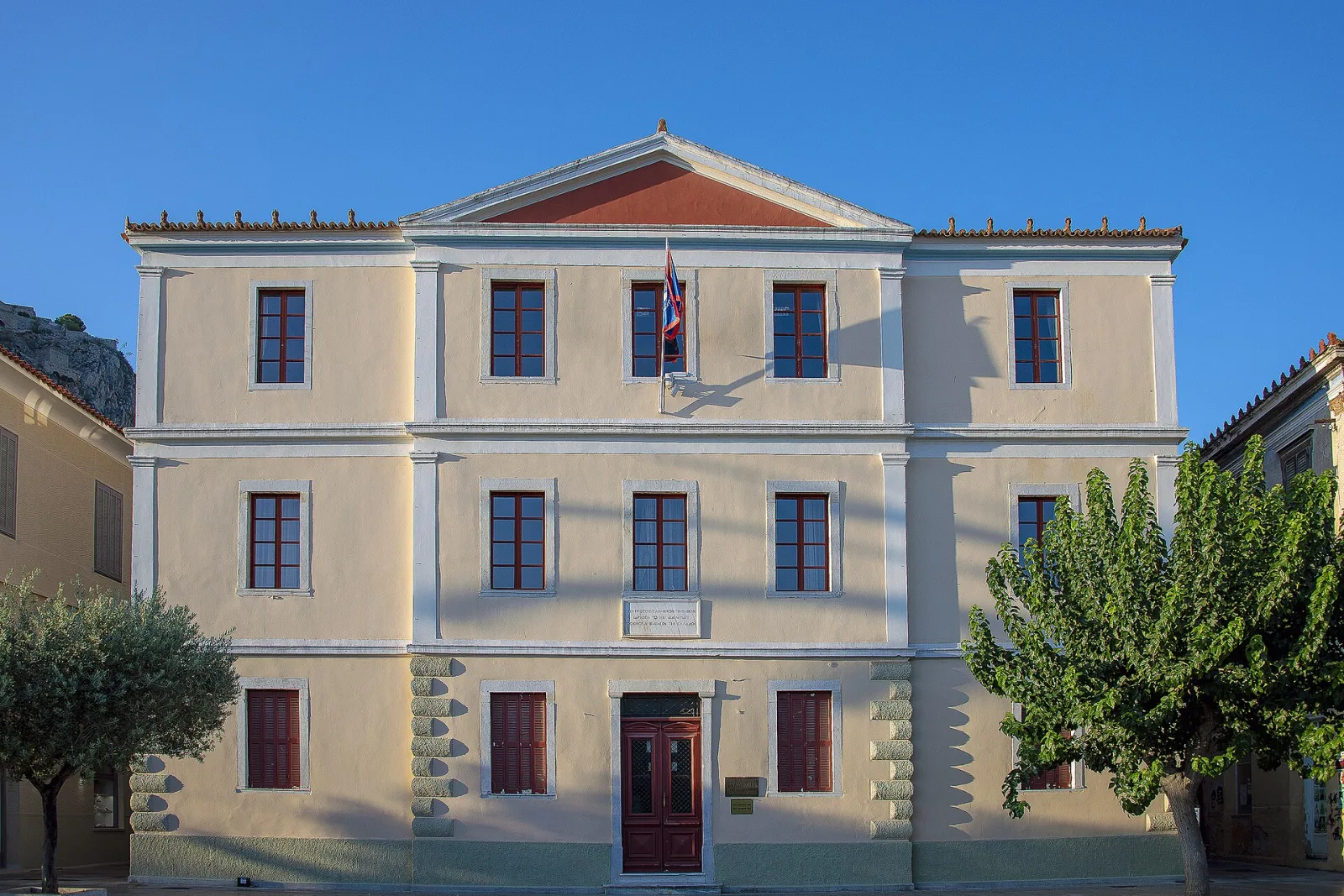
Nafplio in 3 Days: The Perfect Itinerary
Discover Nafplio in three days: climb Palamidi's steps, explore Venetian old town, and take day trips to Mycenae and Epidaurus. Practical tips for food, wine and walks.
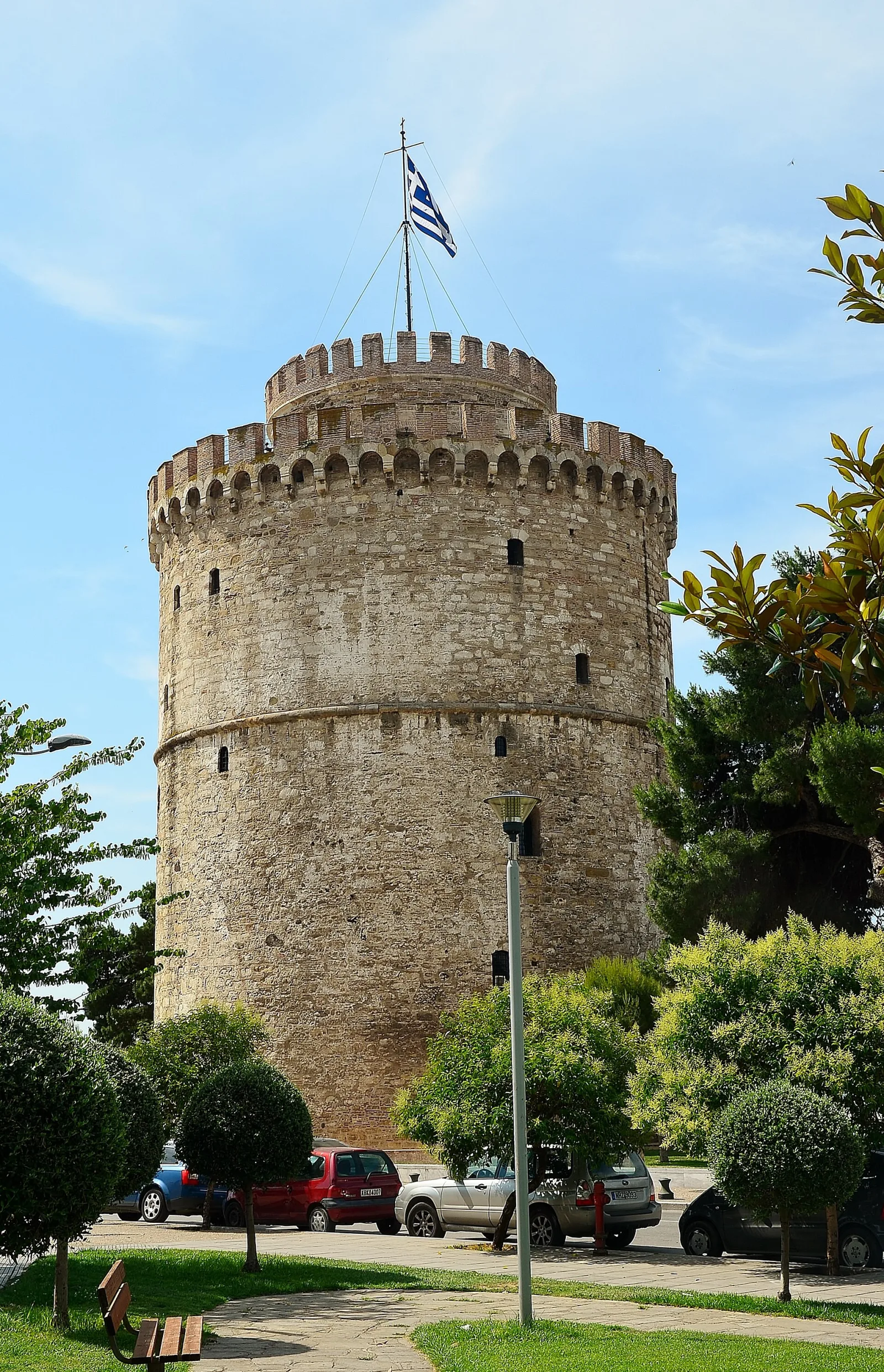
Thessaloniki in 3 Days: The Perfect Itinerary
Thessaloniki rewards slow exploring. This three-day plan covers Roman and Byzantine monuments, the waterfront, old-town lanes and the city's famously good food.
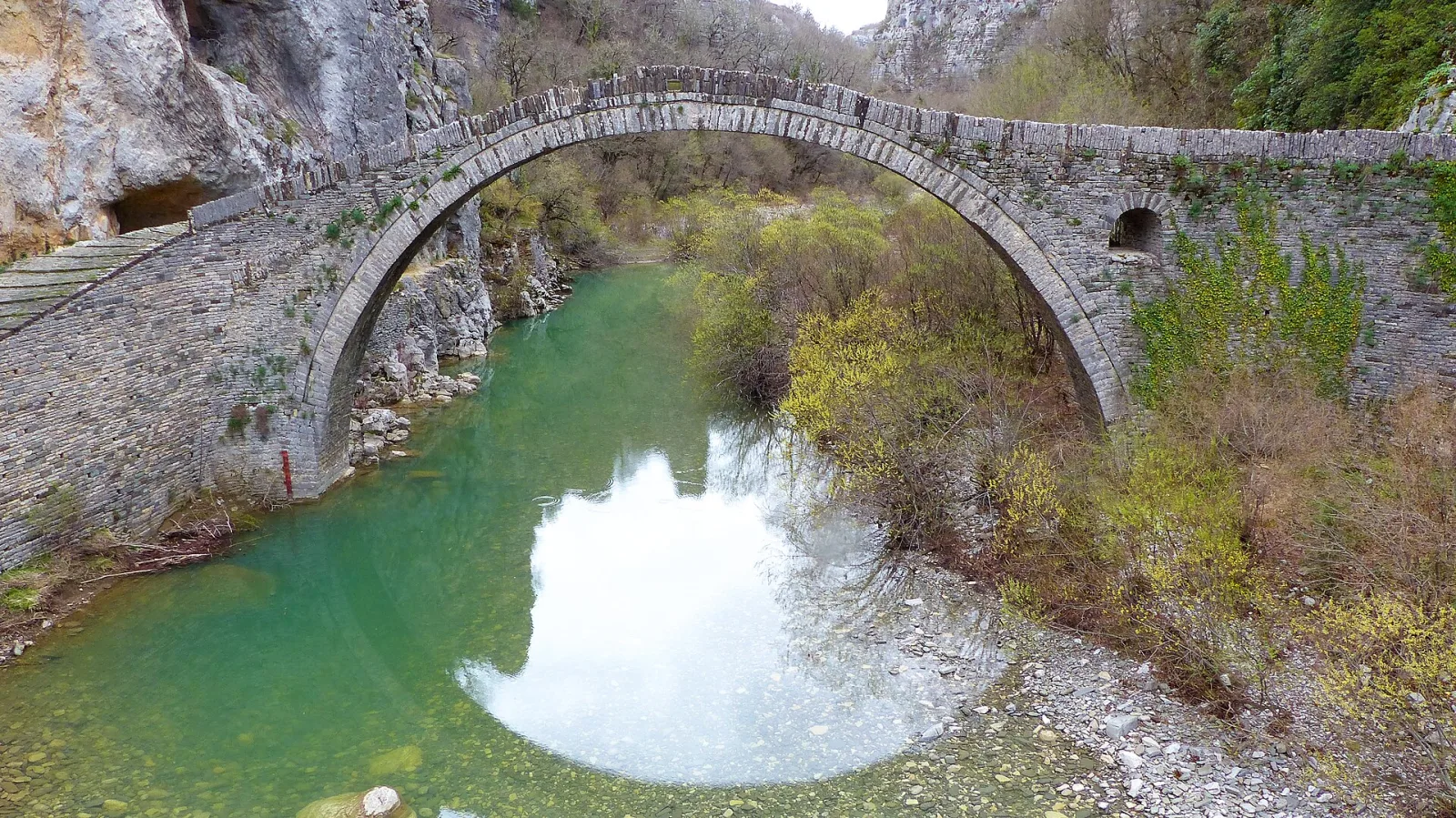
Top Things to Do in Zagori
Zagori is a mountain region of forty-odd stone villages in Epirus, linked by old mule paths and arched bridges. Here is how to make the most of it.
