


Greek Ferries Explained: How to Island-Hop Without the Stress
Conventional or high-speed? Piraeus or Rafina? Everything you need to know to plan a smooth island-hopping route.
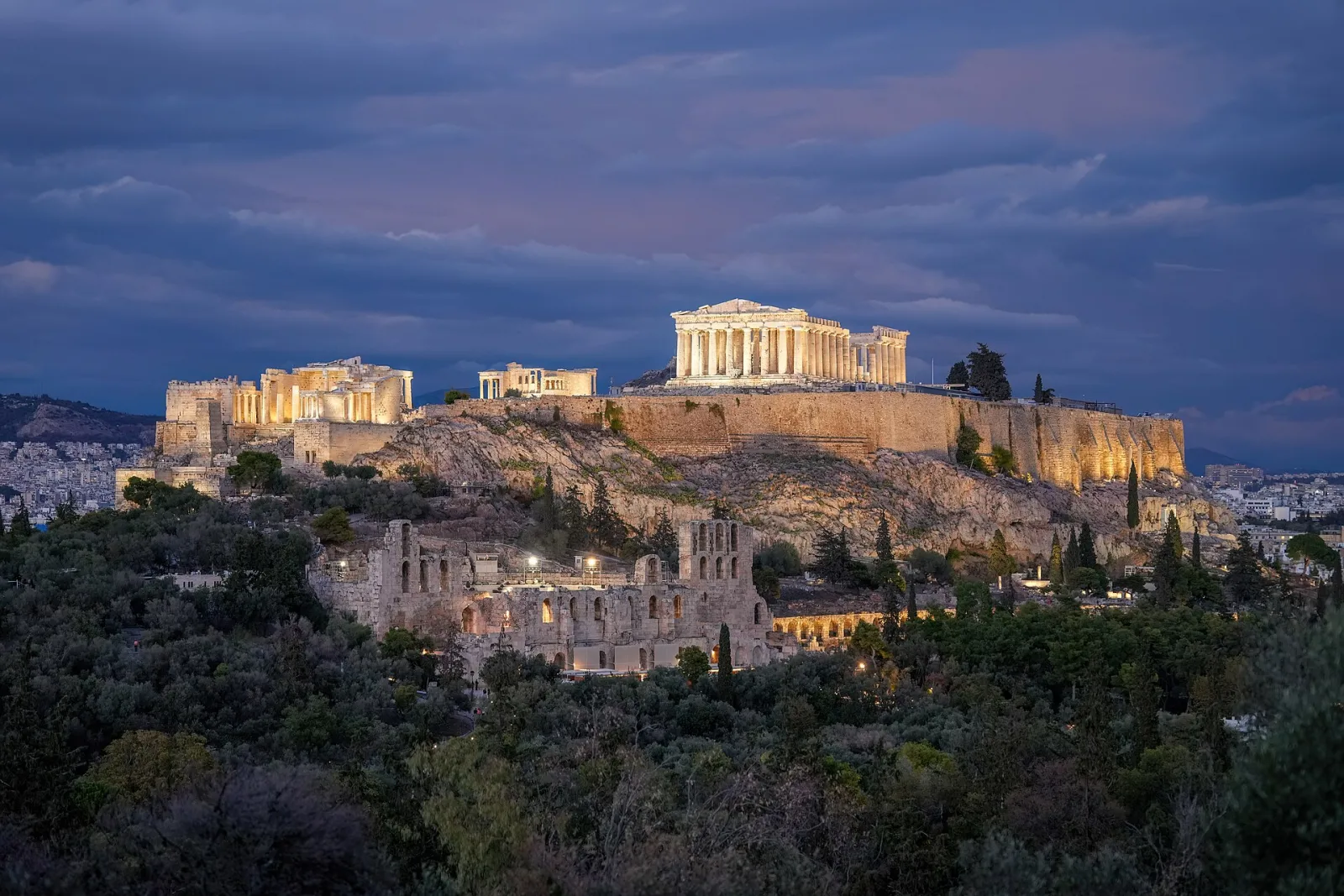
Ferries are the backbone of travel in Greece, and island-hopping is one of the great travel experiences in Europe. A little planning goes a long way.
Choose your port
From Athens, most ferries leave from Piraeus, the city's main port, which is reachable by metro. Rafina, closer to the airport, is often quicker for Mykonos, Tinos and Andros. Lavrio serves Kea and some smaller islands.
Conventional vs high-speed
Conventional ferries are larger, cheaper and more stable in rough seas, with open decks and cafés. High-speed catamarans cut journey times dramatically but cost more, keep you indoors and can be bumpy when the wind picks up.

Booking
In July and August, and around Greek holidays, book popular routes in advance — especially if you have a car. Out of season you can usually buy tickets on the day. E-tickets are standard; keep the booking reference handy at the port.
Plan a sensible route
- Follow the island groups: Cyclades routes are easy, but crossing from the Cyclades to the Ionian requires returning to the mainland.
- Leave a buffer day before an international flight — strong winds can cancel sailings.
- Arrive at the port at least 30–45 minutes before departure, more with a car.
On board
Leave big luggage in the hold area as you board, keep valuables with you, and bring a jacket — air-conditioned lounges can be cold even in summer.
Plan your trip to Athens
Compare prices with KAYAKYou'll be taken to KAYAK to compare prices. We may earn a commission at no extra cost to you.
Plan your trip to Athens
🏨Find hotels on Booking.comBooking.comAffiliate links — we may earn a small commission.
Deals from our travel partners
 Panathinaikos Athens vs Armani Olimpia Milano Tickets - Olympic Stadium Athens Telekom Ce…Sports Events 365 · from 271 EUR
Panathinaikos Athens vs Kirolbet Baskonia Vitoria Tickets - Olympic Stadium Athens Teleko…Sports Events 365 · from 271 EUR
Panathinaikos Athens vs FC Barcelona Lassa Tickets - Olympic Stadium Athens Telekom Cente…Sports Events 365 · from 326 EUR
Virtus Bologna vs Panathinaikos Athens Tickets - PalaDozza, 2026-11-17Sports Events 365 · from 133 EUR
Panathinaikos Athens vs Armani Olimpia Milano Tickets - Olympic Stadium Athens Telekom Ce…Sports Events 365 · from 271 EUR
Panathinaikos Athens vs Kirolbet Baskonia Vitoria Tickets - Olympic Stadium Athens Teleko…Sports Events 365 · from 271 EUR
Panathinaikos Athens vs FC Barcelona Lassa Tickets - Olympic Stadium Athens Telekom Cente…Sports Events 365 · from 326 EUR
Virtus Bologna vs Panathinaikos Athens Tickets - PalaDozza, 2026-11-17Sports Events 365 · from 133 EUR
Affiliate links — we may earn a commission at no extra cost to you.
Related guides
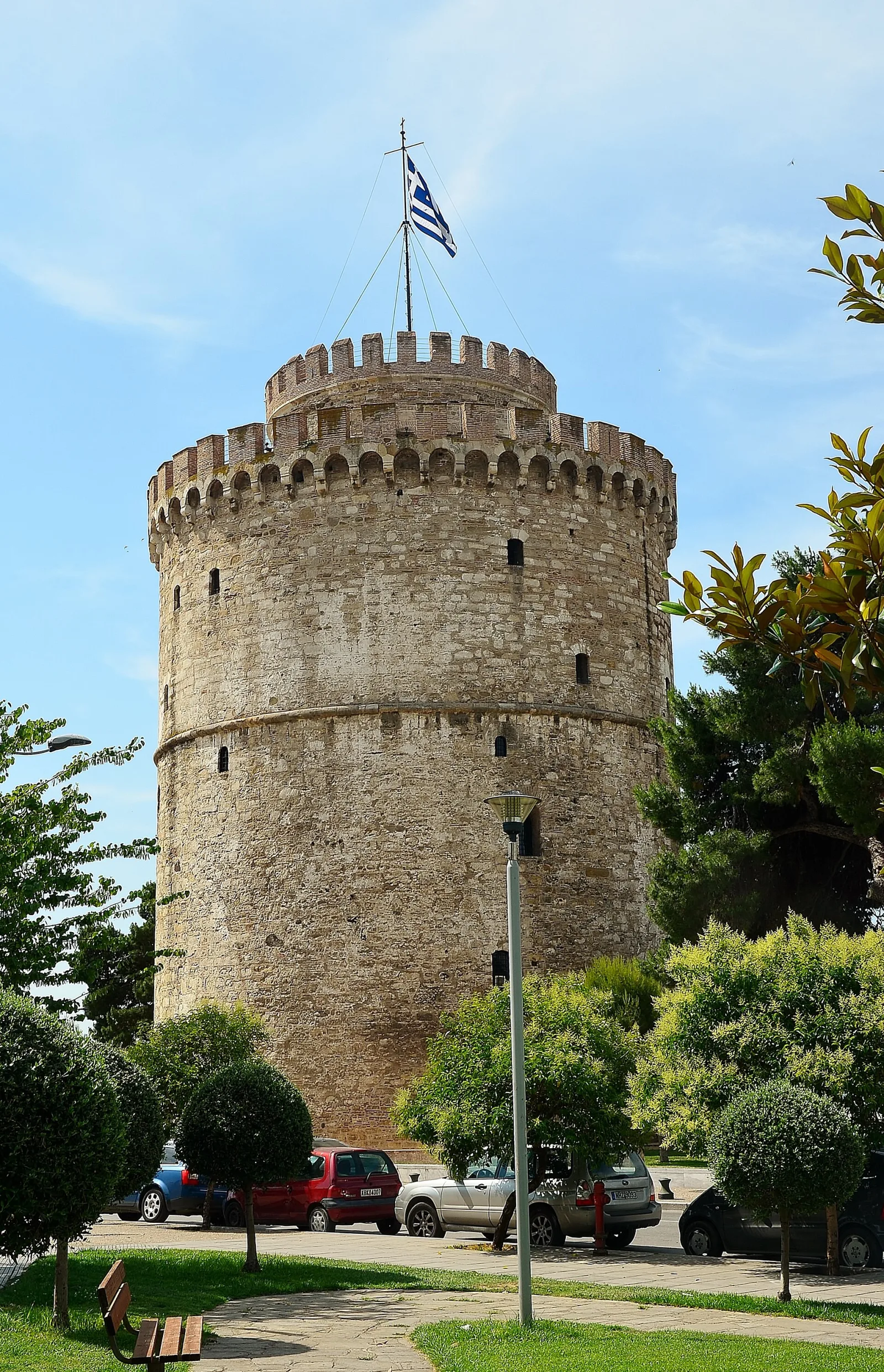
Thessaloniki in 3 Days: The Perfect Itinerary
Thessaloniki rewards slow exploring. This three-day plan covers Roman and Byzantine monuments, the waterfront, old-town lanes and the city's famously good food.
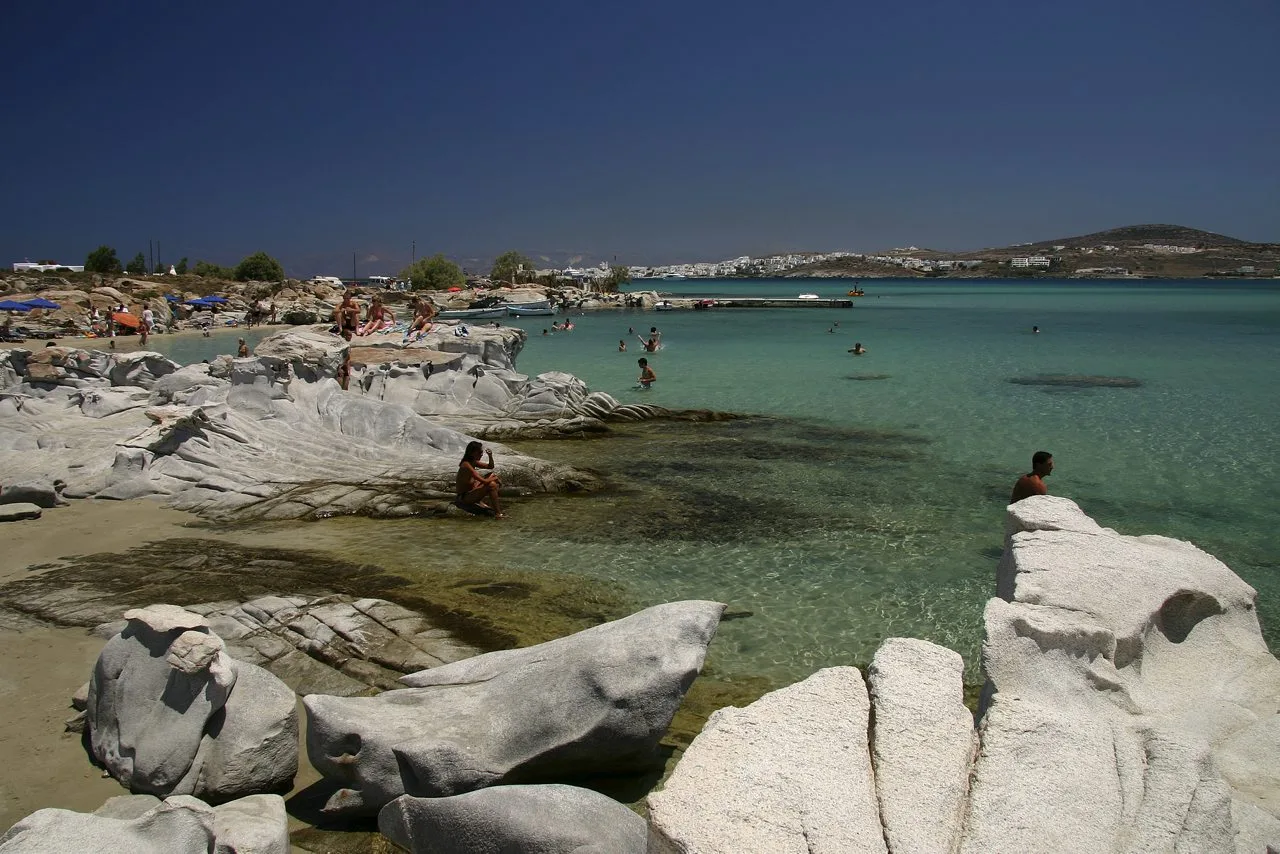
Top Things to Do in Paros
From whitewashed harbours and Venetian forts to sculpted rock beaches and mountain villages, Paros rewards travellers who look beyond the postcard. Here are the experiences worth planning around.
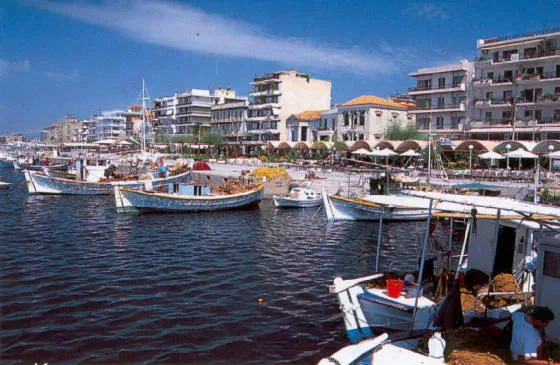
Top Things to Do in Kalamata
Kalamata is a relaxed seaside city famous for its olives, with a charming old town, a hilltop castle and a long sandy beach. It also makes an ideal base for exploring Messinia and the Mani.
