


Heatwaves in Greece: How to Travel Safely in Summer
Summer temperatures in Greece can climb well above 40°C during heatwaves. With a little planning around timing, water, and shade, you can enjoy the islands and ancient sites safely.
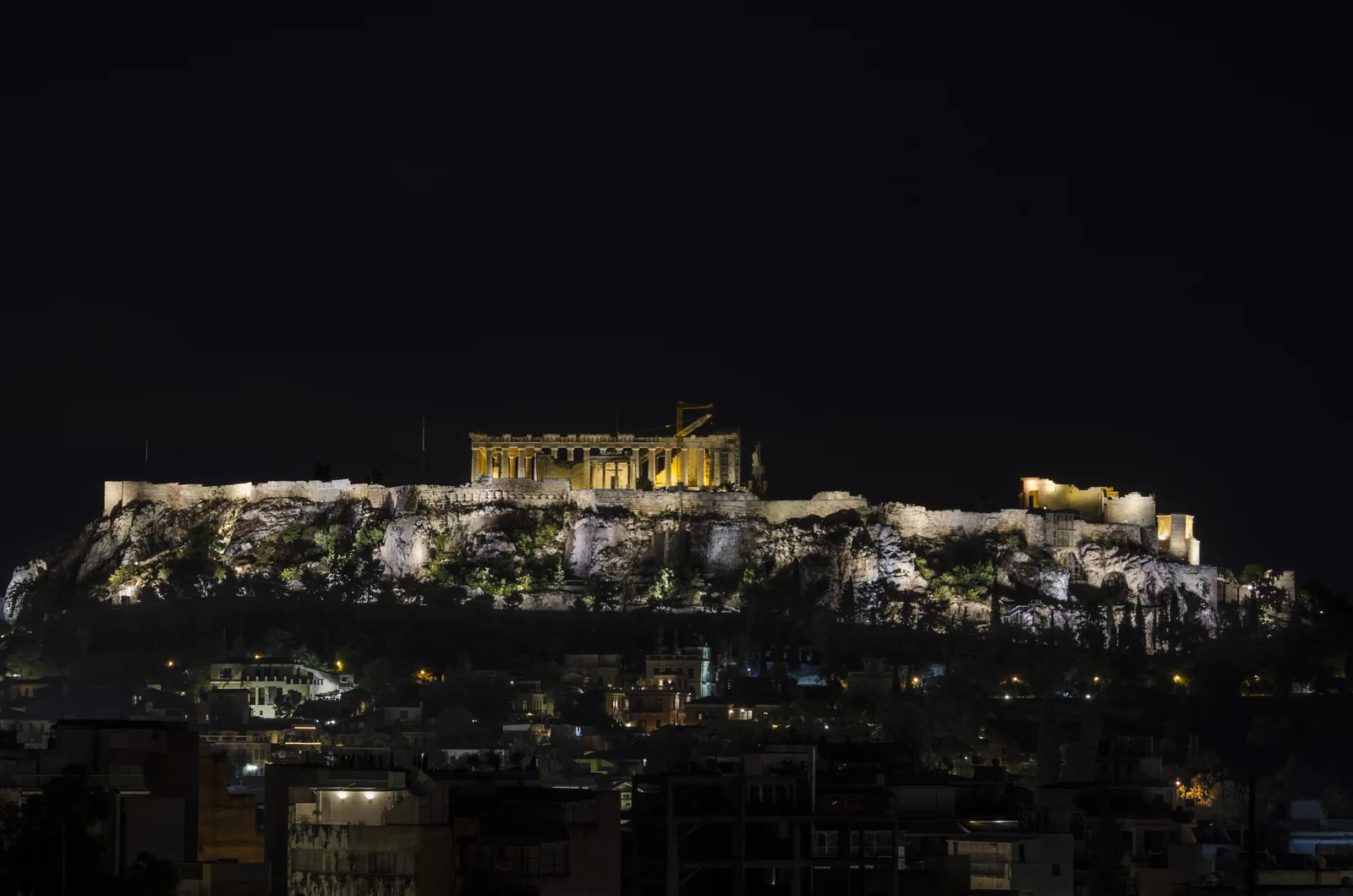
Greece in July and August is glorious, but it can also be punishing. Inland towns such as Athens and Sparta, and the flat plains of the mainland, regularly see heatwaves that push temperatures above 40°C, and even coastal islands can feel like an oven when the meltemi wind drops. Heat is one of the few travel risks that tends to creep up on people, so a bit of planning goes a long way. Here is how to enjoy a summer trip without ending up exhausted, dehydrated, or sunburnt.
Understand when heatwaves happen
Greek summers are hot and dry by default, but heatwaves are periods of unusually high temperatures that can last several days. They are most common in July and August, though late June and early September can also bring spikes. Heatwaves are often linked to hot air moving north from Africa, and they can be intensified by still conditions, when the usual northerly breezes disappear. Local news outlets and the national meteorological service publish forecasts and heat warnings, so check them before and during your trip. Many Greek municipalities also activate heat alerts, and these are worth taking seriously.
Plan your days around the sun
The single most effective strategy is to change your daily rhythm. Locals have done this for generations, and it is easy to copy. Start early, when the air is cooler and the light is beautiful for photos. Aim to be at major outdoor sites such as the Acropolis in Athens, Knossos on Crete, or Olympia on the Peloponnese before the heat peaks in the early afternoon. Many Greeks take a long midday break, and it makes sense to do the same: find a shaded taverna, a museum, or your accommodation and rest until the late afternoon. Evenings are when Greek towns come alive, so save the strolls, dinner, and harbour walks for after sunset.

- Schedule strenuous walking, hiking, and climbing for the early morning.
- Visit air-conditioned museums, such as the Archaeological Museum of Athens or the Heraklion Archaeological Museum on Crete, during the hottest hours.
- Leave long lunches and siestas for the middle of the day.
- Keep evenings flexible for dinner, walks, and seaside time.
Stay hydrated and eat sensibly
Dehydration is the most common problem for visitors in the heat, and it often goes unnoticed until you feel dizzy or unwell. Drink water steadily through the day rather than waiting until you are thirsty. Tap water is generally safe to drink in most of mainland Greece and on the major islands, though on some smaller islands and in older buildings it may be better to buy bottled water, and it is always worth asking your host. Carry a refillable bottle, and look for public water points or cafés that will refill it. Avoid heavy alcohol during the hottest hours, as it dehydrates you faster.
Food can help as well. Greek summer cooking is naturally suited to heat. Enjoy fresh salads such as horiatiki, with ripe tomatoes, cucumber, onion, and olives. Tzatziki, yoghurt-based dishes, and fresh fruit like watermelon, figs, and peaches are refreshing and hydrating. Cold soups and chilled seafood make sense on a hot afternoon. Eat smaller meals if you feel sluggish, and go easy on very heavy, greasy food in the middle of the day.
Protect yourself from the sun
Greek sun is strong, and even cloudy days can cause burns. Use a broad-spectrum sunscreen with a high SPF and reapply it regularly, especially after swimming. A wide-brimmed hat, sunglasses with UV protection, and light, loose-fitting clothing in breathable fabrics such as cotton or linen will make a noticeable difference. Many archaeological sites offer very little shade, so bring your own umbrella or hat and take breaks in the shade of trees or pillars when you can. Remember that reflected light from white marble, whitewashed walls, and the sea increases your exposure.
Recognise the warning signs
Heat exhaustion can develop quickly, and it is important to act early. Watch for heavy sweating, pale or clammy skin, headache, nausea, dizziness, muscle cramps, and unusual tiredness. If you notice these symptoms, move to a cool, shaded place, sip water or an oral rehydration drink, loosen your clothing, and rest. Cool your skin with a damp cloth or a cool shower. Heatstroke is more serious and is a medical emergency: signs include confusion, very high body temperature, fainting, or no longer sweating despite the heat. In that case, call the emergency number 112 straight away. Those most at risk include older travellers, young children, people with heart or lung conditions, and anyone taking medication that affects fluid balance, so take extra care if this applies to you.
Choose accommodation and transport wisely
Your base makes a big difference during a heatwave. When booking, check whether rooms have air conditioning and whether it works well, because not all older hotels and guesthouses do. A pool, shaded terrace, or sea breeze can be a real asset. Many island towns are built with narrow, shaded lanes and whitewashed walls that stay cooler than you might expect, but rooms facing west can get very hot in the afternoon. On the move, buses and ferries are generally air-conditioned, but schedules can change, so check locally for the latest timetables before you travel. Keep car journeys to the morning or evening where possible, and never leave children, pets, or anyone who needs medication in a parked car.
Enjoy the water and the breeze
Heat is much easier to handle near the sea. Greek beaches are excellent for cooling off, and swimming is one of the best ways to recover during the afternoon. Islands in the Cyclades, such as Naxos and Paros, and the Ionian islands, such as Corfu and Lefkada, have a wide range of sandy and pebbly beaches, many with tavernas and tree cover. If you are going to swim, do so in the morning or late afternoon, take care with currents on exposed beaches, and be sure to protect your skin before and after. Sea breezes often pick up in the afternoon, which can make coastal spots feel surprisingly pleasant even on hot days.
Practical tips
- Check the national weather service and local news for heat warnings before you travel and each morning.
- Carry water, a hat, sunscreen, and a light umbrella on every outing.
- Plan sightseeing for early morning and early evening, and rest in the middle of the day.
- Choose accommodation with reliable air conditioning, and ask about it before booking.
- Know the emergency number 112 and seek help promptly if someone shows signs of heatstroke.
- Ask your doctor about medication that may affect your response to heat before you leave home.
- Be flexible: if a heatwave hits, consider moving outdoor plans to cooler days or spending more time by the water.
Plan your trip to Athens
Compare prices with KAYAKYou'll be taken to KAYAK to compare prices. We may earn a commission at no extra cost to you.
Plan your trip to Athens
🏨Find hotels on Booking.comBooking.comAffiliate links — we may earn a small commission.
Deals from our travel partners
 Bryan Adams-Athens- Greece Tickets - Olympic Stadium Athens Telekom Center, 2026-12-19Sports Events 365 · from 145 EUR
 Flights from Athens to LjubljanaAir Serbia · from 402 EUR
Panathinaikos Athens vs Virtus Bologna Tickets - Olympic Stadium Athens Telekom Center, 2…Sports Events 365 · from 285 EUR
Panathinaikos Athens vs Zalgiris Kaunas Tickets - Olympic Stadium Athens Telekom Center, …Sports Events 365 · from 271 EUR
Affiliate links — we may earn a commission at no extra cost to you.
Related guides
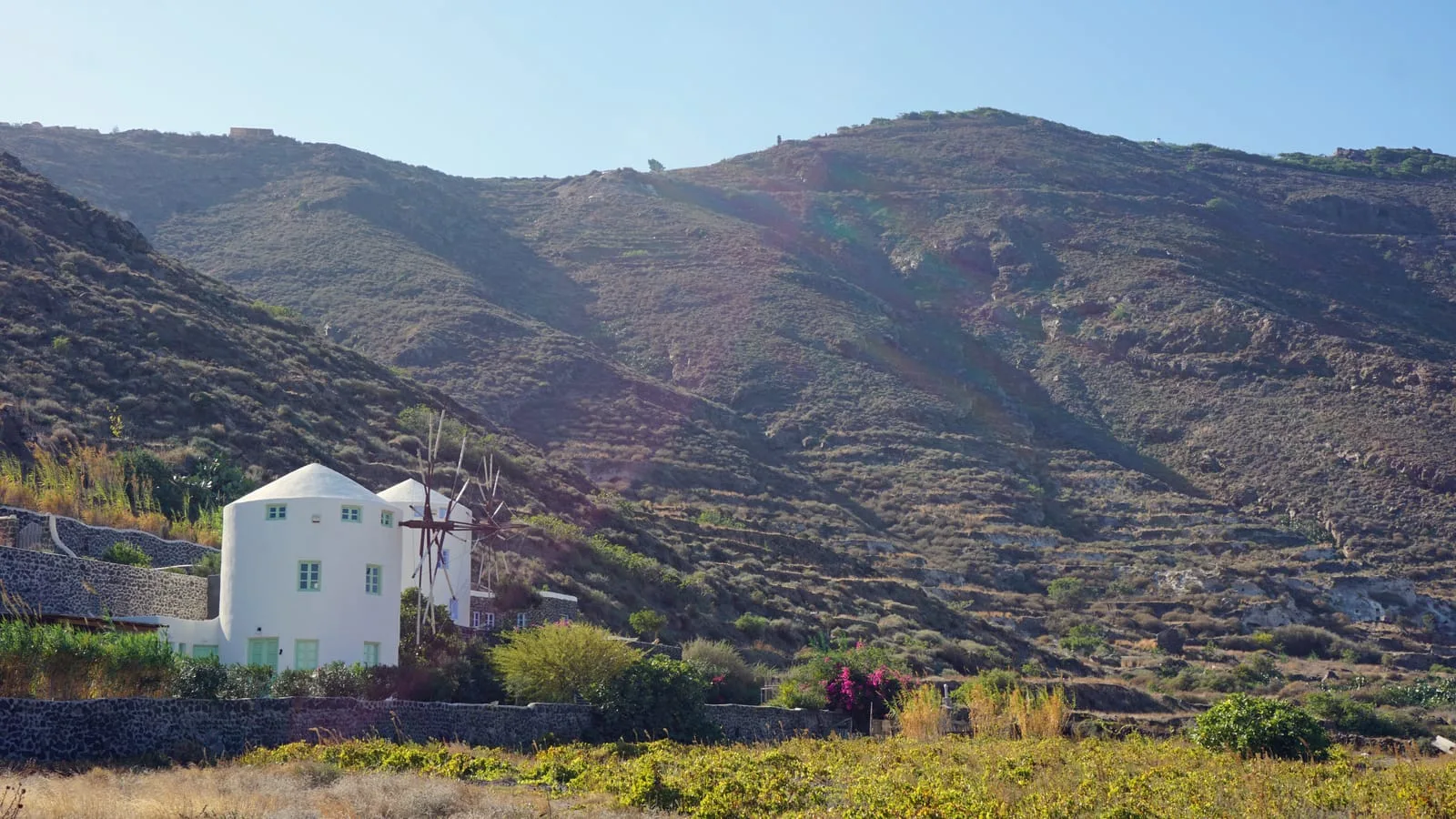
Wine Harvest and Winery Visits in Greece
Greece has one of the oldest wine traditions in the world, and late summer into autumn is the best time to see it in action. Here is how to plan a harvest visit and winery tour.
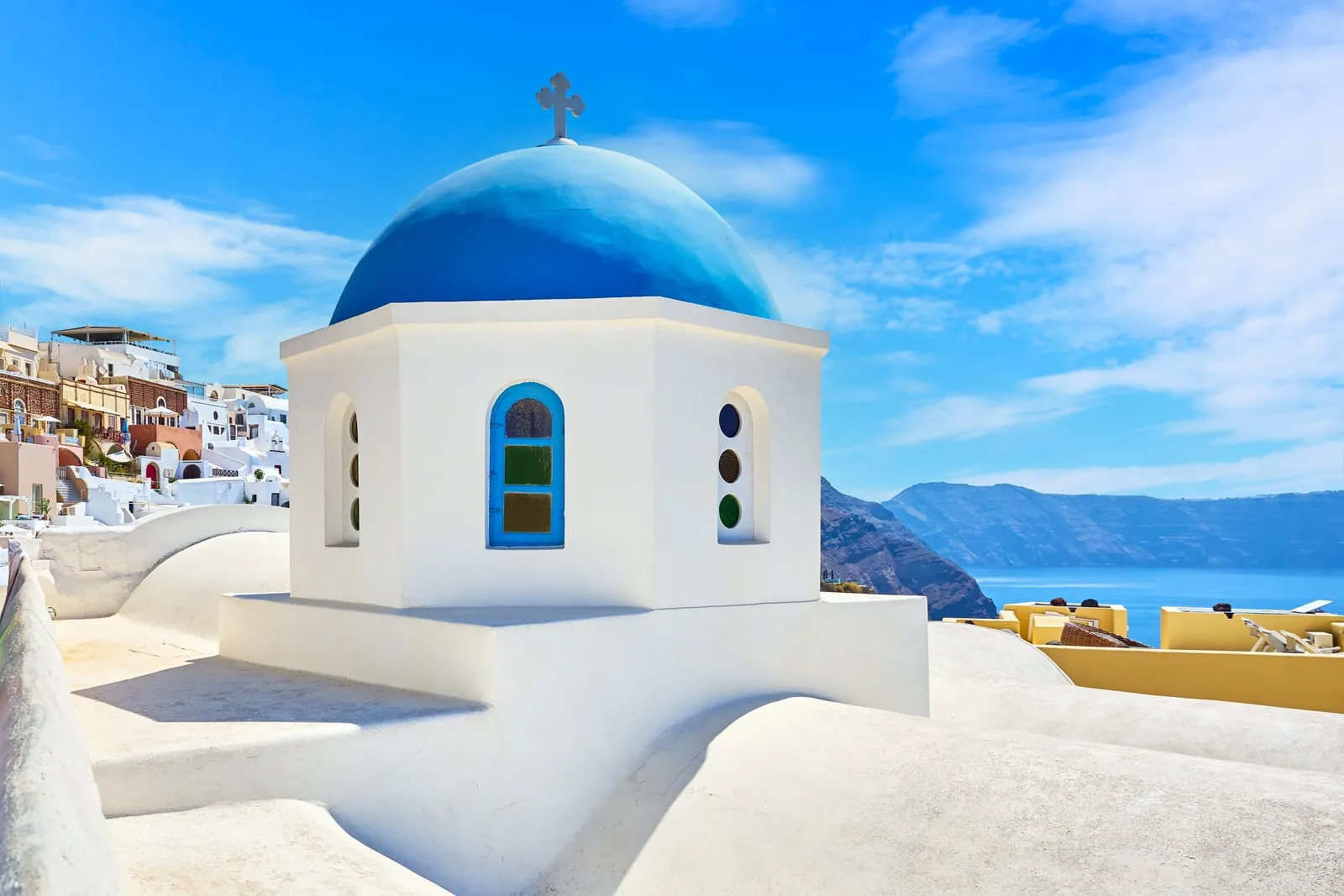
How to Get to Santorini and Get Around
Santorini is easy to reach by plane from Athens and European cities or by ferry from Piraeus. Here is how to plan your journey and move around the island once you land.
Money, Cards and ATMs in Greece
Greece runs largely on euros and cards, but cash still matters on islands, in tavernas and at smaller shops. Here is how to handle money smoothly.
