


Money, Cards and ATMs in Greece
Greece runs largely on euros and cards, but cash still matters on islands, in tavernas and at smaller shops. Here is how to handle money smoothly.

Greece uses the euro, and for most travellers the question is less about whether you can pay and more about how. Cards are widely accepted in the big cities, larger hotels and most restaurants, but cash remains genuinely useful in many other places. A little planning means you will rarely be caught short.
Cash or card: what to expect
In Athens, Thessaloniki and the busier tourist centres, contactless cards and mobile payments are common. Supermarkets, pharmacies, museum shops, car hire desks and most hotels take cards without fuss. Many visitors find they can get through a week with very little cash.
The picture changes once you move away from the main hubs. Small village tavernas, family-run bakeries, kiosks, some beach bars and certain ferry-port cafés may prefer or accept only cash. Rural areas, particularly in mountain villages and some of the smaller islands, can also have patchy card terminals or connectivity problems. Carrying a modest amount of euros in small notes is a sensible habit.

- Keep some coins and €5 to €20 notes for small purchases and tips.
- Avoid relying on large €100 or €200 notes, which some small vendors will refuse.
- If a card machine is out of order, ask politely whether there is an alternative rather than assuming you can pay later.
Using ATMs
ATMs, called ATM or sometimes Trapeza locally, are easy to find in towns and at major ports and airports. Most accept international Visa and Mastercard debit and credit cards, and many accept other networks as well. The main Greek banks are widely present, and machines in bank branches tend to be more reliable than standalone units in quiet areas.
On smaller islands and in remote villages, ATMs can be scarce, sometimes out of cash, or occasionally out of order. This is especially true out of the high season. Before you travel to a smaller island, withdraw enough cash for several days, and check locally for the nearest working machine on your arrival.
Choosing how to withdraw
When an ATM asks whether you want to be charged in euros or in your home currency, choose euros. Choosing your home currency lets the machine apply its own conversion rate, which is usually less favourable. Your own bank or card provider may also charge a foreign transaction fee or a cash withdrawal fee, so check your terms before you leave home. Using a card with low or no foreign fees is one of the simplest ways to save money on a trip.
Paying at checkout
Card machines in Greece are generally reliable, but a few habits will keep you on the right side of the bill. Always check the amount shown on the terminal before you enter your PIN or tap. Be wary of being offered to pay in your home currency at the terminal, a practice known as dynamic currency conversion, which tends to cost more than paying in euros. Politely decline and choose euros.
Some restaurants add a cover charge, known as kouvert, and this should appear on the menu or bill. Check whether a service charge is already included before you add a tip. Keep a receipt, particularly for larger purchases or if you may need to claim a refund later.
Tipping in Greece
Tipping is appreciated but not strictly required in the way it is in some countries. In restaurants it is common to leave around five to ten per cent for good service, or to round up the bill. In tavernas, leaving small change is a warm gesture. Taxi drivers often appreciate rounding up to the nearest euro. Hotel housekeeping, porters and guides may also welcome a small tip. Cash is the easiest way to leave one, since many staff do not receive card tips directly.
Currency exchange and carrying money
If you need to exchange currency, banks and official exchange offices are generally a better bet than kiosks in busy tourist areas, which can offer poor rates. Compare the rate and any commission before you agree. You do not need to exchange money before you arrive, since ATMs and card payments are usually the most efficient option.
Carry your cards and cash separately, and keep a backup card somewhere else in your luggage. Let your bank know your travel dates to avoid having your card blocked for unusual activity. If a card is lost or stolen, contact your bank or card provider immediately, and check locally for the appropriate emergency numbers for reporting it.
Practical tips
- Carry a mix of cash and cards so you are never stuck.
- Withdraw more cash before heading to smaller islands or rural areas.
- Always choose euros, never your home currency, at ATMs and card terminals.
- Check your bank's foreign transaction and withdrawal fees before departure.
- Keep small notes and coins for tavernas, cafés, taxis and tips.
- Look for kouvert or service charges on the bill before adding a tip.
- Check locally for current ATM locations, bank opening times and emergency contacts once you arrive.
Plan your trip to Athens
Compare prices with KAYAKYou'll be taken to KAYAK to compare prices. We may earn a commission at no extra cost to you.
Plan your trip to Athens
🏨Find hotels on Booking.comBooking.comAffiliate links — we may earn a small commission.
Deals from our travel partners
 Bryan Adams-Athens- Greece Tickets - Olympic Stadium Athens Telekom Center, 2026-12-19Sports Events 365 · from 145 EUR
 Flights from Athens to LjubljanaAir Serbia · from 402 EUR
Panathinaikos Athens vs Virtus Bologna Tickets - Olympic Stadium Athens Telekom Center, 2…Sports Events 365 · from 285 EUR
Panathinaikos Athens vs Zalgiris Kaunas Tickets - Olympic Stadium Athens Telekom Center, …Sports Events 365 · from 271 EUR
Affiliate links — we may earn a commission at no extra cost to you.
Related guides
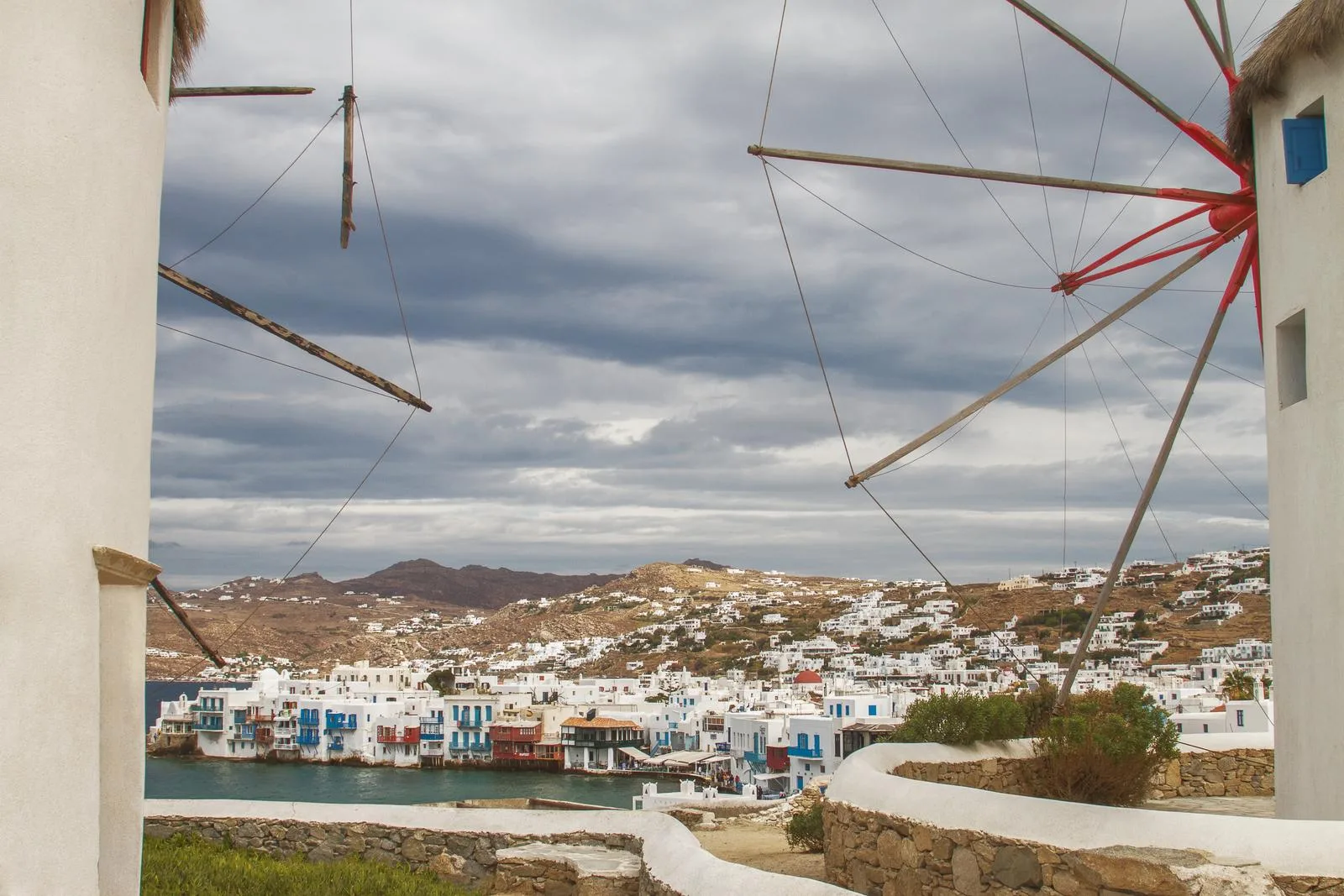
Hot Springs in Greece
Greece is volcanically active, and that gives travellers a surprising range of thermal springs, from soaking spots on Aegean islands to mineral baths in the mainland mountains.

Ios in 3 Days: The Perfect Itinerary
Three days on Ios can cover its lively hilltop Chora, its long sandy beaches and its quieter north. Here is a practical, day-by-day plan for Cyclades travellers.
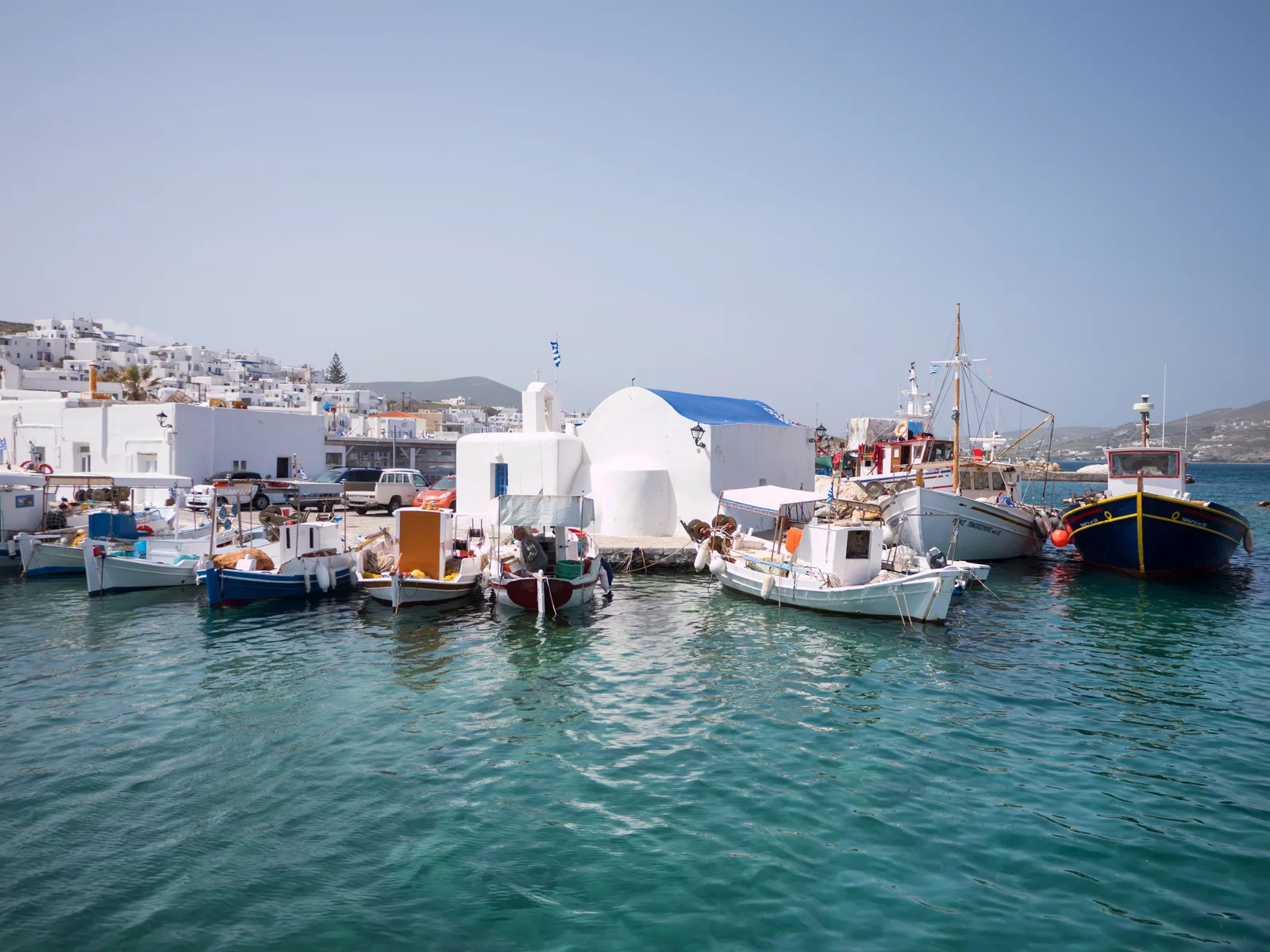
Paros in 3 Days: The Perfect Itinerary
Paros rewards a short visit with whitewashed villages, fishing harbours and sandy beaches. This three-day plan covers the highlights without rushing.
