


Hot Springs in Greece
Greece is volcanically active, and that gives travellers a surprising range of thermal springs, from soaking spots on Aegean islands to mineral baths in the mainland mountains.
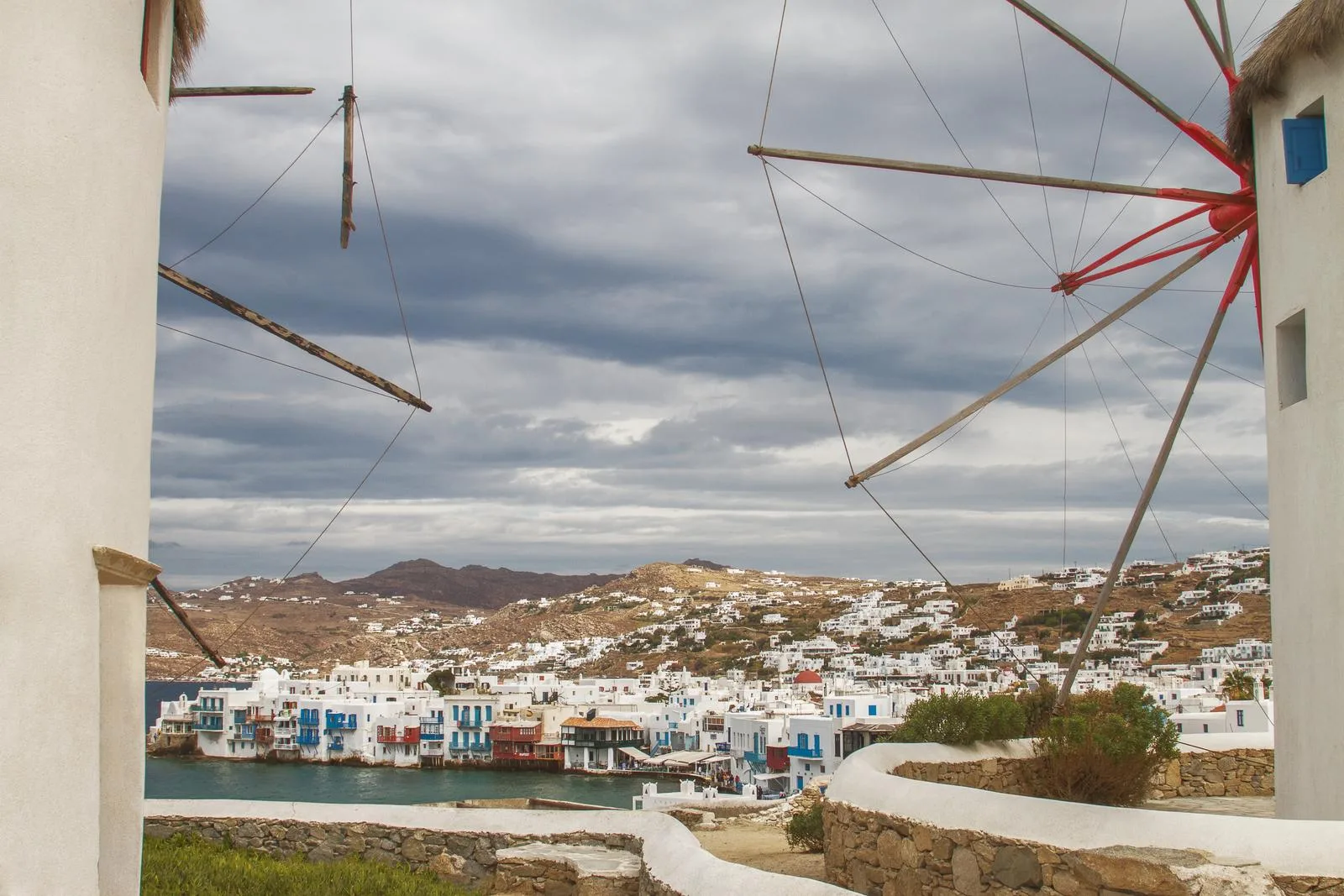
Greece sits on one of the most geologically active stretches of the Mediterranean. The Aegean is shaped by fault lines and volcanic activity, and that heat rises to the surface in the form of mineral-rich springs. For travellers, this means a chance to soak in warm, often sulphurous water while exploring islands and mountain villages. Some springs are developed into proper spa facilities, while others are rough, natural pools by the sea. Here is a practical guide to what you can expect.
Where the Hot Springs Are
Thermal activity is spread across the country, but a few regions stand out. The southern Aegean has the most dramatic examples, because volcanism there is still visible in the landscape. On the mainland, the mountains of northern Greece and the central regions have long-established thermal resorts, where spas grew up around springs that locals have used for generations.
Thermal water is also found in parts of the Peloponnese and in Thessaly, so it pays to look beyond the famous islands. Local tourist offices and spa operators can point you to the springs nearest to your route.

Volcanic Islands and Sea-Side Springs
The most striking hot springs in Greece are found on the volcanic islands of the Santorini group. Nea Kameni, the small volcanic island in the Santorini caldera, has warm, mineral-laden water in several spots, and visitors often combine a boat trip there with a swim in the hot shallows. The sea temperature can change noticeably within a few metres, which is part of the charm, but it also means you should take care when stepping in.
Milos, another volcanic island in the Cyclades, is well known for its geothermal activity. Several sea-side spots along its coast have warm water seeping from the rock, and the island's varied volcanic landscape makes it a rewarding place to explore on foot or by boat. Nisyros, in the Dodecanese, has a dramatic caldera and geothermal features that are among the most intense in the southern Aegean.
Lesvos, in the northern Aegean, also has thermal springs, and the island's relaxed pace makes it a good base for soaking and sightseeing together.
Mainland Thermal Spas
On the mainland, thermal water tends to be developed into spa complexes, with indoor and outdoor pools, treatment rooms and sometimes accommodation. Loutra Edipsou, on the island of Evia, is one of Greece's best-known spa towns, and its warm springs have drawn visitors for a very long time. Loutraki, near Corinth, is another established spa resort, close to the Corinth Canal and easy to reach from Athens.
In northern Greece, the area around Thessaloniki and the wider region of Macedonia has several thermal sites, often set among hills and forests. These are good choices if you want a quieter, more traditional experience rather than a busy beach scene.
What to Expect in the Water
Greek thermal water varies a great deal. Some springs are rich in sulphur, which gives a distinctive smell and is traditionally associated with skin and joint comfort. Others are milder, with a more neutral mineral content. Water temperature can range from pleasantly warm to very hot, so it is wise to test it gradually and to stay hydrated.
Natural pools by the sea are often unmanaged. Expect uneven rock underfoot, occasional sharp stones and no lifeguards. Shoes with a good grip are a sensible idea. At developed spas, the water is usually treated and controlled, and there may be rules about swimwear, showering before entry and how long you can stay in the water.
Etiquette and Safety
- Check locally whether a spring is a managed facility or a natural site, as this affects what you should bring and expect.
- At natural springs, avoid trampling vegetation or moving stones, and take your rubbish with you.
- Do not stay in very hot water for long periods. Get out, cool down and return if you want to.
- If you have heart problems, are pregnant, or have any medical condition, seek advice before bathing in hot mineral water.
- Keep an eye on children, as the water can be hotter than it looks.
- Be cautious of volcanic areas, and follow any warnings or signage from local authorities.
When to Visit
Spring and autumn are the most comfortable seasons for combining a soak with sightseeing, since the weather is warm but not oppressive. Summer is busy on the islands, particularly around the Santorini group and Milos, so arriving early or visiting on weekdays helps. Winter can be a good time for mainland spas, where a hot bath feels especially welcome, though some natural sites may be harder to reach in bad weather.
Practical Tips
- Check locally for current opening arrangements, access routes and any seasonal closures before setting out, as conditions change.
- Bring water shoes, a towel, sunscreen and a plastic bag for wet items.
- Boat trips to volcanic sites can be weather-dependent, so keep a flexible schedule.
- Mainland spa towns are well served by buses and are easy day trips or overnight stops.
- Combine your soak with local food. Fresh seafood, grilled meat and a glass of local wine make a relaxed evening after a warm bath.
Plan your trip to Lesvos
Compare prices with KAYAKYou'll be taken to KAYAK to compare prices. We may earn a commission at no extra cost to you.
Plan your trip to Lesvos
🏨Find hotels on Booking.comBooking.comAffiliate links — we may earn a small commission.
Deals from our travel partners
 Bryan Adams-Athens- Greece Tickets - Olympic Stadium Athens Telekom Center, 2026-12-19Sports Events 365 · from 145 EUR
United Cup Group Stage: Greece vs Hungary Tennis Tickets - Sydney International Tennis Ce…Sports Events 365 · from 104 EUR
United Cup Group Stage: Czech Republic vs Greece Tennis Tickets - Sydney International Te…Sports Events 365 · from 104 EUR
Aris Thessaloniki vs Rostock Tickets - Nick Galis Hall, 2026-12-22Sports Events 365 · from 102 EUR
Affiliate links — we may earn a commission at no extra cost to you.
Related guides
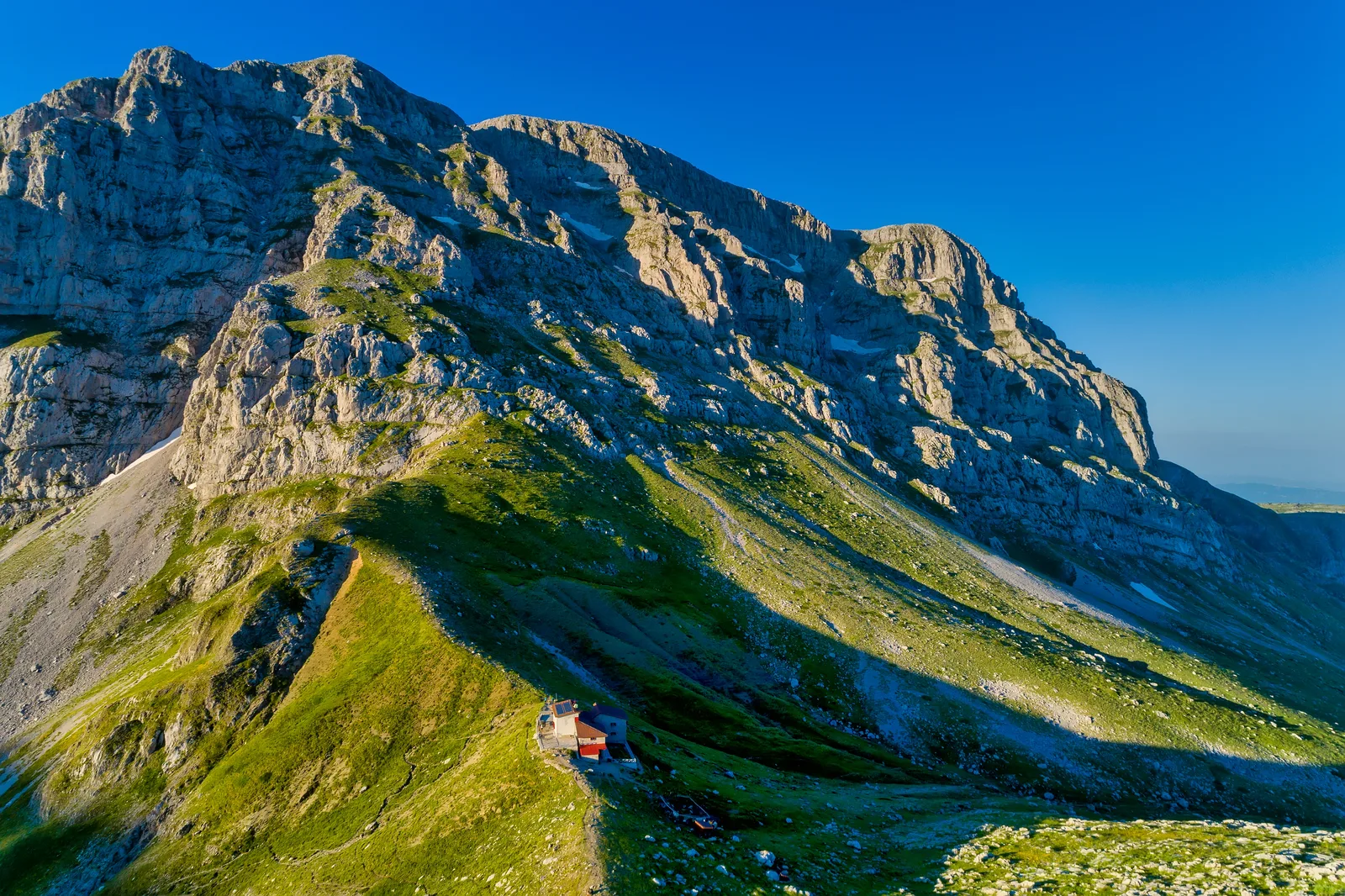
Zagori in 3 Days: The Perfect Itinerary
Three days is enough to see the best of Zagori's stone villages, arched bridges and dramatic gorges in northwest Greece. Here is a practical route that balances walking and sightseeing.
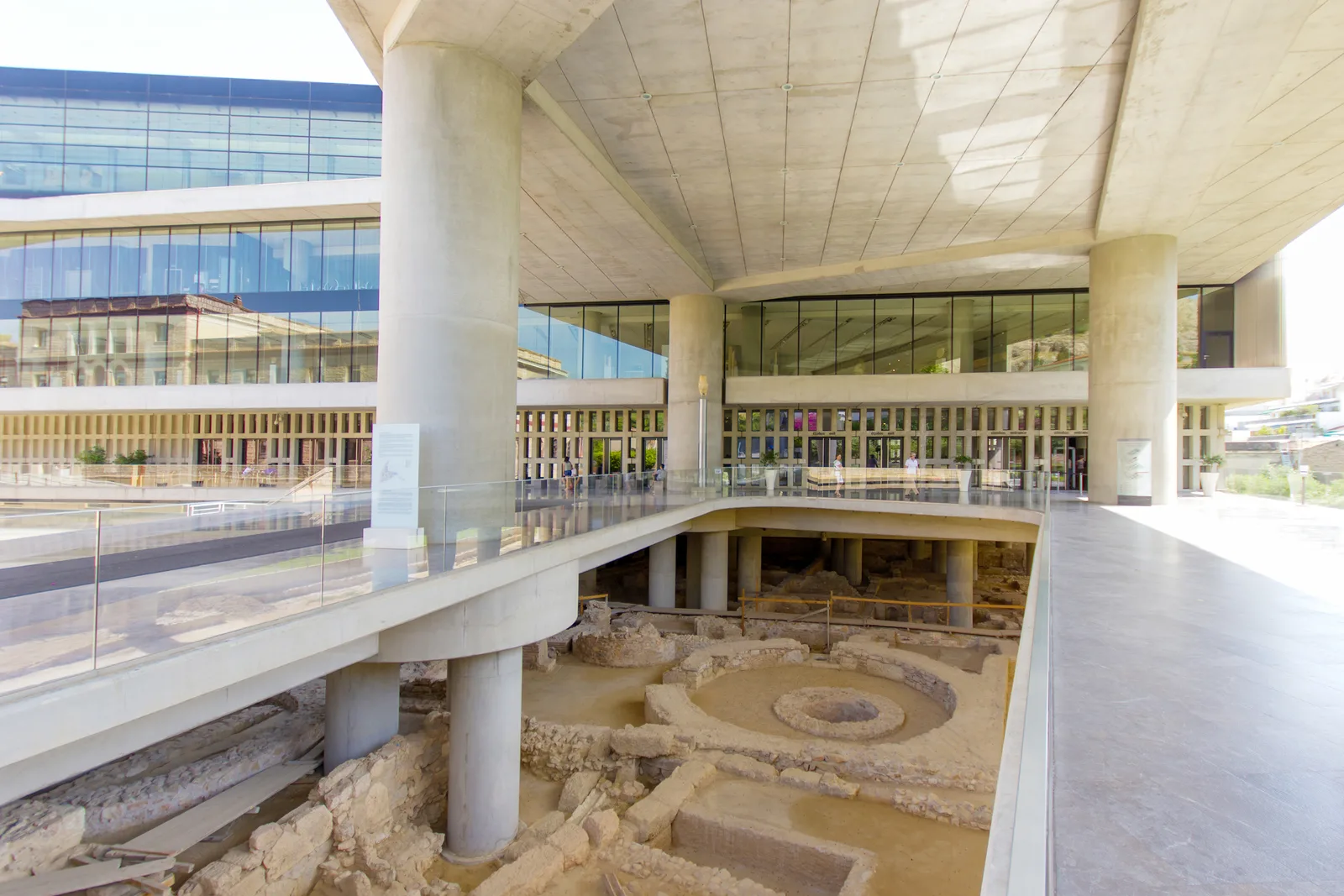
Money, Cards and ATMs in Greece
Greece runs largely on euros and cards, but cash still matters on islands, in tavernas and at smaller shops. Here is how to handle money smoothly.
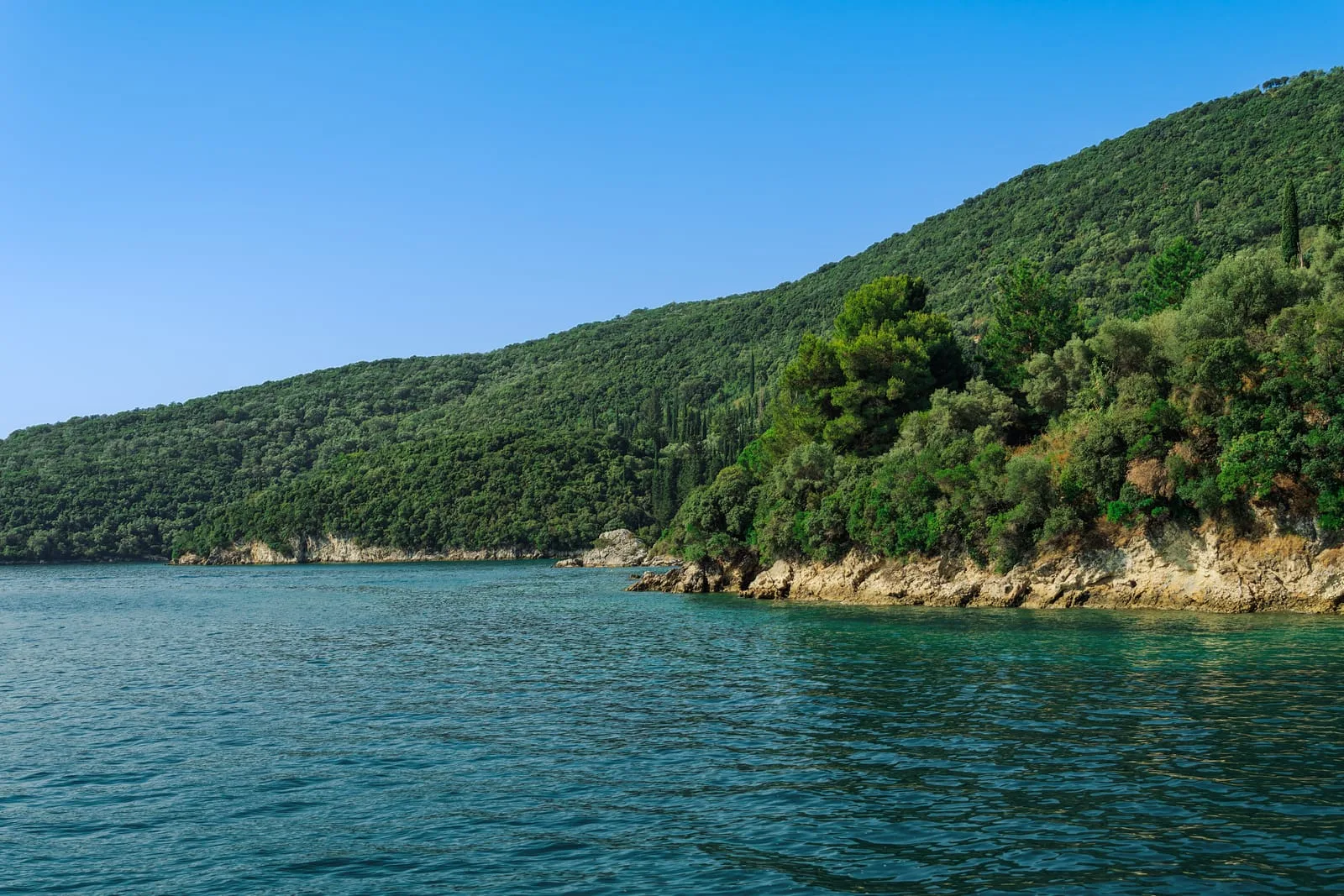
Lefkada in 3 Days: The Perfect Itinerary
Three days is enough to see Lefkada's dramatic west coast beaches, its windsurfing hub, and its boat-trip gateway. Here is a practical route that keeps driving time sensible.
