


How to Get to Athens and Get Around
Athens is easy to reach and compact at its heart. Here is how to get from the airport and ports into the city, and how to move between its sights once you arrive.
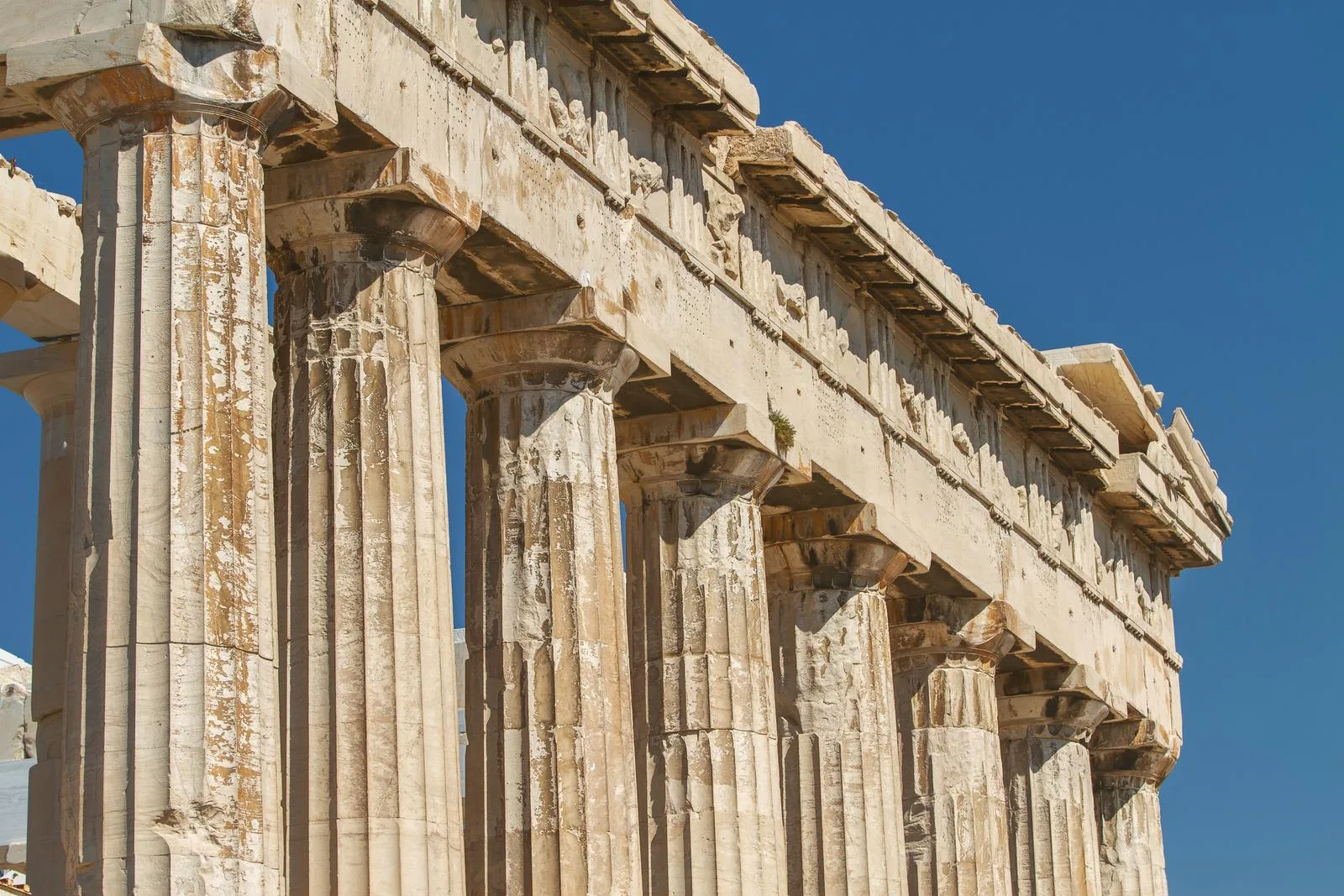
Athens is one of the easiest Greek cities to reach and one of the most rewarding to explore on foot. Its main attractions are concentrated in a relatively small central area, and a modern metro network connects the airport and the main ports. Whether you are arriving by plane, ferry or train, this guide explains the best options and how to get around once you are there.
Arriving by air
Most visitors arrive at Athens International Airport (ATH), located in Spata, about 35 kilometres east of the city centre. It is a modern airport with good connections, and getting into town is straightforward.
- Metro line 3 is the most popular option. It runs from the airport to central stations including Syntagma and Monastiraki, making it a convenient choice if your hotel is in the centre. It is typically the fastest way into the city, though the journey takes around 40 minutes depending on where you are going.
- The suburban railway (the Proastiakos) links the airport with Athens and onward to other destinations. It is a reliable alternative, especially if you are heading to a station on the line.
- Express buses run around the clock, with the X95 serving Syntagma Square. Buses are a good choice if you are staying near the centre or have a lot of luggage, although traffic can add time to the journey.
Taxis and private transfers are also available. They are more comfortable for groups or late-night arrivals, but traffic and the distance mean they cost considerably more than public transport. Check current fares and arrangements locally before you travel.

Arriving by ferry
Athens is the main gateway to the islands. Ferries to the Cyclades, Crete and the Saronic islands mostly leave from Piraeus, the city's major port, which is well connected to the centre. You can reach Piraeus by metro line 1 or line 3, both of which make the trip into the city centre practical and quick.
Some routes, particularly to certain islands in the Saronic Gulf and to parts of Evia, operate from Rafina or Lavrio, both on the east coast of Attica. These ports are reached by bus and are less convenient to reach directly by metro, so check which port your ferry departs from before you travel. Timetables change seasonally, so always check ferry schedules locally and book ahead in summer.
Arriving by train or bus from elsewhere in Greece
Long-distance trains and buses link Athens with the rest of mainland Greece. Services can be less frequent than in many Western European countries, so it is worth planning your connections carefully. Check times and routes locally, as schedules change and some services have been affected by track works in recent years.
Getting around Athens
The best way to explore Athens is a combination of walking and the metro. The city's core is compact, and many of the most famous sights sit close together.
On foot
Much of the historic centre is walkable. Plaka, the old neighbourhood at the foot of the Acropolis, is a maze of narrow lanes, cafés and shops. Monastiraki, just to the west, is lively and full of market stalls and rooftop bars. Walking between them takes only a few minutes. The climb up to the Acropolis is steep, so wear sturdy shoes and allow time for the paths and steps.
Metro
The Athens metro is clean, efficient and the quickest way to cover longer distances. Three lines cover the main areas, and the network is expanding. Useful stations for visitors include Syntagma, Monastiraki, Acropolis and Akropoli (the station names for the Acropolis area), and Thissio, which is a pleasant starting point for a walk through the Ancient Agora. Tickets are bought from machines or staff and are valid across the network for a set time, so check the current rules for validation before you ride.
Buses, trams and trolleys
Buses cover areas the metro does not reach, and the tram runs along the coast towards Piraeus and the seafront suburbs. The same tickets generally work across the public transport network, so one purchase can cover several modes. Check the current system locally.
Taxis and ride-hailing
Yellow taxis are plentiful in central Athens and are useful late at night or when carrying luggage. Make sure the meter is running, or agree on a fare in advance. Ride-hailing apps are also available. Be aware that central streets can be congested at peak times.
Day trips from Athens
Athens makes an excellent base for day trips. The most popular is the drive or bus to Cape Sounion, where the Temple of Poseidon stands on a clifftop above the sea. It is especially striking at sunset. Local buses and organised tours both make the trip, so compare options and check timings before you set out.
Practical tips
- Visit the Acropolis at opening time to beat the heat and the crowds, and to enjoy the site in softer light.
- Wear comfortable shoes. Many paths are uneven and the Acropolis involves a lot of walking and stairs.
- Carry water and sun protection, especially in summer.
- Buy metro and bus tickets before boarding and keep them until you exit.
- Plan ferry connections from Piraeus, Rafina or Lavrio in advance, and book popular routes early in summer.
- Check opening hours, transport timetables and fares locally, as they change and vary by season.
Plan your trip to Athens
Compare prices with KAYAKYou'll be taken to KAYAK to compare prices. We may earn a commission at no extra cost to you.
Plan your trip to Athens
🏨Find hotels on Booking.comBooking.comAffiliate links — we may earn a small commission.
Deals from our travel partners
 Bryan Adams-Athens- Greece Tickets - Olympic Stadium Athens Telekom Center, 2026-12-19Sports Events 365 · from 145 EUR
 Flights from Athens to LjubljanaAir Serbia · from 402 EUR
Panathinaikos Athens vs Bayern Munich Tickets - Olympic Stadium Athens Telekom Center, 20…Sports Events 365 · from 271 EUR
Panathinaikos Athens vs Zalgiris Kaunas Tickets - Olympic Stadium Athens Telekom Center, …Sports Events 365 · from 271 EUR
Affiliate links — we may earn a commission at no extra cost to you.
Related guides

Delphi in 3 Days: The Perfect Itinerary
Three days in Delphi lets you explore the ancient oracle site at a relaxed pace, see its world-class museum, and take in the mountain views around Arachova and Mount Parnassus.

Accessible Travel in Greece
Greece is becoming more accessible for travellers with mobility challenges. This guide covers wheelchair-friendly sites, beaches, transport, and accommodation across the mainland and islands.

How Much Does a Trip to Greece Cost? A Practical Budget Guide
Greece can suit almost any budget, from backpacking island hops to luxury villa stays. Here is how to plan your spending, and where your money goes furthest.
