


Kalamata Olives and Olive Oil: A Taster's Guide
Kalamata is synonymous with the finest Greek olives and olive oil. This guide explores the history, production, and culinary traditions of this iconic region.
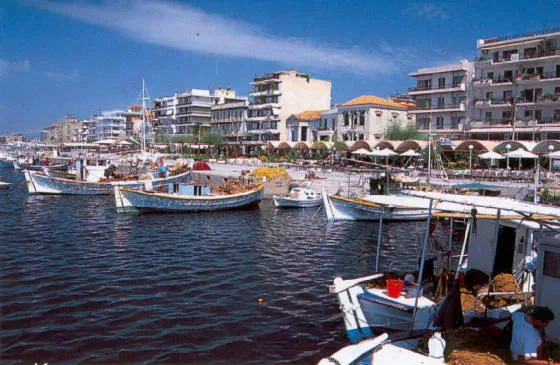
The Heart of Messinian Gastronomy
Kalamata, situated on the sun-drenched shores of the Messinian Gulf, is far more than just a coastal city. It is the global epicenter for two of the most celebrated products in the Greek culinary repertoire: the Kalamata olive and the Koroneiki olive oil. The unique microclimate of the Peloponnese, characterized by mild winters and long, dry summers, creates the perfect conditions for these trees to thrive, resulting in a flavor profile that is distinct, robust, and deeply tied to the land.
The Kalamata Olive: A Culinary Icon
The Kalamata olive is easily recognized by its almond shape, deep purple-to-black color, and firm, meaty texture. These are not merely table olives; they are a staple of the Mediterranean diet. Traditionally, they are harvested by hand to prevent bruising, a practice that ensures the integrity of the fruit. Once harvested, they are often slit to allow the brine to penetrate the flesh during the curing process. Curing is typically done in a mixture of brine and red wine vinegar, which imparts the signature tangy, fruity, and slightly acidic notes that distinguish them from other varieties.
Liquid Gold: The Koroneiki Oil
While the table olive is famous, the true pride of the region is the Koroneiki olive oil. Often referred to as 'liquid gold,' this oil is derived from the small, hardy Koroneiki olive. Despite their small size, these olives yield a high-quality oil known for its high polyphenol content and intense, peppery finish. The oil is typically harvested early in the season to produce 'agoureleo,' or early-harvest oil, which is vibrant green in color and exceptionally aromatic, with notes of freshly cut grass and green tomato. As the season progresses, the oil becomes more golden and mellow, yet it retains a complexity that elevates even the simplest dishes.

How to Enjoy Like a Local
In Kalamata, olive oil is not merely a cooking ingredient; it is a fundamental component of every meal. Locals rarely use heavy sauces, preferring to let the high-quality oil shine. You will find it drizzled generously over 'horiatiki' (Greek salad), poured over boiled wild greens known as 'horta,' and used as the base for almost every vegetable-based stew. For a true local experience, order a slice of crusty bread dipped in extra virgin olive oil, sprinkled with a touch of dried oregano and a pinch of sea salt. This simple pairing highlights the nuances of the oil better than any complex recipe.
Regional Varieties and Culinary Traditions
Beyond the classic olives and oil, the region celebrates its harvest through various preserved goods. You will often find olives stuffed with almonds, garlic, or red peppers, adding layers of texture and flavor. In local markets, look for tapenades made from crushed Kalamata olives, capers, and herbs, which are served as a 'meze' alongside a glass of local wine or ouzo. The focus in Kalamata is always on seasonality; when the harvest begins in late autumn, the city comes alive with the activity of pressing, and restaurants prioritize dishes that utilize the freshest possible pressings.
Practical Tips
- Visit local agricultural cooperatives or farmers' markets to purchase oil directly from producers; check locally for the best market days in the city center.
- When tasting olive oil, look for the 'Protected Designation of Origin' (PDO) label, which guarantees the product comes from the Messinia region.
- Store your olive oil in a cool, dark place away from direct sunlight to preserve its antioxidants and flavor profile.
- Ask for 'agoureleo' if you are visiting during the early harvest season; it is a seasonal delicacy that is highly prized by locals.
- Useful vocabulary: 'Elia' (olive), 'Elaiolado' (olive oil), 'Agoureleo' (early-harvest olive oil), 'Meze' (small plates/appetizers), 'Horta' (boiled wild greens).
- Kalamata is also an excellent base for exploring the nearby archaeological site of Ancient Messene, where you can see how ancient civilizations integrated agriculture into their daily lives.
Plan your trip to Kalamata
Compare prices with KAYAKYou'll be taken to KAYAK to compare prices. We may earn a commission at no extra cost to you.
Plan your trip to Kalamata
🏨Find hotels on Booking.comBooking.comAffiliate links — we may earn a small commission.
Deals from our travel partners
 Aris Thessaloniki vs Rostock Tickets - Nick Galis Hall, 2026-12-22Sports Events 365 · from 102 EUR
PAOK Thessaloniki vs Balkan Botevgrad Tickets - PAOK Arena, 2027-01-13Sports Events 365 · from 102 EUR
Olympiacos Pireus vs Paris Basketball Tickets - Peace & Friendship Stadium, 2027-01-15Sports Events 365 · from 130 EUR
Olympiacos Pireus vs Panathinaikos Athens Tickets - Peace & Friendship Stadium, 2027-02-12Sports Events 365 · from 180 EUR
Aris Thessaloniki vs Rostock Tickets - Nick Galis Hall, 2026-12-22Sports Events 365 · from 102 EUR
PAOK Thessaloniki vs Balkan Botevgrad Tickets - PAOK Arena, 2027-01-13Sports Events 365 · from 102 EUR
Olympiacos Pireus vs Paris Basketball Tickets - Peace & Friendship Stadium, 2027-01-15Sports Events 365 · from 130 EUR
Olympiacos Pireus vs Panathinaikos Athens Tickets - Peace & Friendship Stadium, 2027-02-12Sports Events 365 · from 180 EUR
Affiliate links — we may earn a commission at no extra cost to you.
Related guides
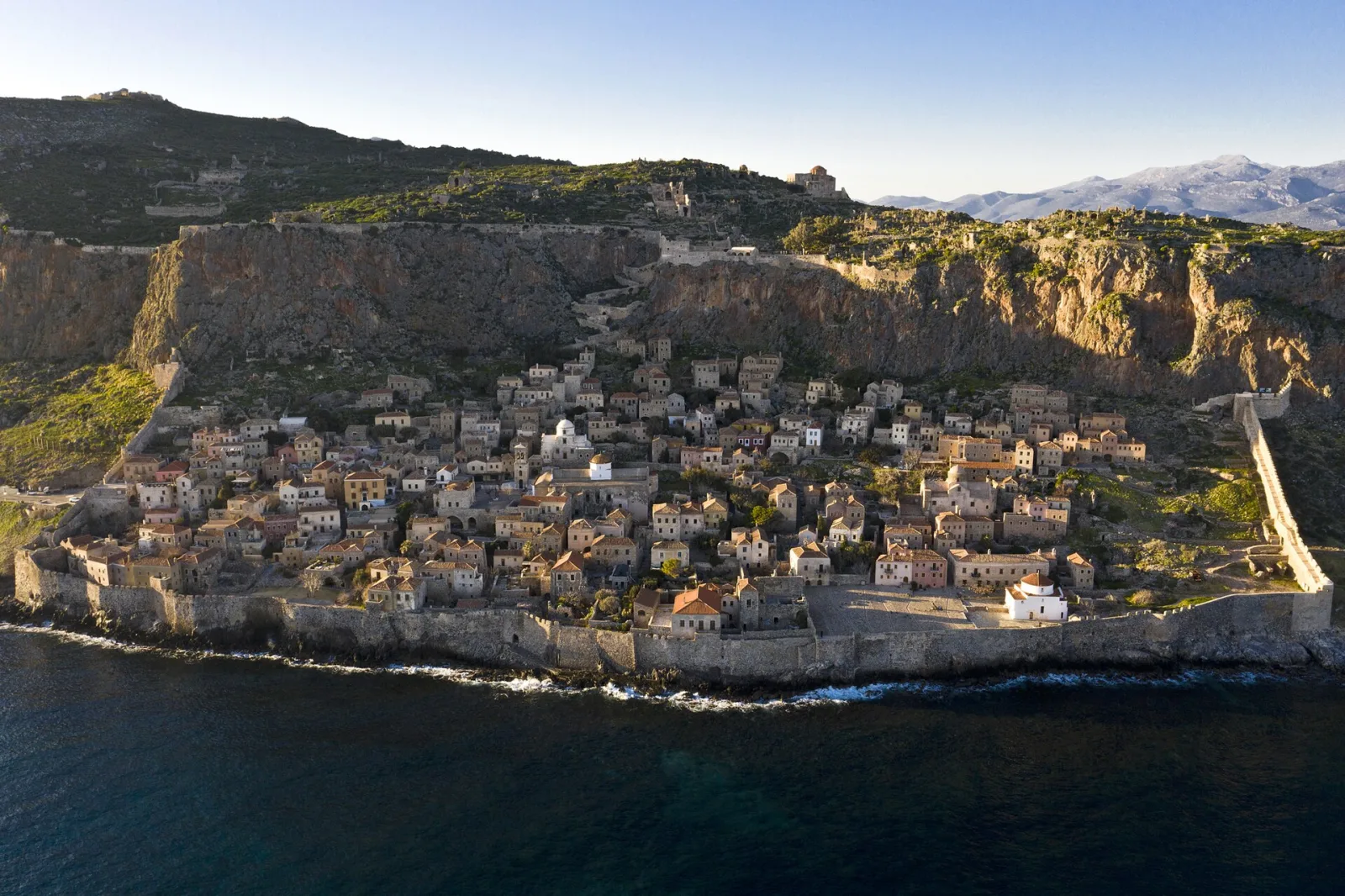
Top Things to Do in Monemvasia
Perched on a great rock off the Peloponnese coast, Monemvasia is a car-free medieval town of stone lanes, Byzantine churches and sea views. Here is how to make the most of it.
Top Things to Do in Kalamata
Kalamata is a relaxed seaside city famous for its olives, with a charming old town, a hilltop castle and a long sandy beach. It also makes an ideal base for exploring Messinia and the Mani.
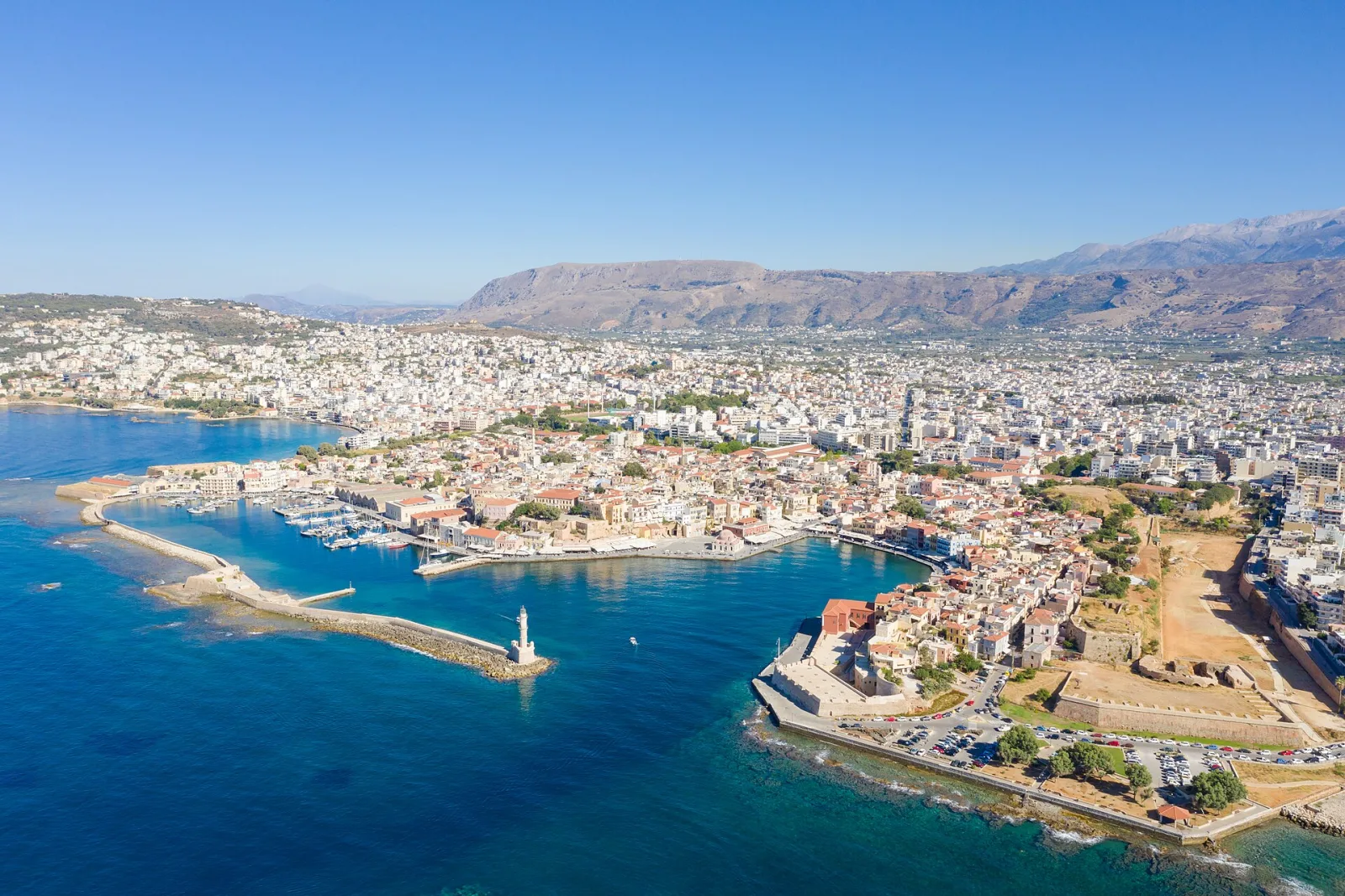
Olive Harvest Experiences in Greece
The Greek olive harvest is a time-honored tradition that defines the rhythm of rural life. Participating in the collection offers a profound connection to the land and its ancient agricultural heritage.
