


Kallikantzaroi: The Mischievous Goblins of Greek Christmas Folklore
During the twelve days of Christmas, Greek folklore comes alive with the Kallikantzaroi, mischievous goblins said to emerge from the underworld to cause chaos in households.
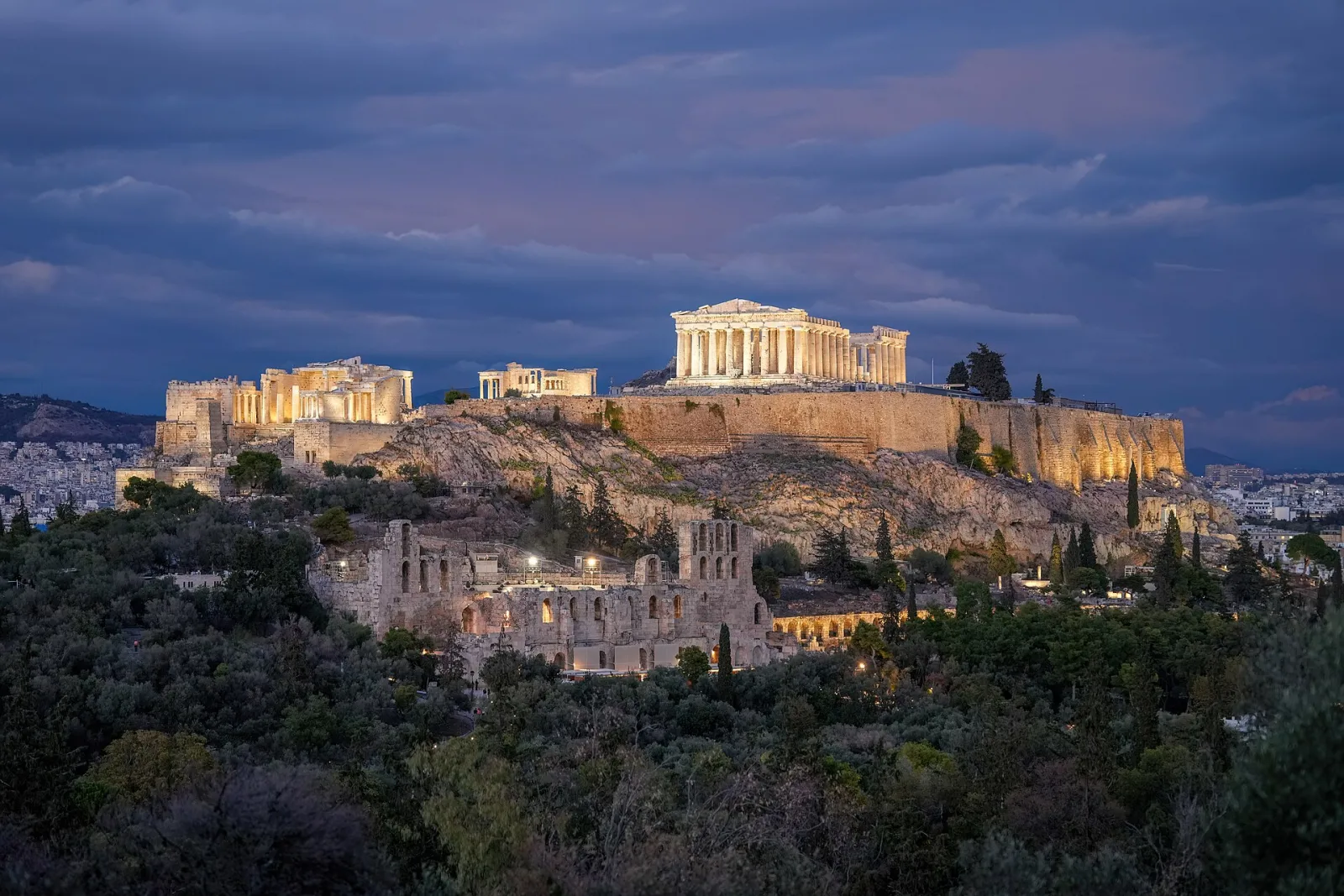
The Legend of the Twelve Days
As the winter solstice approaches and the nights grow long, Greek folklore turns its attention to a peculiar set of creatures known as the Kallikantzaroi. These goblins are a staple of Greek Christmas traditions, said to emerge from the depths of the earth during the Twelve Days of Christmas—the period spanning from Christmas Day until the feast of Epiphany on January 6th. According to popular belief, these creatures spend the rest of the year deep underground, frantically sawing away at the massive 'World Tree' that supports the earth. They intend to bring the tree down, but just as they are about to finish their task, the sun returns at Christmas, forcing them to abandon their work and ascend to the surface to cause mischief among humans.
The Nature of the Kallikantzaroi
The Kallikantzaroi are rarely depicted as purely evil, but rather as chaotic, dim-witted, and incredibly annoying. They are said to be black, hairy, and often possess animalistic features like hooves, tails, or long, crooked noses. Their primary goal is to disrupt the festive preparations of households. They might sour the milk, tangle the yarn, extinguish the hearth fires, or simply make a mess of the kitchen. They are particularly drawn to dark, damp corners and are said to be unable to count beyond the number two, as saying 'three' is considered a holy, protective utterance that sends them fleeing.
Traditions to Keep the Goblins at Bay
Greek households have long employed various methods to protect themselves from these subterranean visitors. The most common defense is the maintenance of a constant fire in the hearth. The Kallikantzaroi, being creatures of the underworld, are terrified of fire and will avoid any home where the embers are kept glowing throughout the holiday season. In some regions, people would hang a piece of cured pork or a colander by the chimney. The legend suggests that because the goblins have such poor counting skills, they will spend all night trying to count the holes in the colander, forgetting their intention to enter the house until the sun rises and they must retreat.

Another common practice involved sprinkling holy water or marking the doorframes with a cross, particularly on the eve of Epiphany. The ringing of church bells also plays a significant role in the folklore, as the sound is believed to drive the creatures back into the earth, where they discover that the World Tree has magically healed itself during their absence, forcing them to begin their sawing all over again.
Celebrating the Season in Greece
While the stories of the Kallikantzaroi add a layer of mystical charm to the winter months, the festive season in Greece is defined by warmth, communal spirit, and traditional culinary delights. From late November through early January, cities like Athens and Thessaloniki transform with elaborate light displays, Christmas markets, and open-air concerts. The scent of melomakarona—honey-soaked walnut cookies—and kourabiedes—almond shortbread dusted in powdered sugar—fills the air in every neighborhood bakery.
In many coastal towns and islands, you will see the traditional 'karavaki' or Christmas boat decorated with lights, a maritime tradition that predates the introduction of the Christmas tree. Whether you are wandering through the historic streets of the Plaka in Athens or enjoying the quiet, crisp air of a mountain village in the Peloponnese, the atmosphere is one of celebration and reflection. For those planning a trip for the 2026-2027 season, it is advisable to check local municipal announcements in the autumn, as each region hosts unique carolling events, known as 'kalanta', and local festivities that define the holiday experience.
Practical Tips for Winter Travellers
- Check locally: Always verify the specific dates and schedules for municipal Christmas events, as these are typically released by local authorities in late autumn.
- Dress in layers: Greek winters can be unpredictable, with sunny days followed by chilly evenings, especially in northern regions or mountainous areas.
- Embrace the local sweets: Visit traditional bakeries to sample seasonal treats like melomakarona and kourabiedes; they are essential to the Greek Christmas experience.
- Respect local customs: If you are visiting during the Twelve Days, you may hear children singing the 'kalanta' carols; it is customary to offer a small tip or a treat in return.
- Plan for closures: Many museums and archaeological sites operate on reduced holiday hours, so check locally before heading out to major landmarks.
Plan your trip to Athens
Compare prices with KAYAKYou'll be taken to KAYAK to compare prices. We may earn a commission at no extra cost to you.
Plan your trip to Athens
🏨Find hotels on Booking.comBooking.comAffiliate links — we may earn a small commission.
Deals from our travel partners
 Panathinaikos Athens vs Armani Olimpia Milano Tickets - Olympic Stadium Athens Telekom Ce…Sports Events 365 · from 271 EUR
Panathinaikos Athens vs FC Barcelona Lassa Tickets - Olympic Stadium Athens Telekom Cente…Sports Events 365 · from 326 EUR
Panathinaikos Athens vs Kirolbet Baskonia Vitoria Tickets - Olympic Stadium Athens Teleko…Sports Events 365 · from 271 EUR
Panathinaikos Athens vs Fenerbahce SK Beko Tickets - Olympic Stadium Athens Telekom Cente…Sports Events 365 · from 312 EUR
Panathinaikos Athens vs Armani Olimpia Milano Tickets - Olympic Stadium Athens Telekom Ce…Sports Events 365 · from 271 EUR
Panathinaikos Athens vs FC Barcelona Lassa Tickets - Olympic Stadium Athens Telekom Cente…Sports Events 365 · from 326 EUR
Panathinaikos Athens vs Kirolbet Baskonia Vitoria Tickets - Olympic Stadium Athens Teleko…Sports Events 365 · from 271 EUR
Panathinaikos Athens vs Fenerbahce SK Beko Tickets - Olympic Stadium Athens Telekom Cente…Sports Events 365 · from 312 EUR
Affiliate links — we may earn a commission at no extra cost to you.
Related guides
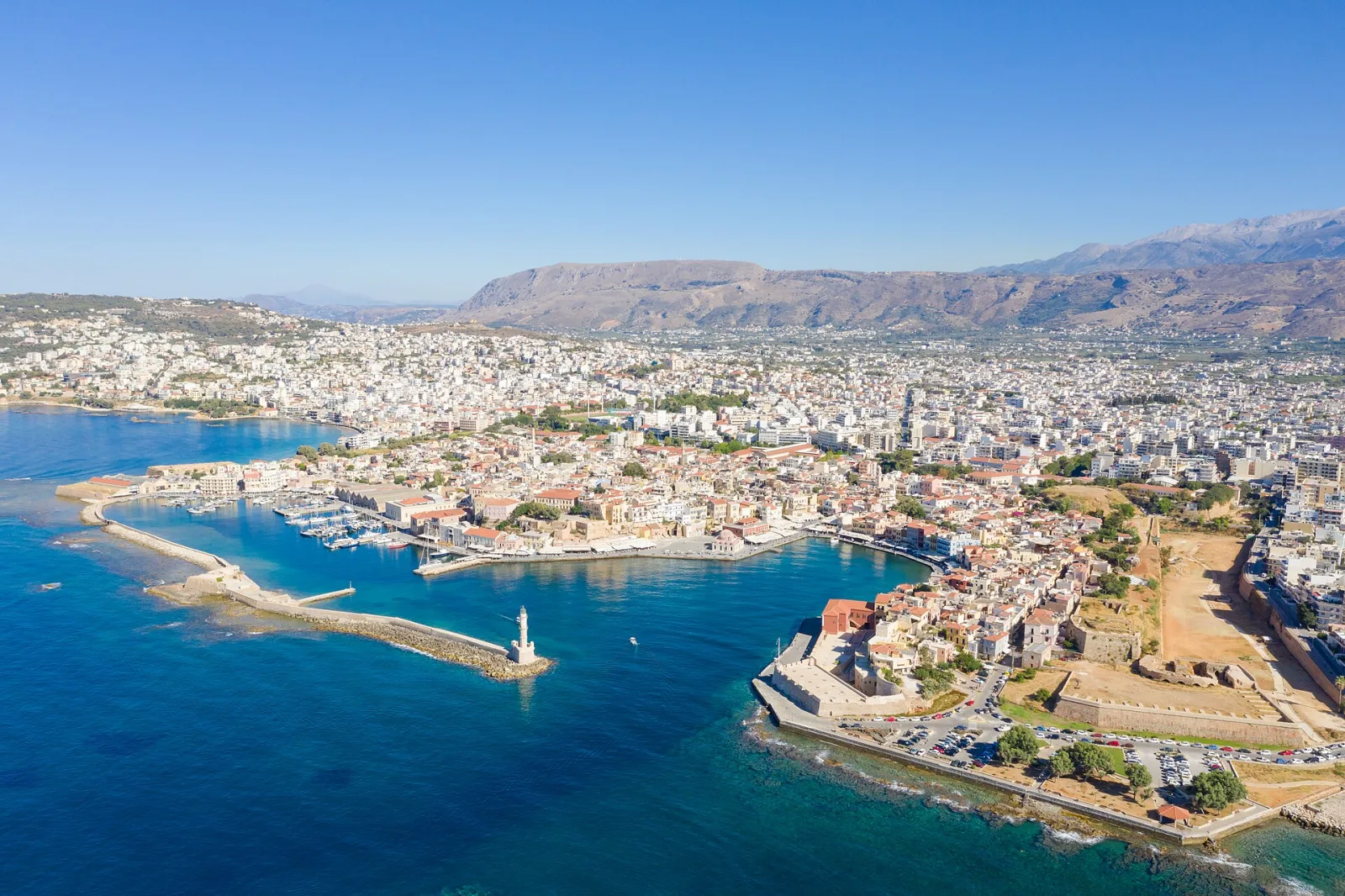
What to Eat in Chania: A Local Food Guide
Chania offers a rich culinary landscape defined by fresh Cretan ingredients, ancient olive oil traditions, and vibrant local markets. This guide explores the must-try dishes that define the region's unique gastronomy.

The Best Beaches in and Around Pelion
Pelion offers a unique blend of mountain greenery and coastal beauty. Discover the best beaches along its dramatic Aegean coastline and serene Pagasetic shores.
Feta Cheese Explained: PDO Rules, Types and How Greeks Eat It
Feta is the soul of Greek cuisine. This guide explores the strict PDO regulations, regional nuances, and the traditional ways to serve this iconic sheep and goat milk cheese.
