


Meteora in 3 Days: The Perfect Itinerary
Giant sandstone pillars, Byzantine monasteries and some of Greece's best sunsets make Meteora a destination worth three full days. Here is how to spend them well.
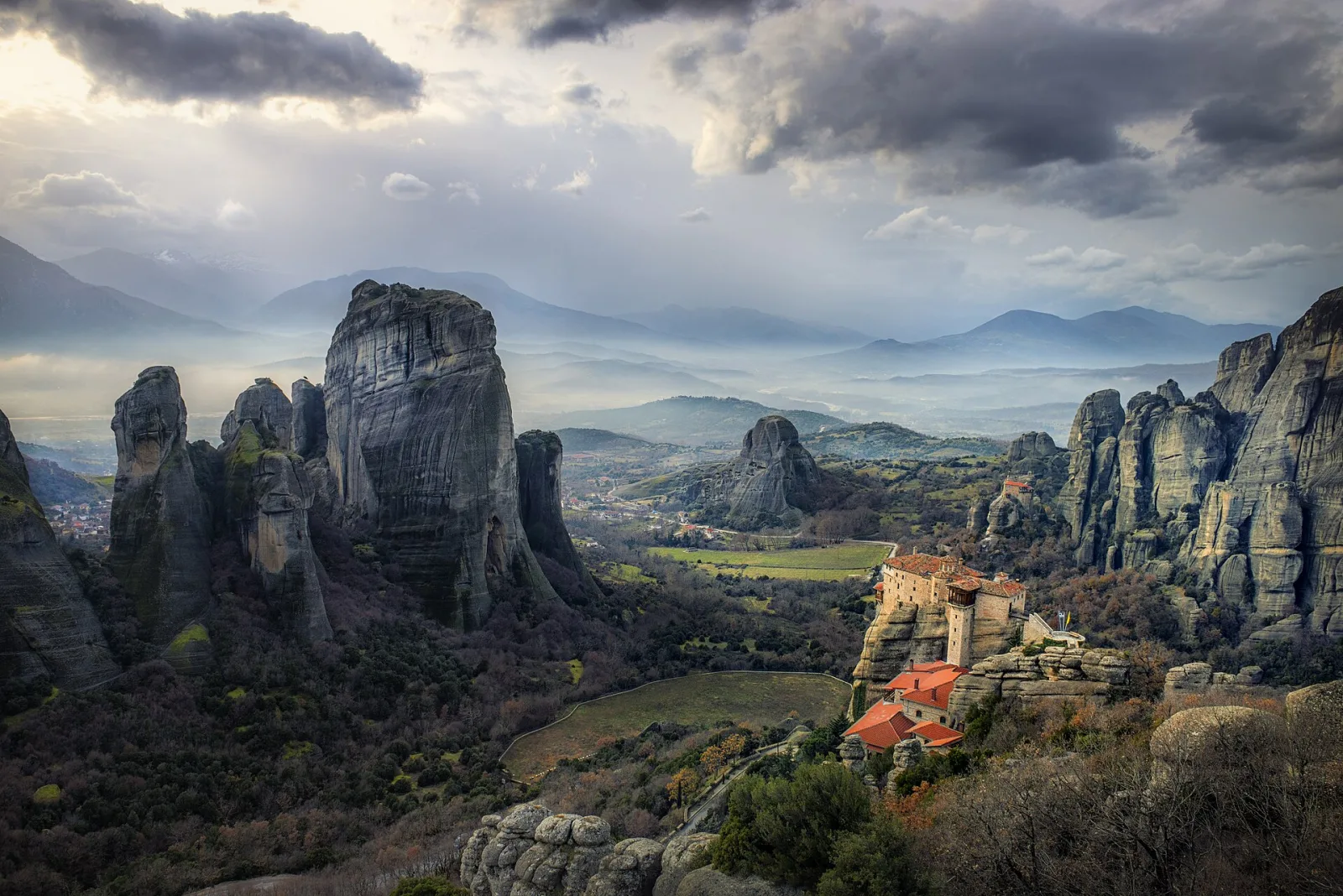
Few places in Greece look quite like Meteora. Rising abruptly from the flat plain of Thessaly, enormous sandstone pillars carry monasteries perched on their summits, some of them built centuries ago when the only way up was by rope, ladder and faith. It is a UNESCO World Heritage Site, and it rewards a slower pace. Three days gives you time to see the monasteries without rushing, to walk among the rocks, and to catch both sunrise and sunset without feeling exhausted.
Getting to Meteora
Most visitors base themselves in Kalambaka, the town at the foot of the rocks, or in the smaller village of Kastraki, which sits closer to the formations and is quieter. The train from Athens is a comfortable option, though it involves a change at Palaiofarsalos and takes roughly four to five hours in total. By car, the journey from Athens is around four hours, and from Thessaloniki it is about two and a half to three hours. Timetables change, so check locally before you travel. If you are driving, note that the roads through the plain are straightforward, and parking in Kastraki is easier than in busy Kalambaka during peak season.
Day One: The Monasteries
Start early. The monasteries are the heart of the experience, and they are at their most atmospheric before the tour groups arrive. There are six active monasteries open to visitors, including the Great Meteoron, the largest and most historic, and Varlaam, which is reached by a bridge and has a particularly striking setting. Each monastery has its own dress code, typically requiring covered shoulders and knees, and a few sections of the complexes can be closed on certain days, so check the current arrangements locally.

Plan to visit three or four monasteries in the day, leaving time between them to simply stand and look. Inside, you will find frescoes, carved wooden iconostases, manuscripts and a sense of continuity that is rare even in Greece. Be respectful during services and keep your voice low. Many monasteries have small shops and cafes selling local products, and the views from their terraces are worth the climb alone.
In the afternoon, take a break in Kastraki. The village has tavernas where you can order grilled meats, fresh salads and local wine while looking up at the rocks.
Day Two: Walking Among the Rocks
The second day is for walking. The trails that link Kastraki with the monasteries are among the best ways to appreciate the scale of the landscape. The paths climb through pine and scrub, past stone steps cut into the rock, and give you changing perspectives on the formations at every turn. Wear proper walking shoes, as some sections are uneven and can be slippery after rain. Carry water, especially in summer, when the sun on the sandstone is intense.
For a gentler morning, follow a shorter loop that takes in one or two monasteries and returns to the village. For a fuller day, combine several trails and allow for plenty of rest. Early morning is the best time to walk, both for temperature and for the quiet light. Keep an eye out for rock climbers on the faces; Meteora is one of the most popular climbing destinations in Greece, with routes for experienced climbers. Watching them is a memorable part of the day, but do not attempt to climb unless you are trained and properly equipped.
In the evening, head to one of the viewpoints for sunset. The light turning the pillars orange and then deep red is one of the highlights of any trip to Greece.
Day Three: Sunrise, Villages and Departure
Set your alarm for sunrise. Several viewpoints near Kastraki and Kalambaka offer clear views across the plain as the first light hits the rocks. Mist often hangs over the valley in the early hours, which adds to the drama. It is a short climb and well worth the effort.
After breakfast, use your final morning to explore Kalambaka at a relaxed pace. The town has a lively central area, cafes and shops, and it is a good place to pick up local honey, herbs or other food products. If you have time before leaving, consider visiting one of the monasteries you have not yet seen, or simply return to a favourite viewpoint for one last look.
Practical Tips
- Book accommodation early for spring and summer, especially in Kastraki, where choice is more limited.
- Dress modestly for monastery visits, with covered shoulders and knees, and carry a light layer or wrap.
- Check opening hours and any closure days locally before you set out, as these can change.
- Wear sturdy shoes for the trails and bring water and sun protection.
- Visit the monasteries early in the day to avoid the largest crowds.
- If travelling by train, confirm the connection at Palaiofarsalos and allow a buffer for delays.
- Winter can be cold and some services run reduced hours, but the landscape is often dramatic with snow on the rocks.
Plan your trip to Athens
Compare prices with KAYAKYou'll be taken to KAYAK to compare prices. We may earn a commission at no extra cost to you.
Plan your trip to Athens
🏨Find hotels on Booking.comBooking.comAffiliate links — we may earn a small commission.
Deals from our travel partners
 Flights from Athens to TivatAir Serbia · from 440 EUR
 Flights from Athens to ZurichAir Serbia · from 415 EUR
 Flights from Athens to BarcelonaAir Serbia · from 192 EUR
 Flights from Athens to BelgradeAir Serbia · from 594 EUR
Affiliate links — we may earn a commission at no extra cost to you.
Related guides
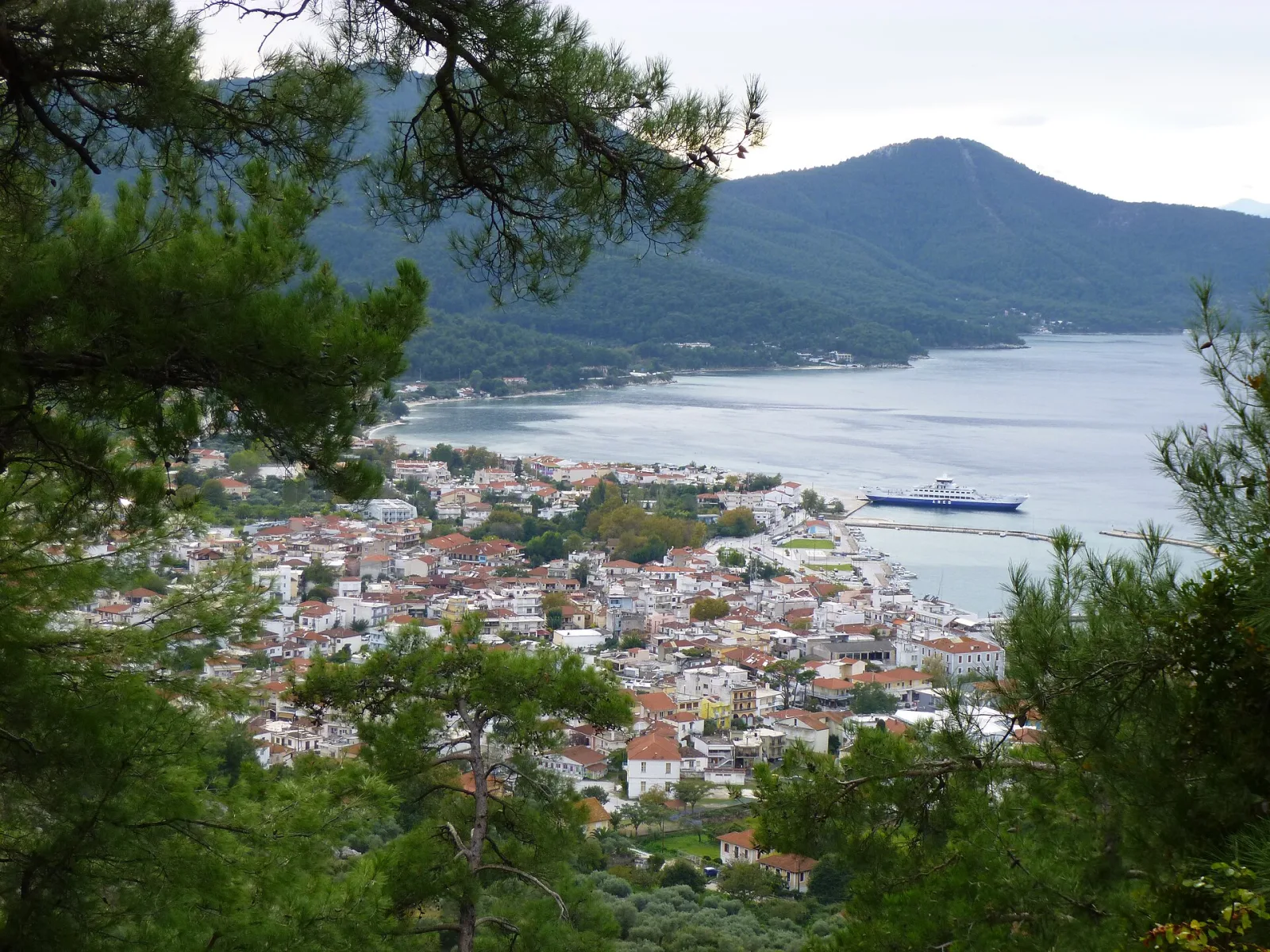
Top Things to Do in Thassos
Thassos is a pine-covered island ringed by beaches, with marble coves, natural pools, ancient ruins and mountain villages all within easy reach of each other.
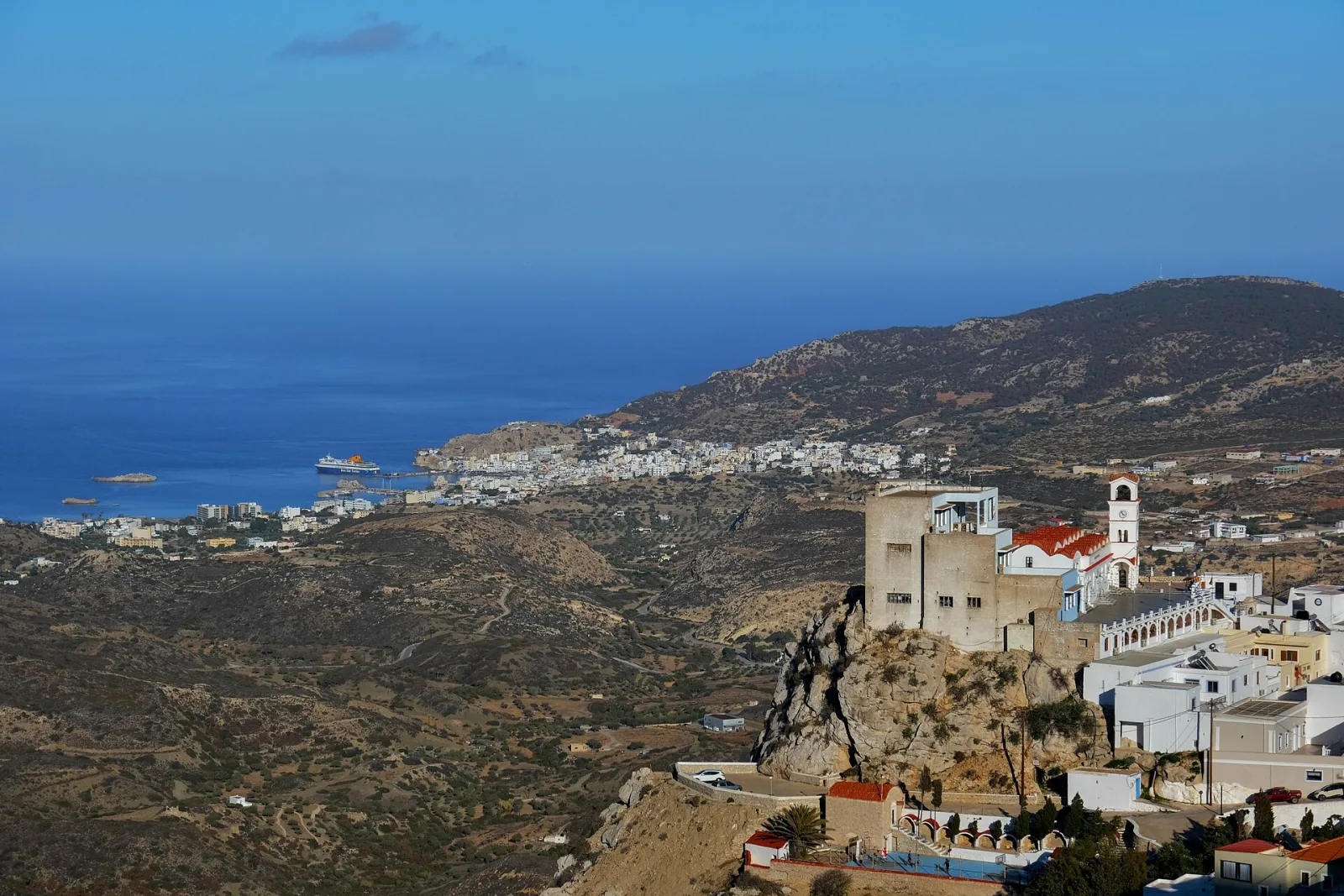
Top Things to Do in Karpathos
Rugged, unhurried and full of character, Karpathos rewards travellers who venture beyond the port. Here are the experiences worth planning your days around.
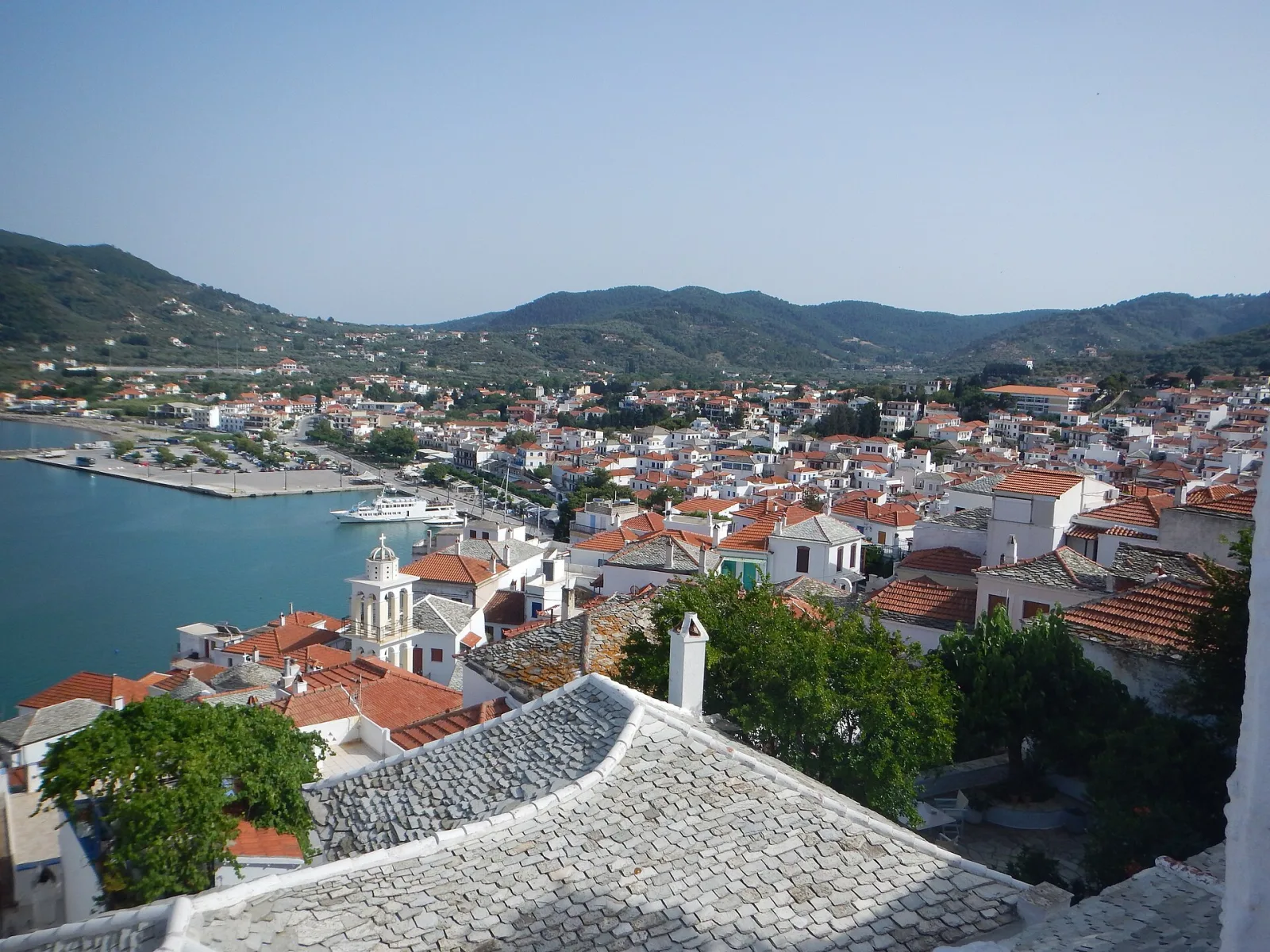
Top Things to Do in Skopelos
Green, relaxed and full of plum orchards, Skopelos rewards slow travel. Here are the sights, beaches and local flavours worth building your days around.
