


New Year in Greece: Vasilopita, the Lucky Coin and Other Customs
Celebrating New Year in Greece is a deep dive into centuries-old customs that focus on luck, family, and the promise of a prosperous year ahead.
The Spirit of the Greek New Year
New Year’s Eve, known in Greece as Paramoni Prochronias, is a time of immense cultural significance. Unlike the gift-heavy focus of Christmas, the transition from December 31st to January 1st is centered on the arrival of Agios Vasilis, the Greek equivalent of Saint Nicholas or Santa Claus. Festivities typically span from late November through early January, with the peak of the action occurring on the final night of the year. Visitors traveling to Greece for the 2026-2027 season should check local municipal programmes in autumn, as city-wide celebrations in places like Athens and Thessaloniki often feature large-scale concerts, light shows, and communal gatherings in central squares.
The Vasilopita: A Tradition of Luck
The most iconic element of the Greek New Year is the Vasilopita, a special cake or sweet bread baked in honor of Saint Basil. The preparation of this cake is a ritual in itself, but the excitement truly begins at the stroke of midnight or during the New Year's Day family lunch. A single coin, known as the flouri, is hidden within the dough before baking.
When the time comes to cut the cake, the head of the household performs a symbolic sequence. The first slice is dedicated to Christ, the second to the Virgin Mary, and the third to the house itself. Subsequent slices are cut for family members, guests, and even for those who are absent or for the poor. The person who finds the coin in their slice is considered to be the lucky individual for the coming year, often receiving a small gift or a blessing of good fortune. While recipes vary by region—ranging from buttery cakes in the cities to spiced, yeasted breads in rural areas—the sentiment remains identical across the country.

Podariko: The First Foot
The concept of 'luck' permeates every aspect of the Greek New Year. One of the most important customs is 'podariko', which translates to 'first-footing'. It is widely believed that the first person to enter a home after the clock strikes midnight will dictate the luck of the household for the entire year. Families often choose a person considered to be 'lucky' or a young child to be the first to cross the threshold. In some areas, the guest enters with their right foot first, often carrying a pomegranate or a stone to symbolize prosperity and sturdiness. If the first visitor is a person of good character, it is believed that the year will be filled with joy and health.
Pomegranate Smashing
In many regions of Greece, the pomegranate is a symbol of fertility, abundance, and regeneration. On New Year’s Day, it is customary to hang a pomegranate above the main entrance of the house for a period leading up to the holiday. Once the New Year arrives, or sometimes immediately after the church service on January 1st, the pomegranate is smashed against the door or the ground. The more seeds that scatter across the threshold, the more luck, wealth, and happiness the household is expected to enjoy in the coming months. It is a vibrant, noisy, and highly visual tradition that marks the definitive start of the year.
Games of Chance and Social Gatherings
New Year’s Eve in Greece is rarely a quiet affair. It is common for families and friends to gather for elaborate dinners that last well into the early hours of the morning. A long-standing tradition during these gatherings is the playing of card games or board games. This is not merely for entertainment; it is often viewed as a way to test one's luck for the year ahead. In many homes, the atmosphere is electric, filled with laughter and friendly competition, as people try their hand at games of chance to see if they are 'in favor' with fortune.
Fireworks and Public Celebrations
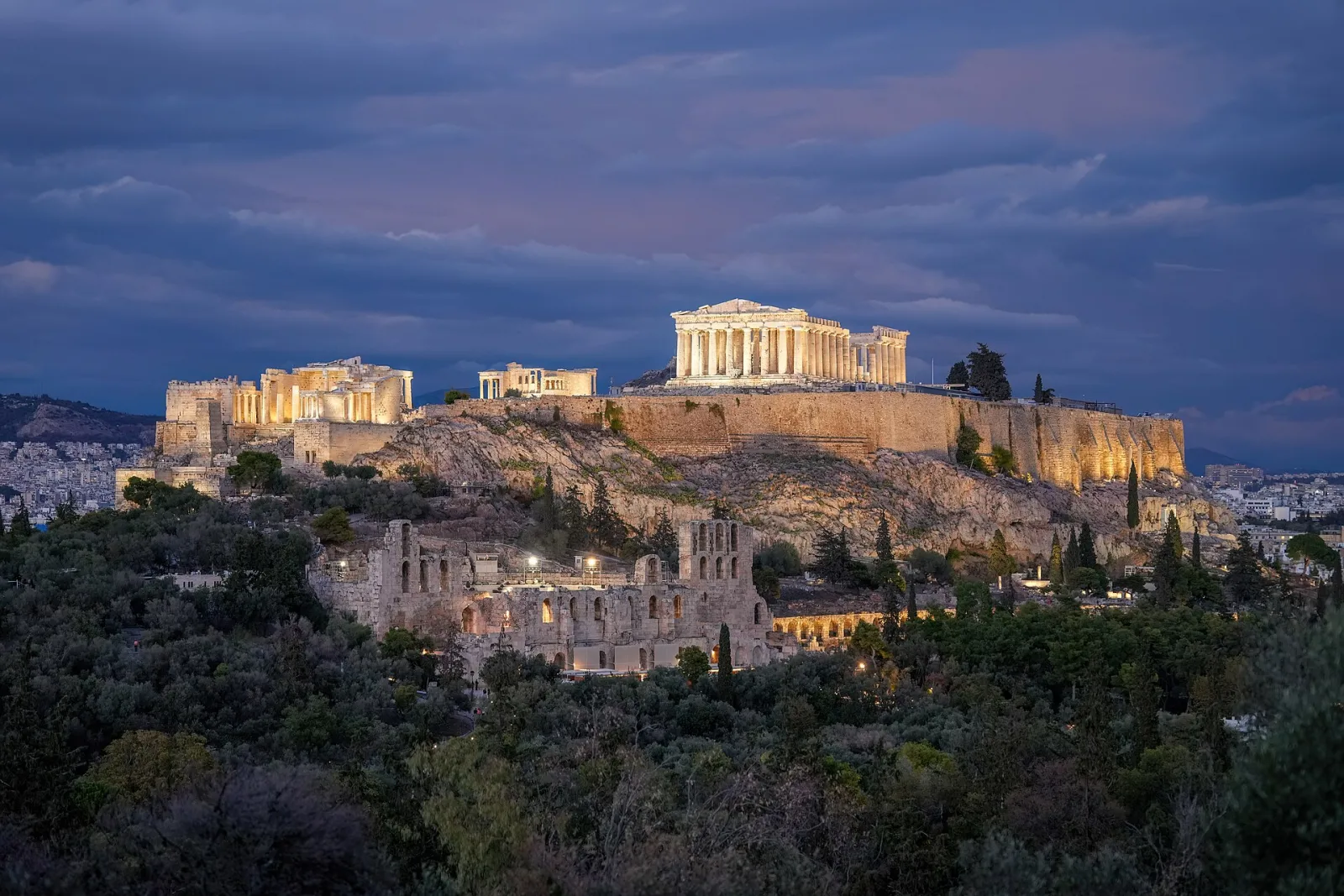
As midnight approaches, the focus shifts from the home to the sky. Major cities and coastal towns alike host impressive fireworks displays. In Athens, the sight of fireworks illuminating the Parthenon is a bucket-list experience for many. Similarly, coastal regions often see boats lighting up the harbors, creating a reflection of the pyrotechnics on the dark Aegean or Ionian waters. The air is filled with the sound of bells ringing from local churches, signaling the arrival of the new calendar year.
Practical Tips for Travelers
- Check local municipal websites in late autumn for the 2026-2027 holiday schedule, as specific concert venues and event timings are updated annually.
- Public transport schedules, including ferries and buses, often run on reduced holiday timetables; confirm your travel plans locally well in advance.
- If you are invited to a Greek home for New Year celebrations, bringing a small gift, such as a box of traditional sweets like melomakarona or kourabiedes, is always appreciated.
- Expect many shops and museums to be closed on January 1st; plan your sightseeing around the public holiday closures.
- Book your accommodation and dinner reservations early, as popular restaurants and hotel venues fill up quickly for the New Year's Eve gala dinners.
Plan your trip to Athens
Compare prices with KAYAKYou'll be taken to KAYAK to compare prices. We may earn a commission at no extra cost to you.
Plan your trip to Athens
🏨Find hotels on Booking.comBooking.comAffiliate links — we may earn a small commission.
Deals from our travel partners
 Panathinaikos Athens vs Armani Olimpia Milano Tickets - Olympic Stadium Athens Telekom Ce…Sports Events 365 · from 271 EUR
Panathinaikos Athens vs Kirolbet Baskonia Vitoria Tickets - Olympic Stadium Athens Teleko…Sports Events 365 · from 271 EUR
Panathinaikos Athens vs FC Barcelona Lassa Tickets - Olympic Stadium Athens Telekom Cente…Sports Events 365 · from 326 EUR
Virtus Bologna vs Panathinaikos Athens Tickets - PalaDozza, 2026-11-17Sports Events 365 · from 133 EUR
Panathinaikos Athens vs Armani Olimpia Milano Tickets - Olympic Stadium Athens Telekom Ce…Sports Events 365 · from 271 EUR
Panathinaikos Athens vs Kirolbet Baskonia Vitoria Tickets - Olympic Stadium Athens Teleko…Sports Events 365 · from 271 EUR
Panathinaikos Athens vs FC Barcelona Lassa Tickets - Olympic Stadium Athens Telekom Cente…Sports Events 365 · from 326 EUR
Virtus Bologna vs Panathinaikos Athens Tickets - PalaDozza, 2026-11-17Sports Events 365 · from 133 EUR
Affiliate links — we may earn a commission at no extra cost to you.
Related guides

Top Things to Do in Karpathos
Rugged, unhurried and full of character, Karpathos rewards travellers who venture beyond the port. Here are the experiences worth planning your days around.
Top Things to Do in Agios Nikolaos
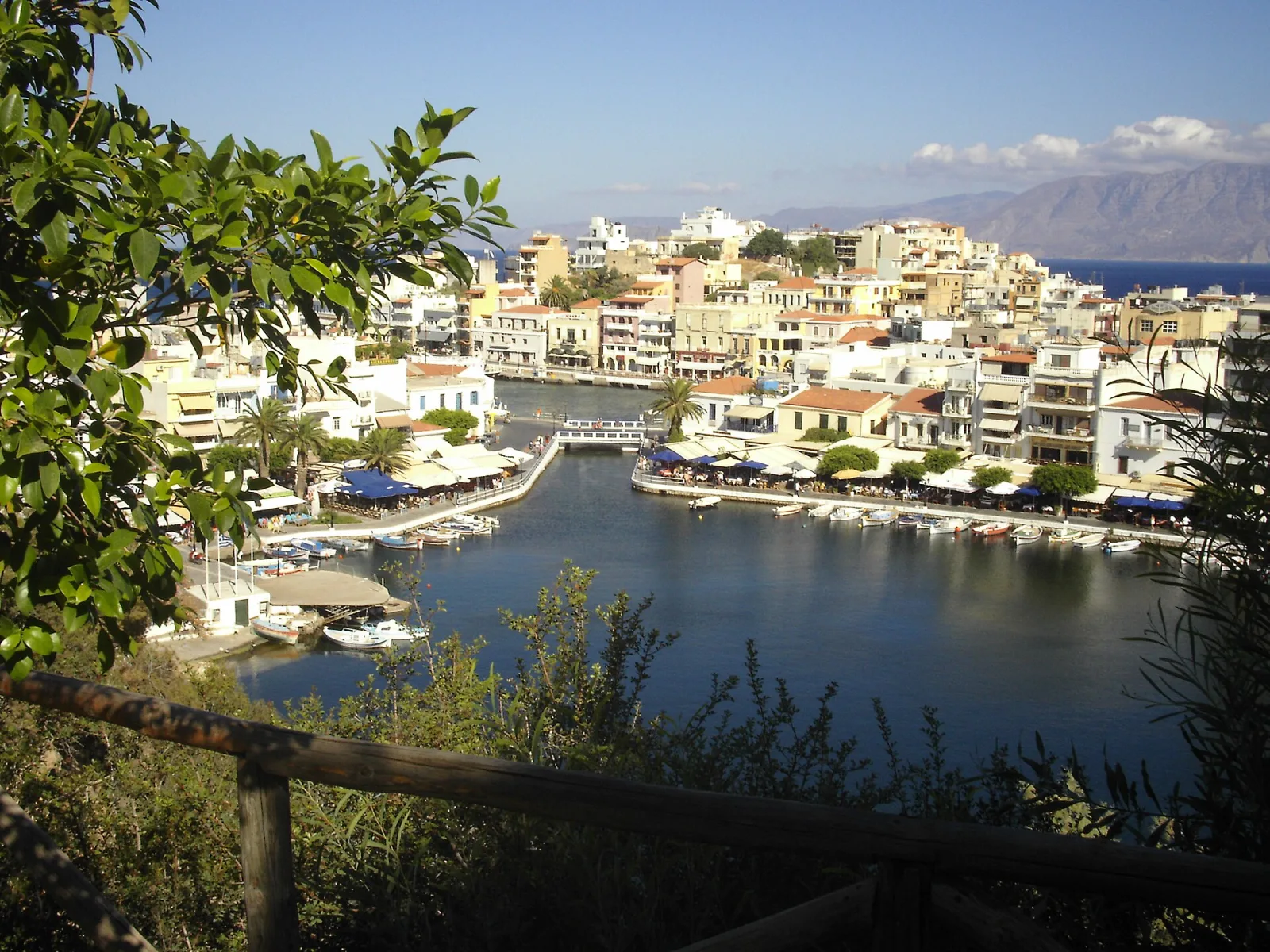
Agios Nikolaos is one of Crete's most appealing seaside towns, built around a small lake and within easy reach of Spinalonga, Elounda and the mountains.
Thessaloniki in 3 Days: The Perfect Itinerary
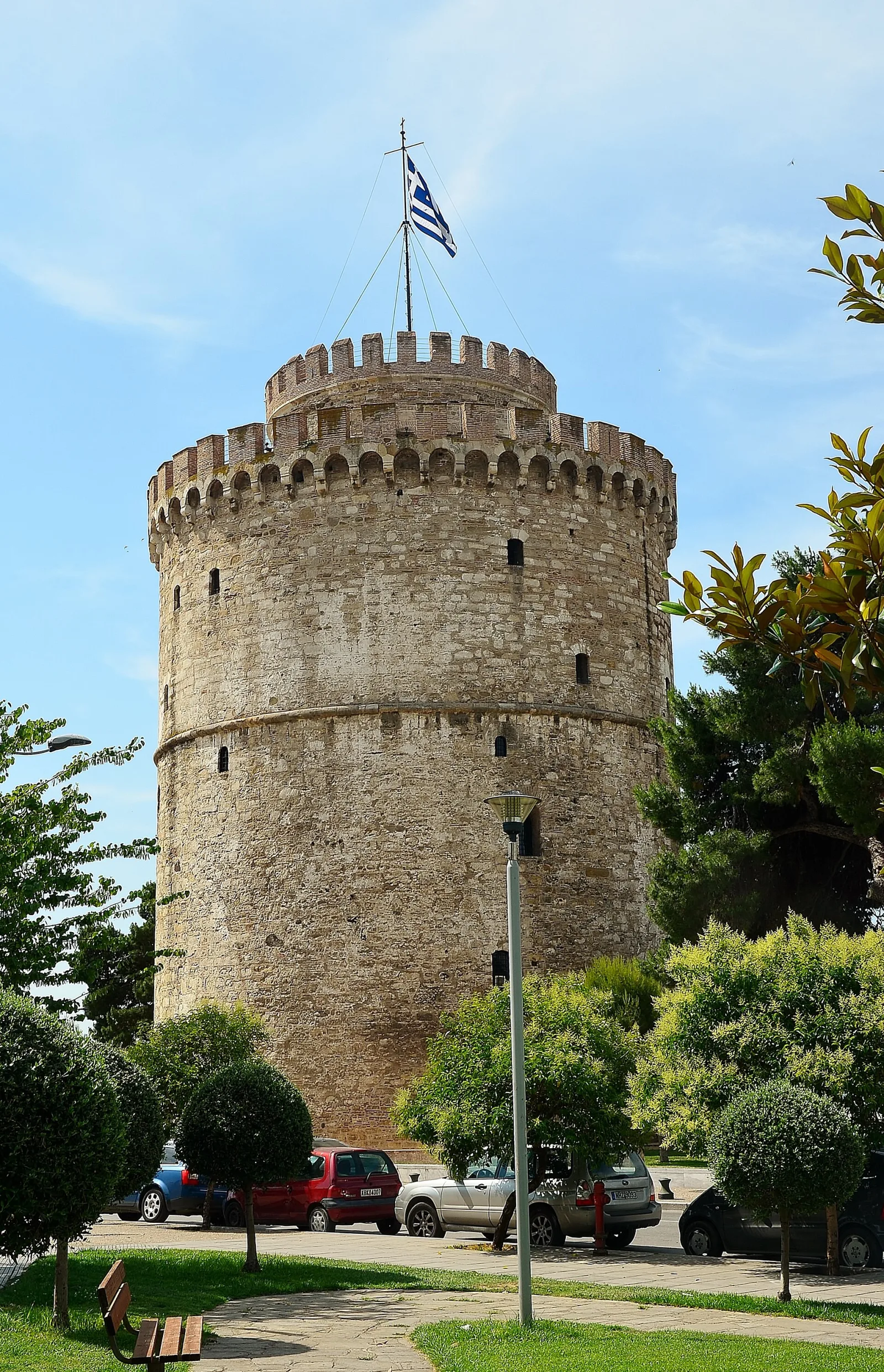
Thessaloniki rewards slow exploring. This three-day plan covers Roman and Byzantine monuments, the waterfront, old-town lanes and the city's famously good food.
