


Psistaria: Guide to Greek Grill Houses
The psistaria is the heartbeat of Greek social dining, serving expertly grilled meats and traditional sides in a relaxed, communal atmosphere.
The Essence of the Psistaria
In the landscape of Greek gastronomy, the psistaria holds a position of central importance. Unlike the fast-paced souvlatzidiko, which focuses on quick, handheld wraps, the psistaria is a dedicated grill house where meat is the undisputed protagonist. These establishments are designed for long, lingering meals, often centered around a large open fire or a traditional rotisserie. The air is thick with the scent of charcoal, oregano, and rendering fat, creating an atmosphere that is quintessentially Greek.
The Craft of the Grill
The magic of the psistaria lies in the technique. Most traditional grill houses utilize charcoal rather than gas, which imparts a distinct smoky depth to the protein. The meat is typically sourced from local producers, focusing on quality cuts that benefit from simple preparation. Marinades are usually kept minimal—often just high-quality olive oil, lemon juice, dried wild oregano, and perhaps a touch of garlic or sea salt—allowing the natural flavor of the lamb, pork, or chicken to shine.
Rotisserie cooking is a hallmark of the craft. Large spits, known as souvles, are loaded with whole lambs, kids, or pork belly, and rotated slowly over glowing coals. This process ensures the meat remains succulent inside while developing a crispy, golden skin on the outside. For smaller portions, chefs use wire mesh grills, flipping the meat frequently to achieve an even char.

What to Order
A typical meal at a psistaria begins with a selection of appetizers, or mezedes, to prepare the palate. Common starters include tzatziki, grilled halloumi or saganaki cheese, and seasonal wild greens known as horta. When moving to the main event, consider these staples:
- Paidakia: These are grilled lamb chops, often considered the gold standard of any psistaria. They are usually served by the kilo, cut small, and meant to be eaten with your hands.
- Kontosouvli: Large chunks of marinated pork or chicken skewered on a thick spit with peppers, onions, and tomatoes, then slow-roasted.
- Kokoretsi: A traditional specialty consisting of lamb or goat offal, including sweetbreads and liver, wrapped in cleaned intestines and roasted on a spit.
- Bifteki: Greek-style seasoned beef patties, sometimes stuffed with feta or graviera cheese.
- Loukaniko: Robust, spiced sausages often containing orange peel or leeks, which are a regional favorite in many mountainous areas.
Regional Variations
While the concept of the psistaria is consistent across Greece, regional variations abound. In the mountainous regions of Epirus and Thessaly, such as around Metsovo or Trikala, you will find a heavier emphasis on high-quality lamb and goat, often served with simple, hearty sides like hand-cut fried potatoes or fresh tomato salads. In coastal areas or on islands like Naxos or Crete, the menu might expand to include grilled octopus or fresh fish, though the focus remains firmly on fire-cooked proteins.
In northern cities like Thessaloniki, the influence of Balkan culinary traditions is more apparent, with a wider variety of spiced sausages and minced meat preparations. Regardless of the region, the side dishes are essential. A classic Greek salad with a thick slab of feta is mandatory, as is a bowl of fresh, crusty bread to mop up the juices from the meat.
How and When to Eat
Greeks typically eat their main meal at a psistaria in the late evening, often starting after sunset. It is a social ritual, intended to be shared among friends and family. It is common for tables to order a variety of items to be placed in the center, encouraging a communal dining experience. While beer is a common accompaniment, many locals prefer house wine, often served in metal or glass carafes. The pace is slow; do not be surprised if the meal lasts for several hours.
Useful Greek Words
- Psistaria: Grill house.
- Paidakia: Lamb chops.
- Souvla: The spit used for roasting.
- Krasopatera: House wine.
- Salata Horiatiki: The classic Greek village salad.
- Horta: Boiled wild greens with olive oil and lemon.
Practical Tips
- Look for places where the grill is visible from the street; the sight and smell of the fire are usually good indicators of quality.
- Check locally for the best time to arrive, as popular spots fill up quickly on weekend evenings.
- If you are unsure about the portion sizes, ask the staff for guidance; meat is often sold by weight, and it is easy to over-order.
- Always keep a few napkins handy, as eating lamb chops is a tactile experience.
- Don't be afraid to ask for extra lemon; it is the essential finishing touch for almost every grilled dish in Greece.
Plan your trip to Athens
Compare prices with KAYAKYou'll be taken to KAYAK to compare prices. We may earn a commission at no extra cost to you.
Plan your trip to Athens
🏨Find hotels on Booking.comBooking.comAffiliate links — we may earn a small commission.
Deals from our travel partners
 Panathinaikos Athens vs Armani Olimpia Milano Tickets - Olympic Stadium Athens Telekom Ce…Sports Events 365 · from 271 EUR
Panathinaikos Athens vs Kirolbet Baskonia Vitoria Tickets - Olympic Stadium Athens Teleko…Sports Events 365 · from 271 EUR
Panathinaikos Athens vs FC Barcelona Lassa Tickets - Olympic Stadium Athens Telekom Cente…Sports Events 365 · from 326 EUR
Virtus Bologna vs Panathinaikos Athens Tickets - PalaDozza, 2026-11-17Sports Events 365 · from 133 EUR
Panathinaikos Athens vs Armani Olimpia Milano Tickets - Olympic Stadium Athens Telekom Ce…Sports Events 365 · from 271 EUR
Panathinaikos Athens vs Kirolbet Baskonia Vitoria Tickets - Olympic Stadium Athens Teleko…Sports Events 365 · from 271 EUR
Panathinaikos Athens vs FC Barcelona Lassa Tickets - Olympic Stadium Athens Telekom Cente…Sports Events 365 · from 326 EUR
Virtus Bologna vs Panathinaikos Athens Tickets - PalaDozza, 2026-11-17Sports Events 365 · from 133 EUR
Affiliate links — we may earn a commission at no extra cost to you.
Related guides

Top Things to Do in Karpathos
Rugged, unhurried and full of character, Karpathos rewards travellers who venture beyond the port. Here are the experiences worth planning your days around.
Top Things to Do in Agios Nikolaos
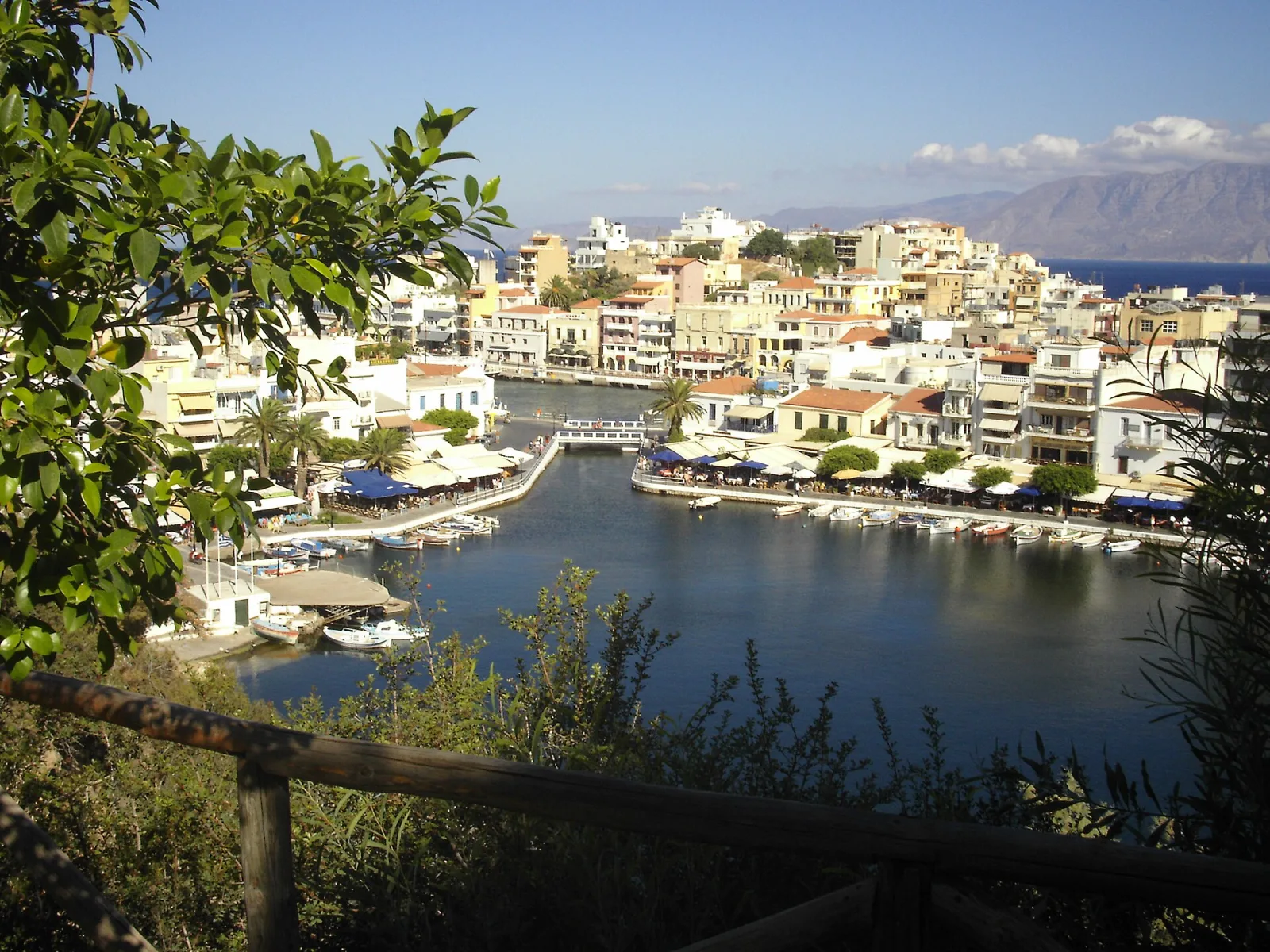
Agios Nikolaos is one of Crete's most appealing seaside towns, built around a small lake and within easy reach of Spinalonga, Elounda and the mountains.
Thessaloniki in 3 Days: The Perfect Itinerary
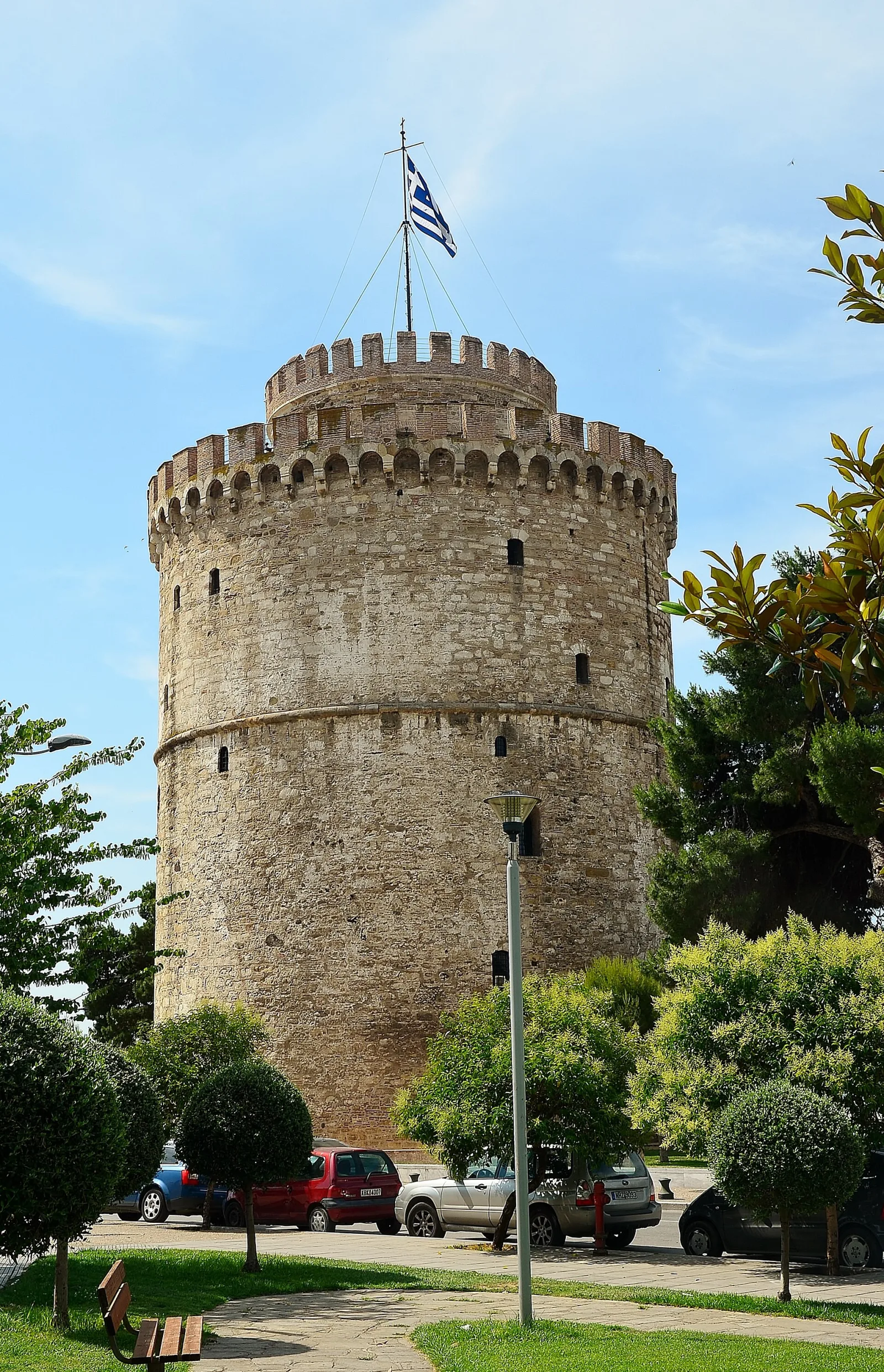
Thessaloniki rewards slow exploring. This three-day plan covers Roman and Byzantine monuments, the waterfront, old-town lanes and the city's famously good food.
