


Retsina: Greece's Pine-Scented Wine Reconsidered
Often misunderstood, Retsina is a historic Greek wine infused with pine resin. Learn why this unique beverage is enjoying a sophisticated revival in tavernas across Greece.

The Origins of Retsina
Retsina is perhaps the most iconic, yet frequently misunderstood, wine in the Greek canon. Its history spans thousands of years, tracing its roots back to ancient times when wine was stored in amphorae. To seal these clay vessels and prevent oxidation, producers used Aleppo pine resin to coat the stoppers and line the interiors. Over time, the wine absorbed the distinct, aromatic qualities of the resin, creating a flavor profile that became synonymous with Greek viticulture. While modern winemaking technology eventually rendered resin unnecessary for preservation, the taste for this unique, pine-scented wine persisted, evolving into a cultural staple.
The Craft of Resin Infusion
Modern Retsina is made by adding small amounts of Aleppo pine resin to the must during the fermentation process. The resin is typically harvested from pine forests, cleaned, and then introduced to the wine. Once fermentation is complete, the resin is removed, leaving behind a delicate, herbaceous aroma and a crisp, savory finish. While traditionally made from the Savatiano grape—a sturdy variety that thrives in the heat of the Attica region—winemakers now experiment with other varieties like Assyrtiko and Roditis to create more nuanced expressions of the style.
Regional Variations and Styles
While Retsina is produced across various parts of Greece, the style varies significantly based on the base grape and the intensity of the resin. Classic Retsina is typically pale, straw-colored, and bone-dry. However, the current generation of winemakers is crafting 'modern' Retsina, which emphasizes high-quality base wines and a more restrained use of resin. These versions are often lighter, more aromatic, and better suited for pairing with complex dishes. You may also encounter 'Kokkineli,' a rosé version of Retsina, which offers a slightly different texture and flavor profile, often pairing exceptionally well with grilled meats.

How to Enjoy Retsina Like a Local
In Greece, Retsina is rarely treated as a formal, contemplative wine; it is a sociable drink intended to accompany food. It is almost always served well-chilled, often in small, traditional carafes or simple glasses. The high acidity and resinous notes make it a perfect companion for the salty, oily, and tangy flavors found in a typical meze spread. It cuts through the richness of fried foods, balances the brine of olives, and complements the earthiness of wild greens and grilled octopus. Locals often drink it throughout a long lunch or dinner, finding that its refreshing nature keeps the palate clean between bites of various small plates.
What to Order
When dining at a traditional taverna, you will often find Retsina listed simply as 'xima' (bulk wine) or by the name of a specific producer. If you are new to the style, look for bottles labeled as 'modern' or 'premium' Retsina. These wines are often fermented at lower temperatures to preserve fruity aromatics, resulting in a more balanced experience. If you are feeling adventurous, the local house Retsina in a carafe is the quintessential way to experience the drink in its most rustic, authentic form.
Useful Greek Terms
- Krasí: Wine.
- Retsína: The resin-infused wine.
- Xima: Bulk wine, usually served in a carafe.
- Potíri: Glass.
- Mezé: Small plates of food served alongside drinks.
- Stin iyia sas: Cheers (literally: 'to your health').
Practical Tips
- Always ask for your Retsina to be served ice-cold. If it warms up, the resinous quality can become overwhelming.
- Pair your wine with salty appetizers such as feta, olives, fried zucchini, or grilled seafood to get the most out of the flavor profile.
- If you are visiting a winery, ask about their specific resin sourcing, as different regions use different species of pine which can subtly alter the final taste.
- Check locally for regional wine festivals where you can taste various styles of Retsina produced by smaller, independent vineyards.
- When in doubt, start with a bottled version from a reputable producer before diving into the bulk carafes at a local taverna.
Plan your trip to Athens
Compare prices with KAYAKYou'll be taken to KAYAK to compare prices. We may earn a commission at no extra cost to you.
Plan your trip to Athens
🏨Find hotels on Booking.comBooking.comAffiliate links — we may earn a small commission.
Deals from our travel partners
 Panathinaikos Athens vs Armani Olimpia Milano Tickets - Olympic Stadium Athens Telekom Ce…Sports Events 365 · from 271 EUR
Panathinaikos Athens vs Kirolbet Baskonia Vitoria Tickets - Olympic Stadium Athens Teleko…Sports Events 365 · from 271 EUR
Panathinaikos Athens vs FC Barcelona Lassa Tickets - Olympic Stadium Athens Telekom Cente…Sports Events 365 · from 326 EUR
Virtus Bologna vs Panathinaikos Athens Tickets - PalaDozza, 2026-11-17Sports Events 365 · from 133 EUR
Panathinaikos Athens vs Armani Olimpia Milano Tickets - Olympic Stadium Athens Telekom Ce…Sports Events 365 · from 271 EUR
Panathinaikos Athens vs Kirolbet Baskonia Vitoria Tickets - Olympic Stadium Athens Teleko…Sports Events 365 · from 271 EUR
Panathinaikos Athens vs FC Barcelona Lassa Tickets - Olympic Stadium Athens Telekom Cente…Sports Events 365 · from 326 EUR
Virtus Bologna vs Panathinaikos Athens Tickets - PalaDozza, 2026-11-17Sports Events 365 · from 133 EUR
Affiliate links — we may earn a commission at no extra cost to you.
Related guides
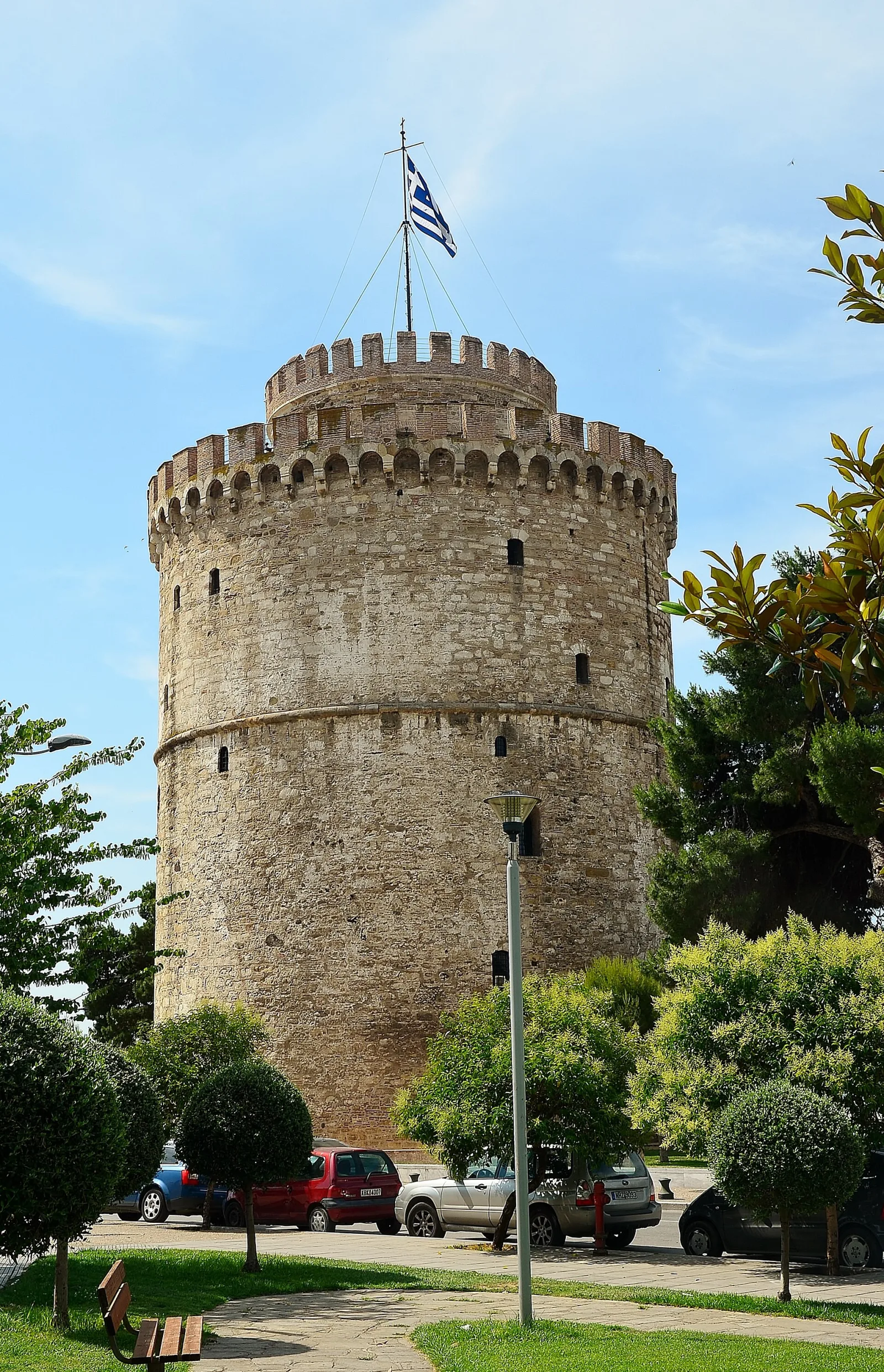
Thessaloniki in 3 Days: The Perfect Itinerary
Thessaloniki rewards slow exploring. This three-day plan covers Roman and Byzantine monuments, the waterfront, old-town lanes and the city's famously good food.
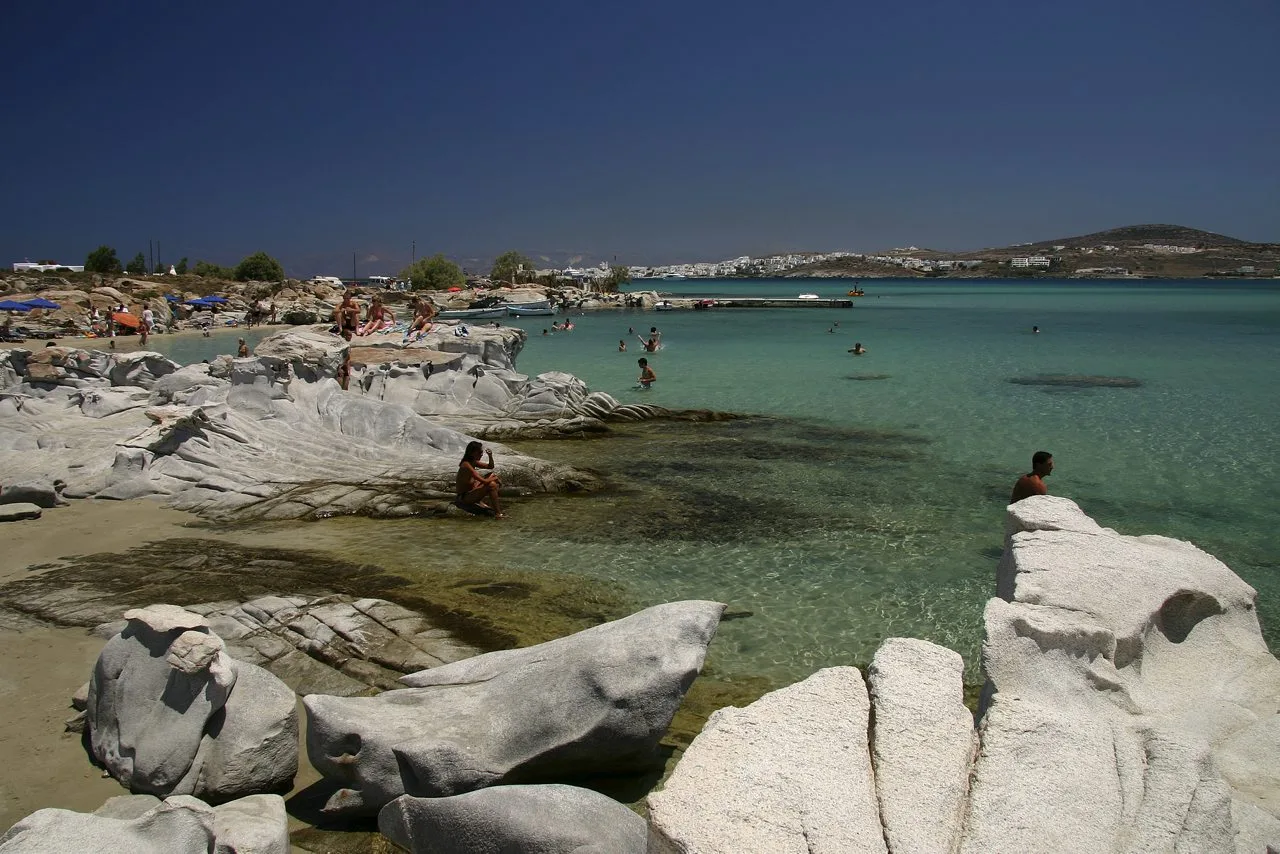
Top Things to Do in Paros
From whitewashed harbours and Venetian forts to sculpted rock beaches and mountain villages, Paros rewards travellers who look beyond the postcard. Here are the experiences worth planning around.
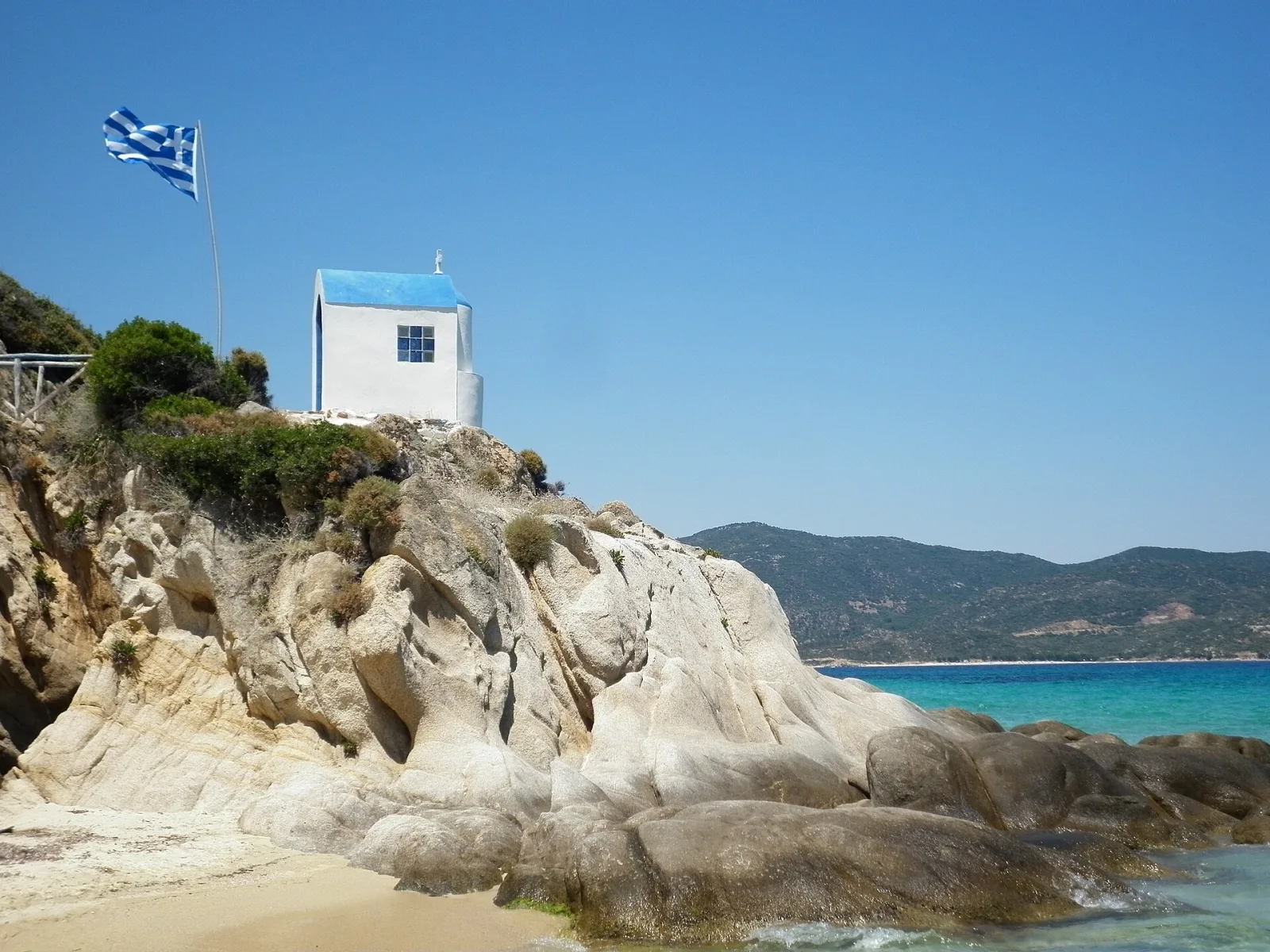
Top Things to Do in Halkidiki
Three finger-shaped peninsulas, pine-fringed beaches and some of the clearest water in the Aegean make Halkidiki northern Greece's favourite summer escape. Here is how to make the most of it.
